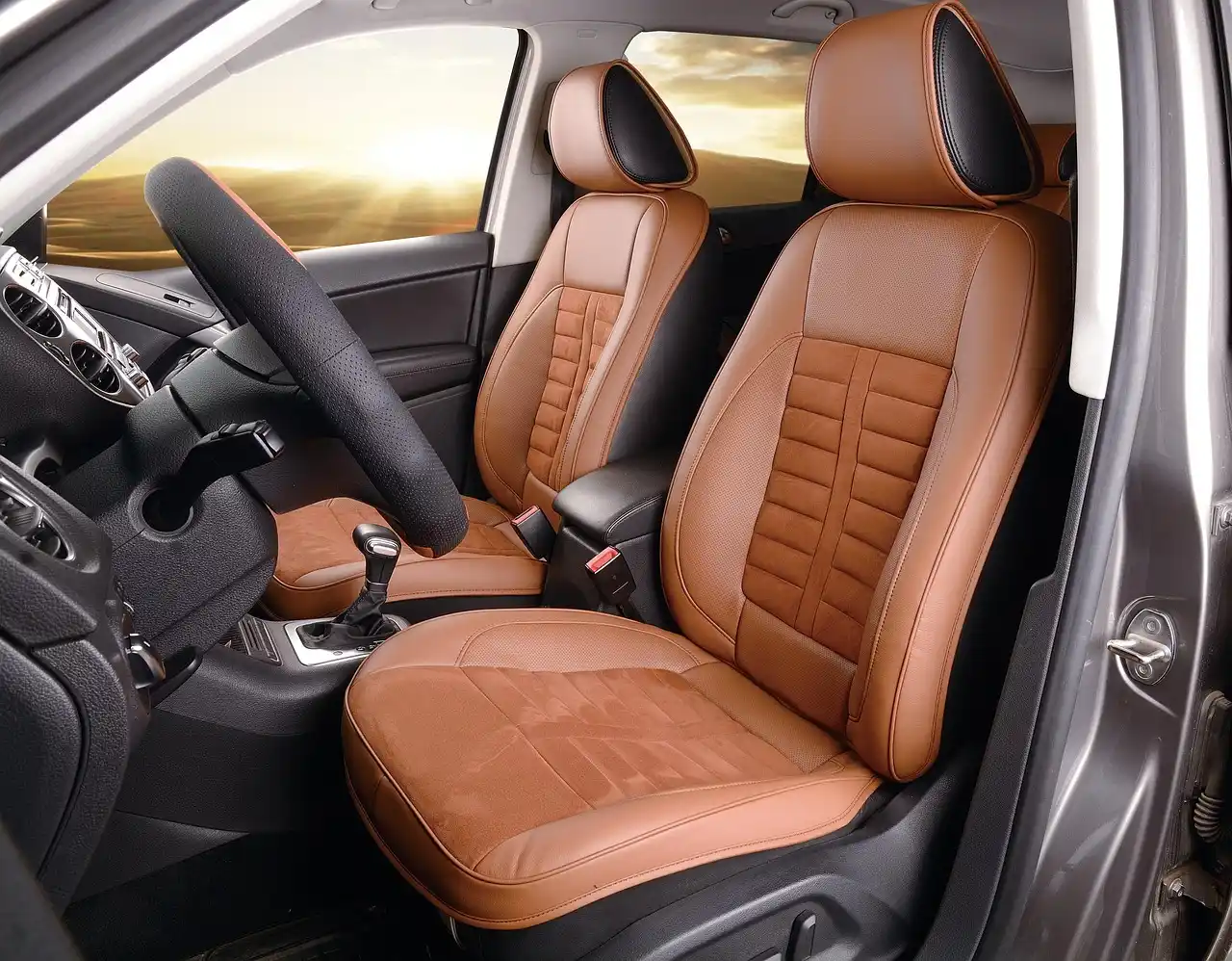
Car Accessories Guide
Buy car accessories by problem priority: start with 7 basics that prevent damage, breakdown hassle, or visibility issues, then add comfort gear only after those gaps are covered. I have seen plenty of owners get this backwards and burn money on gadgets while skipping the stuff that protects the cabin, cuts roadside delay, or makes daily driving safer. This guide puts the best first buys at the top, the situational buys in the middle, and the easy skips at the bottom.
Start with the problem, not the product aisle
![Miracase for MagSafe Car Mount[3800gf Strong Magnet & 90+LBS Suction Base]Magnetic Phone Holders for Your Car, 360° Adju](https://m.media-amazon.com/images/I/51eFqQHP3uL._SL500_.jpg)

Most accessory roundups split the car into interior and exterior buckets. That works for a catalog. It is a bad way to spend money.
A better Car accessories guide starts with ownership problems: cabin wear, crash evidence, phone placement, loose cargo, roadside recovery, heat buildup, and cleaning upkeep. Those are the issues drivers actually feel a month after purchase.
I use the same order when I buy for my own car: first the items that protect the cabin or keep me from standing on the shoulder, then the things that make the interior nicer. That is also where the evidence is strongest. NHTSA’s distracted-driving guidance supports reducing manual phone handling while driving; dash-cam value is practical rather than regulatory, but it shows up when a claim turns into a he-said, she-said problem; and every owner’s manual I trust is explicit that roof accessories must stay within the vehicle’s roof-load limits and use the correct attachment points.
The seven ownership problems accessories actually solve
- Protection: floor mats, liners, seat covers, sunshades.
- Safety evidence: dash cams with reliable power and storage.
- Phone use: mounts that reduce reach and screen fumbling.
- Cargo control: organizers, bins, and dividers that stop movement.
- Roadside readiness: tire inflators and jump starters.
- Heat control: windshield and side-window sunshades.
- Cleaning upkeep: vacuums, brushes, wipes, and interior-safe cleaners.
The first-buy, next-buy, skip framework
- First buy: items used weekly or needed on the first bad day, such as mats, a phone mount, a dash cam, an inflator, or a cargo organizer.
- Next buy: items that matter for climate, kids, pets, or trip length, such as seat covers, a jump starter, sunshades, or roof gear.
- Skip: accessories bought for looks, novelty electronics, weak universal organizers, poor adhesive mounts, and any roof system bought before checking roof type and load limits.
MotorTrend publishes a broad buyer’s guide to car accessories, but broad lists still leave the real ownership question unanswered: what deserves money first, and what can wait until a need is proven?
What are the must have car accessories?
The must-have list is short: floor mats or liners, a stable phone mount, a dash cam, a portable tire inflator, and some form of cargo control. Add a sunshade in hot climates and a jump starter if the car sits, travels far, or faces winter starts. The rest should follow how you actually use the car.
The short list most drivers will use every week
Floor mats and liners belong near the top because they stop dirt, mud, and spills from reaching the carpet. In my own use, mats are the accessory I notice every single week because they change cleanup from a full interior job to a two-minute shakeout or rinse. The practical standard is simple: they need to clear the pedals, lock into the retention points if the car uses them, and cover the dead-pedal area well enough that wet shoes do not keep hitting exposed carpet.
Phone mounts earn their place when they allow one-handed docking, keep the screen in your sightline, and stay put on rough roads. A shaky mount creates a fresh distraction. A good one removes an old one. NHTSA’s distracted-driving material is the reason I rank stable placement above charging gimmicks or RGB lighting.
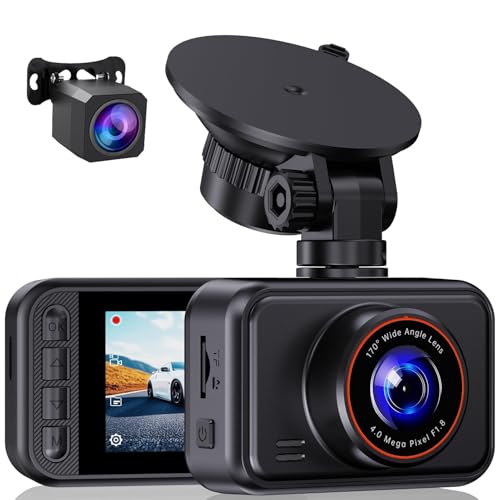
Dash cams are worth buying early because they help when nothing else in the cabin can. In my testing, the weak point is rarely the camera lens. It is power stability, heat tolerance on the windshield, or a memory card that was never meant for constant overwrite duty. Front-only is enough for many commuters. Front-and-rear makes more sense for family cars and heavy traffic parking.
Portable inflators save time on slow leaks and seasonal pressure drops. Cargo organizers stop groceries, sports bags, and emergency gear from turning into rolling clutter. I have had both prove their value in routine use long before any true emergency: one on a cold-weather pressure drop, the other every time a gallon jug or tool bag would otherwise slide corner to corner.
What changes by driver type
Commuters should start with mats, a mount, and a dash cam. Families should move cargo organizers and easy-clean protection higher. Road-trippers should move inflators, jump starters, and roof gear up if the car regularly runs out of space.
What usually belongs on the skip list
Decorative lights, trim pieces, fragrance gadgets that leak, universal seat covers with poor airbag cutouts, and bargain phone mounts with weak clips are common skip buys. They look useful on a product page. In practice, they rattle, fall off, stain trim, or block a feature the car already has.

Problem-first accessory priority table

Use the table below as a buying filter. Start with the problem you want to fix, then check who really needs the accessory, what fitment points matter, and whether it is a buy-first, next-buy, or skip for commuters, families, and road-trippers.
How to read the priority table
“Buy first” means high-use and high-value. “Next buy” means useful, but situational. “Skip” does not mean bad. It means the money should go elsewhere first.
Here is the tighter rule set I use alongside the table. For commuters, buy an accessory if it solves something you touch on nearly every drive; skip it if it adds setup time, rattles, or blocks visibility. For families, buy when it cuts mess, protects seats, or shortens loading time; skip when it interferes with child-seat access or cleanability. For road-trippers, buy when it reduces roadside exposure or adds proven carrying space; skip when it adds wind noise, awkward loading, or uncertain fitment for a trip you take once a year.
Two fitment failures show up again and again in owner use: a “universal” mat that leaves exposed carpet by the dead pedal or bunches near the accelerator, and a vent phone mount that cannot clamp securely because the vent slats are too thin, too vertical, or motorized. Roof gear has its own version of this mistake: buyers assume a naked roof can take the same hardware as raised rails, or they ignore the crossbar spread and hatch clearance.
| Accessory | Problem solved | Who needs it most | Must-check fitment criteria | Commuter | Family | Road-tripper |
|---|---|---|---|---|---|---|
| Floor mats and liners | Carpet wear, mud, spills, resale loss | All drivers | Make, model, year, row count, floor anchors, pedal clearance | Buy first | Buy first | Buy first |
| Seat covers | Seat wear, pet mess, child-seat rub | Families, pet owners, work cars | Vehicle-specific fit, side-airbag compatibility, split-fold seat access | Next buy | Buy first | Next buy |
| Dash cam | Crash evidence, parking incidents, claim support | Urban drivers, high-mileage users | Power source, windshield angle, parking-mode wiring, SD card type | Buy first | Buy first | Buy first |
| Phone mount | Safer navigation access | Commuters, delivery use, frequent navigation | Vent shape, dash texture, windshield rules, one-handed grip | Buy first | Next buy | Buy first |
| Portable tire inflator | Low tire pressure, roadside top-up | All drivers, especially long-distance | 12V access, cord length, gauge readability, duty cycle | Buy first | Buy first | Buy first |
| Jump starter | Dead battery recovery | Cold-climate, low-use, remote-trip drivers | Battery capacity, peak amps, clamp quality, safety protections | Next buy | Next buy | Buy first |
| Cargo organizer | Loose-item movement, clutter | Families, commuters with gear | Cargo-area shape, tie-down points, fold-flat or modular layout | Buy first | Buy first | Buy first |
| Sunshade and UV protection | Cabin heat, fading, touchpoint damage | Hot-climate and outdoor-parked cars | Windshield size, mirror cutout, side-window format | Next buy | Buy first | Next buy |
| Roof rack and cargo carrier | Extra carrying space | Adventure, sports, holiday travel | Roof type, crossbar compatibility, dynamic load limit, garage height | Skip | Next buy | Buy first |
| Cleaning and detailing accessories | Surface wear, grime buildup | All drivers | Interior-safe chemicals, brush softness, storage size, power source | Buy first | Buy first | Next buy |
Which car accessories improve safety the most?

The biggest safety gains come from accessories that reduce distraction or help after a failure: dash cams, stable phone mounts, portable tire inflators, and jump starters. Dash cams help with evidence. Mounts cut hand-held phone use. Inflators and jump starters cut the time you spend exposed on the roadside after a problem starts.
Dash cams for evidence and incident review
Front-facing coverage is the practical minimum. Front-and-rear coverage makes more sense for crowded parking, rear-end claim disputes, and family use where the car spends time in school or store lots.
Look for loop recording, parking mode only if the power setup supports it, and memory cards suited to constant rewriting. Cheap cards fail quietly. Then the camera becomes decoration.
Parking mode also creates a power question. If the camera is hardwired badly, it can drain a weak battery. If it is plugged into the wrong outlet, parking mode may not work at all. In owner use, I have also seen heat become the hidden failure mode: a camera that records fine on a mild day can shut down after an hour on a summer windshield if the body ventilation is poor or the adhesive pad softens.
Inflators and jump starters for roadside recovery
A 12V inflator is one of the best low-cost buys because many tire problems are slow leaks or pressure changes, not blowouts. Gauge accuracy matters. So does cord length. An inflator that cannot reach all four valves is a poor emergency tool. The tire-pressure target itself should come from the placard on the driver’s door jamb or the owner’s manual, not the maximum pressure molded into the tire sidewall.
Jump starters need enough battery capacity and peak amps for the vehicle class, plus decent clamps and reverse-polarity protection. USB charging is handy, but secondary. Recovery comes first. In practice, the most common owner mistake is forgetting to recharge the pack after months in the trunk, especially after a winter jump or a hot summer of sitting.
Phone mounts that reduce distraction
Vent mounts are quick, but many fail on heavy phones or odd vent designs. Dashboard adhesive mounts can work well on the right surface and fail badly on textured or heat-baked dashboards. Windshield mounts often hold best, though local rules may limit placement.
My own rule is simple: if I cannot dock the phone cleanly with one hand and glance at the route without hunting for the screen, the mount is not solving the problem. The mounts that annoyed me most were not the ones that fell once. They were the ones that sagged a few degrees every week and slowly turned navigation into a reach-and-adjust habit.
What accessories are worth buying first for a new car?
For a new car, buy accessories that stop early wear and keep the cabin easy to maintain: floor mats or liners, a windshield sunshade, a compact cleaning kit, and basic cargo control. Add a dash cam early if the car will see city traffic, shared parking, or long commutes.
Floor mats and liners to stop early wear
This is the easiest first purchase to justify. Dirt pressed into fresh carpet ages a cabin fast. All-weather liners suit wet climates, work sites, and family use. Carpet mats suit dry climates and owners who care more about factory appearance than rinse-out cleanup.
Fitment matters more than material. Check make, model, year, and retention-point layout. In actual use, a bad set usually fails in one of three places: the left-foot rest remains exposed, the mat slides because the anchors do not match, or the front edge interferes with seat movement. That is why I treat mats as vehicle-specific parts, not décor.
Sunshades and cleaning tools to preserve surfaces
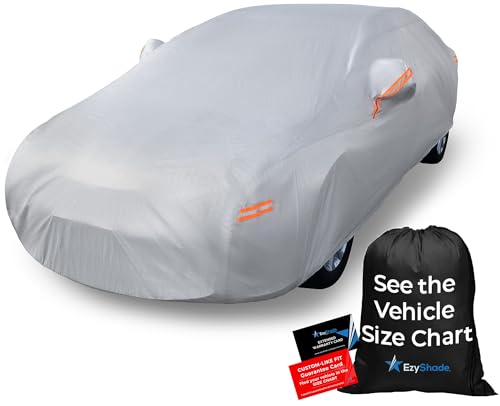
Outdoor parking speeds up heat soak and fading. A windshield sunshade is cheap, folds away, and keeps touch surfaces from baking every afternoon. Side-window shades make more sense for rear-seat passengers and child seats than for solo commuters.
A new car also benefits from simple interior-safe cleaners, microfiber cloths, soft brushes, and a compact vacuum. Dirty seams and cupholders wear faster when grit sits in place. In hot weather, I have found the real comfort win is not just a cooler steering wheel; it is that the first ten minutes of the drive feel normal instead of like recovering from an oven preheat. That is exactly why I rank a sunshade ahead of most novelty electronics.
Cargo organizers before the trunk turns messy
Loose bottles, emergency kits, charging cables, and shopping bags start small. Then they slide, spill, and scuff trim. A foldable organizer with a grippy base or anchor straps keeps the trunk from aging before the odometer gets far.
For owner use, the best ones are not the biggest. They are the ones that fit the cargo floor well enough not to tip when half full. The flimsy versions fail when one grocery bag or tool roll makes the sidewalls fold inward. That gets old fast.
How do I choose accessories that fit my car?
Choose accessories by checking the full vehicle profile first: make, model, year, trim, body style, seating layout, roof type, power outlets, and cargo shape. Then check the accessory’s failure point. Fitment is rarely about size alone.
Make, model, year, trim, and body style checks
Floor mats, liners, seat covers, cargo trays, and sunshades often change with trim or body style. A sedan and hatchback version of the same nameplate may share front mats and have totally different cargo-area shapes.
Vehicle-specific fit is worth paying for when the part touches airbags, pedals, anchors, folding seats, or roof mounts. Universal parts make more sense for vacuums, inflators, and some organizers. If you are comparing trim-sensitive parts against more general upgrades, Car and Driver positions that distinction well in its product-review style coverage: the closer a product gets to safety hardware or exact cabin geometry, the less forgiving “universal” fit becomes.
Roof type, seat airbags, cargo shape, and power limits
Roof systems fail when buyers assume every roof can take crossbars. Some cars need raised-rail hardware, some need fixed points, and some roofs are poor candidates for aftermarket loads. The direct citation that matters here is your vehicle owner’s manual, because it states whether the roof is rated for a load at all, where approved attachment points are located, and what maximum roof load applies. Rack makers’ fit guides are useful for hardware matching, but the manual is the authority on the car.
Seat covers must never block side airbags. Check the seatback design, stitching pattern, and whether the cover is built for airbag deployment. Cargo organizers need a trunk floor shape that lets them sit flat or anchor down. Inflators and coolers need a usable 12V outlet. In owner use, I have seen seat-cover fit fail on thick bolsters and split rear backs most often, while roof-rack fit fails on flush rails and panoramic-roof cars when shoppers assume one bar kit fits all trims.
Universal versus vehicle-specific parts
Universal phone mounts can be fine if the attachment method suits the car. Universal seat covers often fit poorly. Vehicle-specific mats nearly always beat universal mats. Roof gear should be treated as a fitment product first and an accessory second.
When buying from online accessory sellers, return terms matter because bad fitment is common. AutoFurnish offers 7-days return and free shipping above ₹999. Its listings also show how model-specific accessories can get very exact, including 9D custom fitted car mats for Vinfast VF 7 2026 from ₹8090 and a car cover for Vinfast VF 7 2025 from ₹1695.
Protection and wear-control accessories that pay back over time
Floor mats and liners: all-weather versus carpet
All-weather liners are the better daily tool for mud, slush, rain, and kids. Deep channels hold mess until cleanup. The tradeoff is a more utilitarian look and, on cheap versions, edges that curl over time.
Carpet mats look better in dry conditions and can feel more factory-correct. They are weaker at handling spills. Once soaked, they hold grime and odor longer. From experience, the practical difference shows up after a dirty week: carpet looks nicer on day one, but liners are the set I would rather live with after rain, sports practice, or one coffee spill.
Seat covers: material, comfort, and airbag-safe fit
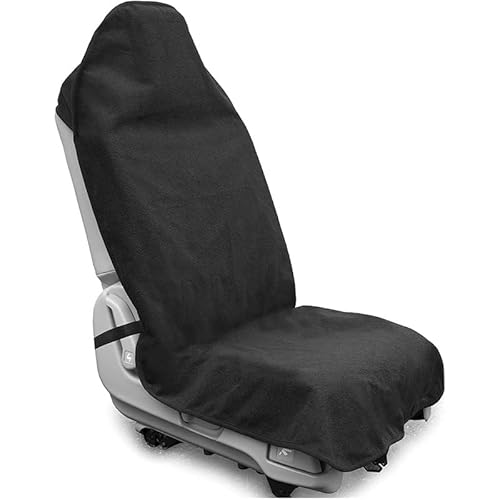
Leather-look covers wipe clean but can get hot and slick. Neoprene handles moisture well and suits pets, sports gear, and wet clothing, though it can feel bulky. Fabric covers breathe better and often feel less sticky in heat, but stain more easily.
Seat covers make sense when the seat takes abuse from kids, tools, pets, or frequent entry and exit. They make less sense on a lightly used commuter car with quality factory upholstery and side-airbag-sensitive seat shapes. My cutoff is usability: if the cover shifts when you slide in, blocks a fold lever, or traps heat enough that you notice it every afternoon, it is not protecting the seat well enough to justify the annoyance.
Cleaning and detailing accessories that prevent damage
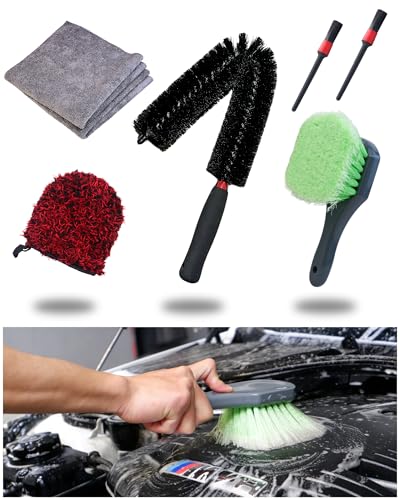
The useful cleaning kit is boring on purpose: a small vacuum, soft brushes, interior wipes, a gentle cleaner, and cloths that do not scratch glossy trim. Hard bristles and strong solvents can do more harm than the dirt they remove.
Car and Driver positions its gear coverage as tested product reviews. That matters here because cleaning tools often look identical until one leaves lint, smears screens, or scuffs piano-black trim. My own test is simple: one pass on glossy trim and one pass in a dusty seam. If the cloth sheds or the brush feels sharp, it is out.
Utility accessories for daily driving and longer trips
Phone mounts that stay put on rough roads
The best mount is the one that keeps the screen readable without wobble and lets the phone lock in with one hand. Ball-joint designs give flexibility, but cheap joints sag. Clip mounts fail when the vent slats are thin or angled oddly.
Heat is a real failure point. Adhesive pads soften. Plastic arms loosen. Magnetic systems vary with phone size and case thickness. I have had the best results from mounts that put less leverage on the attachment point in the first place. Long arms look convenient on a product page, but they amplify shake on rough pavement and tend to droop sooner.
Cargo organizers for groceries, sports gear, and family clutter
Fold-flat designs store easily when the trunk is empty. Modular boxes work better when the load changes between groceries, baby gear, tools, and roadside supplies. If the trunk floor is slick, anchor straps or hook-and-loop bases matter.
For family use, separate dirty and clean zones. For road trips, keep emergency gear accessible without unpacking luggage. In practice, I like one section reserved for inflator, gloves, and cables, because the whole point of emergency gear is reaching it first, not after unloading the vacation bags.
Roof racks and cargo carriers for bikes, kayaks, and luggage
Roof gear is highly useful for the right owner and wasteful for everyone else. If the car regularly carries bikes, kayaks, or vacation luggage, crossbars and carriers can free the cabin fast. If that describes your use, the most relevant companion reading is a broad ownership explainer like Car accessories guide, then a fitment check against your manual and rack-system specifications before you buy.
The downsides are easy to miss: wind noise, extra lift-over effort, garage-height mistakes, and overloaded systems. Crossbar fit, roof compatibility, and the vehicle’s dynamic load limit all need to be checked before checkout. I have driven cars that picked up a noticeable whistle at highway speed with empty bars installed, and that alone is enough reason not to treat roof gear as a default purchase. On load limits, use the owner’s manual first; then make sure the bars and carrier do not become the lower-rated weak link in the system.
Budgeting for Dash Cam Ownership
Dash cam ownership involves more than the camera unit; total first-year costs typically range from the low hundreds to mid hundreds once memory cards, installation, and subscriptions are included. Skipping on cheap units often results in video quality issues or storage limits that increase long-term expenses. For detailed breakdowns of camera, card, install, and recurring costs tailored to commuters and fleets, see dash cam cost guide.
Understanding these hidden fees helps drivers choose setups that fit their specific driving habits and avoid overpaying for unnecessary features. This perspective ensures your accessory investment provides reliable video evidence and peace of mind without unexpected financial surprises.
Budget TPMS setup for cars, trailers, and RVs
A budget tire pressure monitoring system only protects your tires if the sensors match your vehicle and you install the right repeaters or power adapters. Tymate works well for cars, SUVs, trailers, fifth wheels, and RVs that accept external valve-stem sensors, but a mismatched setup can leave low pressure undetected until a wheel-end is damaged.
The Tymate TPMS review breaks down exactly which vehicle types pair reliably with these monitors, where the system falls short, and what extra hardware—like signal repeaters or USB power adapters—you need to maintain a stable connection. Matching the monitor to your rig prevents wasted money on hardware that drops its link mid-trip.
Managing TPMS replacement costs effectively
Tire pressure monitoring systems require periodic maintenance that impacts your overall vehicle budget. Understanding the breakdown of parts, labor, and relearn procedures helps you avoid unexpected expenses. For a detailed cost analysis, check out our guide on TPMS replacement pricing.
This resource clarifies when repairs make sense versus when full replacement is necessary. It also explains how to interpret warning lights to distinguish between simple pressure leaks and sensor faults, ensuring you only pay for the specific service your vehicle actually requires.”
Choosing all-season tires by commute and climate
The right all-season tire depends on your daily mileage, local weather, and road conditions. Touring tires deliver quiet comfort for moderate commutes, grand-touring options improve wet grip, and all-weather models handle regular snowfall without swapping to dedicated winter rubber. Picking the wrong category means accepting excess road noise, shorter tread life, or longer braking distances.
This breakdown sorts top performers by commute pattern and climate, covering practical tradeoffs for each pick. It compares touring favorites like the Michelin Defender2 against sporty alternatives such as the Continental ExtremeContact DWS06 Plus, helping you match a specific tire to your actual driving routine. Review the full guide to all-season daily driving tires before your next replacement purchase.
Real-world pricing for all-season tires
When budgeting for routine vehicle maintenance, understanding the financial scope of replacement rubber is essential. A standard set of all-season tires cost typically ranges from several hundred dollars upwards to over a thousand depending heavily on your specific vehicle class, required wheel dimensions, and local installation fees. Premium sizes and larger passenger vehicles push these totals higher.
Reviewing detailed pricing breakdowns helps prevent unexpected repair bills. Beyond the raw tire purchase price, total expenses include mounting, balancing, disposal charges, and alignment. Evaluating these factors alongside estimated tread life reveals the true cost per mile for your daily commute.
Michelin Defender 2 for daily commuting and tread life
The Michelin Defender 2 delivers reliable value for daily drivers prioritizing long tread life, low highway noise, and consistent wet-weather performance over sporty handling or winter traction. Its 80,000-mile warranty and EV-compatible wear pattern make it a cost-effective choice for high-mileage commuters who want predictable replacement intervals and touring comfort.
This tire is not ideal for drivers seeking sharp steering response or dedicated snow grip, as its strengths lie in easy miles rather than dynamic performance. Understanding these trade-offs prevents overspending on features that do not match your commute. Learn the full breakdown in our Defender 2 review to confirm fitment and compare alternatives before buying.
Goodyear Assurance WeatherReady for mixed-weather driving
The Goodyear Assurance WeatherReady handles wet roads, slush, and occasional snow days without requiring a seasonal tire swap. It uses an asymmetric tread pattern and soybean-oil-infused compound to maintain grip as temperatures drop, making it a practical single-tire solution for drivers in moderate winter climates.
However, it is not a substitute for dedicated winter tires on frequently icy or unplowed roads. The WeatherReady tire review breaks down dry and wet braking performance, highway noise levels, snow traction limits, and exact specifications so you can determine whether this all-weather option matches your daily commute and regional climate before buying.
Common accessory failure points and buying mistakes
Rattles, weak adhesives, and heat-soaked plastics
Cheap organizers collapse. Poor-fit mats creep under pedals. Adhesive mounts detach from textured dashboards. Sunshades with weak wire frames twist out of shape after repeated use. Most of these failures start when buyers save money on the wrong part of the accessory.
The pattern I keep seeing is that products fail at the interface: the clip to the vent, the hook to the floor anchor, the adhesive pad to the dash, the frame edge to the glass. Specs sheets do not tell you much about that. Daily use does.
Dash-cam power issues and memory card trouble
Dash cams fail most often at the power source or storage card. A camera that reboots over bumps, overheats on the glass, or uses the wrong card for constant overwrite duty will miss the one clip that matters.
If you want a plain-language rule, buy the camera only after you know where it will get stable power and which high-endurance card it requires. I have seen more owner frustration from power cuts and corrupted cards than from poor video quality.
Roof-load mistakes and inflator inaccuracy
Buyers often check the carrier and forget the roof. The full system includes the car’s roof rating, the crossbars, and the accessory attached to them. Inflators fail when the built-in gauge reads optimistically, the hose gets hot too fast, or the cord cannot reach the far tire.
This is one area where I would not rely on casual forum advice over direct documentation. The vehicle owner’s manual is the source for roof-load limits and approved mounting points. The rack manufacturer is the source for bar compatibility and carrier limits. Use the lower limit when those numbers differ.
Installation, upkeep, and replacement schedule
What to install right away and what can wait
Install mats, the phone mount, and cargo control immediately. Add the dash cam once cable routing and power source are sorted. Hold off on roof gear until the first trip or activity that genuinely needs it.
That sequence comes from use, not theory. Mats and organizers pay off on day one. A phone mount changes every navigation drive. A dash cam is worth more when installed carefully than quickly. Roof bars are the classic accessory that many owners should borrow, rent, or postpone instead of leaving on the car year-round for no reason.
Monthly and seasonal checks
- Empty and rinse all-weather mats or vacuum carpet mats.
- Check phone mount grip, adhesive bond, and arm tightness.
- Confirm the dash cam powers on, records, and saves files.
- Format or inspect the memory card on a regular schedule.
- Test the inflator before a trip, not during the flat-tire moment.
- Recharge the jump starter and inspect clamps for corrosion or damage.
- Shake out organizers and verify anchor straps still hold.
- Open and refold sunshades to catch broken frames early.
When to replace accessories
Replace mats when edges curl into footwells or retention points stop holding. Replace seat covers when seams split or airbag-safe areas no longer sit correctly. Replace memory cards when the camera begins dropping clips or showing file errors. Replace sunshades when they no longer sit tight against the glass.
For the daily-use items, replacement usually starts with annoyance before failure. A mount that droops, an organizer that tips, or a mat that shifts is telling you its useful life is over.
Frequently asked questions
What are the important car accessories?
The important accessories are the ones tied to ownership problems, not impulse buys: floor mats, a dash cam, a stable phone mount, a tire inflator, cargo organization, and a sunshade where heat is severe. After that, seat covers, jump starters, and roof gear depend on climate, passengers, and trip length.
What are some cool car accessories?
The coolest accessories are the ones that solve a recurring annoyance cleanly. A dash cam with reliable loop recording, a mount that never shakes, or a trunk organizer that stops gear from rolling around beats decorative gadgets. Novelty items can wait until the practical gaps are already covered.
What car accessories do I need?
Most drivers need only a small core set: mats or liners, a phone mount, a dash cam, a tire inflator, and some trunk organization. Add a jump starter for winter or low-use cars, seat covers for kids or pets, and roof gear only if the car regularly runs out of carrying room.
What car accessories are useful for daily driving?
For daily driving, the most useful accessories are floor mats, a one-handed phone mount, a front dash cam, a compact cargo organizer, and a tire inflator kept ready in the trunk. These get used often, cut mess, or solve problems that can derail an ordinary commute.
Sources
- NHTSA, distracted driving guidance and driver-distraction safety materials, for the claim that reducing manual phone handling and screen fumbling is a safety priority.
- Vehicle owner’s manuals, for roof-load limits, approved mounting points, tire-pressure specifications on the door-jamb placard, and accessory fitment constraints tied to trim or body style.
- Seat and airbag fitment guidance from vehicle manufacturers and accessory instructions, for the warning that seat covers must be compatible with side-airbag deployment.
- High-endurance memory-card recommendations from dash-cam manufacturers, for the point that constant overwrite duty can exceed what cheap general-purpose cards handle reliably.
Products related to this article
Sponsored / affiliate links. As an Amazon Associate I earn from qualifying purchases. I may earn additional commission from eligible campaigns.