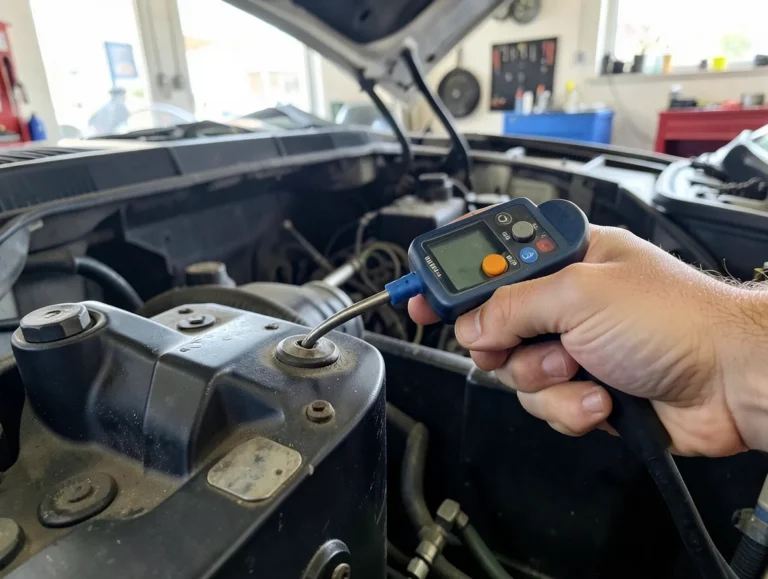
How Much to Paint a Car Hood? Cost by Paint Type & DIY
Painting a car hood costs $150 to $500 for a basic single-color job at a body shop, $500 to $900 for a durable basecoat/clearcoat finish, and as little as $30 to $100 in materials if you spray it yourself.
The size of the swing depends mostly on paint type and labor, not the hood itself – a hood is one of the smaller panels on the car, so most of what you’re paying for is prep work, the number of coats, and whether the new color has to be blended into the fenders. This guide breaks down exactly where that money goes, what a DIY paint job realistically costs in materials, and how much paint a single hood actually needs.
What Affects the Cost to Paint a Car Hood
BEST FOR A DIY HOOD REPAINT
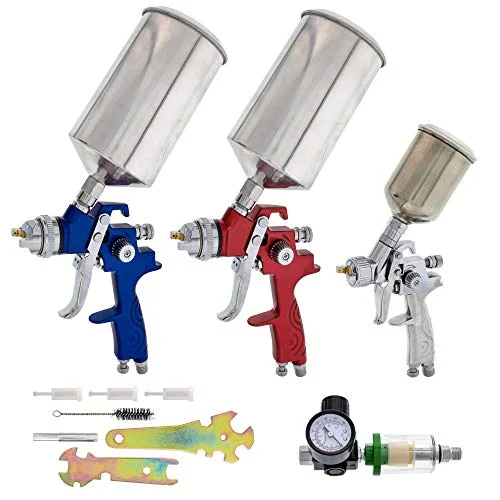 |
TCP Global HVLP Spray Gun Kit – $149.99 A gravity-feed HVLP gun gives a smoother, more even coat than rattle cans if you plan to spray the hood yourself.
|
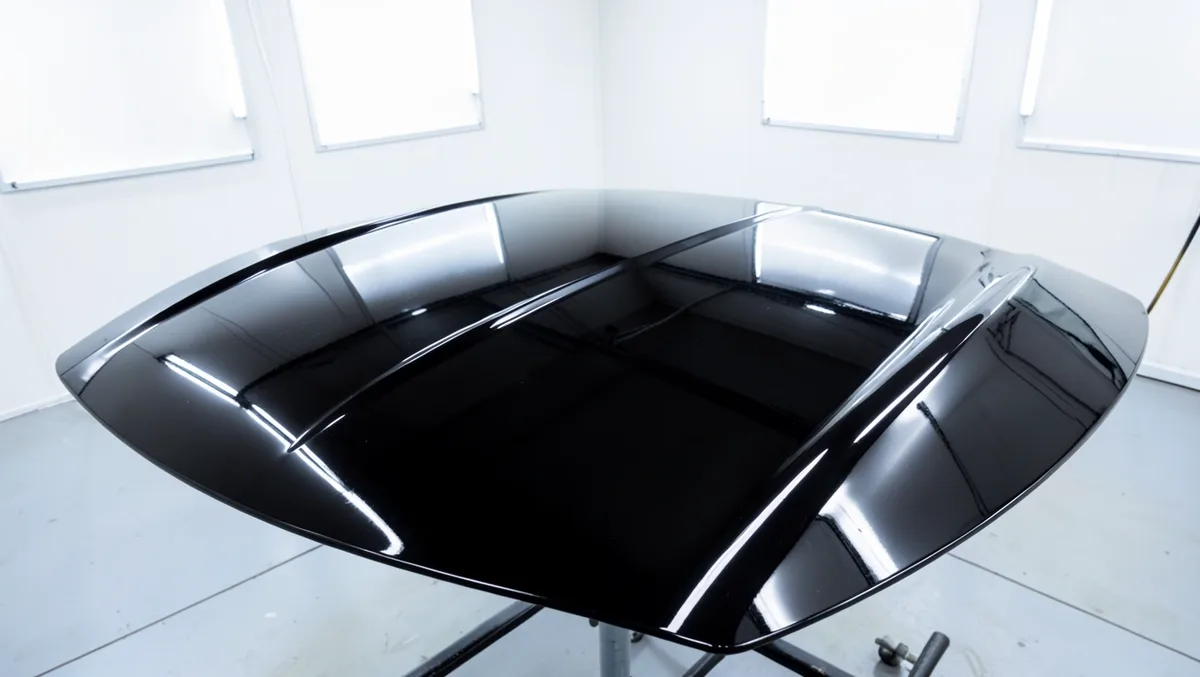
Prep work drives most of the price. A clean, dent-free hood can go straight to primer, but rust, dents, or peeling clear coat all need to be sanded down or repaired before any paint goes on, and that labor usually costs more than the paint itself. A hood with hail damage or a rusted-through corner can easily double the price of what would otherwise be a straightforward respray.
Color matching matters too. If you’re only painting the hood and keeping the rest of the car its original color, the shop has to blend the new paint into the fenders and cowl so the transition isn’t visible – this is especially true with metallic or pearl finishes, where even a slightly off mix will show up under sunlight. Blending can add $100 to $300 to the job, and specialty or discontinued colors push that even higher.
Types of Paint and What They Cost
Acrylic enamel is the budget option, running roughly $200 to $400 in material cost. It sprays on easily and dries fast, which is why it’s popular for DIY jobs, but it fades faster under UV exposure and doesn’t hold up to daily scratches as well as newer paint systems.
Urethane basecoat/clearcoat is what most modern factory paint jobs use, and it’s the standard a body shop will quote you for, typically $500 to $900. The color layer (basecoat) goes down first, then a separate clear layer on top protects it from UV fading and minor scratches. It costs more and takes longer to apply correctly, but it’s the more durable, weather-resistant choice.
Metallic and pearl finishes cost more than either of those on their own because they need more coats for even coverage and almost always require a clear coat over them. They also make blending into the rest of the car trickier, since the metallic flake has to lay down at the same angle and density as the factory paint to avoid a visible seam.
Labor Costs
Labor is usually the bigger half of the bill. Body shop rates run $50 to $150 an hour depending on where you live – expect $120 to $150 an hour in a major metro like Los Angeles, New York, or Chicago, and closer to $75 to $100 an hour in a smaller city or rural shop. A straightforward hood-only respray takes about 3 to 6 hours of labor once you count masking, sanding, spraying, and letting each coat flash off. A job that also needs rust repair, dent work, or fender blending can run 6 to 10 hours.
Hourly Rates
Ask for the shop’s hourly labor rate before you get a quote, not just a flat price – it makes it much easier to compare estimates from different shops. A rate on the low end ($50 to $75/hour) isn’t necessarily a red flag, but it’s worth asking what paint brand and prep steps are included at that price.
Experience Level of the Technician
A shop that specializes in collision and color-match work will usually charge more per hour than a general repair garage that also does paint on the side, and the difference tends to show up in how well the blend matches under direct sunlight. If color match matters to you – say, you’re only painting the hood and keeping the rest of the car – paying more for an experienced painter is usually worth it.
Prep Work and Clear Coat
Surface prep is what separates a paint job that lasts from one that peels within a year. The hood gets washed and degreased first, then sanded to knock down the old clear coat and give the new primer something to grip. Any dents, rust spots, or deep scratches get fixed at this stage – painting over them just seals the problem in and it usually resurfaces later.
Clear coat goes on last, after the color, and it’s what gives the paint its shine and UV protection. On a basecoat/clearcoat job it isn’t optional; skipping it leaves the color layer exposed to fading and chipping almost immediately.
DIY vs. Professional
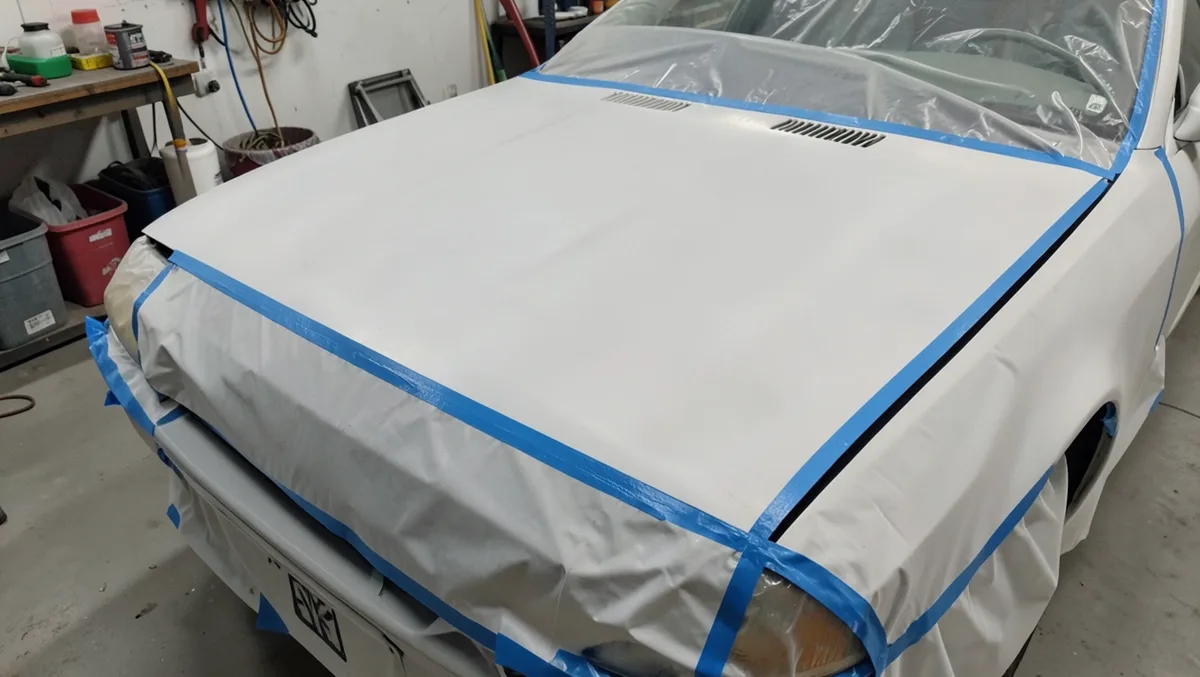
Painting the hood yourself with rattle cans or a spray gun runs about $30 to $100 in materials – primer, basecoat, clear coat, sandpaper, and tape. That’s a fraction of what a shop charges, but the tradeoff is real: without a dust-controlled booth, you’re fighting orange peel, runs, and dust nibs in the finish, and getting an exact color match by eye is genuinely difficult.
A professional job costs $150 to $1,600 depending on paint type, prep needed, and whether blending is involved, but you get a sprayed-in-booth finish, a color-matched result, and usually a warranty on the work. If the hood is the only panel that needs paint and it’s staying the factory color, DIY is a reasonable way to save money. If you’re changing colors or the paint has to blend seamlessly into the rest of the car, a professional is usually the safer bet.
How Much Paint Does a Hood Actually Need?
The hood is one of the larger flat panels on the car, so it needs more paint than a door or fender. As a rough guide for aerosol rattle cans, plan on 1 to 3 cans of primer, 2 to 3 cans of basecoat, and 2 to 3 cans of clear coat to get full, even coverage across the whole panel. If you’re spraying with an HVLP gun instead of cans, roughly 1 quart of basecoat and a reduced quart of clear coat is enough for one hood.
Buying an extra can or two of each product is cheap insurance – running short mid-coat means waiting for a new can to arrive while the panel you already sprayed keeps curing, which can leave a visible line where the fresh paint meets the older layer.
Regional Price Variations
Where you get the work done matters almost as much as what you’re having painted. Shops in big cities charge more per hour because their own rent, insurance, and technician wages are higher, and demand for their time is steadier. Rural and small-town shops usually charge less, partly because their overhead is lower and partly because they’re competing harder for fewer customers.
It’s worth getting one quote from a dealership body shop and one from an independent shop in the same area – dealership paint departments often charge a premium for OEM-matched paint codes, while an independent shop using the same paint brand can come in noticeably lower for the same result.
Cost-Saving Tips
Timing helps. Body shops tend to be slower in late fall and winter, since fewer people are dealing with hail damage or getting cars ready to sell, so some will offer a discount just to keep the bay filled. Summer is usually the busiest and most expensive season to book paint work.
Get at least three quotes and ask each shop exactly what’s included – paint brand, number of coats, whether blending into the fenders is part of the price, and what warranty comes with the work. A lower quote that skips blending or uses a cheaper single-stage paint isn’t actually cheaper if you end up unhappy with the color match.
Estimating Total Cost
For a DIY job: paint runs $50 to $150, primer $20 to $50, and clear coat $30 to $100, plus $10 to $20 per extra can if you need more coverage. Total materials typically land between $110 and $320.
For a professional job: labor at $50 to $150 an hour for 3 to 6 hours puts labor alone at roughly $150 to $900, on top of the shop’s own paint and material costs. That’s why a basic single-color hood repaint quotes around $150 to $500, while a full basecoat/clearcoat job with blending can reach $900 to $1,600. If you want the deeper breakdown – including real shop quotes and what happens when you’re blending into a faded factory color – see our full car hood repaint cost guide. And if you’re deciding between paint and vinyl instead, our car hood wrap cost guide covers that comparison directly.
Frequently Asked Questions
How much does it cost to paint just the hood of a car?
Painting just the hood typically costs $150 to $500 for a basic single-color job, or $500 to $900 for a durable basecoat/clearcoat finish. Custom colors, rust repair, or blending the new paint into the fenders can push the price toward $1,000 to $1,600. Get quotes from at least two or three shops before deciding.
Can you repaint just the hood of a car?
Yes. Shops repaint single panels regularly. The main thing to get right is color matching – a good painter will blend the edge of the new paint into the adjoining fenders so the transition isn’t visible, especially with metallic or pearl colors that are harder to match by eye.
What’s the cheapest color to paint a car?
Solid colors like white, black, and gray are generally the cheapest to paint because they’re simple single-stage or two-stage jobs that don’t require the extra coats or careful blending that metallics and pearls need. Custom or three-stage colors cost more in both material and labor.
How much paint do you need for a hood?
Plan on 1 to 3 cans of primer, 2 to 3 cans of basecoat, and 2 to 3 cans of clear coat if you’re using aerosol cans, or about a quart each of basecoat and reduced clear coat with a spray gun. Buying one extra can of each product helps you avoid running short mid-coat.
Is it cheaper to paint just the hood or the whole car?
Painting just the hood is cheaper up front, but if the rest of the car’s paint is faded or oxidized, the new hood can end up looking noticeably better than the rest of the body, which some owners find worse than leaving it alone. If the paint everywhere else still looks reasonably close in color and condition, a hood-only repaint is the more budget-friendly choice.
Conclusion
A hood repaint runs anywhere from $150 for a basic single-color job to $1,600 or more once blending, rust repair, or a premium paint system is involved, with DIY materials landing at $30 to $100 if you’re comfortable spraying it yourself. Get a few quotes, ask what’s included, and weigh the time you’d spend on a DIY job against what a professional, color-matched finish is worth to you.
Products related to this article
Sponsored / affiliate links. As an Amazon Associate I earn from qualifying purchases. I may earn additional commission from eligible campaigns.
 TCP Global Professional HVLP Spray Gun 1.5mm - Gravity Feed Auto Paint Gun
 Touch Up Paint for Cars, 3-Pack - White Car Scratch Repair Pen, Color Accurate Automotive Touch Up Paint, Long-Lasting Scratch Resistance, Fast-Drying & User-Friendly, Safe & Water-Resistant for Automotive & Household Touch-Ups