Car AC Running But Not Cooling? Quick Checks and Stop Points
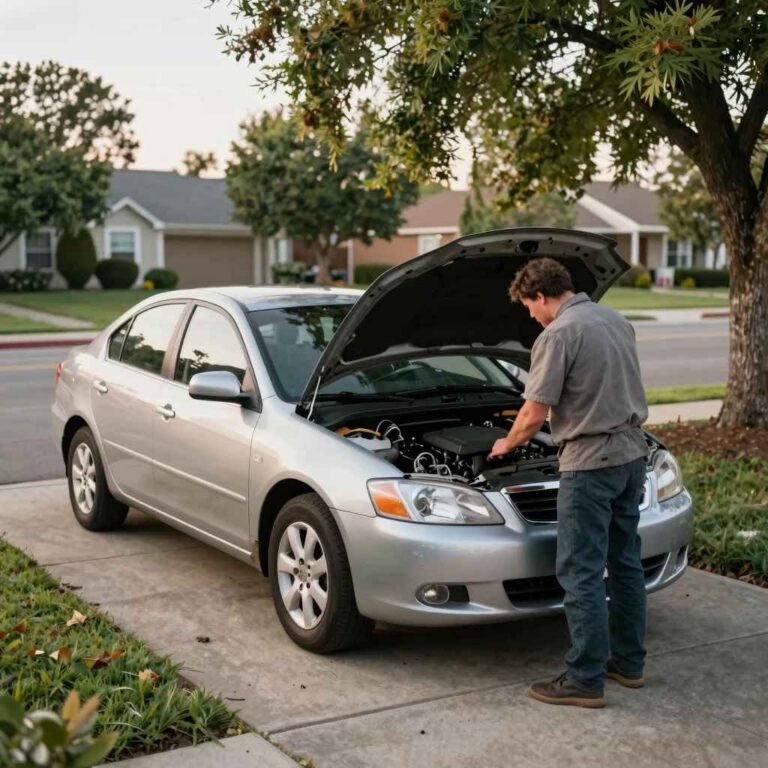
When the car AC runs but the air never gets cold, start with the checks you can do in a driveway: settings, air inlets, the cabin filter, a look at the front of the car, and what the fans and compressor are doing. Anything that involves refrigerant, the compressor or electrical testing belongs to a certified technician. This guide gives you six quick owner checks, then a plain stop-here list so you know when to quit checking and book the repair. It does not repeat our deeper pages on each cause; links to them appear where they fit.
Quick Fixes To Try
Best Vent Temperature Check Pick
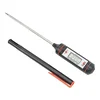 |
Haofy Car Air Conditioner Thermometer, Digital Probe Temperature Meter for Auto AC Vent Checks
|
As an Amazon Associate we earn from qualifying purchases. Spec-based pick from the listing, not a hands-on test.
Work through these in order. They take minutes, cost little, and none of them involve opening the refrigerant system. Before you start, notice whether the air from the vents is weak, warm, or both. Weak air and warm air point to different checks, and that detail will also help a technician later. If you have a vent thermometer, take a reading at the center vent with the engine warm and the fan on its highest setting, then write it down so you can compare later.
1. Check the settings first
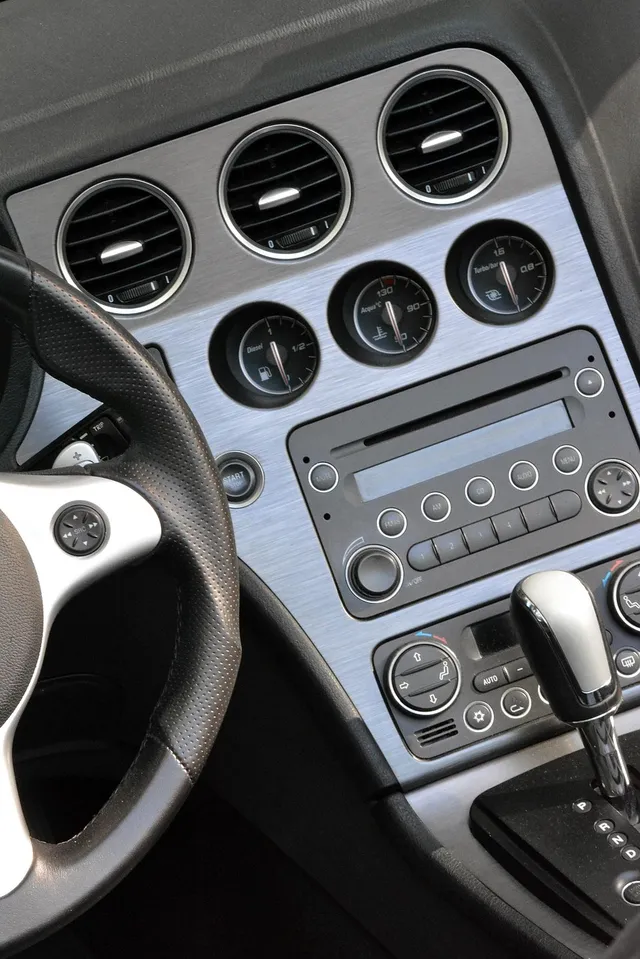
It sounds too simple, but the controls cause more false alarms than parts do. Confirm the A/C button is lit, the temperature is set to cold, and the fan is on. The 2019 Chevrolet Silverado 1500 owner’s manual notes that if the fan is turned off, the air conditioner will not run. Then try the recirculation button. That manual says recirculation moves cabin air through the system to cool the inside of the vehicle quickly, and the 2017 Mazda3 manual says the same about recirculate mode for quick interior cooling. If the car has been parked in direct sun, the Mazda manual suggests opening the windows to let the hot air out before you run the climate control.
2. Clear the air inlets at the base of the windshield
Outside air enters through an opening between the hood and the windshield. The Silverado manual tells owners to clear ice, snow or leaves from the air inlets at the base of the windshield that could block the flow of air into the vehicle, and the Mazda3 manual says to clear leaves and other obstructions from the hood and the air inlet in the cowl grille to improve system efficiency. After a season under trees, this is worth a look. Remove loose leaves by hand with the engine off.
3. Look at the cabin air filter
The cabin filter sits in the air path to the vents. The Silverado manual says the passenger compartment air filter reduces dust, pollen and other airborne irritants from outside air, and that it should be replaced as part of routine scheduled maintenance. On that truck it is reached by removing the lower glove box door. Locations differ by vehicle, so use your own owner’s manual. If the filter is packed with dirt or leaves, replace it. Our pages on how often to change the cabin air filter and the best cabin air filters can help you choose one. Be realistic about what this check can do: a filter is not a refrigerant part, so a new one will not fix warm air by itself.
4. Look at the front of the car
Sanden, a maker of A/C compressors, lists dirty or restricted airflow over the condenser as a cause of poor heat transfer, which raises compressor discharge pressure. In plain terms, if air cannot pass freely through the condenser, the system struggles to shed heat. With the engine off and cool, shine a flashlight through the grille at the front of the car and look for leaves, plastic bags or packed debris. Pull out what you can reach by hand. Do not scrape at the fins or push anything into them. If the fins look bent or clogged with dirt you cannot lift off, that is a shop visit. Our guide to cleaning a car AC condenser covers the cleaning side.
5. Watch the fans and listen for the compressor
With the engine running and the A/C on, the electric cooling fans at the front of the car should be working. The Silverado manual says its electric fans may change to high speed with A/C operation, that more fan noise is normal, and that the fans may even run after the engine is off. A fan that never runs while the engine is hot is not normal. The Mazda3 manual says that if the cooling fan does not operate while the engine is running, engine temperature will increase, and the owner should stop the engine and call an authorized dealer.
Fan safety matters here. The Mazda manual warns that working near the cooling fan when it is running is dangerous, because the fan could continue running indefinitely even if the engine has stopped. Keep hands, hair and loose clothing away from it.
The compressor clutch is the next thing to know about. Sanden’s guide describes it as an electromagnet that locks an armature plate to the rotor so the compressor shaft turns when the A/C is switched on. Sanden’s guide lists the reasons a clutch will not engage: no voltage to the coil, a broken relay, an activated coil thermal fuse, a short-circuit diode, or a poor electrical connection at the compressor terminal. Testing any of those is electrical diagnosis, so if the clutch never engages, stop here and book a technician. Do not jump or bypass anything.
6. Compare idle with driving
Note whether the air is cold on the highway but warm at a stoplight, or the other way around. That single detail narrows the search for the shop. Cooling that fades at idle and returns at speed leans toward the airflow and fan items above, and our page on AC that gets warm when you stop goes through it. If the engine stumbles whenever the A/C comes on, that is a different problem covered in why a car stalls when the AC is on.
Diagnosing The Problem
Use this table to match what you see with the most sensible next step. It is a sorting tool, not a diagnosis.
| What you notice | What to check yourself | Stop here and call a technician if |
|---|---|---|
| Weak airflow at every vent | Fan speed, recirculation, air inlets at the windshield base, cabin filter | The blower does not run on any speed, or you hear scraping from the dash |
| Fan is strong but the air is warm at all times | A/C button lit, temperature set cold, front-of-car debris | The compressor clutch never engages, or you suspect low refrigerant or a leak |
| Cold on the highway, warm in traffic | Debris in front of the heat exchangers, whether the cooling fans run | A cooling fan does not run, or the temperature gauge rises |
| Cold, then warm, then cold again | Note how often it cycles and at what speed | The pattern repeats; a cycling fault can be electrical or refrigerant-related |
| Hot air from the vents | Temperature knob and mode settings | It stays hot after the settings are correct; see our page on hot air from car vents |
For the full list of causes behind hot air at the vents, see why hot air comes out of car vents. For the system overview, our car AC trouble guide is the hub page.
When To Seek Professional Help
Owner checks end where the refrigerant circuit begins. Here is the stop-here list. If any item applies, stop checking and book a certified technician.
- The compressor clutch never engages. Sanden’s list of causes is electrical: coil voltage, relay, thermal fuse, diode, or a poor connection.
- A cooling fan is not running with the engine hot or the temperature gauge climbing.
- You suspect low refrigerant or a leak. The Mazda3 manual says a lack of refrigerant may make the air conditioner less efficient and that the refrigerant type is on a label inside the engine compartment; using the wrong type could cause a serious malfunction.
- The system cuts out on its own. Sanden notes that high and low pressure cutoffs make the system inoperable when a severely abnormal condition develops. That is the system protecting itself, so do not try to override it.
- You hear grinding, squealing or a loud rattle from the compressor area when the A/C is switched on.
- Any engine overheating warning appears. Turn the A/C off, pull over safely and follow your owner’s manual.
Why the line is drawn there: EPA says that when payment of any kind is involved, anyone working on a motor vehicle A/C system must be certified under section 609 of the Clean Air Act and use approved refrigerant handling equipment, and refrigerant cannot be intentionally released into the air. The Silverado manual adds that venting refrigerant is harmful to the environment and may create unsafe conditions from inhalation, combustion, frostbite or other health concerns. You can read the EPA rules for MVAC servicing yourself.
Before you book, write down what you found: the vent temperature if you measured it, whether the fans ran, and when the problem shows up. To see what a failed compressor involves, read what causes a car A/C compressor to fail.

Preventive Measures
A few habits reduce the chance of a surprise on the first hot day. The Mazda3 manual recommends running the air conditioner for about 10 minutes at least once a month and having it checked before the weather gets hot. It also suggests keeping the hood and cowl air inlet clear of leaves. The Silverado manual says to clear debris from the air intakes between the hood and windshield when washing the vehicle, and that the air conditioning system requires periodic maintenance per the maintenance schedule.
Keep the cabin filter on the replacement schedule in your own manual. Our air filter roundup helps with choosing parts.
This guide does not cover repair prices or refrigerant pressures; ask a certified technician for an estimate and a diagnosis for your specific vehicle. Always follow the owner’s manual for your car, and see the Mazda3 manual page and the Silverado manual for examples of how makers describe these checks.
Frequently Asked Questions
Why Is My Car AC Running But Not Cooling?
Several different faults look the same from the driver’s seat: a setting or airflow problem, a blocked air inlet or filter, poor airflow at the front of the car, a cooling fan that is not running, a compressor clutch that is not engaging, or a refrigerant problem. The quick checks above rule out the simple causes. Refrigerant and compressor faults need a certified technician.
Can I Recharge My Car AC Myself?
This guide gives no recharge steps. The 2019 Chevrolet Silverado 1500 owner’s manual says the refrigerant system should only be serviced by trained and certified technicians, and EPA says anyone who services a vehicle A/C system for payment must be certified under section 609 of the Clean Air Act and use approved equipment. Refrigerant also must not be vented. See where refrigerant goes in a car for background.
Can a Dirty Cabin Air Filter Stop the AC From Cooling?
A filter is not a refrigerant part, so it is not the usual reason for warm air, but it is cheap and quick to check. The 2019 Silverado manual says the filter should be replaced as part of routine scheduled maintenance. Sanden’s A/C compressor guide lists dirty or restricted airflow over the evaporator as a condition that changes how the system behaves. See does an air filter affect car AC performance.
Why Does My Car AC Only Cool While I Am Driving?
Poor cooling at idle that improves at speed points toward airflow at the front of the car, such as the cooling fans or a restricted condenser. Sanden’s guide lists restricted airflow over the condenser as a cause of high discharge pressure. Our guide to why car AC gets warm when you stop covers that symptom in detail.
Is It Safe to Keep Driving With the AC Not Cooling?
Warm air alone is a comfort problem, not a safety problem. An engine temperature warning is different. The 2017 Mazda3 manual says to pull over, turn the air conditioner off and check for coolant or steam, and to stop the engine and call a dealer if the cooling fan does not run while the engine is running.
Conclusion
A running A/C that does not cool is not always a refrigerant problem. Check the settings, the air inlets, the cabin filter and the front of the car, and note what the fans are doing. When the clutch will not engage, a fan is dead, or you suspect low refrigerant, hand it to a certified technician.
Products related to this article
Sponsored / affiliate links. As an Amazon Associate I earn from qualifying purchases. I may earn additional commission from eligible campaigns.