Are Baby Car Seat Covers Safe: Proven Protection
Yes, baby car seat covers can be safe and effective for protecting your little one from the elements, as long as they are designed and used correctly. We’ll explore what makes them safe and how to choose the right one.
As a new parent, keeping your baby comfortable and protected is always top of mind. You’ve got the car seat installed, the stroller ready, and then you start seeing them everywhere: those cute, often colorful covers for baby car seats. They seem like a great idea for shielding your little one from sun, wind, or chilly weather. But a big question often pops up, and it’s a super important one: are baby car seat covers actually safe for my baby? It’s natural to worry about anything that goes near your precious cargo. Rest assured, with the right information, you can make a confident choice. We’re here to break down exactly what you need to know about car seat cover safety, so you can decide if they’re the right fit for your family.
Understanding Baby Car Seat Covers: What Are They For?
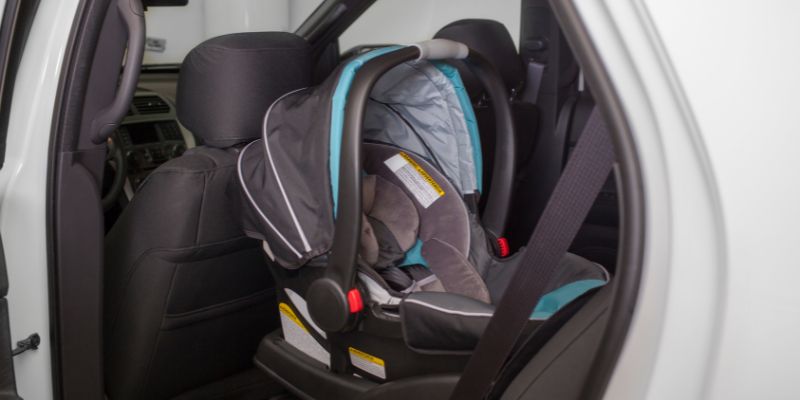
Baby car seat covers are essentially outer layers designed to fit over your infant carrier or convertible car seat. Their primary purpose is to provide a barrier against environmental factors. Think of them as a breathable, protective shield for your baby while they are in their seat. They’re not meant to be anything a baby sleeps in or is covered with directly once you’re inside a warm car. Instead, they offer a quick solution for those in-and-out moments of travel, like getting from the car to the house or to a shop.
These covers come in a variety of styles and materials:
- Standard Covers: These are typically made from fabric (like cotton or fleece) with openings for the car seat handle, and sometimes a clear window to peek inside. They are great for a light barrier.
- All-Weather Covers: Made from thicker, often waterproof or windproof materials, these offer more robust protection against rain, snow, and strong winds.
- Nursing Covers: While not strictly car seat covers, some stretchy multi-use covers can function as both a nursing cover and be draped over a car seat.
- Mosquito Netting Covers: These are designed with fine mesh to keep insects away while allowing for good airflow.
The Big Question: Are Baby Car Seat Covers Safe?
The safety of baby car seat covers is a topic that gets a lot of attention from parents and safety experts alike. The core concern is whether these covers interfere with the car seat’s ability to protect a child in a crash. Reputable sources like HealthyChildren.org, the official site of the American Academy of Pediatrics, emphasize that anything added to a car seat that isn’t part of its original design can potentially compromise safety. This is because car seats are rigorously tested with only the manufacturer’s approved accessories.
However, there’s a crucial distinction: when used correctly, many car seat covers are considered safe. The key is understanding what “correctly” means and what to avoid.
What Makes a Car Seat Cover Potentially Unsafe?
The primary risks associated with car seat covers stem from improper use or design flaws that can alter how the car seat functions:
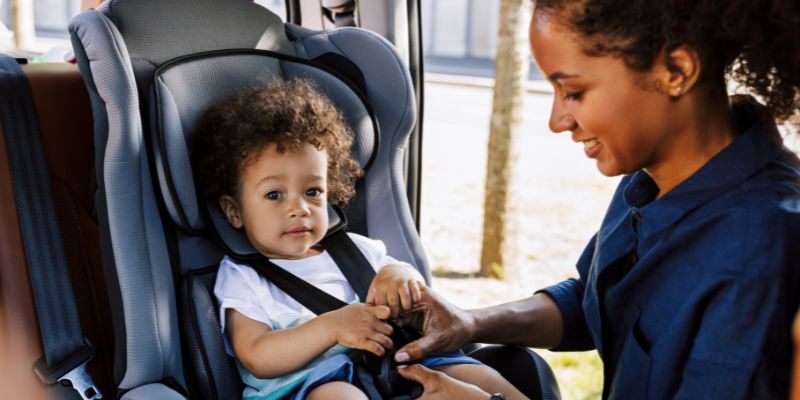
- Interference with Harness Straps: Any cover that goes under the baby or behind the baby within the harness system can prevent the straps from tightening properly. This is the biggest safety NO. The harness needs to be snug against the baby’s body.
- Adding Bulk: Bulky materials or aftermarket padding placed inside the car seat can create too much space between the baby and the harness, making it impossible to achieve a secure fit.
- Covering Ventilation: Some covers, especially those meant to be snug, might block essential ventilation slots in the car seat, leading to overheating, which can also be a safety risk for infants.
- Flammable Materials: If a cover isn’t made from flame-retardant materials that meet safety standards, it poses a fire hazard.
- Obstructing Visibility: Covers that completely enclose the car seat without proper, safe openings can hinder your ability to monitor the baby and ensure they are breathing comfortably.
When Are Car Seat Covers Considered Safe?
When chosen and used thoughtfully, many car seat covers are perfectly safe. Here’s what defines safe usage:
- Covers That Go Around, Not Through: Safe covers are designed to drape over the outside of the car seat shell and canopy, leaving the harness and straps completely free and unobstructed. They do not interfere with the baby’s positioning or the harness system in any way.
- Manufacturer-Approved Accessories: Some car seat manufacturers offer their own branded covers and accessories. These are generally considered safe because they have been tested and approved to work with their specific car seats.
- Breathable and Lightweight Materials: Safe covers are typically made from soft, breathable fabrics like cotton or lightweight fleece that don’t trap too much heat and allow for airflow.
- Proper Fit: A safe cover fits snugly around the exterior of the seat without being so tight that it compromises the carrier’s structure or the canopy’s function.
- Clear Visibility: Many safe designs include a flap or window that can be opened to check on the baby without removing the entire cover.
Types of Car Seat Covers and Their Safety Implications
Let’s dive into specific popular types of car seat covers and assess their safety:
1. All-Weather Covers (e.g., Fleece, Waterproof)
| Type | Description | Safety Considerations | Best For |
|---|---|---|---|
| All-Weather Covers | Drape over the car seat to protect from wind, rain, snow, and cold. Often made of fleece, waterproof nylon, or similar materials. Usually have openings for the handle and sometimes a flap for visibility. | Must not be tucked under the baby or interfere with harness straps. Ensure good airflow. Check if the material is breathable and flame-retardant. Avoid covers that completely seal the seat. | Cold, windy, or rainy weather travel in and out of the car. |
These are generally safe to use for their intended purpose: providing an external barrier. The critical rule is that they must go over the car seat without being positioned between the baby and the harness. Look for those with secure fastenings that keep them in place without needing to be tucked anywhere that could affect the seat’s integrity.
2. Summer/Sun Covers
| Type | Description | Safety Considerations | Best For |
|---|---|---|---|
| Summer/Sun Covers | Lightweight, often UPF-rated fabric covers designed to block sun rays and keep the car seat from getting too hot. May have mesh panels for ventilation. | Must not block airflow or be placed under the baby. Ensure UPF rating is genuine. Mesh panels are good for visibility and ventilation. | Hot and sunny weather, particularly when the car is parked in the sun. |
These can be beneficial in sunny climates. Prioritize covers with excellent ventilation and those that can be easily removed once you are inside the car. The goal is to prevent overheating when parked and to offer shade during travel. Again, the harness area must remain completely clear.
3. Mosquito Net Covers
| Type | Description | Safety Considerations | Best For |
|---|---|---|---|
| Mosquito Net Covers | Fine mesh covers that fit over the car seat to protect from flying insects while allowing maximum airflow. | Ensure the mesh is durable and doesn’t have large holes. Must fit snugly around the exterior and not interfere with harness or visibility. | Areas with high insect activity, especially during warmer months. |
Mosquito netting is typically breathable and safe, as it’s designed to provide a physical barrier against insects without impeding air circulation. However, it’s essential to check that the fit doesn’t create any pressure points or obstruct any part of the car seat’s structure, and that the mesh is fine enough to be effective.
4. Multi-Use Covers (e.g., Stretchy Wraps)
Many parents love these stretchy, often infinity-scarf-style covers because they serve multiple purposes – nursing cover, shopping cart cover, and car seat cover. They are generally safe for car seat use when:
- They are draped loosely over the exterior of the car seat and canopy.
- They are not tucked under the baby or anywhere near the harness.
- There is ample airflow, and the baby can be easily seen.
The risk here is that their very versatility might lead to them being used incorrectly. Always prioritize the car seat’s safety features over the convenience of a multi-use item if there’s any doubt. As a reminder from the National Highway Traffic Safety Administration (NHTSA), only use accessories specifically approved by your car seat manufacturer.
Choosing the Safest Car Seat Cover: A Parent’s Guide
When you’re out shopping for a car seat cover, keeping safety front and center is key. Here’s a checklist to help you make a smart choice:
Key Features to Look For:
- Harness-Safe Design: The absolute most important feature. Look for covers that are specifically designed to drape over the outside of the car seat shell and canopy. They should not have any part that tucks under the baby or interferes with the harness straps.
- Manufacturer Approval: If your car seat brand offers a specific cover, that is often the safest bet. Check your car seat manual or the manufacturer’s website.
- Breathable Fabric: Opt for materials like cotton, bamboo blends, or lightweight, breathable synthetics. These help prevent overheating.
- Adequate Ventilation: Safe covers will have openings or mesh panels that allow air to circulate freely.
- Secure Fastenings: Look for Velcro, snaps, or elastic that securely attach the cover to the outside of the car seat without being too tight.
- Visibility Window/Flap: A cover with a flap or clear window allows you to easily check on your baby without removing the entire cover.
- Flame Retardant Materials: Inquire about the materials used. Reputable brands will be transparent about this.
What to Absolutely Avoid:
- Covers that go under the baby.
- Covers that interfere with the harness straps or buckle.
- Bulky or Puffy Covers: These can create unsafe gaps.
- Covers that significantly alter the car seat’s shape or intended function.
- Aftermarket padding or insert that is not part of the original car seat.
- Anything that blocks ventilation without a safe alternative.
Proper Usage: Ensuring Ongoing Safety
Even the safest cover can become a hazard if used incorrectly. Here’s how to ensure you’re always using your car seat cover the right way:
- Read Both Manuals: Familiarize yourself with your car seat’s manual (especially the section on accessories) and the car seat cover’s instructions.
- Position Properly: Always drape the cover over the exterior of the car seat. Ensure no part of the cover is tucked underneath your baby or between the baby and the harness straps.
- Check Harness Fit: Every single time you place your baby in the car seat, check the harness fit. You should not be able to pinch any webbing between your fingers at the baby’s collarbone. If the cover prevents a snug fit, remove it.
- Monitor for Overheating: Especially in warmer weather or if the cover is for all-season use, regularly check your baby’s temperature to ensure they aren’t getting too warm. A quick check at the back of their neck is a good indicator.
- Ensure Visibility: Make sure you can always see your baby clearly and that the cover isn’t obstructing their airway or your view of them.
- Remove When Not Needed: Once you are inside a climate-controlled environment (home, mall, etc.), it’s often best to remove the cover. This prevents overheating and ensures the car seat is functioning exactly as designed.
Pros and Cons of Using Baby Car Seat Covers
Like any baby gear, car seat covers have their advantages and disadvantages:
Pros:
- Protection from Elements: Shields babies from sun, wind, rain, snow, and cold.
- Maintains Comfort: Helps keep the car seat at a more comfortable temperature, especially before the car’s climate control kicks in.
- Hygiene: Can offer a layer of protection against dirt or germs when out and about.
- Privacy: Some covers provide a shaded, quiet space that can help fussy babies relax.
- Style and Personalization: Many attractive designs are available to personalize your car seat carrier.
Cons:
- Potential Safety Risks: If not designed or used correctly, can compromise the car seat’s safety features (most significant con).
- Overheating Risk: Some materials may not be breathable enough, leading to overheating.
- Obstructed Vision/Access: Can make it harder to see or access the baby.
- Added Bulk: Can sometimes be difficult to store or manage when not in use.
- Cost: Good quality, safe covers can be an additional expense.
Frequently Asked Questions (FAQ)
Q1: Can I use a blanket with my baby’s car seat?
A: While a lightweight blanket can be used loosely over your baby (never under them or the harness), it’s crucial to be aware that bulky blankets or comforters inside the car seat area can be dangerous. Stick to thin layers or use a car seat cover designed to drape over the outside of the seat.
Q2: Are those “baby cocoon” or “winter bootie” car seat covers safe?
A: Generally, car seat manufacturers advise against “cocoons” or similar inserts that add significant bulk or alter the car seat’s structure. If the cover is integrated and specifically designed by the car seat manufacturer, it may be approved. Always check your car seat manual first. Anything that prevents a snug harness fit is a definite no-go.
Q3: What about aftermarket car seat strap covers?
A: Never add aftermarket covers or padding to the car seat harness straps themselves. These straps are designed to be close to the baby’s body. Adding anything there can prevent the harness from being properly tightened, which is critical for safety in a crash.
Q4: My car seat cover has a zipper to open it up. Is that safe?
A: A full zipper opening can be a mixed bag. If the zipper is on the front and designed to be opened for ventilation or visibility while the baby is secured, it might be okay if it doesn’t interfere with the harness. However, many experts caution against covers that create a fully enclosed space, even with a zipper, as they might still impede airflow or make it difficult to check on the baby’s breathing. Prioritize designs that offer ample, unobstructed ventilation and visibility.
Q5: How do I know if my car seat cover is safe?
A: A safe car seat cover will be designed to drape only over the outside of the car seat shell and canopy, leaving the harness straps and buckle completely unobstructed. It should not have any part tucked under the baby or be too tightly fitted to the point of altering the seat’s structure. Breathability and ease of visibility are also key indicators of a safe design.
Q6: Can I use a stroller bunting bag with my infant car seat instead of a car seat cover?
A: Similar to car seat covers, stroller bunting bags are designed for strollers, not car seats. They often add too much bulk and can interfere with the car seat’s harness system. It’s best to use accessories specifically designed for car seats or skip them altogether if they compromise safety. If you need warmth, a lightweight blanket draped loosely over the baby (not under the harness) is preferable.
Conclusion
Navigating the world of baby gear can feel overwhelming, but when it comes to car seat covers, the main takeaway is simple: safety first. The good news is that many car seat covers are indeed safe and can offer valuable protection from the elements, provided they are chosen and used with care. Always prioritize designs that fit over the exterior of the car seat and never, ever allow any part of the cover to interfere with the car seat’s harness system or the snug fit of the straps. By following the guidance on what to look for and what to avoid, you can