How To Jack Up A Car Safely (Step-By-Step For Beginners)
To safely jack up a car, first locate the reinforced jack points on the vehicle’s frame. Always use a stable, level surface. Use a jack rated for your car’s weight and engage the parking brake and wheel chocks.
Lift slowly, placing jack stands for support before working on the car. Never rely solely on the jack.
Understanding the Jacking Process
Jacking up a car means lifting one end or side of it. This gives you room to work underneath or access the wheels. It’s a common task for fixing a flat tire.
It’s also needed for rotating tires or doing other small repairs. Understanding how your car is built helps a lot. Every car has specific strong spots.
These are called jack points. They are made to handle the weight.
Using the wrong spot can hurt your car. It might even cause the car to fall. That’s why knowing where to place the jack is key.
It’s not just about lifting the car. It’s about lifting it in a way that keeps everyone safe. We need to think about weight, balance, and stability.
These are the core ideas behind safe jacking.
My First Time Jacking Up a Car
I remember the first time I had to change a tire. It was on a busy street. My heart was pounding.
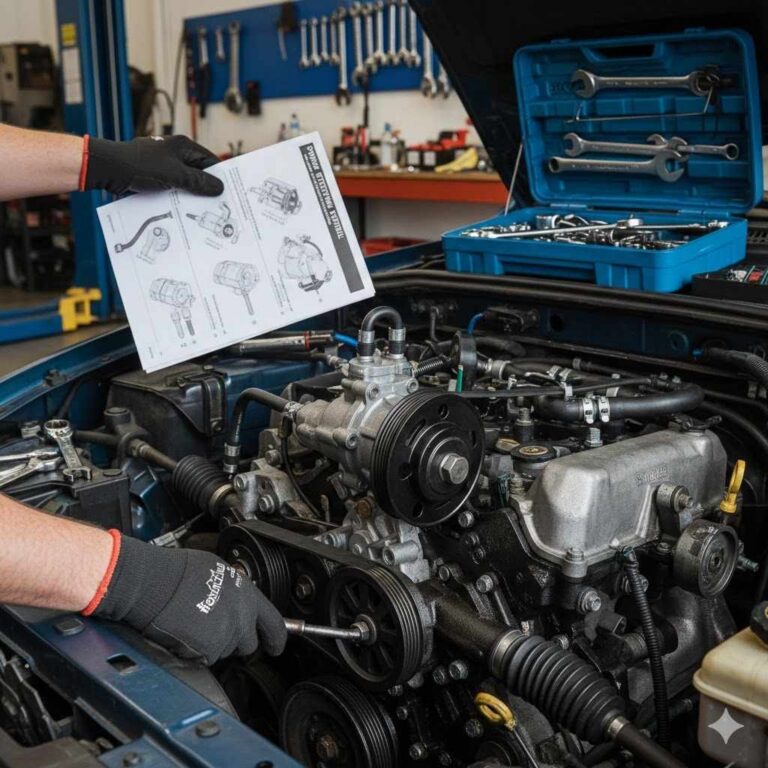
The spare tire was in the trunk. The jack was tucked away. I pulled out the owner’s manual.
It felt like a foreign language. I found the part about jacking. It showed a diagram of the jack points.
I found a sturdy-looking metal ridge under the car. It felt right. I started cranking the jack.
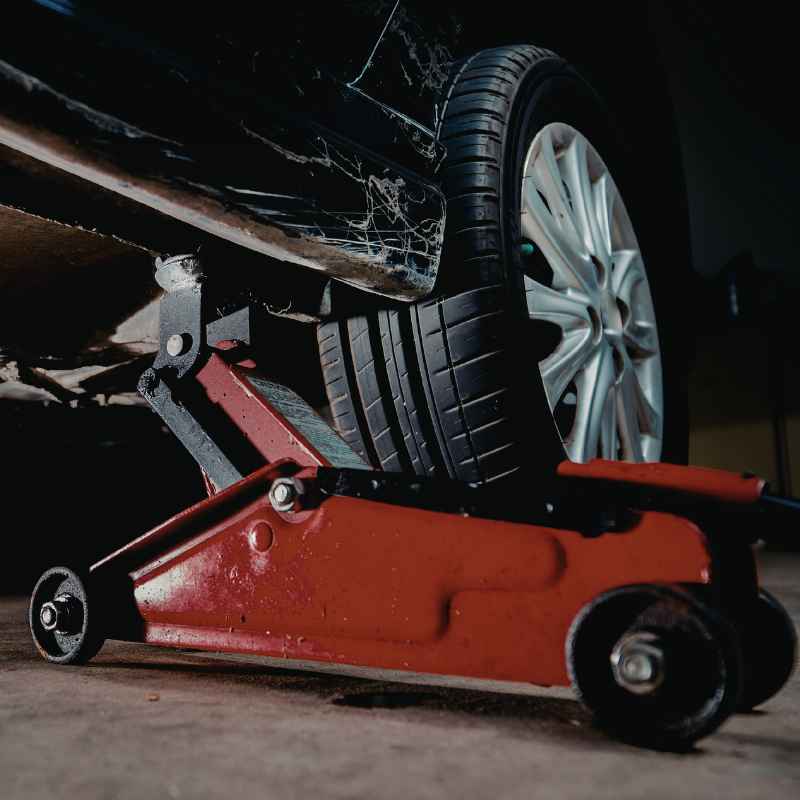
The car slowly lifted. It felt so weird seeing the wheel lift off the ground. I quickly put the jack stand under.
It felt much safer then. That day taught me a lot about being prepared and trusting the process.
Essential Tools for Safe Jacking
You’ll need a few things. Make sure they are in good shape. A car jack is the main tool.
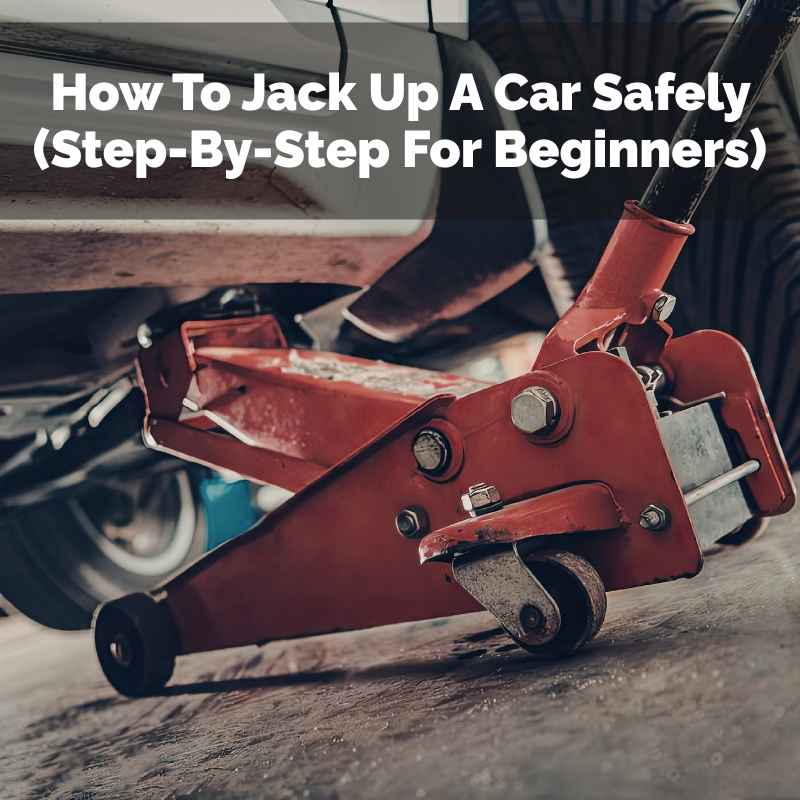
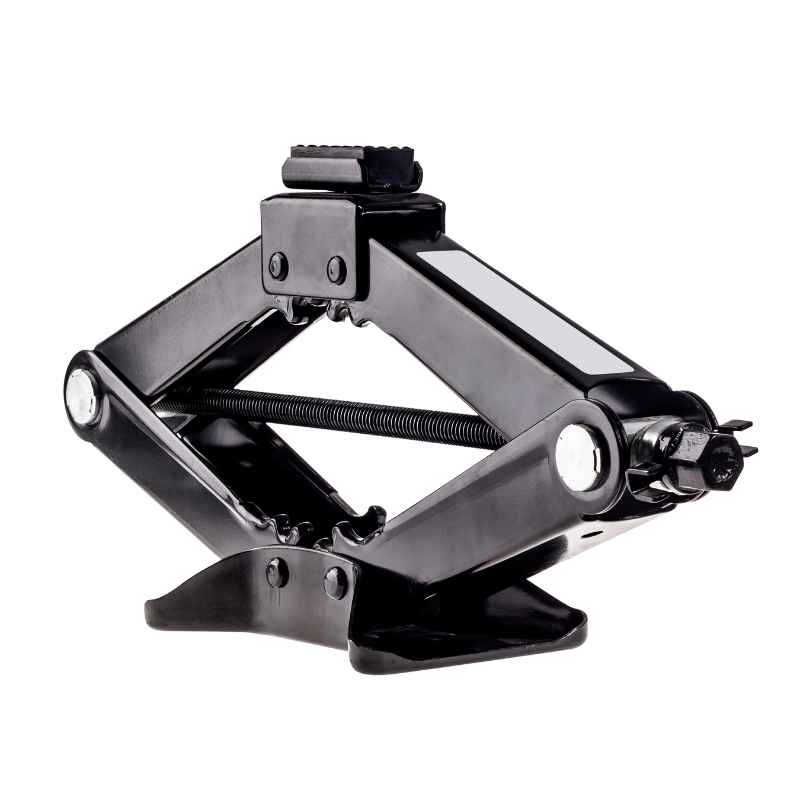
There are different types. Floor jacks are common. Scissor jacks come with many cars.
A jack stand is vital. It holds the car up. Never get under a car on just a jack.
Wheel chocks stop the car from rolling. You can use bricks if you don’t have chocks. Thick gloves protect your hands.
A flashlight helps if it’s dark.
Choosing the Right Jack and Jack Stand
Your car has a weight limit. Your jack must be strong enough. Check the weight capacity on the jack.
It should be more than your car’s weight. A standard car weighs about 3,000 to 4,000 pounds. Most car jacks can handle this.
Floor jacks are easier to use. They roll easily. Scissor jacks are small.
They fit in tight spaces. But they can be harder to use. For a full comparison of jack types and how to pick the right weight capacity, see our jack for car lift buying guide.
Jack stands are your safety net. They prevent the car from falling. They also have weight limits.
Make sure they match your jack’s power. Look for sturdy ones. They should have a wide base.
This makes them stable. Always use two jack stands. One for each side you lift.
This spreads the load.
Finding Your Car’s Jack Points
This is super important. Your car’s frame is strong. But only in certain spots.
These are the jack points. They are usually metal edges. They are reinforced to hold weight.
You can find them in your owner’s manual. It will have a diagram. Most cars have them on the side frames.
Near the front and rear wheels. Some trucks have them on the axle.
If you can’t find them, look for them. They are often a small notch. Or a thickened area of metal.
Never place the jack on plastic parts. Or on the floor pan. That’s the bottom sheet metal.
It’s not strong. It can bend or break. Damaging your car’s frame is serious.
It can be costly to fix.
Jack Points Explained
- Owner’s Manual: Your best resource for exact locations.
- Frame Rails: Look for reinforced metal along the sides.
- Notches or Lifts: Small markers often indicate the correct spot.
- Avoid: Plastic body panels, the oil pan, or suspension parts.
Preparing the Vehicle and the Area
Safety starts before you lift. First, find a good spot. It needs to be flat and solid.
Avoid soft ground like dirt or grass. If you’re on a slope, don’t do it. The car could roll.
A level driveway or garage floor is ideal. Make sure there’s enough light. If it’s dark, use a good flashlight.
Next, turn off the engine. Put the car in park. Or in first gear if it’s a manual.
Engage the parking brake fully. This is crucial. Then, place wheel chocks.
Put them on the wheels opposite the end you’re lifting. If you’re lifting the front, chock the rear wheels. If you lift the rear, chock the front.
Use two chocks per wheel if you can. This adds extra security.
The Step-by-Step Jacking Process
Here’s how to actually lift the car. It’s a careful process. First, get your tools ready.
Place them near where you’ll work. Position the jack under the correct jack point. Make sure it’s stable.
Lift the jack slightly. Just enough to touch the jack point. Double-check it’s centered.
Now, start lifting. Crank the jack slowly. Watch the car rise.
Lift it just enough. You need space for your jack stand. Place the jack stand under a strong point.
Near the jack point is usually best. Lower the car onto the jack stand. Make sure it’s secure.
You can remove the jack now. Or leave it there as a backup. But the stand is the main support.
Quick-Scan Jacking Steps
| Step | Action |
|---|---|
| 1 | Find a level, solid surface. |
| 2 | Engage parking brake and put car in park/gear. |
| 3 | Place wheel chocks on opposite wheels. |
| 4 | Position jack under the correct jack point. |
| 5 | Lift car until there’s space for jack stand. |
| 6 | Place jack stand under a strong frame point. |
| 7 | Lower car slowly onto the jack stand. |
Lowering the Vehicle Safely
Lowering is the reverse of lifting. But it needs just as much care. Lift the car slightly off the jack stand.
Just enough to remove the stand. Do this slowly and carefully. Now, slowly lower the car.
Use the jack’s release valve. Turn it gently. Let the car down smoothly.
Never let it drop quickly.
Once the wheel is on the ground, remove the jack. Take out the wheel chocks. Check that everything is tight if you were working on something.
Like lug nuts. Then, give yourself a pat on the back. You just safely jacked up a car.
When Lifting the Front vs. Rear
Cars are heavier in the front. The engine is there. So, lifting the front might take more effort.
You might need a stronger jack for the front. Always check your car’s weight distribution. The owner’s manual often lists this.
When lifting the rear, you usually need to support the differential. Or specific points on the rear axle.
The principle is the same. Find the correct jack points. Use jack stands.
Be mindful of weight. If you’re unsure, look it up. Or ask someone who knows.
It’s better to be safe. Taking your time is important. Especially when you are new to this.
Lifting Front vs. Rear: Key Differences
- Front: Engine weight concentrated here; may require a higher lifting capacity jack.
- Rear: Support often at the differential or axle beam; ensure jack stands are positioned securely.
- Weight Distribution: Always consider how your car’s weight is balanced.
Common Mistakes to Avoid
People make mistakes. It’s human. But some mistakes are dangerous.
One big mistake is using the wrong spot. We talked about jack points. Don’t skip this.
Another mistake is not using jack stands. Ever. The jack alone is not safe.
Especially if you need to get under the car. Or if you bump it.
Uneven ground is another trap. A slight tilt can cause the car to slip. Soft ground can make the jack sink.
Always check your setup. Make sure the car is stable. Rushing is a common mistake too.
Take your time. Every step matters. Check your work before you get under the car.
What If Your Car Is Heavy?
Larger vehicles like SUVs and trucks are heavier. They need special care. You need a jack with a higher lifting capacity.
Check the vehicle’s gross vehicle weight rating (GVWR). Your jack and jack stands must exceed this. A low-profile floor jack might not lift high enough for some trucks.
You might need a high-lift jack.
Jack points on trucks can be on the frame rails. Or sometimes on the axles. Again, the owner’s manual is your friend.
Don’t guess. For very heavy vehicles, professional help might be best. If you’re not sure, it’s okay to call a mechanic.
For Heavier Vehicles
Check GVWR: Know your vehicle’s total weight capacity.
Heavy-Duty Jack: Ensure your jack can handle the load.
Sturdy Jack Stands: Their capacity must also be sufficient.
Manual Check: Always consult your owner’s manual for specific points.
Professional Help: If in doubt, seek expert assistance.
Can I Use a Car Ramp Instead?
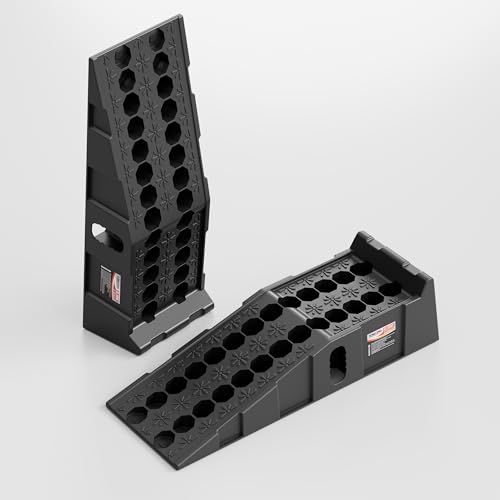
Yes, car ramps are a great option. They are often simpler. And safer for some tasks.
You just drive the car onto the ramps. This lifts the front or rear. They are good for oil changes.
Or other work where you don’t need to remove wheels. Ramps are usually very stable.
However, you can’t remove wheels when using ramps. This is because the ramps support the car. If you need to take a wheel off, you’ll still need a jack and jack stands.
Ramps are best for tasks where the wheels stay on. And where you don’t need to lift the car super high.
Maintaining Your Jack and Stands
Your tools need care too. Keep your jack clean. Wipe off dirt and grease.
Check the hydraulic fluid. If it’s a hydraulic jack, make sure it’s full. Your owner’s manual can tell you how.
Inspect the jack’s seals. Look for leaks. If you see any, get it repaired.
Or replace the jack.
For jack stands, check for bending or cracks. Make sure the locking pins work. Rust can be an issue.
Clean off any rust. And apply a light coat of oil. Store them in a dry place.
Properly maintained tools last longer. And they are safer to use.
Quick Fixes & Tips
- Regular Cleaning: Wipe down jacks and stands after use.
- Hydraulic Fluid Check: Ensure your hydraulic jack is topped up.
- Inspect for Damage: Look for bends, cracks, or leaks.
- Rust Prevention: Light oil can prevent rust on stands.
- Dry Storage: Keep tools in a dry environment to prevent corrosion.
What if the Jack Starts to Slip?
This is a scary moment. If the jack or car starts to slip, act fast. If you are nearby, try to stabilize it.
If you are under the car, get out immediately. Do not try to catch a falling car. Your life is more important than any car.
Once you are clear, reassess the situation. See what caused the slip.
Was the ground uneven? Did the jack shift? Was the jack point not correct?
Figure out the cause. Then fix it before trying again. If the car is damaged, you might need help.
Don’t risk injury. It’s not worth it. Safety first, always.
Can I Use a Spare Tire Jack for Long Distances?
No, absolutely not. Spare tire jacks, also called emergency jacks, are for temporary use. They are designed only to get you to a tire shop.
They are often less stable. And they don’t lift the car very high. They are meant for quick tire changes on the roadside.
Do not drive long distances on a temporary spare. And do not try to do major work under the car using only the spare tire jack. It’s just not built for that kind of stress.
Get a proper tire and a proper jack for anything more. And get your main tire fixed or replaced as soon as possible.
Emergency Jack Limitations
Temporary Use Only: These jacks are not for prolonged use.
Limited Lifting Height: They don’t lift the car very high.
Reduced Stability: They are often less stable than other jacks.
Roadside Assistance: Use them only to reach a service station.
Get it Fixed: Replace your main tire or fix the flat promptly.
When is it Okay to Get Under the Car?
You should only get under a car when it is fully supported. This means on jack stands. And the jack stands must be placed on strong parts of the frame.
Never get under a car supported only by a jack. Or only by ramps. If you need to do work under the car, use both jack stands and the jack.
Even then, be cautious. Your body weight can add stress. If you’re doing anything heavy, like removing parts, think twice.
Consider professional help. Your safety is paramount. If a mechanic’s lift is available, that’s always the safest option.
But for simple tasks, jack stands are your go-to.
Are Car Jacks Safe in All Weather?
Weather can affect safety. Rain makes surfaces slippery. Cold temperatures can make metal brittle.
Extreme heat can affect hydraulic fluid. Always check the weather. If it’s very wet, try to find a sheltered spot.
Like a garage or under a sturdy carport. If it’s freezing, be extra careful. Metal becomes less flexible when it’s cold.
If it’s extremely hot, the jack might heat up. Be careful not to touch hot parts. Also, asphalt can get soft in very hot weather.
This could cause the jack to sink. Always pick the most stable ground you can find, no matter the weather.
What Does “Jack Stand Placement” Mean?
This refers to where you put the jack stand. It needs to be on a part of the car’s frame that can hold the weight. Usually, this is a strong metal beam or rail.
The owner’s manual will show the recommended spots. These are often close to the jack points. But not always exactly the same.
Think of it like building blocks. The jack stand is a support. It needs a solid surface to rest on.
You don’t put blocks on a wobbly table. You put them on the floor or a strong shelf. Your car’s frame has strong and weak areas.
Always use the strong areas for your jack stands.
What If I Can’t Loosen the Lug Nuts?
Sometimes lug nuts are on super tight. This is common. First, make sure you are turning them the right way.
For most cars, “righty-tighty, lefty-loosey.” You are trying to loosen them, so turn counter-clockwise. Make sure you are using the lug wrench that came with your car. Or a good quality replacement.
You might need to use more force. Stand on the lug wrench handle gently. Or use your foot.
Be careful not to slip. If they still won’t budge, you might need a breaker bar. This is a longer wrench that gives you more leverage.
Sometimes, a little penetrating oil can help. Let it soak in for a bit. Then try again.
If all else fails, a mechanic can help.
Final Thoughts on Safe Jacking
Learning to jack up a car safely is empowering. It means you can handle some car issues yourself. Remember the key steps.
Find a level spot. Use the right tools. Locate the proper jack points.
Engage the parking brake and chocks. Use jack stands. Lower slowly.
Take your time. Your car and your well-being are worth it.
Frequently Asked Questions
What is the safest way to jack up a car?
The safest way involves using a level, solid surface, engaging the parking brake and wheel chocks, placing the jack on a designated jack point, lifting the car, and then supporting it with jack stands before doing any work. Never get under a car supported only by a jack.
Where are the jack points on my car?
Jack points are reinforced areas on your car’s frame designed to support the weight when lifting. They are usually indicated by small notches or thickened metal along the side rails near the wheels. Always consult your car’s owner’s manual for the exact locations.
Can I use cinder blocks instead of jack stands?
No, cinder blocks are not safe to use as jack stands. They can crumble under weight, causing the car to fall. Always use properly rated jack stands designed for automotive support.
How high should I lift the car?
Lift the car just high enough to comfortably place your jack stands underneath and to provide enough clearance for the work you need to do. Do not lift it higher than necessary, as this can make it less stable.
What is the difference between a jack and a jack stand?
A jack is used to lift the car. A jack stand is used to support the car once it’s lifted. You use the jack to get the car up, then place the jack stand to hold it safely.
You should never work on a car supported only by a jack.
Is it safe to jack up a car on an incline?
No, it is never safe to jack up a car on an incline or a slope. The car can roll off the jack or jack stands. Always find a flat, level surface.
How do I know if my jack is strong enough?
Check the weight capacity rating on your jack. It should be equal to or greater than the weight of the end of the car you are lifting. For most cars, a jack with a 2-ton capacity is usually sufficient, but always check your car’s weight.
Products related to this article
Sponsored / affiliate links. As an Amazon Associate I earn from qualifying purchases. I may earn additional commission from eligible campaigns.