Best Brake Pedal Cover Anti-Slip Grip
Finding the right accessories for your car can sometimes feel a little tricky, especially when you’re just starting out. Lots of folks wonder about the Best Brake Pedal Cover for Anti-Slip Grip because they want to make sure their feet stay put, no matter the weather. It sounds simple, but there are so many options!
Don’t worry, though. We’ll walk through it all step-by-step, making it super easy to choose the perfect one for you. Get ready to make your driving safer and more comfortable.
Why Choose a Brake Pedal Cover
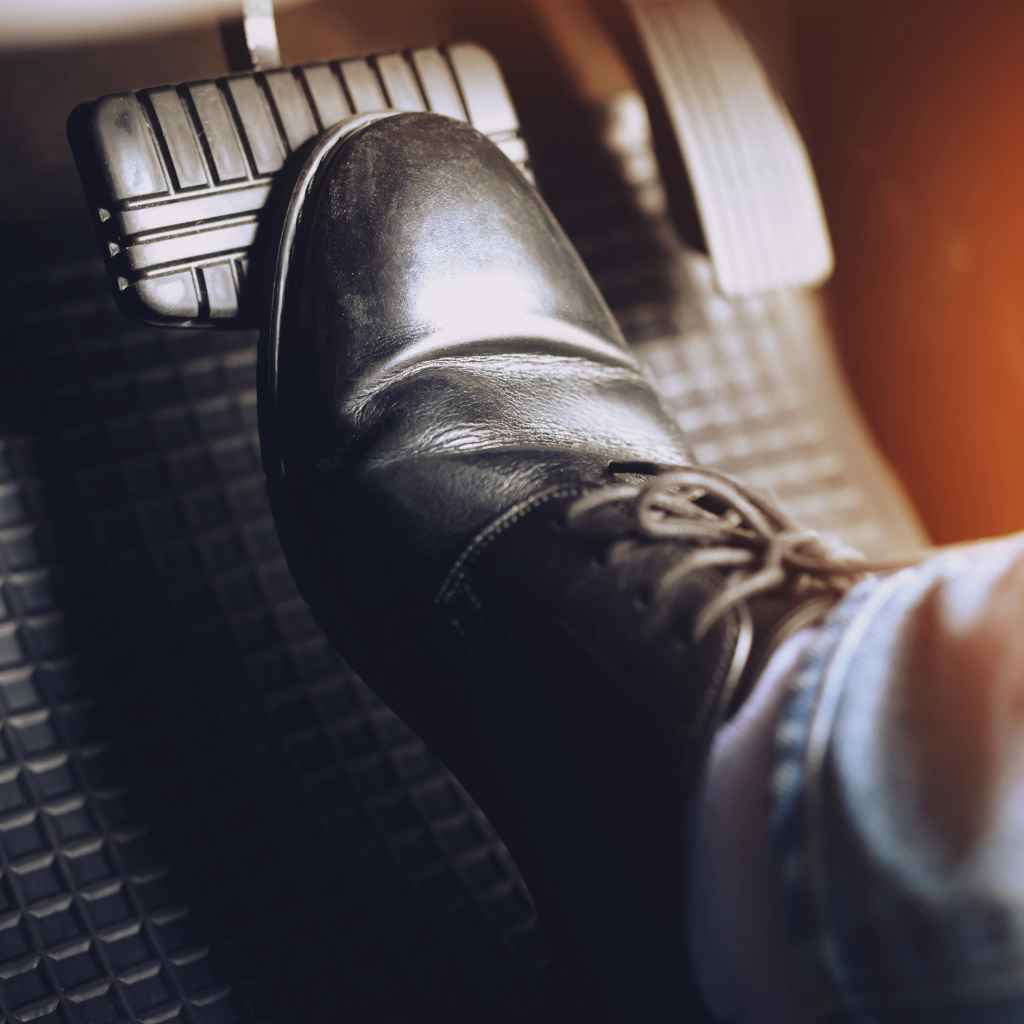
A brake pedal cover is more than just a small car part; it’s a key piece of equipment for anyone who values safety and control while driving. Its main job is to give your foot a better surface to press on, especially when things get wet or slippery. Think about driving in the rain or snow – your shoes can get slick, and your foot might slide off the pedal.
This can be pretty scary and dangerous. A good brake pedal cover prevents this from happening.
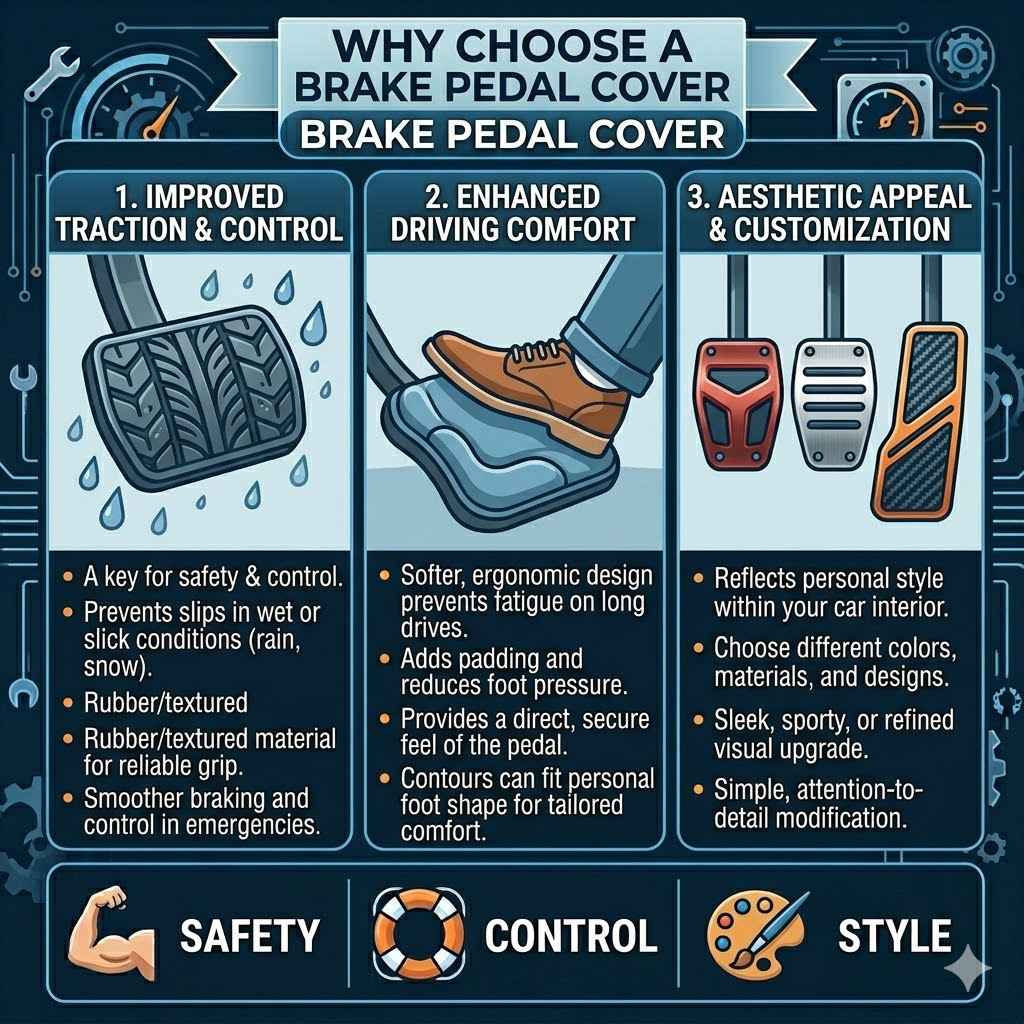
Improved Traction and Control
The primary benefit of a brake pedal cover is its ability to significantly improve traction. Most covers are made from rubber or textured materials that provide a grippier surface than the original pedal. This enhanced grip means your foot is less likely to slip, even in wet conditions.
When you need to brake, especially in an emergency, this reliable grip gives you more confidence and control. You can apply steady pressure without worrying about your foot sliding. This control is vital for safe driving.
This extra grip is not just about preventing slips; it’s also about giving you a more direct feel of the brake pedal. When your foot is securely in place, you can better judge how much pressure to apply. This leads to smoother braking and can even help reduce wear and tear on your shoes.
For drivers who want to feel more connected to their vehicle and ensure every action is precise, a quality brake pedal cover is a must-have.
Enhanced Driving Comfort
Beyond safety, brake pedal covers can also make driving more comfortable. The original brake pedals are often made of hard plastic or metal, which can feel uncomfortable, especially on long drives. Many covers have a softer, more ergonomic design.
They can also add a bit of padding, which can reduce foot fatigue. If you spend a lot of time behind the wheel, this added comfort can make a big difference.
Imagine driving for hours. Your feet are constantly working the pedals. A cover that feels good underfoot can turn a tiresome drive into a more pleasant experience.
Some covers are even designed with contours that fit your foot shape. This personal touch makes the pedal feel like it’s made just for you. Comfort leads to better focus on the road, which also contributes to safer driving.
Aesthetic Appeal and Customization
Cars are often an extension of our personality, and customization is a big part of that. Brake pedal covers come in many different styles, colors, and materials. This allows you to add a personal touch to your car’s interior.
You can choose a cover that matches your car’s color scheme or a design that reflects your personal style. It’s a simple way to make your car look more unique and appealing.
While the primary function is safety and comfort, the visual upgrade is a welcome bonus. A sleek, sporty pedal cover can give your car’s interior a more refined look. If you’re proud of your car, small touches like these can really make it stand out.
It shows attention to detail and a desire to make your driving space just right.
Types of Brake Pedal Covers
When looking for the Best Brake Pedal Cover for Anti-Slip Grip, you’ll find several types. Each has its own features and benefits. Understanding these differences will help you pick the one that best suits your needs and your car.
Material Variations
The material of a brake pedal cover is perhaps the most important factor affecting its grip and durability. Most covers are made from rubber, but the quality and texture of the rubber can vary greatly. Some might have deep grooves, while others have a more uniform pattern.
Rubber: This is the most common material. High-quality rubber offers excellent grip, is durable, and is resistant to wear and tear from your shoes. It also provides a good amount of cushioning for comfort.
Metal with Rubber Inserts: Some covers combine a sturdy metal frame, often aluminum or stainless steel, with rubber inserts. The metal provides a strong base, while the rubber ensures the grip. These can offer a premium look and feel.
Silicone: Silicone is another popular choice. It’s flexible, water-resistant, and can offer good grip. It’s often used in more high-performance or specialized covers.
Design and Texture
The way a pedal cover is designed and textured plays a huge role in how well it prevents slips. The patterns and depth of the textures are meant to create friction between your shoe and the pedal.
Grooved Designs: Many covers feature deep, parallel grooves. These grooves help channel away water, dirt, and debris, ensuring continuous contact between your shoe and the pedal surface. The spacing and depth of these grooves are engineered for maximum grip.
Studded or Knurled Patterns: Some covers have small studs or a knurled pattern all over the surface. These small raised areas provide a multitude of contact points, offering a very secure feel. This texture is especially effective at preventing lateral (sideways) slippage.
Contoured Shapes: Some designs go beyond a flat surface and include ergonomic contours that fit the natural shape of your foot. This not only enhances comfort but also ensures your entire foot has a stable platform, reducing the chance of partial slips.
Universal vs. Vehicle-Specific Fit
Pedal covers come in two main fitment types: universal and vehicle-specific. Each has its own pros and cons.
Universal Fit: These are designed to fit a wide range of vehicles. They are usually more affordable and easier to find. However, they might require some adjustment or might not offer a perfectly snug fit on all brake pedals.
Installation can sometimes be a bit of a puzzle to ensure they stay securely in place.
Vehicle-Specific Fit: These covers are made to fit a particular make, model, and year of car. They offer a perfect, snug fit, which means they are more secure and often easier to install. The design is engineered to match the exact contours of your vehicle’s brake pedal.
This precision ensures maximum effectiveness and a clean look.
For the absolute Best Brake Pedal Cover for Anti-Slip Grip, a vehicle-specific fit is often preferred because it guarantees optimal contact and security. However, a well-designed universal cover can still be very effective if installed correctly.
How to Choose the Best Brake Pedal Cover
Selecting the perfect brake pedal cover involves considering a few key factors to ensure you get the best performance, comfort, and durability. It’s about matching the product to your specific needs and driving habits.
Assessing Your Driving Needs
Your daily driving environment and habits play a significant role in what kind of pedal cover you should choose. For instance, if you frequently drive in rainy or snowy conditions, prioritizing extreme anti-slip properties is essential.
Consider the type of shoes you most often wear. Do you wear work boots, athletic shoes, or dress shoes? Some cover textures might offer better grip with certain sole materials.
If you often drive in work boots with deep treads, a cover with widely spaced grooves might be ideal. If you wear smooth-soled shoes, a more aggressive, studded texture might be better.
Think about how you use your brakes. Are you a smooth operator, or do you often find yourself needing to brake hard? If you’re prone to sudden braking, you’ll want a cover that ensures your foot stays planted without any doubt.
This means looking for covers with proven anti-slip technology.
Installation and Security
A pedal cover is only effective if it stays in place. Therefore, how it attaches to your brake pedal is crucial. Poor installation can lead to the cover shifting, which can be just as dangerous as not having a cover at all.
Most universal covers use a clamp system or rubber straps to attach. Look for covers that have a robust clamping mechanism or strong, durable straps. Some may require you to remove the original pedal pad, while others fit over it.
Instructions should be clear and easy to follow.
Vehicle-specific covers often offer a more integrated and secure fit, sometimes using screws or clips designed for your car’s pedal assembly. This type of installation generally provides a higher level of security and a cleaner appearance.
When considering installation, check reviews or product descriptions for information on how secure the cover is. Some manufacturers will even provide installation videos. A cover that feels solid and doesn’t budge during use is a sign of good security.
Durability and Longevity
You want a brake pedal cover that lasts. Cheaper covers made from low-quality materials might wear out quickly, losing their grip and texture. This means you’ll have to replace them sooner, costing you more in the long run.
Look for covers made from high-quality, durable rubber or metal composites. Materials that are resistant to UV rays and extreme temperatures are also a good sign of longevity. If the cover is exposed to direct sunlight for long periods, it shouldn’t crack or become brittle.
Reading customer reviews can give you insight into how well a particular cover holds up over time. Users often share their experiences with wear and tear, fade resistance, and how the grip holds up after months or years of use. A product that maintains its effectiveness over time is a worthwhile investment.
User Reviews and Ratings
Before making a purchase, always check what other customers are saying. User reviews are invaluable for real-world feedback on how a product performs. They can highlight pros and cons that might not be obvious from the product description alone.
Pay attention to reviews that specifically mention anti-slip performance in various conditions (wet, dry, dusty). Also, look for comments about ease of installation and durability. High ratings from a significant number of buyers usually indicate a quality product.
Sometimes, you might find reviews where people have compared different types of covers. These comparisons can be particularly helpful in guiding your decision. Look for recurring themes in positive and negative feedback to get a balanced view.
Top Features to Look For
When you’re searching for the Best Brake Pedal Cover for Anti-Slip Grip, certain features stand out. These are the elements that directly contribute to safety, comfort, and a good user experience.
Aggressive Tread Patterns
The pattern on the surface of the pedal cover is critical for grip. Aggressive tread patterns, featuring deep channels, studs, or knurled textures, are designed to maximize friction and prevent foot slippage. These patterns work by providing numerous contact points and helping to displace water, dirt, and debris from the contact area.
Think of tire treads on a car. The deeper and more varied the grooves, the better the tire grips the road, especially in wet conditions. A similar principle applies to brake pedal covers.
Patterns like V-grooves, diamond plates with rubber inserts, or raised hexagonal patterns are all engineered to grab your shoe sole. This ensures that even if your shoe is damp or dusty, it will still find purchase on the pedal.
When evaluating tread patterns, consider the spacing and depth. Wider, deeper channels are excellent for channeling water away, making them ideal for drivers in wet climates. Smaller, more numerous studs or knurling can offer a highly secure feel, preventing any micro-movements of the foot.
The ideal pattern will depend on your specific needs and the type of footwear you typically wear.
Durable and Weather-Resistant Materials
The material of your brake pedal cover needs to withstand constant use and various environmental conditions. High-quality rubber is a top choice because it’s flexible, offers excellent grip, and is naturally resistant to wear and tear. It also remains pliable in both hot and cold temperatures, which is important for consistent performance.
Other durable materials include certain synthetic rubbers, silicone, and even reinforced plastics combined with rubber. What you want to avoid are materials that become hard and brittle in the cold or melt and become sticky in the heat. These extreme temperature reactions can compromise grip and durability.
Weather resistance also means the material shouldn’t degrade when exposed to moisture, road salt, or UV rays from sunlight. A cover that cracks, fades, or loses its texture over time will not only look bad but will also fail in its primary safety function. Checking product specifications for UV resistance and water-proofing can help you make an informed choice.
Ergonomic Design for Comfort
While anti-slip grip is paramount, comfort cannot be overlooked, especially for drivers who spend many hours on the road. An ergonomically designed pedal cover takes into account the natural shape of the foot and how it interacts with the pedal.
This can include features like a slightly curved surface that follows the arch of your foot, or textured areas that provide a comfortable yet secure resting place for your foot when it’s not actively pressing the pedal. Some covers might incorporate a bit of cushioning, which can reduce fatigue on longer journeys. The goal is to make the pedal feel less like a hard, unforgiving surface and more like a natural extension of your foot.
An ergonomic design doesn’t just mean comfort; it also contributes to better control. When your foot is comfortably and naturally positioned, you have a more stable base from which to apply pressure to the brake. This can lead to finer control over braking force and a more relaxed driving experience overall.
Ease of Installation
The best brake pedal cover is one that you can install quickly and securely. Complicated installation processes can be frustrating, and if a cover isn’t installed correctly, its effectiveness can be compromised. Look for products that come with clear instructions, and ideally, installation videos.
Universal covers might rely on a strong clamping mechanism that grips the edges of the original pedal. These are generally easy to install but require ensuring the clamp is tight and secure. Some might use strong elastic straps that loop around the pedal arm.
Vehicle-specific covers often offer the easiest installation because they are designed to precisely fit the factory pedal. They might clip on, slide into place, or require a few screws. The simpler and more secure the installation, the better.
A cover that requires specialized tools or a lot of time to install might not be the most practical choice for everyday drivers.
Maintenance and Care
Keeping your brake pedal cover in good condition ensures it continues to provide optimal anti-slip performance and looks great. Proper maintenance is simple and adds to the lifespan of the product.
Cleaning Your Brake Pedal Cover
Dirt, dust, and road grime can accumulate on your brake pedal cover over time, reducing its grip. Regular cleaning is essential to maintain its effectiveness.
The best way to clean most rubber or silicone pedal covers is with a mild soap and water solution. You can use a soft brush or cloth to gently scrub the surface, paying attention to the textured areas where dirt might get trapped.
After washing, rinse the cover thoroughly with clean water to remove any soap residue. Then, let it air dry completely. Avoid using harsh chemicals or abrasive cleaners, as these can damage the material and reduce its grip over time.
For tougher stains, a degreaser specifically designed for automotive interiors might be an option, but always test it on a small, inconspicuous area first.
Checking for Wear and Tear
Over time, even the most durable pedal covers can show signs of wear. Regularly inspecting your cover will help you identify any issues before they become safety concerns.
Look for any cracks, tears, or deep gouges in the material. Check if the tread pattern is becoming worn down or smooth. Also, ensure that the cover is still securely attached to the brake pedal and hasn’t started to loosen or shift.
If you notice any significant wear, it might be time to consider replacing the cover.
A worn-out pedal cover will not provide the same level of anti-slip grip as a new one. This can put you at risk, especially in challenging driving conditions. Keeping an eye on the condition of your cover is a simple yet important part of vehicle maintenance.
Real-Life Examples and Scenarios
Understanding how a brake pedal cover works in practice can really highlight its importance. Here are a few scenarios where one makes a big difference.
Scenario 1: The Sudden Downpour
Imagine you are driving on a highway, and a sudden, heavy rainstorm hits. The roads quickly become slick, and your tires might even hydroplane slightly. You need to slow down, but the brake pedal is wet and slippery.
Without an anti-slip pedal cover, your foot might slide as you try to apply firm pressure. This loss of control can cause you to brake unevenly, increase your stopping distance, or even worse, lead to a skid. With a good rubber or textured pedal cover, your shoe sole maintains firm contact.
This allows for controlled braking, reducing the risk of an accident and giving you the confidence to react safely to the changing conditions.
Scenario 2: The Morning Commute
It’s a chilly morning, and you’ve just rushed out of the house. You’re wearing sneakers that have a smooth rubber sole. As you drive to work, you encounter stop-and-go traffic.
The constant application and release of the brake pedal can be tiring and, if the pedal is slick from condensation or a bit of moisture, a bit precarious.
A pedal cover with an aggressive tread pattern and comfortable contour can make this daily grind much more pleasant. It ensures your foot stays comfortably planted on the pedal, reducing fatigue. The reliable grip means you don’t have to constantly adjust your foot position, allowing you to focus more on the traffic around you.
This small addition transforms a routine task into a more secure and less strenuous experience.
Case Study: A Fleet of Delivery Vans
A local delivery company noticed a significant number of minor accidents related to slippery pedals in their fleet of vans. Drivers often had to brake suddenly due to city traffic and pedestrian activity. They decided to equip all their vans with high-quality, universal anti-slip brake pedal covers.
Within six months, the company reported a 20% reduction in incidents involving brake pedal slippage. Driver feedback indicated increased confidence and reduced foot fatigue. The investment in pedal covers proved to be cost-effective by preventing damage and reducing downtime associated with minor accidents.

Frequently Asked Questions
Question: How do I know if a brake pedal cover will fit my car?
Answer: For universal covers, check the product dimensions and compare them to your brake pedal. Many universal covers have adjustable features or flexible materials. For the best fit, look for vehicle-specific covers designed for your car’s make, model, and year.
Question: Can I install a brake pedal cover myself?
Answer: Yes, most brake pedal covers are designed for DIY installation. Universal covers often attach with clamps or straps, while vehicle-specific ones might clip or screw into place. Always follow the manufacturer’s instructions.
Question: How often should I replace my brake pedal cover?
Answer: A good quality brake pedal cover can last for several years. You should consider replacing it if you notice significant wear, such as cracks, tears, or a worn-down grip pattern, or if it becomes loose.
Question: Will a brake pedal cover affect my car’s braking performance?
Answer: A well-designed and properly installed anti-slip brake pedal cover should improve braking performance by providing better grip and control. It should not negatively affect your car’s ability to brake.
Question: Are brake pedal covers difficult to clean?
Answer: No, most brake pedal covers are easy to clean. A simple wash with mild soap and water using a soft brush or cloth is usually sufficient to remove dirt and grime.
Summary
Choosing the Best Brake Pedal Cover for Anti-Slip Grip is an excellent step towards safer and more comfortable driving. These covers offer improved traction, especially in wet conditions, and can enhance your overall driving experience. By considering material, design, fit, and durability, you can find one that perfectly suits your needs and vehicle, ensuring secure braking and peace of mind on every drive.