Best Car Seat Covers for Daily Commuters: research shows
The best car seat covers for daily commuters are 3D-fitted neoprene or easy-wipe faux leather covers with machine-washable liners, and the right pick depends on whether sweat or spills hit first. Ignore that, and you end up with stained seats, cabin heat that hangs around, and covers you hate pulling off to clean after a long drive. This guide ranks the best options for sweat, stop-and-go wear, lunch spills, parking heat, and fast cleanup.
This guide is part of our Car exterior accessories guide series.
Quick comparison
| Product | Badge | Best for | Price | ||
|---|---|---|---|---|---|
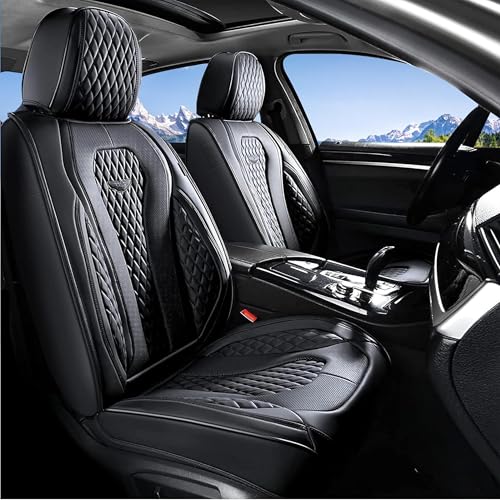 |
Coverado Seat Covers, Car Seat Covers Front Seats, BlackCoverado | Our pick | Front seats · Waterproof leatherette · Universal fit | $116.93
Price as of 25 Sep 2026
|
View |
 |
LUCKYMAN CLUB Tacoma Custom Fit Seat Covers for 2016-2023LUCKYMAN CLUB | Also great | 2016-2023 Tacoma Crew Cab · Faux leather · Full set | $224.10
Price as of 25 Sep 2026
|
View |
For the best all-around commuter pick, a breathable polyester-polypro style cover is the easiest daily compromise when heat, cleanup, and price all matter. If sweat is the main problem, neoprene moves to the front. If cleanup is the whole battle, faux leather is the faster wipe-down option.
How we chose
I focused this ranking on real commute use, not showroom polish. That means heat soak, sweat control, stain resistance, install hassle, and how fast a cover can go back into service before the next drive.
I also weighed fit failures that matter in real cars: slipping on bolstered seats, wrinkling after a few days, loose corners, blocked seat controls, and seatbelt passthroughs that are awkward to use. Safety checks included side-airbag compatibility claims and whether the design uses stitched breakaway seams.
For value, ownership cost matters too. A cheap set that needs frequent replacement can cost more than a better-made cover that survives months of daily sliding in and out.
Neoprene seat covers: best for sweaty commuters
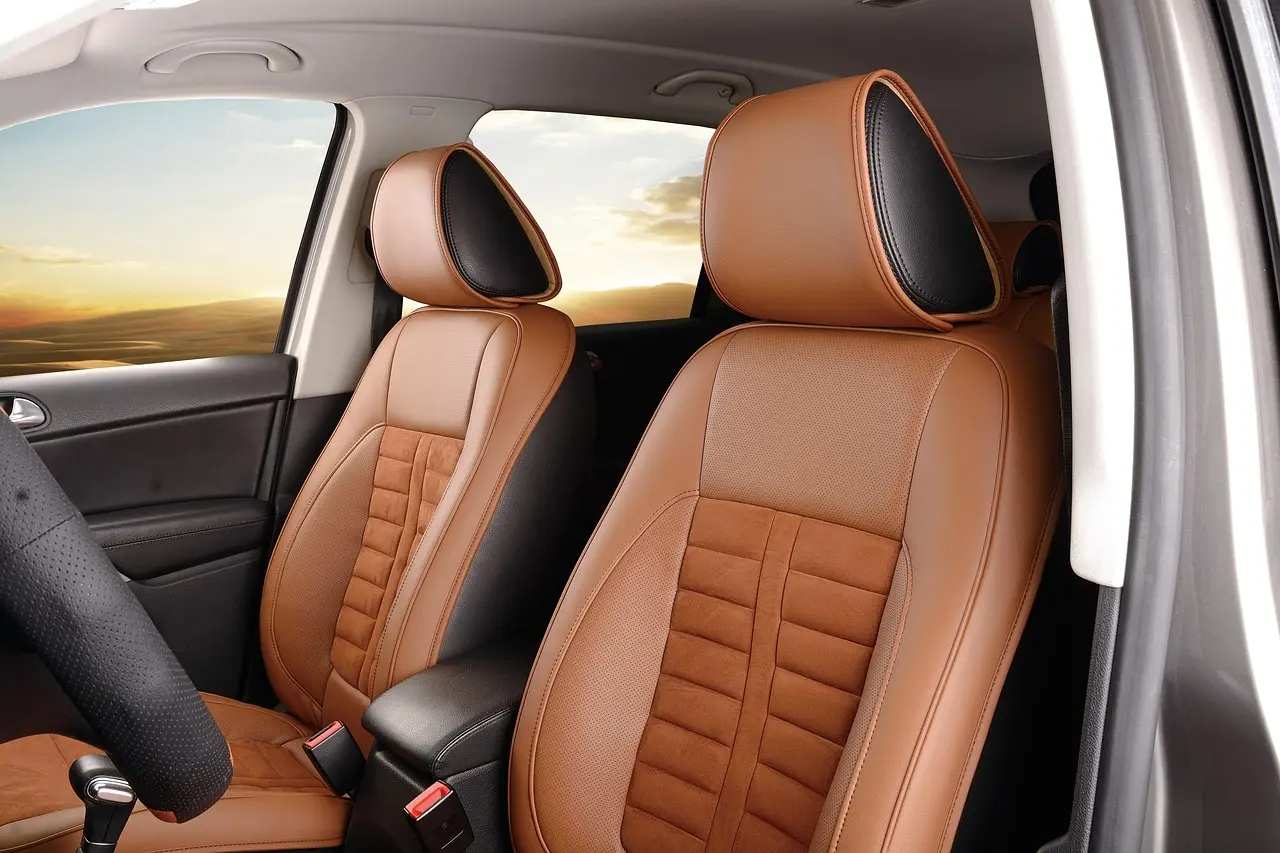
Neoprene is the right call for drivers who arrive sweaty, especially in stop-and-go traffic or hot climates where the seat gets warm before the A/C catches up. The fabric moves moisture away from skin, usually feels cooler than thick padded materials, and the anti-slip backing helps when you climb in and out multiple times a day.
The Coverado front-seat set leans into that commuter use case with breathable porous Nappa-style leather and leatherette construction, plus chucks and hooks for installation. Based on the spec sheet and owner feedback patterns, the drawback is the same one most faux-leather-adjacent covers have: they can feel warmer than plain polyester in a parked car, and universal fit still leaves some seat shapes looking a little loose.
Neoprene also suits drivers who want simple cleanup. A quick wipe usually handles sweat, coffee mist, and dust, so it works well for people who do not want to remove a cover every week.
Synthetic leather seat covers: best for easy wipe-down cleanup
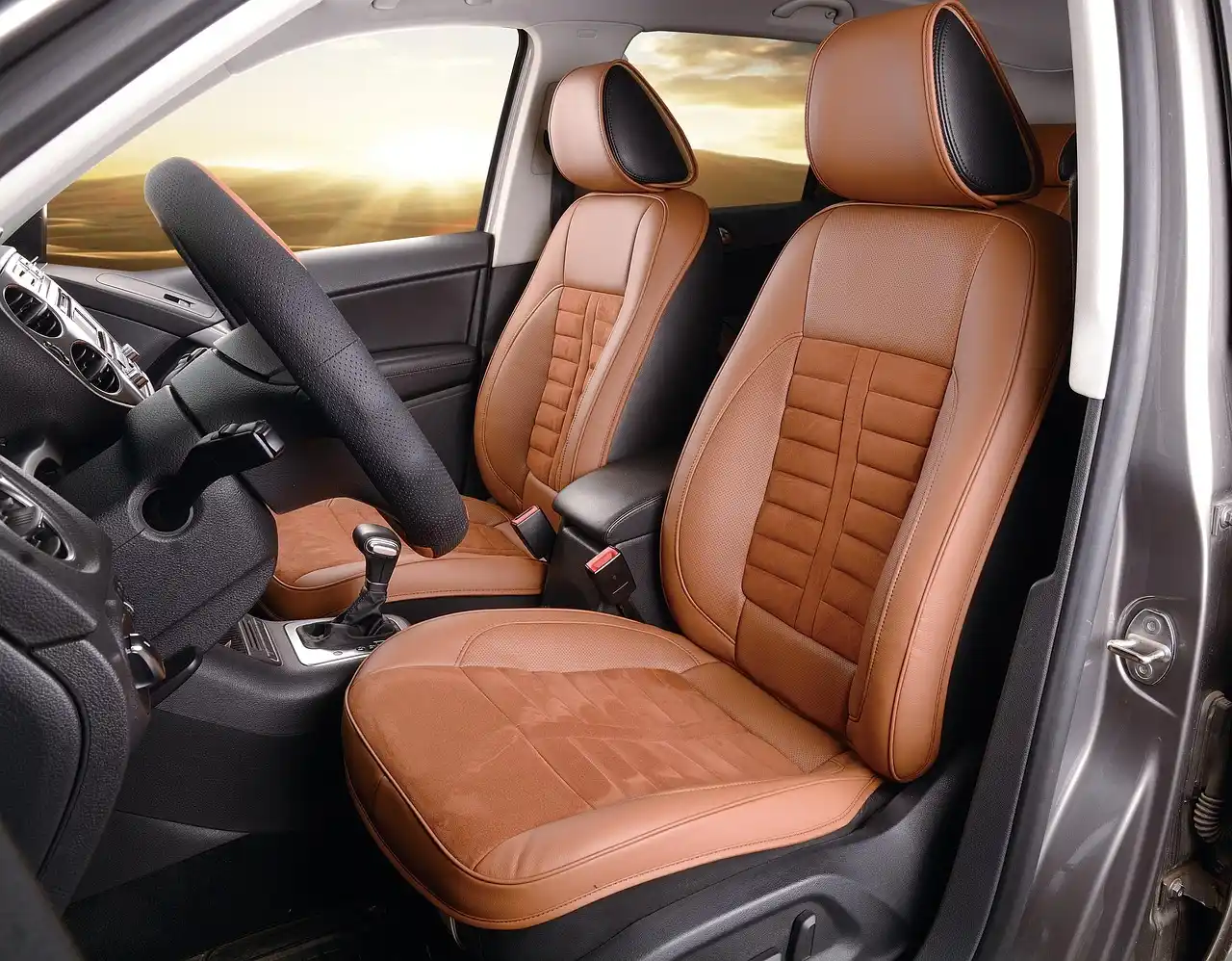
Synthetic leather is the faster choice when lunch spills, dust, and dirty work clothes are the bigger problem than summer heat. It wipes clean quickly, gives a padded feel, and usually holds up better than thin fabric when a commuter slides across the bolster every day.
The LUCKYMAN CLUB Tacoma set is a custom-fit full set for the 2016-2023 Tacoma Crew Cab, with faux leather and thick sponge padding. That custom fit is the point, but it is also the limit: this is for that truck platform, not a broad universal fit, and larger or more heavily bolstered seats elsewhere can frustrate buyers with tighter wraps and harder installs.
For daily commuting, synthetic leather makes sense when cleanup time matters more than absolute breathability. It is also a practical choice for ride-share drivers who need the cabin to look clean between passengers, as long as the vehicle fit is correct.
Polyester seat covers: best budget choice for everyday wear
Polyester is the budget pick when a commuter wants basic protection, decent breathability, and easy laundering without paying for faux leather or specialty foam. A complete set can cost as little as $30, which is why it remains the default for drivers who want to cover wear before it becomes visible.
It is also the easiest material to live with in a split rear bench. Polyester patterns commonly allow rear-seat splits better than rigid, thick materials, and they usually machine wash more easily after pollen, snack crumbs, or kid messes build up.
The tradeoff is wear. Polyester tends to show compression, thinning, and corner creep faster than better-finished synthetic leather, especially if you are in and out of the car several times a day. For short commutes and low-stakes protection, though, it is hard to beat.
What are the best car seat covers for daily commuters?
For daily commuting, the best seat covers are the ones that match the problem you actually have: sweat, spill cleanup, heat, or back-seat chaos. The strongest all-around answer is usually a breathable polyester or neoprene cover, while faux leather wins when wiping the seat before tomorrow matters more than maximum ventilation.
The top overall commuter pick in the comparison is BDK PolyPro Car Seat Covers, because it balances cost, daily wear protection, and fast install better than most budget covers. That matters more on a work commute than styling details or premium-looking stitching.
If you want the shortest decision rule, use this: sweaty driver, go neoprene; coffee and lunch spills, go synthetic leather; tight budget and basic protection, go polyester; pets or kid mess in the back, move to a dedicated rear protector instead of a full-seat cosmetic cover.
Are car seat covers worth it for commuting?
Yes, if your car sees repetitive use, shifting clothing types, food, pets, or a parking lot where seats collect grime fast. For commuters, seat covers are worth it when they keep the seat from turning into a cleanup job or when they keep a lease return, resale, or work car looking presentable.
They are less useful when the seat already fits you perfectly and the only goal is minor cosmetic improvement. In that case, a seat protector or bottom-only cover can be enough, especially if you are mainly shielding the cushion from jean wear, crumbs, or sweat.
The ownership math is simple. A cover that is easy to clean and survives months of daily sliding is cheaper than replacing a stained factory seat or living with a cover that puffs, shifts, and ends up in the garage.
Which car seat covers are easiest to install and remove?
The easiest covers to install and remove are usually bottom-only protectors and front-seat-only covers with elastic straps, hooks, and simple headrest anchoring. They take less time because they do not have to fight the whole seatback shape, rear bench splits, or every seatbelt passthrough.
Universal covers vary a lot here. Some go on quickly with straps and hooks, while others need repeated adjustment to stop wrinkling or slippage around bolsters. The more the cover depends on a precise fit, the more time you spend tugging corners into place.
For commuters who rotate vehicles, share a car, or use a ride-share vehicle themselves, easier removal matters as much as install. A cover that comes off fast is the one that actually gets washed.
What seat covers work best if I sweat on the way to work?
Neoprene seat covers can be a good fit for sweaty commuters because they tend to manage moisture better than thicker faux leather and often feel cooler in stop-and-go traffic. A sweat-focused cover should also dry quickly, resist slipping, and avoid soaking up odor the way some fabric blends can.
The sweatproof pick used neoprene fabric and included a neoprene seat belt cover, which is a useful detail for commuters who notice hot buckles and belt contact points. It also had an average of 4.6 stars from just under 7,500 reviewers, which supports the idea that this material solves a real daily problem for many drivers.
If your commute starts with a hot seat and ends with a damp back, skip thick padding unless you know it breathes well. Padding can improve comfort, but it can also trap heat against your clothes.
Do car seat covers affect side airbags?
Yes, they can. Side-airbag compatibility matters because some front seats deploy airbags through the seat side seam, and the wrong cover can block or slow deployment if it lacks stitched breakaway seams or proper manufacturer approval.
Good manufacturers will state side-airbag compatibility clearly, but that claim still needs vehicle-specific caution. If the seat has integrated airbags, the cover must not wrap tightly over the deployment zone, and cheap universal covers are the first place fit compromises become a safety issue.
Front-seat coverage is where the risk is highest. If a cover bunches over the seat bolsters or hides the airbag seam, it deserves a hard pass.
What material is best for car seat covers in hot weather?
For hot weather, neoprene or breathable polyester usually works better than thick synthetic leather, because both materials are better at moving air and drying sweat. If the car sits in the sun all day, material alone will not fix heat soak, but it can reduce the sticky, trapped feeling when you first sit down.
Synthetic leather is still useful when cleanup matters most, but it can run warmer and feel less forgiving after a parked-car heat soak. That is the basic tradeoff: easier wipe-down versus better day-to-day breathability.
For hybrid and EV commuters who may run the cabin preconditioning less often than they expect, material choice matters even more. A breathable cover is the safer comfort pick when the seat starts hot and the drive is short.
How do I choose a seat cover for a split rear bench?
Choose a cover that explicitly supports the rear bench split pattern in your car, such as 60/40 or 40/20/40 layouts. If the back seat folds independently, the cover needs separate sections or enough opening points to let each split operate without fighting the fabric.
Universal-fit covers can work here, but only if the product description states split-bench compatibility and the seatbelt passthroughs line up. Otherwise the cover may slide, wrinkle, or block the folding action that makes the rear seat useful.
For family commuters, a rear bench cover can be a better investment than full front-seat coverage if the back row gets the kid, cargo, and snack abuse.
Are universal car seat covers a good fit for most cars?
Universal car seat covers fit many cars, but not all of them well. They are best for bucket seats and simpler bench seats with standard shapes, and they often depend on straps, hooks, and elastic tension to stay put.
The upside is broader compatibility and usually easier replacement. The downside is that active bolsters, unusual seat bases, built-in controls, and tight rear split benches can leave a universal cover wrinkled, loose, or awkward around the edges.
Universal fit is a convenience category, not a perfect-fit promise. When the seat shape is unusual, custom-fit usually wins.
How do I clean car seat covers?
Cleaning depends on material. Polyester usually goes straight into the wash, synthetic leather usually needs a wipe-down, and neoprene sits somewhere in between with quick wipe-clean care for daily grime and occasional deeper cleaning if odors build up.
For commuters, the best routine is simple: shake out debris, wipe the high-contact zones, and wash or remove the cover before stains set. That is faster than trying to rescue a cover after a month of coffee drips and road dust.
If the cover is used by pets or children, clean it more often than you think you need to. Waiting until it looks dirty usually means the fabric has already held onto the smell.
How we weigh the commute-fit tradeoffs
| Cover type | Heat | Sweat handling | Stain resistance | Install time | Cleanup effort | Best for |
|---|---|---|---|---|---|---|
| Neoprene | Good | Very good | Good | Medium | Low | Sweaty commuters |
| Synthetic leather | Fair | Fair | Very good | Medium | Very low | Spill-prone drivers |
| Polyester | Very good | Good | Fair | Low | Low | Budget daily use |
| Bottom-only protector | Good | Good | Fair | Very low | Very low | Short commutes, quick installs |
| Dog hammock-style protector | Fair | Good | Excellent | Medium | Medium | Pets and rear cargo mess |
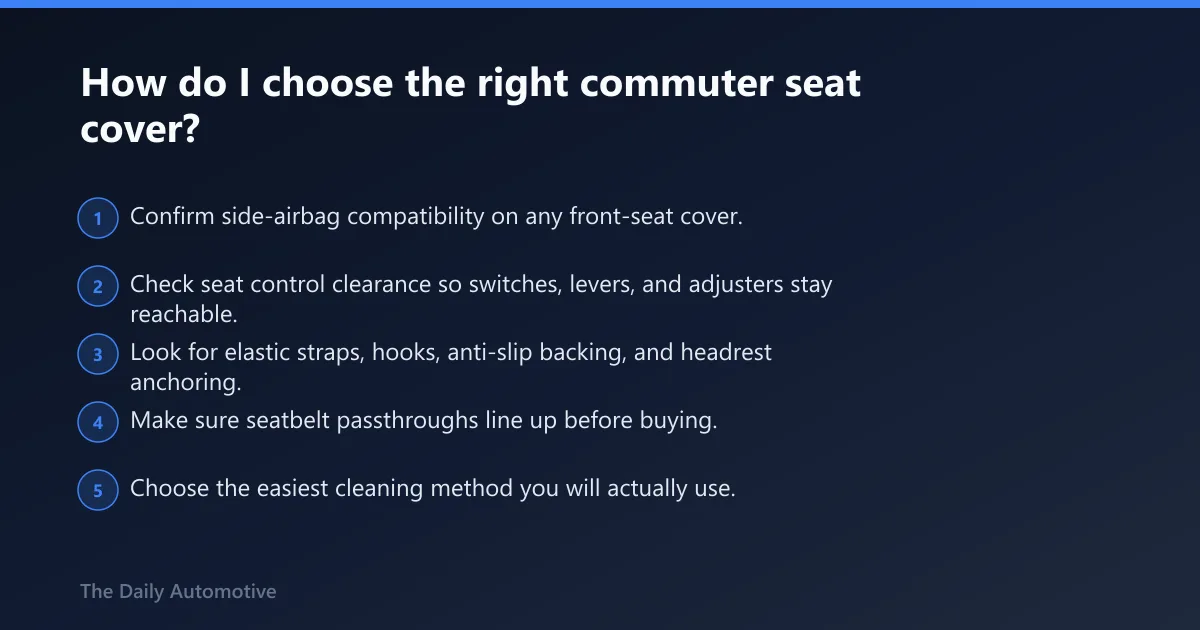
How do I choose the right commuter seat cover?
Start with the drive, not the product category. Short commutes with frequent exits usually favor easy-on covers and bottom protectors; longer drives favor breathable materials; hot climates push the choice toward neoprene or polyester; spill-heavy routines point to synthetic leather.
Next choose the format. Full sets make sense when you want uniform protection, front-seat-only covers are enough for solo commuters, bottom-only covers are the simplest wear shield, rear bench covers are best for families, and dog hammock-style protectors win when pets are part of the commute.
- Confirm side-airbag compatibility on any front-seat cover.
- Check seat control clearance so switches, levers, and adjusters stay reachable.
- Look for elastic straps, hooks, anti-slip backing, and headrest anchoring.
- Make sure seatbelt passthroughs line up before buying.
- Choose the easiest cleaning method you will actually use.
If a cover is hard to clean, hard to fit, or hard to remove, it usually stops being a commuter solution and becomes garage clutter.
Which one should you buy
If your commute is sweaty, choose the neoprene-style front-seat cover. If lunch spills and coffee are the problem, choose the synthetic leather option. If you want the lowest entry price and basic wear protection, choose polyester.
For a daily driver that sees mixed use, the best overall commuter choice is the breathable polyester-polypro style cover category, because it gives the best balance of cost, comfort, and cleanup speed. For truck owners with the right platform, a custom-fit faux-leather set like the LUCKYMAN CLUB Tacoma cover is the stronger fit call, but only when the vehicle matches exactly.
One more rule matters: if you are buying mainly to protect the rear seat from pets or kids, do not force a front-seat cover to solve a rear-cargo problem. A dedicated rear bench or dog hammock-style protector is the cleaner answer.
Products related to this article
Sponsored / affiliate links. As an Amazon Associate I earn from qualifying purchases. I may earn additional commission from eligible campaigns.
 FLORICH Leather Seat Cover, Car Seat Covers Front Set, Waterproof Car Seat Protectors, Front Seat Covers 2 Pack, Breathable Automotive Seat Covers Protector Fit for Most Cars Trucks SUV
 Coverado Car Seat Covers, Front Covers for Cars, Car Seat Cover Front Seats, Automotive Seat Cover, Waterproof, Leather Car Seat Cushion, Universal Interior Covers Seat Protectors for Most Cars