Wire Wheels for Classic Cars: Fitment and Style
Wire wheels for classic cars work best when spoke count, diameter, and width match the car’s period style and tire package. Tighter-spoke 15-inch wheels suit many sportier classics, while 14-inch or narrower widths often fit more original-looking setups. Choose badly and you can lose correct stance, rub suspension or fenders, and end up with a look that fights the car. This guide compares wire-wheel styles, sizing choices, and fitment checks by use case.
What wire wheels change on a classic car
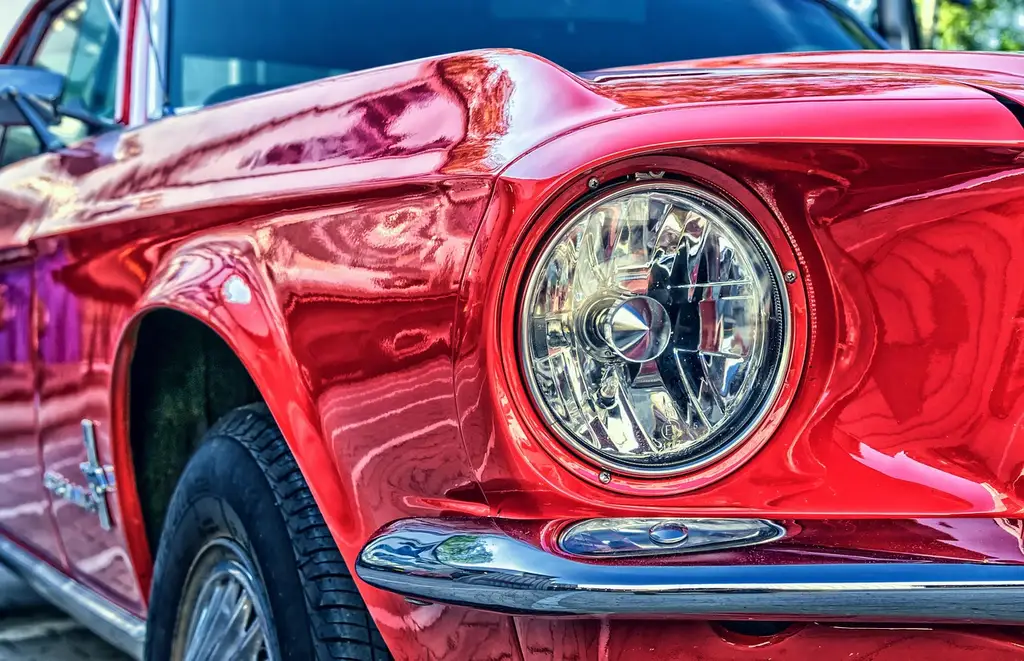


Wire wheels change more than the side profile. They change brake room, suspension clearance, cleaning effort, and the car’s period look. Chrome, spoke count, and hub shape all matter, but the wheel still has to match the car’s bolt pattern and packaging.
Period-correct look versus show-car shine
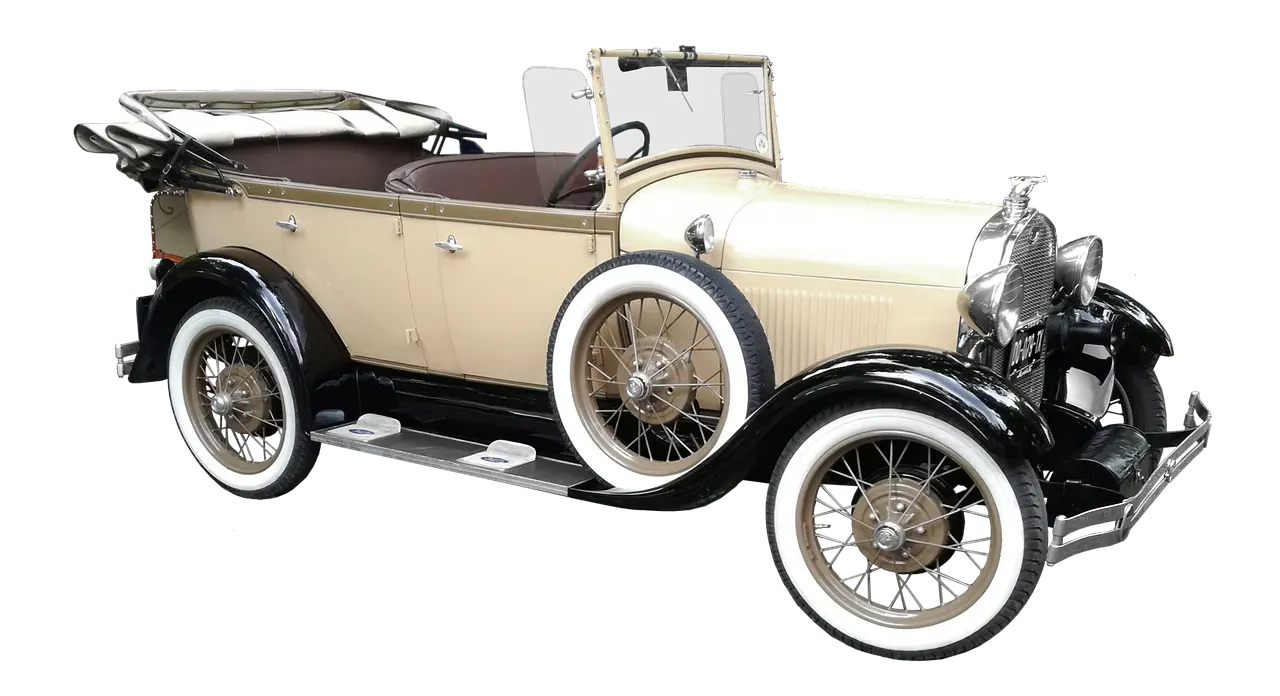
On many classics, a wire wheel gives the car a factory-era or coachbuilt feel. Chrome finishes usually read as the most obvious visual upgrade, while plated or polished finishes can look less loud. More spokes usually create a denser, dressier appearance. Fewer spokes tend to look simpler and closer to older road-car styling.
The key point is that spoke count changes the look, but it does not by itself determine load rating or safety. That depends on the specific wheel design, materials, construction, and rating from the manufacturer.
Spoke patterns, chrome finishes, and hub styles
Wire wheels for classic cars are sold in straight-lace and cross-lace patterns, with standard and reverse or deep-dish configurations. Straight-lace wheels often read as cleaner and more traditional. Cross-lace wheels have a busier visual pattern and can change how the hub and spoke path sit around brakes and suspension.
Hub style matters too. Large center caps can hide lug nuts for a smoother look, while exposed hardware makes service simpler. The wheel still needs the correct center bore or the right adapter, if the application calls for one.
Where wire wheels are most commonly used
Wire wheels are common on many classic sedans, coupes, roadsters, lowriders, and vintage cruisers. They also show up on custom builds where the goal is a period look with a more detailed wheel face. The style works best when the car’s body lines, hubcaps, and tire height all support the visual theme.
Which wire wheel style fits your build?
The best style depends on the job. If you want an original-looking classic, a 45-spoke or 50-spoke wheel often fits the theme. If you want a fuller face, a 60-spoke or higher-count wheel gives the wheel a denser appearance. For a showier build, 100-spoke and 150-spoke designs draw more attention.
45-spoke and 50-spoke choices
Truespoke lists 45-spoke and 50-spoke wire wheels, and says its 50-spoke style was the first launched in 1974. That makes the 50-spoke look a useful starting point for buyers who want a classic chrome wire wheel without going to the busiest spoke pattern. Truespoke also says every 50-spoke wheel set includes center caps, lug nuts, washers, spacers, and valve stems.
The same source says its wheels bolt on to the car, not with adapters requiring hammers and wrenches. That matters because the buyer should still verify the exact bolt pattern and fitment before ordering.
60-spoke options for a fuller look
Truespoke’s Trueray line uses a 60-spoke design and is offered in straight-lace or cross-lace patterns. It is aimed at rear-wheel-drive fitment, and the large center cap covers the lug nuts for a cleaner face. That setup suits builders who want a more detailed wheel than a 50-spoke while keeping a classic wire-wheel look.
72-spoke, 80-spoke, 100-spoke, and 150-spoke styles
CR Wire Wheels lists 72-spoke, 80-spoke, 100-spoke, and 150-spoke styles in its catalog. The same source lists 59 wire-wheel products in total. That range makes it easier to compare a denser face against a more open one, but the final choice still has to work with brake clearance, bolt pattern, and tire size.
For a more specific catalog example, CR Wire Wheels shows a 13×5.5 center gold 100-spoke straight-lace reverse wheel and a 22×8 chrome 80-spoke cross-lace standard wheel. Detroit Wire Wheels lists 150-spoke standard straight-lace wheels in 13×7 and 14×7 sizes, and 100-spoke FWD straight-lace wheels in 15×7, 16×7, 17×8, 20×8, and 22×8 sizes.
What is the difference between straight lace and cross lace wire wheels?
Straight-lace and cross-lace wire wheels are not the same thing, and the difference is more than appearance. Straight-lace wheels route the spoke pattern in a more direct visual path. Cross-lace wheels cross the spokes in a more layered pattern. That changes the look, and in some designs it can also affect hub shape and brake-clearance behavior.
Visual differences the buyer can spot
Straight-lace wheels usually look cleaner and less busy from the side. Cross-lace wheels look denser and more decorative. On a narrow-bodied classic, straight-lace may keep the wheel from looking too ornate. On a show build, cross-lace can give the car a fuller, more expensive look.
Hub design and brake-clearance considerations
Because wheel design affects the hub area, a buyer should not assume the two patterns fit the same way. Brake caliper room, center-cap depth, and the path of the spokes near the hub can all change. If the car has front discs or larger aftermarket brakes, measure before choosing the pattern.
When each pattern fits a classic build
Straight-lace works well when the goal is a cleaner period look or when brake packaging is tight. Cross-lace fits well when the builder wants more visual texture and has confirmed that the wheel clears the brakes and suspension. Neither pattern is automatically better. The right choice depends on the car and the hardware around it.
How size affects fitment
Wheel size affects tire choice, stance, and clearance. Diameter changes what tire sizes are easy to buy, and width changes how the tire sits on the rim. Offset and backspacing then decide where the wheel lands inside the fender and how close it comes to the suspension and brake parts.
Diameter and width basics
Diameter is the wheel’s overall size, such as 13, 14, 15, 16, 17, 20, or 22 inches. Width is how wide the rim is across the bead seat, such as 5.5, 7, or 8 inches. Do not mix those up. A 13×5.5 wheel is a 13-inch diameter wheel that is 5.5 inches wide.
Tire availability by wheel size
Smaller diameters often keep more original proportions and can suit taller sidewalls. Larger diameters can make it easier to clear modern brake packages in some builds, but they may limit tire sidewall height and alter the car’s stance. Width also matters because some tire sizes are narrow enough to fit on a 5.5-inch wheel, while others need more rim width.
A common first-timer mistake is buying a wide, deep-dish wire wheel because it looks right in a catalog photo, then discovering the tire choice is too narrow or the wheel is too close to the inner fender. The fix is to match the tire first, then confirm the wheel width and backspacing.
Offset, backspacing, and clearance checks
Measure the wheel’s mounting face position before you buy. Backspacing is the distance from the wheel’s mounting surface to the inner edge of the rim. Offset is the mounting surface position relative to wheel centerline. If you do not know the numbers the car needs, compare the current wheel position to the new wheel size and calculate the change.
- Measure current tire-to-fender and tire-to-suspension clearance with the wheel straight.
- Measure brake caliper and drum clearance at the closest point.
- Confirm bolt pattern and hub type.
- Check the new wheel diameter and width against the tire size you want to run.
- Verify backspacing or offset so the wheel does not move too far inward or outward.
Wire wheel decision matrix
This matrix gives a quick way to sort spoke count, diameter, and width by the job the wheel needs to do. Use it as a shopping filter, not as a substitute for vehicle-specific fitment checks. Load capacity, brake clearance, and hub compatibility still need to be confirmed for the exact car.
| Goal | Spoke count | Diameter and width | Configuration | Best use case |
|---|---|---|---|---|
| Period correctness | 45-spoke or 50-spoke | 13-inch to 15-inch; moderate widths such as 5.5 to 7 | Standard wire wheel | Classic sedans, coupes, and roadsters that need an original-era look |
| Cleaner show-car face | 60-spoke | 14-inch to 17-inch; width matched to tire and brake package | Straight-lace or cross-lace | Builds that want a fuller face without going to the busiest spoke count |
| High-visual detail | 72-spoke or 80-spoke | 13-inch to 22-inch; width chosen for available tire sizes | Standard or reverse | Show-focused cars, custom cruisers, and larger-diameter applications |
| Dense show look | 100-spoke or 150-spoke | 13×5.5 to 22×8 examples exist in catalogs | Straight-lace or cross-lace; reverse only if packaging allows | Displays, lowriders, and customs where wheel detail is the main visual cue |
| Maximum tire flexibility | Any count that fits the car | Diameter and width matched to common tire sizes | Standard configuration when space is tight | Drivers who want easier tire sourcing and simpler clearance planning |
Truespoke, Trueray, Trueclassic, and CR examples
These product lines show how the same wheel category can serve very different goals. One line may focus on a classic 50-spoke formula, another on a larger-diameter premium evolution, and another on a broad catalog of spoke counts and configurations. The buyer still has to verify the exact size and bolt pattern for the car.
Truespoke 50-spoke and tubeless construction
The same source says it has been America’s favorite wire wheels since 1974, and says its company was born in 1974. The 50-spoke style was the first launched that year. Truespoke also says its wheels are tubeless construction, which matters because tubeless fitment changes the ownership conversation around tires, sealing, and maintenance.
Trueray 60-spoke rear-wheel-drive fitment
Trueray wheels come in straight-lace or cross-lace patterns and are aimed at rear-wheel-drive fitment. That makes them a useful option for buyers working with classic RWD cars that need a wire-wheel look without moving into a more extreme custom package. The large center cap also reduces the visual clutter around the lug nuts.
Trueclassic size and configuration range
The same source says Trueclassic wheels are available in 13-, 14-, 15-, 16-, and 17-inch sizes, in standard or reverse configurations. That range helps a buyer move from a smaller, more original-size wheel to a larger diameter while staying within the same product family. Reverse configurations can create a deeper lip, but they also need more careful clearance checks.
CR Wire Wheels catalog sizes and styles
Its catalog also shows both reverse and standard wire wheel styles. The two specific examples listed earlier, the 13×5.5 center gold 100-spoke straight-lace reverse wheel and the 22×8 chrome 80-spoke cross-lace standard wheel, show how far the size range can stretch.
What to verify before you buy
Fitment is the deciding factor. If the bolt pattern, hub type, center bore, and brake clearance are wrong, the wheel is the wrong wheel no matter how good it looks. Some lines are built for rear-wheel-drive vehicles only, and some applications may require adapters. Those parts need careful checking.
Bolt pattern and vehicle-specific compatibility
Match the bolt pattern exactly to the car. Then confirm whether the wheel is made for that specific chassis or whether the seller lists an adapter or special hub requirement. A wheel that looks close is still wrong if the bolt circle does not match.
Adapters, center caps, lug nuts, washers, valve stems, and spinners
Check what comes with the kit. The same source says every 50-spoke wheel set includes center caps, lug nuts, washers, spacers, and valve stems. Other kits may include spinners or may omit hardware. Do not assume anything is included until the listing says so.
Also verify whether the center cap covers the lug nuts, whether the washers fit the wheel hardware, and whether the valve stems match the wheel and tire setup. If the kit uses spinners, confirm that they clear nearby bodywork and do not interfere with service access.
Spacer legality, stud engagement, and hub-centric fitment
Spacers are not a casual add-on. Check local legality, wheel-to-hub fit, and stud engagement before using them. If a spacer reduces thread engagement too far, the setup is wrong. Hub-centric fitment matters too, because a wheel that is not properly centered can create vibration and repeat alignment issues.
Say your classic coupe originally ran 14-inch steel wheels, but you want a 15-inch wire wheel with a deeper lip. If the brake caliper is already close to the inside barrel, the new wheel can contact the caliper even if the bolt pattern matches. Measure before ordering, then compare backspacing and the tire’s section width.
Suppose a lowrider build wants a 100-spoke wheel with a reverse configuration for extra visual depth. If the rear fender opening is tight and the tire is already near the outer lip, the reverse wheel can push the package outward enough to rub on compression. That is a packaging problem, not a styling problem.
Frequently asked questions
What are the best wire wheels for classic cars?
The best wire wheels are the ones that match the car’s era, bolt pattern, and tire package. For period-correct builds, 45-spoke or 50-spoke wheels are a strong starting point. For a fuller show look, 60-spoke, 80-spoke, or 100-spoke styles can work if the car has the clearance and the right brake package.
What size wire wheels fit a classic car?
The right size depends on the car’s fender room, brake clearance, and tire goal. The same source says Trueclassic wheels are available in 13-, 14-, 15-, 16-, and 17-inch sizes, while CR Wire Wheels shows examples from 13×5.5 to 22×8. Diameter and width both matter, so match the tire before finalizing the wheel.
Should I choose 45-spoke, 50-spoke, 60-spoke, or 100-spoke wire wheels?
Choose 45-spoke or 50-spoke for a more original classic look. Move to 60-spoke if you want a fuller face without going extreme. Choose 100-spoke when the build is clearly show-focused and you have confirmed fitment. Spoke count changes appearance first; it does not replace load or brake-fit checks.
Do wire wheels work on lowriders and vintage cruisers?
Yes, wire wheels are common on lowriders and vintage cruisers, especially where the goal is a detailed chrome look. Large-diameter options and reverse styles can suit custom builds, but the car still needs the right bolt pattern, clearance, and tire size. Rear-wheel-drive fitment also matters on some lines.
What comes with a wire wheel kit?
Kit contents vary. The same source says every 50-spoke wheel set includes center caps, lug nuts, washers, spacers, and valve stems. Some kits may also include spinners, while others do not. Check the listing line by line so you know what still needs to be sourced before installation.
Are reverse wire wheels better for classic cars?
Reverse wire wheels are not better by default. They can create a deeper lip and a more dramatic look, but they also need more packaging room and careful backspacing checks. If the car has tight fender space or brake clearance limits, a standard configuration may be the safer fit choice.
Which classic cars are wire wheels most commonly used on?
Wire wheels are commonly used on classic sedans, coupes, roadsters, vintage cruisers, lowriders, and many custom builds. They fit best where the car’s style can support a period wheel face and the hardware behind the wheel gives enough room. Vehicle-specific compatibility always comes before style.
Products related to this article
Sponsored / affiliate links. As an Amazon Associate I earn from qualifying purchases. I may earn additional commission from eligible campaigns.