Highest Rated Bike Racks For SUVs: Top Picks That Last
Finding the right way to carry your bikes on your SUV can feel like a puzzle. You love to ride, but getting your bike from point A to point B safely feels like a big task. You want a rack that fits your SUV well and keeps your bikes secure.
Maybe you’ve looked before and felt overwhelmed by all the choices. It’s totally normal to feel that way. Let’s break down what makes a bike rack great for SUVs and find some top-rated options that you can trust.
The best bike racks for SUVs are those that fit your specific vehicle model, securely hold your bikes without damage, are easy to load and unload, and offer good durability. Factors like rack type (hitch, trunk, roof), capacity, and security features are key to a successful purchase and stress-free cycling trips.
What Makes a Great SUV Bike Rack?
When we talk about the best bike racks for SUVs, we’re looking for a few key things. It’s not just about holding bikes; it’s about doing it well, safely, and without making your life harder. Your SUV is a big vehicle, and it needs a rack that matches its strength and capacity.
First, think about how it attaches. SUV racks often use hitches. Many SUVs come with a trailer hitch already.
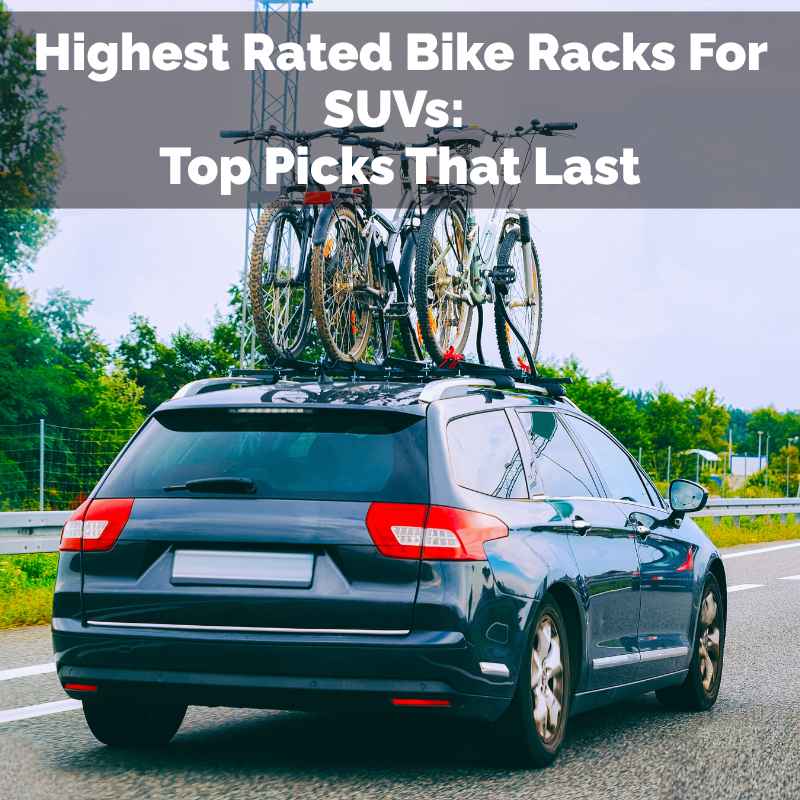
This is usually the strongest and most stable way to carry bikes. If your SUV doesn’t have one, you might need to get one installed. Other types include trunk racks that strap on, or roof racks that mount to your car’s crossbars.
Next, consider how many bikes you need to carry. Are you usually riding solo, or do you pack up the whole family? Bike racks come in different sizes.
A rack for two bikes is different from one that can hold four. Make sure the rack’s weight limit is also something your SUV can handle. Bikes can be heavy, especially together.
Security is super important. You don’t want your bikes bouncing around or, worse, falling off. The best racks have strong locking mechanisms.
These keep the bikes attached to the rack and the rack attached to your car. This gives you peace of mind on bumpy roads or long drives.
Ease of use matters a lot too. Loading and unloading bikes shouldn’t be a wrestling match. Some racks let you tilt them away from the SUV.
This means you can still open your trunk or rear hatch without taking the rack off. This is a huge convenience for packing gear or just getting to your water bottles.
Finally, durability is key. You’re investing in something to last. Look for racks made from sturdy materials like strong steel or aluminum.
Good finishes prevent rust and damage. Reviews often mention how well a rack holds up over time, through different weather conditions. This is where real-world experience really shines.
My SUV Bike Rack Nightmare (and What I Learned)
I remember this one time, maybe five years ago, when I was prepping for a weekend camping trip. I had just bought a new-to-me SUV, a big older model, and I was so excited to finally haul my mountain bike out to some epic trails. I’d picked up a relatively cheap trunk-mounted bike rack online.
It looked okay in the pictures. What could go wrong, right?
Well, the night before we were supposed to leave, I decided to test it out. The straps were confusing. I wrestled with them for what felt like an hour.
I finally got it attached, or so I thought. I put my bike on, and it looked. precarious.
The wheels were wobbling more than I liked. Then, as I gently nudged the car in my driveway, one of the straps loosened with a snap! The whole rack tilted forward.
My bike nearly slid off. I felt a wave of panic mixed with pure annoyance. That was the moment I realized that cheaping out wasn’t going to cut it.
I ended up driving my bike to the trails strapped precariously in the back of the SUV with the seats down, which was a dusty, cramped mess. That experience taught me to really research and invest in a rack that fits my vehicle and bikes properly. Safety and ease of use trump a few saved dollars every time.
SUV Bike Rack Types at a Glance
Hitch Racks: Mount into a trailer hitch. Very secure and stable. Great for heavier bikes and multiple bikes.
Some tilt for trunk access.
Trunk Racks: Strap onto the rear of the SUV. Good for vehicles without hitches. Can be less stable and may scratch paint if not careful.
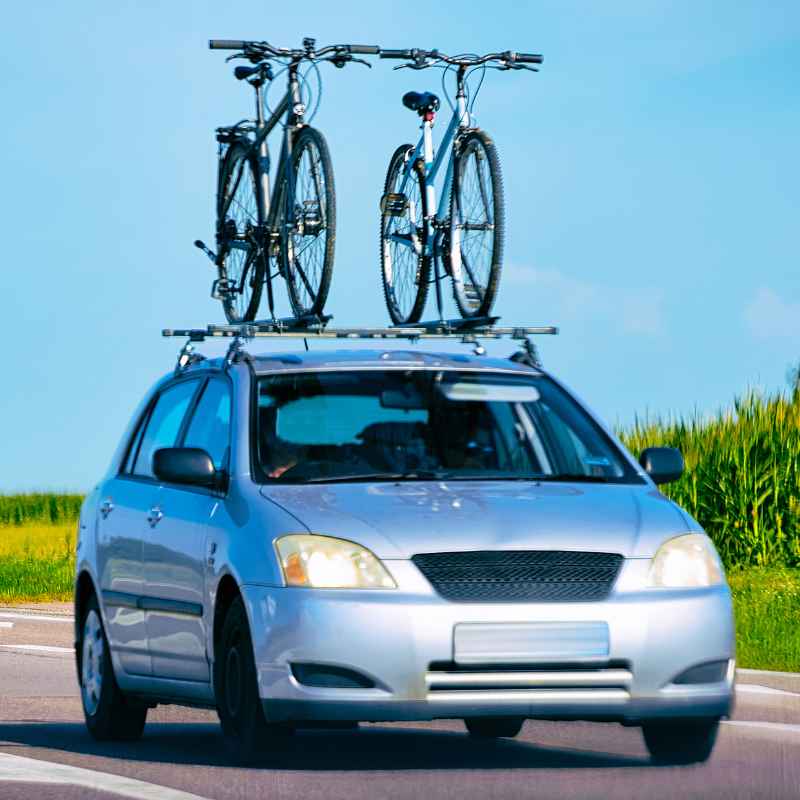
Roof Racks: Mount onto the car’s existing crossbars or rain gutters. Keeps bikes out of the way of the rear of the vehicle. Can be harder to load, especially for taller SUVs.
May affect fuel economy.
Spare Tire Racks: Mount onto the vehicle’s spare tire. A good option for SUVs with external spare tires. Capacity can be limited.
Top-Rated Bike Racks for Your SUV: What Experts and Users Love
Based on expert reviews and lots of happy customer feedback, some bike racks consistently rise to the top for SUVs. These are the ones that people trust with their expensive bikes, trip after trip. We’ll look at a few types that are popular and why they get such good marks.
Hitch-Mounted Racks: The Stable Choice
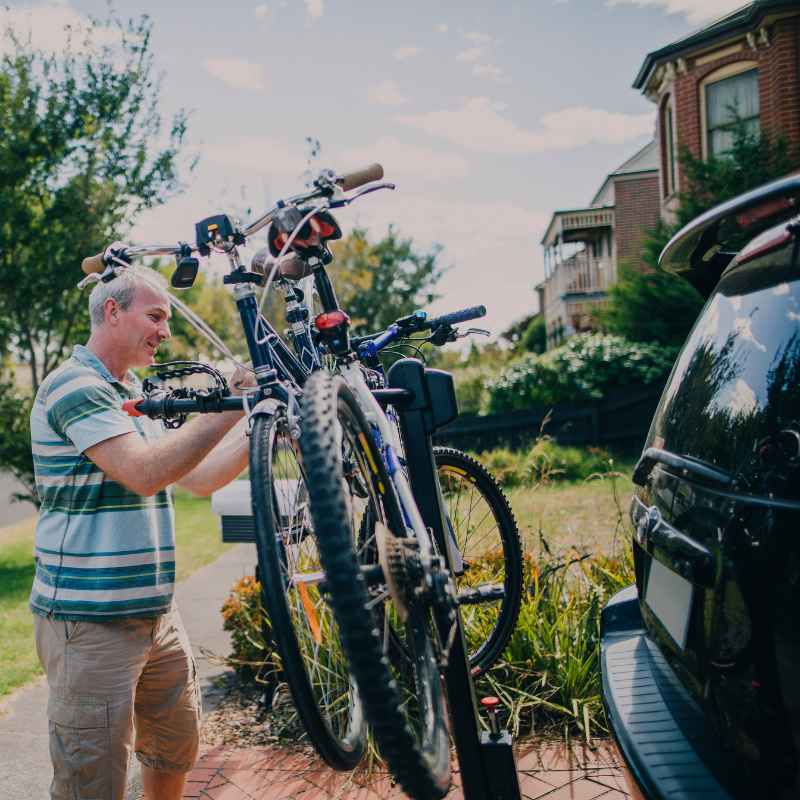
Hitch racks are often the go-to for SUVs. They slide right into your vehicle’s trailer hitch receiver. This makes them incredibly solid.
They have very little wobble, even on rough roads. Most good hitch racks are made of steel. This makes them strong and able to carry heavy bikes.
Key Features Users Praise:
- Exceptional Stability: Users consistently report minimal bike movement.
- Ease of Loading: Many models are low to the ground, making it simple to lift bikes on.
- Trunk Access: The tilt-away feature on many hitch racks is a lifesaver. It lets you open your SUV’s rear hatch without removing the rack.
- Security: Built-in locks for both the bikes and the rack itself are common.
- Durability: These racks are built to last, often with tough powder-coated finishes.
Brands like Thule, Kuat, and Yakima are well-known for their high-quality hitch racks. The Kuat NV 2.0 is a favorite for its sleek design, robust build, and integrated repair stand. Thule T2 Pro X is another top pick, praised for its adjustable trays and secure bike hold.
These can be pricier, but owners feel they are worth the investment for peace of mind.
For SUVs, ensure you have the correct hitch size. Most common are 1.25-inch and 2-inch receivers. Your SUV’s manual or the hitch itself will tell you which one you have.
A 2-inch receiver is generally recommended for heavier loads and more stable racks.
Quick Scan: Hitch Rack Benefits for SUVs
| Benefit | Why It’s Great for SUVs |
| High Weight Capacity | Haul multiple heavy bikes (e.g., e-bikes) without worry. |
| Excellent Stability | Reduces sway on larger vehicles, protecting bikes on varied terrain. |
| Trunk Access (Tilt) | Convenient for loading gear and accessing cargo space. |
| Bike Security | Integrated locks deter theft and keep bikes firmly in place. |
Trunk-Mounted Racks: The Hitch-Free Option
If your SUV doesn’t have a hitch, a trunk-mounted rack is a common alternative. These racks use straps and clips to attach to the trunk lid and bumper. They are generally more affordable than hitch racks.
They can also be a good choice for SUVs where a hitch might not be ideal or possible.
What People Like About Trunk Racks:
- No Hitch Needed: This is the biggest plus for many SUV owners.
- Affordability: They often cost less than hitch or roof systems.
- Ease of Storage: Many can be folded up and stored easily when not in use.
However, trunk racks can have drawbacks. They might not be as stable as hitch racks. There’s a higher chance of minor movement, especially on rough drives.
Also, the straps can sometimes scratch the paint on your SUV if you’re not careful during installation or if dirt gets trapped. Always clean your SUV’s surface before attaching and after removing the rack.
Popular brands include Saris and Allen Sports. The Saris Bones EX is a frequently recommended trunk rack. It’s known for its sturdy design and adjustability to fit many different SUV shapes.
Allen Sports Deluxe 2-Bike Trunk Mount Rack is another budget-friendly choice that gets good reviews for its simplicity.
When using a trunk rack, it’s crucial to follow the manufacturer’s instructions exactly. Make sure all straps are tight and properly secured. Give the rack a good tug to ensure it’s not going anywhere before you put your bikes on.
Trunk Rack vs. Hitch Rack: Key Differences
Trunk Rack:
- Attachment: Straps and clips to trunk lid.
- Pros: No hitch needed, often cheaper, easy to store.
- Cons: Less stable, potential for paint scratches, limited weight capacity.
Hitch Rack:
- Attachment: Slides into a trailer hitch.
- Pros: Very stable, high weight capacity, often tilts for trunk access.
- Cons: Requires a hitch, can be more expensive, heavier to handle.
Roof Racks: The Out-of-the-Way Solution
Roof racks are another option. They mount to your SUV’s roof rails or crossbars. This keeps the back of your SUV completely free.
It’s great if you often need to tow a trailer or use the rear cargo area for other things. You can also carry other gear on the roof at the same time.
What People Appreciate About Roof Racks:
- No Rear Obstruction: Keeps your view clear and your rear bumper free.
- Versatility: Can carry bikes, kayaks, skis, and cargo boxes all at once.
- Secure Hold: When properly installed, they hold bikes very firmly.
The main challenge with roof racks is lifting the bikes up there. For a tall SUV, this can be quite a workout. You also have to be mindful of overhead clearance, like in parking garages or under low bridges.
This is a big safety point to remember.
Brands like Inno, RockyMounts, and the higher-end models from Thule and Yakima offer excellent roof rack systems. They typically involve a fork mount (where you remove your bike’s front wheel) or a wheel-on mount. The fork mount is generally lighter and more stable for the bike.
The wheel-on mount is quicker to load as you don’t need to remove a wheel.
For SUVs, ensure your roof rack system is rated for the weight of your bikes plus the rack itself. Most roof rack systems will require an initial purchase of crossbars if your SUV doesn’t already have them. Then you add the specific bike carrier attachments.
Roof Rack Loading Tip
For taller SUVs: If lifting bikes to the roof is tough, consider a front-loading roof rack system. Some carriers have a ramp or a lower profile front section that makes it easier to get the bike started onto the rack.
Real-World Context: Choosing for Your SUV’s Shape and Size
Not all SUVs are the same. The shape of your rear end, the presence of a spare tire, and your vehicle’s height all play a big role in choosing the best bike rack. Let’s look at some common SUV scenarios.
The Classic SUV with No Hitch
Many drivers love SUVs for their versatility. But not every model comes with a factory-installed hitch. If yours doesn’t, you have two main paths: installing a hitch or using a trunk rack.
Installing a hitch is often the best long-term solution if you plan to carry bikes frequently or need to carry heavier bikes like e-bikes. U-Haul and similar places can install hitches, and it’s usually not too expensive.
If installing a hitch isn’t an option, a trunk rack is your best bet. For SUVs with a lot of glass or plastic on the rear hatch, look for racks with rubberized feet and protective pads. This helps prevent scratches and damage.
The Saris Bones is a popular choice here because its design allows it to fit a wide variety of trunk shapes.
SUVs with Spare Tires on the Back
Some SUVs, especially older models or those designed for off-roading, have a full-size spare tire mounted on the rear door. This changes your rack options. A standard trunk rack won’t work.
You’ll need a rack specifically designed for spare tires. These mount over the spare tire and hold your bikes in front of it.
Brands like Allen Sports and Smittybilt make spare tire bike racks. These are a great solution for Jeep Wranglers, Ford Broncos, and similar vehicles. Just make sure the rack is compatible with the size of your spare tire.
The mounting hardware needs to be secure.
It’s important to note that spare tire racks can sometimes obstruct your rear view. Also, ensure the rack is rated for the weight of your bikes, as they are cantilevered off the spare tire mount.
Large SUVs and Minivans
For bigger vehicles like larger SUVs or minivans, height can be a factor. Hitch racks are often preferred because they keep the bikes lower. This makes loading and unloading much easier.
If you opt for a roof rack on a very tall SUV, consider a rack that can be lowered or a ramp system.
When choosing a hitch rack for a large SUV, pay attention to the rack’s extension. Some racks might position bikes very close to the rear of the vehicle. You want enough clearance so bikes don’t hit the bumper or hatch when tilted.
Check the maximum tongue weight capacity of your hitch and the rack’s weight limit to ensure safety.
Compact SUVs and Crossovers
For smaller SUVs and crossovers, weight capacity and overall size of the rack are important. You don’t want a massive rack that overpowers a smaller vehicle. Hitch racks are still a great option if you have a hitch.
For those without a hitch, a well-fitting trunk rack is often a good choice.
Consider the aerodynamics too. A large rack on a smaller SUV can affect fuel economy more noticeably. Roof racks might seem like a good idea to save space, but again, consider the lifting effort.
Some compact SUVs have factory-installed side rails, which make adding crossbars and then roof bike carriers much simpler.
SUV Specific Considerations
Integrated Trailer Hitch: If you have one, a hitch rack is usually the best bet.
Rear Spare Tire: Look for spare tire specific racks.
Rear Hatch Design: Some hatches have spoilers or plastic trim that might interfere with trunk racks.
Vehicle Height: Affects ease of loading, especially for roof racks.
Tongue Weight Limit: Crucial for hitch racks; check your SUV’s capacity.
What This Means for You: When is Your Rack “Good”?
So, you’ve picked out a bike rack. How do you know if it’s really working well for you and your SUV? There are a few signs that tell you you’ve made a good choice, and some that hint you might need to re-evaluate.
When It’s Normal (and You’re Good to Go)
Smooth Rides: When you’re driving, especially on highways, the rack and bikes should feel very stable. You shouldn’t hear or feel much extra movement from the back of your SUV. A little bit of normal road vibration is fine, but excessive shaking or clanking is not.
Easy Access: If you have a tilt-away hitch rack, you should be able to tilt it down easily to open your trunk. This should be a smooth process, not a struggle. You should be able to get to your gear or groceries without a major effort.
Secure Bikes: When you check your bikes after a drive, they should be in the exact same position you left them. The straps or cradles should still be snug. Nothing should look loose or out of place.
The locks should feel solid.
No Damage: Your SUV’s paint should be free of new scratches or dents where the rack contacts it. Likewise, your bikes should not have any new marks or damage from the rack.
Simple Loading/Unloading: Lifting your bikes onto the rack should feel manageable for you. If it’s a constant battle, especially with heavier bikes, it might be the wrong rack for your strength or vehicle height.
When to Worry (and What to Check)
Excessive Wobble or Movement: If the rack itself shakes a lot, or if your bikes are swaying wildly, this is a major red flag. It could mean the rack isn’t installed correctly, is overloaded, or is not the right type for your SUV. Double-check all mounting points and straps.
If it persists, contact the manufacturer or consider a different rack.
Straps Coming Loose: If you find yourself constantly re-tightening straps, especially on a trunk rack, it might not be gripping your SUV properly. This is a safety issue. Ensure the straps are routed correctly and that the contact points are clean and dry.
Rattling Noises: While some minor sounds are normal, persistent, loud rattling or clanking from the rack or bikes can indicate something is loose. This could be the bike clamps, the rack’s connection to the hitch, or the bikes themselves shifting.
Difficulty Opening Hatch: If tilting your rack is a major effort, or if it doesn’t provide enough clearance for your hatch, it’s a usability problem. This can become a big hassle on every trip.
Scratches or Dents: If you start noticing marks on your SUV or bikes, the rack is likely causing friction or rubbing. Ensure protective pads are in place and clean. For trunk racks, make sure the surface is spotless before installation.
Weight Limit Concerns: If you have multiple heavy bikes (like e-bikes) and your rack feels strained, or if you’re approaching the rack’s or your SUV’s stated weight limits, it’s time to reconsider. Overloading is dangerous.
Simple Rack Checks (Quick Guide)
Before Every Ride:
- Visual Inspection: Look for any obvious damage or looseness.
- Wiggle Test: Gently try to move the rack and bikes. They should feel secure.
- Strap Check: Ensure all straps are tight and correctly fastened.
- Lock Engagement: Verify that any locking mechanisms are fully engaged.
Monthly Check:
- Bolt Tightness: If your rack has bolts, check if they are still tight.
- Rust/Corrosion: Look for any signs of wear that could affect strength.
Quick Fixes and Tips for SUV Bike Racks
Sometimes, a small adjustment or a simple trick can make a big difference in how your bike rack performs on your SUV. These tips are based on common issues people face.
Tightening Up Loose Hitch Mounts
One of the most common complaints with hitch racks is a bit of wobble where the rack inserts into the hitch receiver. Many racks come with an anti-wobble device, often a threaded pin or a clamp. Make sure this is installed correctly and tightened snugly.
If yours didn’t come with one, you can buy an aftermarket anti-wobble hitch tightener. These are inexpensive and make a huge difference in stability.
Securing Bicycles Effectively
For any rack, make sure the straps or clamps holding your bikes are snug but not so tight that they could damage your bike’s frame. For frame-mounted racks, avoid clamping on carbon fiber tubes if possible, or use extra padding. For wheel-mounted racks, ensure the straps are tight around the rims and tires.
If your rack has locking cables, use them! They are a good deterrent against opportunistic theft. Always lock your bikes to the rack, and if possible, lock the rack to your hitch as well.
Preventing Scratches on Your SUV
This is especially important for trunk racks and hitch racks that might swing close to the body. Always clean the contact points on your SUV before attaching the rack. Dirt and grit can easily cause scratches.
Many racks come with rubber or foam padding. Make sure these are in place and in good condition. If they wear out, you can often buy replacements or use thick, automotive-grade tape in a pinch.
For hitch racks, consider adding extra foam pipe insulation where the bike frames might rest against the SUV if you notice any contact. This is a cheap DIY solution.
Maximizing Trunk Access
If your tilt-away hitch rack isn’t tilting enough, check that you haven’t overloaded the rack. Sometimes, the weight of the bikes can make the tilt mechanism harder to operate. Also, ensure nothing is blocking the pivot point.
A little spray lubricant on the pivot might help if it’s stiff.
Storing Your Rack
When not in use, a bike rack can be cumbersome. Most hitch racks can be removed relatively easily and stored in a garage or shed. Some can even fold up.
Trunk racks are typically designed to fold flat for easy storage in your SUV’s cargo area or at home.
DIY Rack Upgrade: Pipe Insulation
What you need: Foam pipe insulation (the kind used for plumbing), zip ties or strong tape.
How to use it: Cut pieces of insulation to fit any points on your rack where bike frames might touch your SUV. Secure them with zip ties or tape. This adds extra cushioning and protection.
Frequently Asked Questions About SUV Bike Racks
What is the most stable type of bike rack for an SUV?
The most stable type of bike rack for an SUV is generally a hitch-mounted rack. They slide directly into your SUV’s trailer hitch receiver, which provides a very solid and secure connection with minimal wobble, even on rough roads.
Can I use a bike rack on an SUV without a trailer hitch?
Yes, you can. If your SUV does not have a trailer hitch, you can use a trunk-mounted bike rack that straps onto your rear hatch, or a roof-mounted bike rack system that attaches to your vehicle’s crossbars. Some SUVs with rear spare tires also have specific racks designed to mount there.
How many bikes can most SUV bike racks hold?
Most SUV bike racks are designed to hold between two and four bikes. Some heavy-duty hitch racks can even go up to five or six bikes, but you must always check the rack’s and your SUV’s weight capacity to ensure safe transport.
Will a bike rack damage my SUV’s paint?
There is a risk of paint damage, especially with trunk-mounted racks or if protective padding is worn. To minimize this risk, ensure the rack is installed correctly, clean your SUV’s contact points before installation, use racks with good padding, and check for wear on the padding regularly.
Are e-bikes too heavy for most bike racks?
E-bikes are significantly heavier than standard bicycles. You need to ensure that the bike rack you choose has a high enough weight capacity per bike and for the total load. Most standard trunk racks are not suitable for e-bikes.
Heavy-duty hitch racks are typically the best option, but always check the specifications carefully.
How do I make sure my bike rack is legal on the road?
In most places, bike racks are legal as long as they do not obstruct your license plate, taillights, or turn signals. Some states have specific laws regarding license plate visibility. It’s wise to check your local Department of Motor Vehicles (DMV) regulations or consult your rack’s manual for guidance.
What is the best way to secure my bikes to the rack?
Use all the provided straps, clamps, and locking mechanisms that come with your bike rack. Ensure they are snug and holding the bike firmly. For added security against theft, use integrated locks or add your own cable locks to secure the bikes to the rack itself.
Conclusion: Finding Your Perfect SUV Ride Companion
Choosing the right bike rack for your SUV is about more than just carrying your bikes. It’s about ensuring they get to your destination safely and conveniently. Whether you go for a super-stable hitch rack, a practical trunk mount, or a space-saving roof system, prioritize safety, ease of use, and how well it fits your specific SUV.
A little research now means many happy, stress-free adventures ahead.
Products related to this article
Sponsored / affiliate links. As an Amazon Associate I earn from qualifying purchases. I may earn additional commission from eligible campaigns.