Throttle Body Cleaning vs Fuel System Cleaning Guide
Clean the throttle body for idle flare, sticking throttle, or low-airflow codes; clean the fuel system for injector-fuel delivery symptoms, misfires under load, or fuel trim evidence, and skip both if scan data points elsewhere. Cleaning the wrong part wastes money and can hide the real fault. This guide compares symptoms, code types, and engine layouts so you can pick the right service.
| Decision factor | Throttle Body Cleaning | Fuel System Cleaning | Winner |
|---|---|---|---|
| What it addresses | Airflow deposits on the throttle plate and bore | Deposits on injectors and fuel-delivery passages | Tie |
| Best symptom pattern | Idle flare, rough idle, light-throttle stumble | Misfire under load, lean trim, spray-pattern issues | Tie |
| Ease for DIY | Usually easier; moderate difficulty | Fuel additive is easy; deeper injector service is harder | Throttle Body Cleaning |
| What it cannot fix | Weak fuel pump, clogged injector, vacuum leak, bad MAF | Sticky throttle plate, bad throttle motor, intake air leak | Tie |
| GDI limitation | Can help airflow, not intake-valve deposits | Tank additives do not directly remove intake-valve deposits | Tie |
Throttle body cleaning vs fuel system cleaning: which problem are you actually chasing?
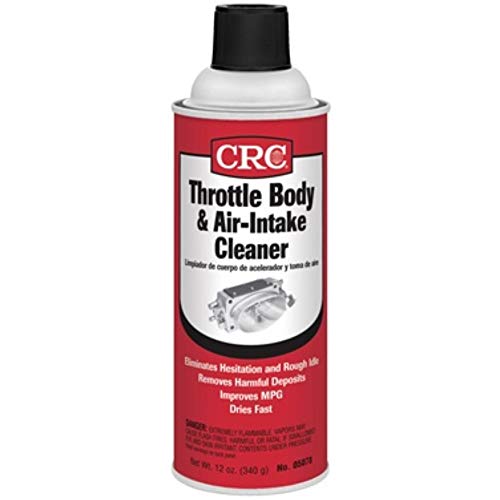


Throttle body cleaning targets airflow at the throttle plate and intake bore. Fuel system cleaning targets fuel delivery at the injectors and related passages. That difference matters because rough idle, hesitation, stalling, and poor fuel economy can come from either side, or from something else entirely.
Read the symptom pattern, OBD-II codes, and engine layout before you spend a minute on cleaner. If the wrong part is dirty, the cleaning will not fix the complaint. It can also push diagnosis farther from the real fault.
📊 A typical throttle body cleaning can take about 45 minutes. Source: Fuel Injector Cleaning vs Throttle Body: 7 Key Tips.
What each service touches under the hood

Throttle body, throttle plate, and electronic throttle control
The throttle body is the air-intake component between the air filter box and intake manifold. It contains the throttle plate, also called the butterfly valve, which controls airflow, not fuel flow. On many vehicles it sits near the mass airflow sensor, and some cars route an engine coolant line through the assembly.
Throttle body buildup affects idle and light acceleration most noticeably. Electronic throttle control adds another layer: many newer cars use drive-by-wire, so forcing the plate open or soaking electrical components can damage the assembly. Clean the bore, not the electronics.
Fuel injectors, fuel system cleaning, and deposit control
Fuel injectors are fuel-delivery components with tips and internal passages. When deposits change the spray pattern or restrict flow, the engine can run lean, misfire, or hesitate under load. A 2017 Applied Energy study reported a 2.21% fuel-flow loss in a fouled GDI injector at 150 bar, along with increased spray penetration and mean droplet size.
Fuel system cleaning targets that side of the engine. Depending on the fault, it may mean a fuel additive or a pressurized service. The right method depends on whether injector deposits are the verified cause.
Where the mass airflow sensor fits in the picture
A contaminated mass airflow sensor can imitate throttle-body trouble because it also affects air metering. That is why a scan tool and a quick inspection matter before any cleaning. If the MAF is dirty, a spotless throttle body will not solve the complaint.
Suppose a 2.0-liter four-cylinder idles rough after a dusty commute, and the scan tool shows airflow-related codes plus a dirty MAF element. Start there. Cleaning the throttle body first would miss the more likely fault.
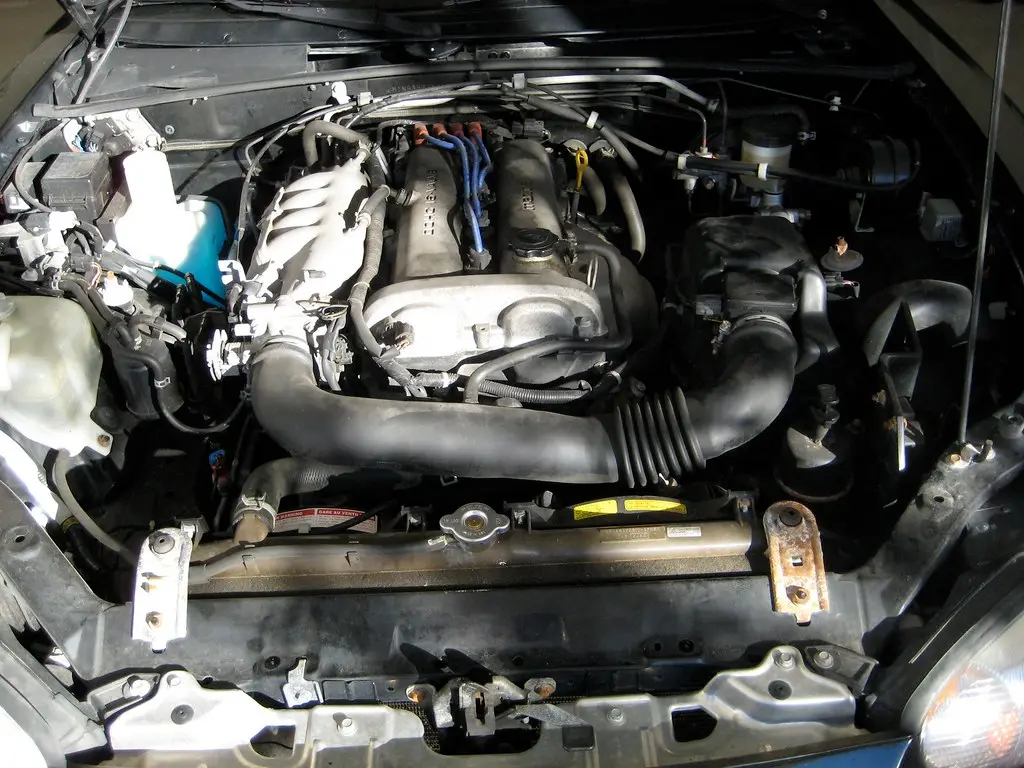
Which symptoms point to a dirty throttle body versus dirty injectors?
Idle flare, sticking throttle behavior, and a stumble right off idle often point more toward throttle-body deposits. Hesitation under load, lean running, and misfire counts often point more toward injector flow or spray problems. Symptoms overlap, so visible deposits and scan data matter more than guesswork.
Idle flare, stalling, and sticky throttle behavior
Look at the seat line around the throttle plate and the bore. Visible carbon or varnish there is a reason to consider cleaning. On an electronic throttle body, a dirty plate can make the idle hunt or cause a momentary stall when the throttle closes.
Hesitation, lean running, misfire counts, and spray-pattern problems
Fuel-delivery faults usually show up as trim movement, misfire counts, or drivability trouble under load. If one cylinder misfires more than the others, injector issues rise on the list. If trims are lean across the board, a vacuum leak or fuel-pressure fault may outrank cleaning entirely.
How visible deposits and scan data change the call
Symptoms alone do not prove the dirty part. A rough idle can come from a vacuum leak, ignition fault, sensor issue, or fuel-pressure problem. Scan the codes first, save them, and then decide whether the evidence points to airflow, fuel delivery, or a different system.
What a cleaning can fix, and what it cannot

Throttle body cleaning can restore smoother idle and cleaner light-throttle response when the plate and bore are coated. Fuel system cleaning can help when injector deposits are verified and the engine’s symptoms match that failure mode. Neither service is a cure-all.
Throttle-body gains and hard limits
A dirty throttle body can cause unstable idle, delayed response, and light acceleration complaints. Cleaning the bore and plate can help if buildup is present. It will not fix a weak fuel pump, a clogged injector, or a vacuum leak.
Electronic throttle control needs particular care. Do not force the plate open and do not soak electrical components. That warning matters more than the cleaner brand.
Fuel-system gains and hard limits
Fuel injector cleaning can improve fuel delivery when deposits have changed spray pattern or flow. That is where it belongs. It will not fix a sticky throttle plate, a bad throttle motor, or air leaks before the intake manifold.
Fuel-tank additives also cannot directly wash intake-valve deposits in GDI engines because those deposits sit downstream of the injectors. That is why a bottle of cleaner is not a universal answer.
When to stop cleaning and inspect for vacuum leaks, ignition faults, or fuel-pressure issues
If the scan data points to lean mixture with fuel trims climbing hard, stop and inspect for vacuum leaks first. If misfire counts cluster on one cylinder, check ignition and injector operation before cleaning anything. If the engine cranks, stumbles, or dies under load, fuel pressure deserves attention.
- Read and save OBD-II codes before clearing anything.
- Check fuel trims, misfire counts, and engine speed at idle and light load.
- Inspect for visible deposits on the throttle plate, bore, and injector tips where accessible.
- Look for vacuum leaks, ignition faults, and fuel-pressure concerns if the data does not fit a simple deposit problem.
How to decide from OBD-II codes, trims, and engine type
Codes matter because they point to the system most likely at fault. Misfire, lean-mixture, throttle-position, and airflow codes each lean the diagnosis in a different direction. Save the code list before cleaning, then match it to the symptom pattern and engine layout.
Why misfire, lean-mixture, throttle-position, and airflow codes matter
A throttle-position or airflow code can fit a dirty throttle body or a bad MAF sensor better than injector cleaning. Lean-mixture and misfire codes may point toward injector deposits, fuel pressure, or an air leak. The code is not the diagnosis, but it narrows the field.
Why GDI changes the diagnosis
GDI engines add a separation between fuel delivery and intake-valve deposits. Fuel injectors sit elsewhere, so a fuel additive can help injector cleanliness without touching intake-valve buildup. That is why a GDI rough-idle complaint needs a layout check before you buy any cleaner.
When a contaminated MAF sensor can imitate the wrong fault
The MAF sits near the throttle body in many vehicles, so its contamination can look like an airflow problem. If the engine behaves as though it has a dirty throttle body but the plate looks clean, inspect the sensor and the intake tract. A false positive here wastes time fast. (en.wikipedia.org)
Decision matrix: symptom, engine layout, and scan data

This is the fault-isolation step. Match the symptom, engine type, and scan result to the most likely service, then note what that service cannot fix. If the “cannot fix” column fits your complaint better, stop cleaning and inspect the next likely system.
| Scenario | Symptom and scan data | Engine type | Likely service | What it cannot fix |
|---|---|---|---|---|
| Daily driver with rough idle at stoplights | Idle flare, sticky return to idle, throttle-position or airflow code, visible carbon at plate | Port injection or GDI | Throttle body cleaning | Vacuum leak, bad MAF, fuel-pressure fault |
| High-mileage car with hesitation on acceleration | Lean trim, light misfire count under load, injector balance concerns | Port injection | Fuel system cleaning after diagnosis | Ignition coil problem, air leak, weak pump |
| Direct-injection engine with rough idle | No throttle deposits, injector data normal, intake-valve carbon suspected | GDI | Neither cleaning by itself | Intake-valve deposits not removed by tank additive |
| Car with one-cylinder misfire and fuel trim swing | Misfire on one cylinder, plugs or coils not yet checked | Any | Inspect ignition and injector first | Cleaning will not fix a bad coil or plug |
| Dusty commuter with airflow code and clean throttle body | MAF contamination suspected, throttle plate looks clean | Any | MAF inspection and cleaning | Throttle-body cleaner will not solve MAF faults |
Daily-driver scenarios
For daily drivers, cheap diagnostic discipline beats parts-swapping. A can of throttle-body cleaner is reasonable when deposits are visible and the symptoms fit idle control. A shop fuel service is wasteful if the real issue is a dirty MAF or a split vacuum hose.
High-mileage car scenarios
High mileage by itself does not pick the service. It does make injector deposits and throttle-body varnish more likely, especially with city driving. Check the code pattern first, then clean only the side that matches the data.
Direct-injection scenarios
GDI engines need extra caution because one cleaning does not solve all deposit types. Fuel injector cleaning may improve injector flow, but it will not directly remove intake-valve deposits. If the code set and symptom pattern do not fit injector fouling, save your money for a better diagnosis.
Choose throttle body cleaning if… / Choose fuel system cleaning if…
Choose throttle body cleaning when the complaint tracks to airflow control at idle and light throttle. Choose fuel system cleaning when the evidence points to injector deposits or fuel-delivery trouble. If the data points to neither, stop cleaning and inspect the next fault source.
Choose throttle body cleaning if…
- The throttle plate or intake bore has visible carbon or varnish.
- The engine idles erratically, stalls at stoplights, or responds slowly off idle.
- The codes point to throttle-position or airflow problems.
- The MAF, vacuum lines, and ignition parts have already been checked.
Choose fuel system cleaning if…
- The scan data shows lean running or misfire patterns that fit fuel delivery.
- Injector deposits or spray-pattern issues are the verified concern.
- The engine is port-injected and the symptoms match fuel-side contamination.
- The throttle body is clean and the fuel-pressure system checks out.
When neither service is the right next step
If the engine has a vacuum leak, bad ignition component, weak pump, or contaminated MAF, cleaning the wrong part only delays repair. That is especially true when codes and trims do not point to a deposit issue. Diagnose first, clean second.
Frequently asked questions
Throttle body cleaning vs fuel injector cleaning
Throttle body cleaning fixes airflow-control deposits at the plate and bore. Fuel injector cleaning addresses fuel-delivery deposits in the injectors and their passages. They solve different faults, so choose based on codes, trims, visible buildup, and engine layout rather than on mileage alone.
Fuel system cleaning vs throttle body cleaning
Fuel system cleaning is the better fit for injector deposits, spray-pattern issues, and some lean or misfire complaints that point to fuel delivery. Throttle body cleaning is better when idle control, light-throttle response, or airflow codes point to buildup on the throttle plate or bore. They are not interchangeable.
Does fuel injector cleaner clean throttle body
No. Fuel injector cleaner is meant for the fuel side, not the throttle body. It does not directly clean the throttle plate, bore, or electronic throttle assembly. If the throttle body is dirty, use the correct intake-safe cleaner and proper procedure.
Is throttle body cleaning necessary
Not on a schedule by itself. It becomes worth doing when deposits are visible or when the symptom pattern fits throttle-body trouble, such as unstable idle or lazy tip-in. If the codes and scan data point elsewhere, cleaning the throttle body may be unnecessary.
How often to clean throttle body
There is no single interval that fits every engine. Many vehicles go a long time without needing it, while some build deposits sooner because of driving pattern or maintenance history. Clean it when inspection, codes, or symptoms support the job, not just because a mileage number sounds due.
Does cleaning throttle body improve gas mileage
Sometimes, but only if a dirty throttle body was hurting airflow control enough to affect efficiency. It is not a guaranteed mileage fix. If fuel economy is down because of a vacuum leak, ignition fault, or sensor problem, throttle-body cleaning will not correct it.
What symptoms point to a dirty throttle body versus dirty injectors
Dirty throttle body symptoms usually show up as rough idle, stalling, or hesitation just off idle. Dirty injectors more often point to misfires under load, lean trims, and uneven fuel delivery. The scan tool, visible deposits, and engine type should decide the call.
Can throttle body cleaning fix rough idle
Yes, if the rough idle comes from a sticky throttle plate or buildup in the bore. It will not fix every rough idle complaint. Vacuum leaks, ignition faults, MAF contamination, and fuel-pressure issues can create the same symptom and need different repairs.
When does a fuel system cleaning help more than throttle body cleaning
Fuel system cleaning helps more when the evidence points to injector deposits, fuel trim problems, or misfire patterns that fit poor fuel delivery. It is the better choice on the fuel side, not the airflow side. In GDI engines, remember that tank additives do not directly remove intake-valve deposits.
Products related to this article
Sponsored / affiliate links. As an Amazon Associate I earn from qualifying purchases. I may earn additional commission from eligible campaigns.