Best Glue for Car Plastic: The Right Adhesive by Plastic Type
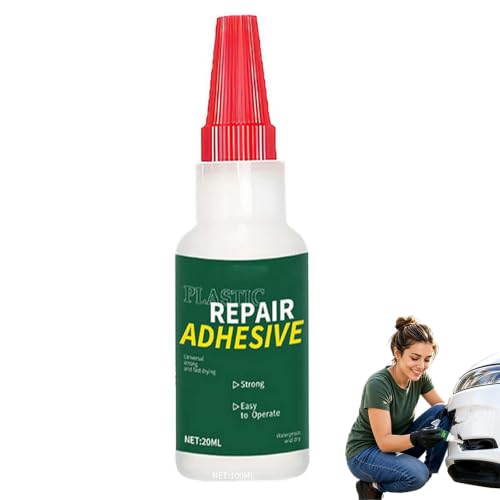
Best glue for car plastic depends on what’s broken: cyanoacrylate for small rigid pieces, two-part epoxy for structural cracks, and a flexible urethane bonder for bumper covers that flex. Skip priming polypropylene (PP) or TPO first, and even a 3,770 PSI adhesive like J-B Weld BumperWeld peels within weeks. This guide covers the right glue by plastic type, the primer step most DIYers skip, and how to apply it step-by-step.
Insert your Affiliate Disclosure reusable block here.
Quick Answer
For small rigid pieces (grilles, clips, interior trim), use a cyanoacrylate plastic-bonding kit. For structural cracks in dashboards or brackets, use a two-part epoxy. For flexible bumper covers, use a flexible urethane plastic bonder — and always wipe the surface with isopropyl alcohol and apply a PP/TPO adhesion promoter first, or the bond will peel within weeks.
What You’ll Need Before You Start
Every plastic repair needs the same prep regardless of which adhesive you end up using. Gather these before you open any glue tube:
- Isopropyl alcohol (90%+) and a lint-free cloth
- PP/TPO adhesion promoter — only needed if the part is unpainted polypropylene or TPO
- Nitrile gloves and eye protection
- 120–180 grit sandpaper, for painted or glossy rigid surfaces
- Painter’s tape or a small clamp to hold pieces in position while the adhesive cures
- The correct adhesive for your plastic type — see the comparison below
Which Glue Should You Use? By Plastic Type
There isn’t one “best” glue for car plastic — the right choice depends on whether the piece needs to stay rigid or flex, and how much load the repair will carry.
| Glue Type | Bond Strength | Flexes? | Best For |
|---|---|---|---|
| Cyanoacrylate (CA) plastic-bonding kit | High initial grip, brittle | No — cracks under flex | Small rigid pieces: clips, grilles, interior housings, key fob shells |
| Two-part structural epoxy | 3,500+ PSI | No — rigid cure | Structural cracks: dashboards, brackets, mounts |
| Flexible urethane plastic bonder | 3,770 PSI, 35% elongation | Yes | Bumper covers, flexible trim, fender liners |
| PP/TPO adhesion promoter (primer, not a glue) | N/A — surface prep | N/A | Applied before any of the above, on unpainted polypropylene or TPO |
Best Flexible Bumper Bonder Pick
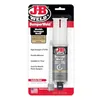
J-B Weld BumperWeld Syringe
A two-part urethane adhesive rated 3,770 PSI with 35% elongation — the flex a rigid epoxy can’t match, made specifically for bumper covers.
- Best for: Flexible bumper covers and fender liners that need to move without cracking
- Why we picked it: The only category here rated to flex — 35% elongation vs. a rigid epoxy’s 0%
- Main drawback: Manufacturer lists ABS, PC, fiberglass, and aluminum, not PP/TPO specifically — prime bare PP/TPO first regardless
Compare more car plastic adhesive options
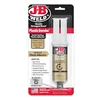 Structural Epoxy J-B Weld 50133 Plastic Bonder
|
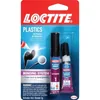 CA Glue + Activator Loctite Super Glue Plastics Bonding System
|
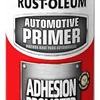 Primer (Critical Step) Rust-Oleum Automotive Adhesion Promoter
|
As an Amazon Associate we earn from qualifying purchases.
📊 J-B Weld’s BumperWeld urethane bonder is rated 3,770 PSI bond strength with 35% elongation and sets in 15 minutes — but the manufacturer’s own spec sheet lists it for ABS, PC, fiberglass, and aluminum, not specifically polypropylene or TPO without a primer step first. Source: J-B Weld, BumperWeld product page, 2026
Why Most Car Plastic Glues Fail (The PP/TPO Problem)
Polypropylene (PP) and TPO (thermoplastic olefin) are the plastics used in most modern bumper covers and many interior trim panels, because they’re flexible and impact-resistant. Their low surface energy is the catch: glue molecules can’t grip the surface the way they do on ABS or polycarbonate. Skip a chemical adhesion promoter first, and even a correctly-chosen adhesive will separate cleanly from the plastic within days or weeks — often peeling off in one intact sheet, glue and all.
How Do You Know If a Part Is PP or TPO?
Look for a small recycling code — “PP” or the number “5” inside a triangle — molded into the underside or an inner edge of the part. A second clue: factory paint on PP/TPO bumper covers tends to flex and flake off in large flat sheets when damaged, rather than chipping in small flecks the way paint on rigid ABS does.
Why Does the Adhesion Promoter Have to Go on Right Before the Glue?
PP/TPO adhesion promoters work by briefly etching and chemically activating the plastic’s surface, and that activation fades. Most manufacturer data sheets call for applying the adhesive within 60–90 seconds of the promoter flashing off — wait too long, or apply it hours ahead of time, and you’re back to gluing an unprimed surface.
This is also why cosmetic scratches don’t need this step at all — if the plastic isn’t cracked or separated, you’re not gluing anything. See our guide on repairing scratches on a plastic bumper for that separate process.
“A two-part adhesive that provides strong repairs to automotive bumpers… can bond, fill gaps, and seal cracks.”
How to Glue Car Plastic the Right Way (Step-by-Step)
- Identify the plastic and the break type: Check for a recycling code stamp (PP, ABS, PC) near the part’s edge, and decide whether the crack needs to flex (bumper cover) or stay rigid (bracket, housing).
- Clean and dry the surface: Wipe the repair area with isopropyl alcohol on a lint-free cloth and let it flash-dry for at least a minute — skipping this leaves oils behind that block adhesion.
- Sand glossy or painted surfaces: Rough up factory paint or gloss with 120–180 grit sandpaper so the adhesive has a surface to grip.
- Apply adhesion promoter on bare PP or TPO: Spray or wipe on a PP/TPO adhesion promoter and wait the manufacturer’s flash time — usually 60–90 seconds — before moving to the next step.
- Apply the correct adhesive: Use a CA plastic-bonding kit for small rigid pieces, a two-part epoxy for structural cracks, or a flexible urethane bonder for bumper covers.
- Clamp and cure: Hold or tape the pieces in position for the adhesive’s set time, then let it sit at room temperature for the full cure time before sanding, painting, or reinstalling.
If the repair will be painted, follow up with our guide to painting a plastic car bumper once the adhesive has fully cured.
Frequently Asked Questions
Can super glue be used on car plastic?
Yes, for small rigid pieces like clips or interior trim, but ordinary cyanoacrylate is brittle and will crack under flex or vibration. For bumper covers or anything that needs to bend, use a flexible urethane bonder instead — plain super glue is the wrong chemistry for a part that moves.
Is Gorilla Glue good for car plastic?
Original Gorilla Glue is a polyurethane that expands as it cures and isn’t rated for structural automotive plastic repairs. Gorilla’s separate Super Glue (cyanoacrylate) line behaves like other CA glues — fine for small rigid pieces, but neither one replaces a dedicated flexible plastic bonder on a bumper cover.
How long does car plastic glue take to dry?
Most two-part structural adhesives set in 5–15 minutes and reach a sandable or paintable cure in 30 minutes to a few hours, though full chemical cure can take up to 24 hours. Check the specific product’s data sheet before putting any load on the repair.
What’s the best glue for a plastic key fob case?
A small dab of cyanoacrylate (super glue) or a 5-minute two-part epoxy works well for a cracked key fob shell, since it’s a small, rigid, low-stress piece. Avoid flexible bonders here — their slower set time makes it hard to hold the tight seam of a fob case closed while it cures.
Do you need to prime plastic before gluing it?
Only if it’s unpainted polypropylene (PP) or TPO, which have low surface energy that most adhesives can’t grip on their own. A PP/TPO adhesion promoter applied 60–90 seconds before the adhesive is what makes the bond hold for the long term instead of peeling off in one piece.
Can you paint over glued car plastic?
Yes, once the adhesive has fully cured — check the product’s cure time first. Lightly sand the repair, apply a flexible plastic primer if the surrounding area is bare plastic, then use a paint system rated for flexible parts so the finish doesn’t crack along the repaired seam.
Conclusion
Match the adhesive to the plastic, not the other way around. Cyanoacrylate handles small rigid pieces, two-part epoxy holds structural cracks, and a flexible urethane bonder is the only category here rated to flex with a bumper cover. None of them last without a PP/TPO adhesion promoter first — skipping that one step is the most common reason a “correct” glue repair peels within a season anyway.
Looking to attach decorative trim strips, moldings, or emblems instead of repairing broken or cracked plastic? See our trim adhesive for car guide — it’s a different job with different products.
Products related to this article
Sponsored / affiliate links. As an Amazon Associate I earn from qualifying purchases. I may earn additional commission from eligible campaigns.