Best Coolers for Car Plug-In (2026): We Compared
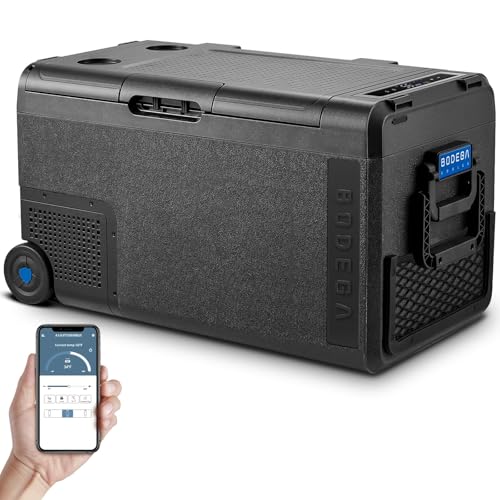
The best cooler for car plug in is a 12V compressor cooler if you need real refrigeration, while a thermoelectric plug-in cooler is the better low-cost pick for short commutes and mild-weather grocery runs. Pick the wrong type and you get warm drinks, wilted food, or a box that drains power without holding safe temperatures. This guide compares both plug-in cooler types, explains where each one fits, and names the better choice for road trips, camping, trucks, and RV use.
Quick comparison
| Product | Badge | Best for | Price | ||
|---|---|---|---|---|---|
 |
EUHOMY 23QT 12 Volt Refrigerator, -4℉~68℉ Electric CoolerEUHOMY | Our pick | 23QT · Compressor · 12V/AC | $149.99
Price as of 23 Oct 2026
|
View |
 |
Igloo IE24 Thermoelectric Cooler & Warmer | 12V PortableIgloo | Budget pick | 12V · Thermoelectric · 32 Cans | $123.13
Price as of 23 Oct 2026
|
View |
 |
EUHOMY 80QT Portable Electric Cooler, Car refrigerator, 0℉EUHOMY | Also great | $369.99
Price as of 23 Oct 2026
|
View | |
 |
VEVOR 12V Car Refrigerator 10 QT, Portable Mini FreezerVEVOR | Also great | $124.90
Price as of 23 Oct 2026
|
View |
The core trade-off is simple: compressor coolers can freeze and recover temperature faster, while thermoelectric coolers are lighter, cheaper, and better for shorter drives in moderate weather. If your trip includes long stops, hot cabins, or food safety concerns, compressor wins. If you mainly want cold drinks without paying for freezing power, thermoelectric is the cheaper fit.
How we chose
This comparison focuses on what matters on the road, not spec-sheet filler. The main filters were freezing ability, power type, battery-safety features, noise, capacity fit, and whether the cooler suits real trip lengths.
We also weighed convenience details that buyers often miss: 12V cigarette-lighter use, 24V compatibility for trucks and RVs, Bluetooth/app control, and the space penalty that comes with larger compressor units. Those details affect how the cooler behaves in a trunk, a back seat, or an overnight parking situation.
| Buyer scenario | EUHOMY 23QT compressor | Igloo IE24 thermoelectric | Better pick |
|---|---|---|---|
| Solo commute | Capacity is on the large side for one person; can freeze if needed; louder but still moderate at about 40dB | Smaller-feeling everyday fit; cools below ambient, not true freezing; useful for drinks and lunch | Igloo |
| Couple weekend trip | Better for leftovers, drinks, and cold prep items; true freezing helps with ice cream or frozen packs | Fine for beverages and sandwiches, but not for frozen food storage | EUHOMY |
| Family road trip | Stronger choice because real refrigeration matters and 23QT is still compact enough to move | Can hold drinks, but capacity and cooling limits become noticeable fast | EUHOMY |
| Hot-climate use | Handles heat much better and can reach freezing temperatures | Performance drops in heat; cools only about 30-40°F below ambient | EUHOMY |
| Overnight parking | Battery protection matters more here; 3-level protection lowers starter-battery risk | Less useful for long stops because it cannot freeze and still draws power | EUHOMY |
| Truck/RV use | 12V and 100-240V support suit travel and campsite power; better if food safety matters | Works in a truck or RV, but is better as a warmer/cooler for short runs | EUHOMY |
EUHOMY 23QT compressor cooler: best for road trips and camping
The EUHOMY 23QT is often a better pick for buyers who need real refrigeration on the move. It reportedly freezes to around -4℉, and the product details say it can cool from 77°F to 32°F in about 15 minutes. That kind of recovery is why compressor coolers beat thermoelectric units for long drives, camping, and food storage.
It also fits the practical use case better than its larger cousins. A 23QT box is still manageable in a trunk or cargo area, but it has enough room for drinks, meal prep, dairy, and a few frozen items. The 3-level battery protection is the kind of feature that matters when the vehicle sits parked and the cooler keeps running.
There are trade-offs. Compressor coolers are usually more expensive than thermoelectric models, and they take up more space than a small 12V lunch box. Noise is another factor, though this unit is listed at 40 decibels, which keeps it in the expected range for compressor designs.
What stands out
The main advantage is freezing power, not marketing copy. This model gives you true freezer capability, ECO and MAX modes, and 12V plus 100-240V support, which makes it easier to move between a car, a wall outlet, and a campsite setup. The published low-noise claim gives it a more livable profile than many bulky compressor units.
That matters for actual trip planning. Say your family leaves at 6 a.m. for a five-hour drive in July, and the cooler starts with milk, lunch meat, and a few frozen drinks. A compressor unit like this can hold safe temperatures through the day; a thermoelectric unit may only stay below ambient and can struggle once cabin heat climbs.
Honest drawback
The size is practical, but it is not tiny. If you are a solo commuter carrying only lunch and a drink, a 23QT compressor cooler is more cooler than you need, and the extra bulk is the price of real freezing. It is also the pricier choice in this two-pick comparison.
Igloo IE24 thermoelectric cooler: best for short drives and mild weather
The Igloo IE24 is the better low-cost choice when you only need cold storage, not freezing. Thermoelectric coolers cool below ambient temperature, and the general rule is that they do not truly freeze food. This makes them useful for drinks, lunch, and grocery runs, especially when the weather is mild.
Its appeal is convenience. The unit holds up to 32 cans, and it can also heat to 136 F, which helps in winter use. That warm function is something compressor-only buyers usually do not get in this price tier.
The drawback is also straightforward: thermoelectric cooling is weaker in heat. If the cabin is hot, the box is working against a warmer starting point and still only cooling about 30-40°F below ambient, so it is not the right call for frozen food or long summer road trips.
Honest drawback: the limitation is the cooling
The limitation is the cooling ceiling. If you need ice cream to stay frozen, or you want to store raw meat safely across a long day, this is the wrong type. It also loses ground quickly in very hot weather, which is exactly when many drivers reach for a plug-in cooler first.
Choose EUHOMY 23QT if… / Choose Igloo IE24 if…
Choose the EUHOMY 23QT if you need true refrigeration, travel for more than a quick commute, or expect hot cabin temperatures. It is the stronger pick for road trips, camping, overnight parking, and any situation where food safety matters more than initial purchase price.
Choose the Igloo IE24 if you mainly want cold drinks and packed lunches for short drives, and you do not need freezing. It is also the easier choice if you want a warmer function for winter commuting or if the budget is tight.
Choose the EUHOMY 23QT if you plan to run the cooler from a vehicle and from AC power at home or at a campsite. Choose the Igloo IE24 if portability and lower upfront cost matter more than freezer capability.
Should you buy a compressor or thermoelectric cooler?
Buy a compressor cooler if you need real cold, faster pull-down, or any chance of freezing food. Buy a thermoelectric cooler if your use case is limited to short trips, soft cooling, and moderate weather. That is the cleanest split, and it is the one most buyers should use before looking at price or brand extras.
Compressor models are often the safer long-trip option because they keep working like a small refrigerator. They are commonly reported to use about 45W in ECO mode, run around 40-45dB, and often support both 12V DC and AC input. That makes them better for road trips, camping, trucks, and RVs.
Thermoelectric models are lighter and usually cheaper, but they only cool below ambient temperature. Go Carlife’s guidance puts them at about 30-40°F below ambient, which is fine for drinks and leftovers, but not for freezing or very hot cabins.
How many quarts do you need in a plug-in car cooler?
For solo use or a couple, 17-23 quarts is usually a practical range. That size works for lunch, drinks, and a few groceries without taking over the trunk or back seat. For families, 55-64 quarts is the more realistic range, especially if you want space for snacks, drinks, milk, and meal prep.
Size is a trade-off, not a badge of quality. A bigger cooler gives you more flexibility, but it also takes away cargo room and becomes harder to move. The right answer depends on passenger count, trip length, and whether the cooler stays in the car full-time.
Picture a couple heading out for a two-night hotel trip. A 19- to 23-quart compressor cooler is usually enough. Now picture two adults and two kids on a summer road trip. That same box can feel cramped fast, and a larger dual-zone portable fridge starts to make sense if separate fridge and freezer sections matter.
Will a 12V car cooler drain your battery?
Yes, it can, especially on long stops with the engine off. A 12V car cooler is designed for cigarette-lighter compatibility, but that does not mean the battery is unlimited. Battery protection settings matter because they reduce the risk of draining a starter battery to the point where the vehicle will not start.
Look for Low, Medium, and High voltage cutoff settings. Those settings tell the cooler when to stop pulling power as the battery falls. For overnight parking, that feature is not optional; it is the difference between waking up with cold food and waking up with a dead battery.
For truck and RV owners, 24V compatibility widens the fit to more vehicles and electrical setups. For everyone else, the rule is simple: if the engine will be off for a long period, use battery protection and do not assume any plug-in cooler is safe to leave running forever.
Can a plug-in car cooler freeze food or just keep it cold?
Only compressor coolers can truly freeze food. Thermoelectric coolers can keep things cool and sometimes warm, but they do not freeze. That distinction matters more than brand names or capacity numbers because it decides whether the box works like a refrigerator or just like a powered picnic cooler.
Compressor units are built for refrigeration. The BougeRV CR22, for example, is listed as freezing to -8°F, and the same category of cooler is commonly used when users need ice packs, frozen meals, or temperature-sensitive food to stay frozen on the road. Thermoelectric coolers are better thought of as portable chillers.
A common first-timer mistake is packing raw meat in a thermoelectric cooler for a long drive because the box feels cold to the touch. Cold is not the same as frozen, and below-ambient cooling can still be too weak once the vehicle heats up.
What is the quietest plug-in cooler for a car?
Thermoelectric coolers are often the quieter-feeling choice, but they give up freezing power and hot-weather strength. Compressor units usually sit around 40-45dB, which is quiet enough for many drivers but still more noticeable than a passive ice chest. In this comparison, the EUHOMY compressor model is listed at 40 decibels, while the Igloo thermoelectric is not given a decibel figure here.
If quiet is your main concern and you only want drinks chilled, thermoelectric is the safer bet. If you need real refrigeration, a compressor cooler is still the better choice even if it hums in the background. Noise should not be the deciding factor if food safety is on the line.
Do plug-in car coolers work in hot weather?
Compressor coolers handle hot weather much better. They are the better choice when the cabin bakes in the sun, because they can cool well below ambient and recover temperature faster after opening. Thermoelectric coolers lose ground in heat because they only cool below ambient, and their performance falls as the surrounding temperature climbs.
That difference shows up in real use. A cooler that is fine on a mild spring commute can struggle on a 95-degree summer day, especially if it is packed poorly or opened often. If hot-weather use is likely, choose compressor cooling first and capacity second.
Frequently asked questions
What is the best cooler for car plug in?
The best cooler for car plug in is a compressor cooler for most buyers. It is the only type here that can truly freeze, it cools faster, and it holds up better on long trips and in hot weather. A thermoelectric cooler is only the better pick when cost and short-trip convenience matter more than refrigeration.
Should I buy a compressor or thermoelectric car cooler?
Buy a compressor cooler if you want frozen food, road-trip reliability, or overnight use with battery protection. Buy a thermoelectric cooler if you mainly carry drinks, snacks, and lunch on short drives. The decision is less about brand and more about whether you need refrigeration or just powered cooling.
Will a 12V car cooler drain my battery?
Yes, if it runs long enough with the engine off. That is why battery protection matters, especially for overnight parking. Look for Low, Medium, and High cutoff settings, and do not leave a cooler running unattended unless the vehicle and power setup are designed for it.
What size cooler fits in a car trunk or back seat?
For most trunks and back seats, a compact 17-23 quart unit is the easiest fit. Larger family boxes can work, but they reduce cargo room quickly and may block access to other luggage. Measure the space first, then choose by use case instead of chasing the biggest capacity available.
Products related to this article
Sponsored / affiliate links. As an Amazon Associate I earn from qualifying purchases. I may earn additional commission from eligible campaigns.