5 Best Roof Racks for Small Cars (2026): we compared
The best roof rack for a small car is the one matched to the roof type first: factory side rails use clamp-on feet, bare roofs typically need a vehicle-specific fit kit, and the rack’s rated load should stay below the carmaker’s stated limit. Pick the wrong setup and wind noise, fuel use, trim wear, or load shift under braking can follow. This guide compares rack styles, fitment rules, load limits, and noise tradeoffs so small-car owners can choose the right setup.
This guide is part of our Car accessories guide series.
Quick comparison
| Product | Badge | Best for | Price | ||
|---|---|---|---|---|---|
 |
Yakima OffGrid Large Premium Cargo Basket Roof Rack withYakima | Our pick | Large cargo basket with quick release mounting | $748.95
Price as of 28 Sep 2026
|
View |
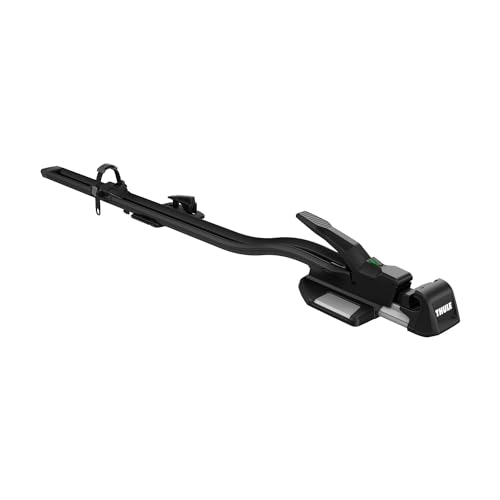 |
Thule TopRide Roof Mounted Bike RackThule | Also great | Fork-mounted carrier for quick release and thru-axle bikes | $399.95
Price as of 28 Sep 2026
|
View |
 |
Thule WingBar Evo, 135 cm roof bar 2-Pack BlackThule | Upgrade pick | 135 cm aero bars with WindDiffuser technology | $279.95
Price as of 28 Sep 2026
|
View |
 |
Thule Force 3 XL USThule | Budget pick | Cargo box with quick secure mounting system | $929.95
Price as of 28 Sep 2026
|
View |
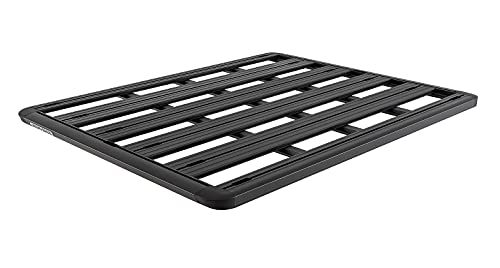 |
Rhino Rack Pioneer Platform Rooftop Cargo System 107" x 58"Rhino Rack | Also great | Modular aluminum platform with mounting channels everywhere | $1,069.63
Price as of 28 Sep 2026
|
View |
Small cars punish poor fitment fast. Short roofs, short crossbars, hatch liftgates, and sunroofs leave little margin for error, so the right rack starts with roof type and measured clearances, not the item you want to carry.
For daily commuting, aerodynamic bars usually make the best starting point. For naked roofs, a vehicle-specific clamp-on system matters more than brand name.
Quick picks
- Best overall for most small cars: Thule WingBar Evo, because it pairs aerodynamic bars with a fit-system approach that suits many daily drivers.
- Best for naked roofs with no rails: a bare-roof clamp-on system with the correct vehicle-specific feet and clips.
- Best for the quietest daily driving: Thule WingBar Evo, since aero bars usually cut wind noise better than round or square bars.
- Best for cargo boxes and weekend hauling: Thule Force 3 XL or Yakima OffGrid, depending on whether the load is enclosed or open.
- Best budget option: the simplest vehicle-specific crossbar setup that meets the car’s load limit without add-on accessories you do not need.
How we chose
Fitment accuracy comes first. A rack that matches the roof type, attachment points, and roof load rating beats a pricier system that only looks universal.
Noise and drag matter more on small cars than many buyers expect. Short wheelbases and short roofs make wind noise easier to hear, especially at highway speed.
Accessory compatibility also mattered. Crossbar spread, bar shape, and tower height all affect cargo boxes, bike trays, kayak cradles, and ski carriers.
Total cost mattered too. Feet, towers, fit kits, locking cores, and specialty hardware often add to the rack-only price.
Thule WingBar Evo, 135 cm: best for most small cars
This is the safest default for many small cars because it uses aerodynamic bars that suit daily driving better than round or square bars. Based on the spec sheet and owner feedback, it also fits the use case most compact-car buyers actually have: commuting during the week, then carrying a box, bike mount, or light cargo on weekends.
What stands out is the low-drag bar shape and the T-slot access, which makes accessory mounting cleaner than with basic crossbars. The drawback is cost: the bars are only part of the bill, and the matching feet or fit kit can raise the total quickly.
Best for: owners who want quiet, everyday roof transport and expect to add accessories later.
Bare-roof clamp-on system: best for cars with no rails
Cars without factory rails usually need a bare-roof clamp-on rack that uses door-jamb clips or frame clamps plus a vehicle-specific fit kit. That fit kit is not optional; clamp geometry, pad shape, and tower position have to match the roof line and door opening exactly.
This style solves a common small-car problem: no factory mounting point. The tradeoff is lower load capacity on many models, more trim sensitivity, and tighter clearance around hatchbacks, painted door frames, and roof edges.
What to verify before buying: the exact vehicle year, body style, roof width, door seal shape, and whether the mount contacts painted trim or weatherstripping. Short hatchbacks can also run into liftgate contact when the rear bar sits too close to the hatch arc.
Honest drawback: bare-roof systems usually take more time to install and remove, and they are less forgiving if the car has a sunroof, antenna hump, or spoiler close to the roof edge.
Thule Force 3 XL US: best for cargo boxes and weekend hauling
This cargo box is aimed at owners who want enclosed storage for luggage, camping gear, or winter travel. Based on the spec sheet and reviews, its dual-side access and automatic lid lock are practical on tall parking lots and in bad weather.
The main advantage is organization and weather protection. The main drawback is size: a box can stress short roofs, increase rear overhang concerns, and make hatchback clearance more complicated than with open crossbars alone.
Best for: drivers who need enclosed cargo space more than a bare bar system.
Yakima OffGrid Large Premium Cargo Basket Roof Rack with Quick Release Mounting System and Removable Fairing and Accessory Bars, Black: best for open cargo and mixed accessories
This basket suits owners who carry awkward items, dirty gear, or mixed loads that do not fit well inside a box. The removable fairing and accessory bars make it more adaptable than a plain basket, especially when adding a bike or boat mount.
Its steel construction is a strength, but it also brings weight and drag. That matters on small cars, where every extra pound and extra bit of wind resistance cuts into roof margin and daily comfort faster than on larger vehicles.
Best for: shoppers who need an open carrier with accessory flexibility and accept the extra noise and drag.
Thule TopRide Roof Mounted Bike Rack: best for bike carriers
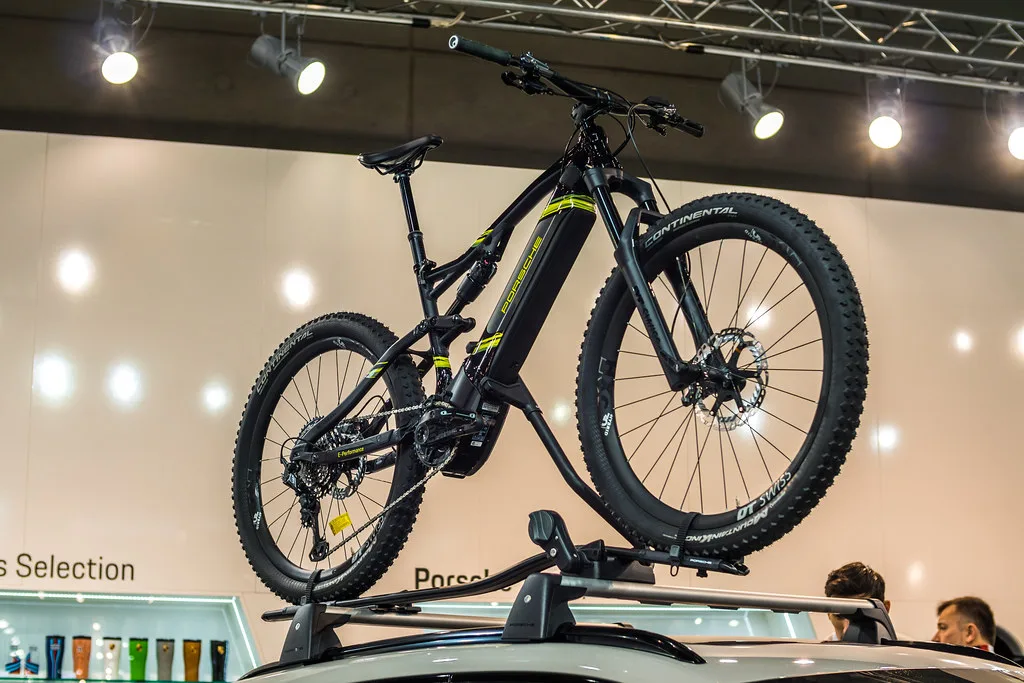
This fork-mounted bike carrier is a strong fit when the rack’s main job is transporting a road, gravel, or thru-axle bike. Its AcuTight torque limiter and integrated lock system are useful on street-parked cars where security matters.
The tradeoff is obvious: it is a specialized carrier, not a full roof system. It also depends on having the right crossbars and enough bar spread for the tray position, so the bike rack purchase does not replace fitment planning.
Best for: cyclists who already have compatible crossbars and want a secure, dedicated mount.
Rhino Rack Pioneer Platform Rooftop Cargo System 107″ x 58″ (52105F), Black: best for modular rooftop setups
This platform is built for buyers who want a highly modular surface for mixed accessories. Based on the spec sheet, its many mounting channels make it especially flexible for gear-heavy setups that change through the year.
The drawback is scale. A full-size platform can overwhelm small cars, create more wind resistance than simpler crossbars, and add complexity that many compact-car owners do not need for routine hauling.
Best for: owners with a clear accessory plan and a roof load rating that can support a platform-style system.
What roof rack fits a small car
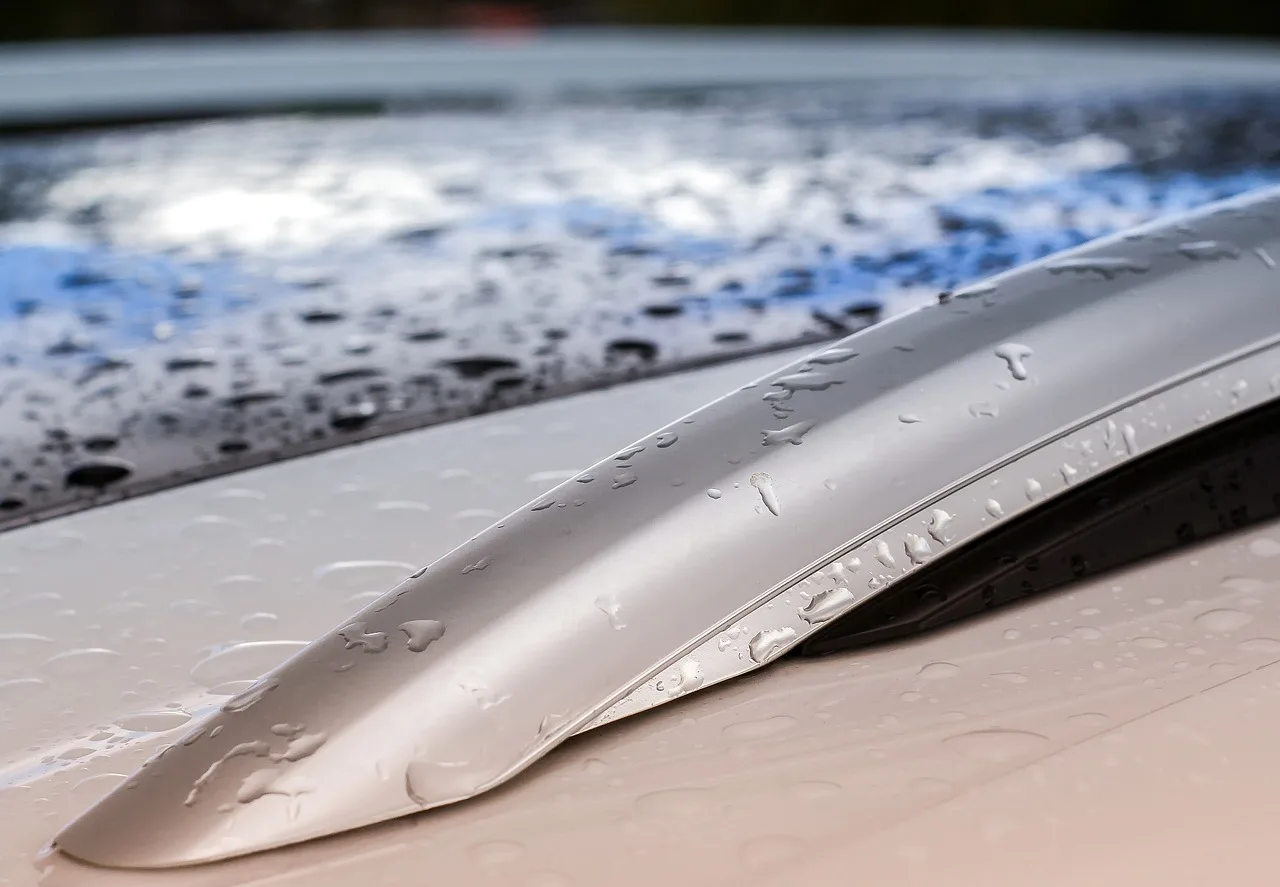
The right roof rack fits the roof type first, then the load target, then the accessory plan. Bare roofs need vehicle-specific clamp-on hardware, raised rails often accept dedicated feet, flush rails need the correct foot pack, and factory crossbars can narrow the remaining choices for add-on carriers.
Small cars also benefit from shorter, quieter bars. A rack that fits a compact sedan or hatchback well may still be wrong if the bar length overhangs too far, the towers sit too high, or the crossbar spread does not suit a cargo box or bike tray.
Small-car roof rack fitment checklist
| Roof type | Likely rack system | Common clearance risks | First measurement to verify |
|---|---|---|---|
| Bare roof | Clamp-on feet with vehicle-specific fit kit | Door-jamb contact, paint wear, tight door-seal fit | Door opening width and roof-edge trim shape |
| Raised side rails | Rail-mounted feet and crossbars | Foot clamp interference, low antenna clearance | Rail-to-rail spacing and rail height |
| Flush side rails | Flush-rail foot pack or kit-specific towers | Wrong foot geometry, reduced accessory compatibility | Exact rail profile and mounting channel location |
| Factory crossbars | Accessory mounts that attach to existing bars | Bar diameter mismatch, low bar spread, box handle clearance | Bar diameter and inside spread between bars |
| Panoramic sunroof | Low-profile system only if approved by the vehicle maker | Panel interference, noise, reduced roof flex margin | Manual clearance and sunroof opening path |
Do I need crossbars or rails for a roof rack
Crossbars are the working surface, while rails are only part of the mounting base. Many cars with factory side rails still need crossbars, and many naked roofs need both a fit kit and bars before any cargo box or bike tray can attach safely.
What matters is whether the accessory has something solid and correctly spaced to clamp onto. Roof rails, especially flush rails, do not automatically solve compatibility for boxes, skis, or kayak cradles.
Crossbar length, spread, and shape
Bar length is usually given in inches or millimeters. Too short and accessory clamps may not fit; too long and the bars can stick out farther than needed, raising noise and parking-lot risk.
Bar spread is the distance between the front and rear bars. Cargo boxes, bike mounts, and kayak cradles each prefer a certain spread, and short-roof hatchbacks often force compromises. Aerodynamic bars are usually quieter than round or square bars, while square bars tend to create the most wind noise and drag.
How much weight can a small car roof carry
A small car’s roof load is limited by the vehicle maker’s dynamic roof rating, not by the strongest accessory in the catalog. That vehicle roof limit usually applies only to cargo on the move, not to passengers sitting in the car, and it can be lower than the rack’s stated capacity.
Always use the lower number between the carmaker’s limit and the rack system’s limit. A car with a 100 lb roof rating does not become a 150 lb car because the rack claims more.
Roof load and accessory planning
- Cargo box: adds box weight before any gear goes inside.
- Bike rack: tray weight plus bike weight must stay inside the roof limit.
- Kayak rack: hull weight, cradles, and tie-down load all count.
- Cargo basket: basket weight can leave less room for luggage than expected.
- Ski carrier: light by itself, but still limited by bar spacing and the roof rating.
Will a roof rack affect fuel economy
Yes. Any roof rack adds drag, and small cars usually feel it more because their engines and bodies are working with less margin. Aerodynamic crossbars generally make less noise and less drag than round or square bars, but they still are not free in fuel terms.
For commuters, the real question is whether the rack stays on the car full time. If the rack only gets used on trips, removal may be worth the effort. If it stays up all year, low-drag bars are usually the better investment.
How much does a car roof rack cost
Cost depends on whether the buyer is pricing only the bars, a full roof system, or a full setup with locks and accessories. Rack-only prices are only part of the story; feet, towers, fit kits, and security cores can add a meaningful amount, and cargo boxes or bike trays raise the total again.
For a small car, the most expensive mistakes are usually buying the wrong attachment style or finding out too late that a fit kit is required. A cheap universal-looking set can become expensive once the correct parts are added.
Typical cost pieces to budget for
- Crossbars: the bars themselves, often sold separately from feet or towers.
- Fit kit / feet / towers: vehicle-specific parts for the roof type.
- Locks: locking cores or security caps, often extra.
- Accessory: box, bike tray, kayak carrier, basket, or ski carrier.
- Hardware: clips, pads, or t-slot parts that may not be included.
Can you fit roof racks to any car
No. Many cars can take some form of roof rack, but not every rack fits every car, and not every roof type accepts every attachment. The main decision is whether the car has raised rails, flush rails, factory crossbars, or a bare roof that needs a specific fit kit.
Sunroofs, spoilers, roof antennas, and weak roof edges can further limit choices. The vehicle manual should be read before buying, because it often states the approved roof limit and the mounting cautions that matter most.
Can I install roof racks myself
Yes, many owners can install a roof rack themselves if the system is vehicle-specific and the instructions are followed closely. The job is less about brute force and more about correct alignment, torque specs, clamp placement, and protecting painted contact points.
Self-installation becomes harder when the car has a panoramic sunroof, tight door seals, curved roof edges, or hidden trim pieces. If the kit requires special clips or exact spacing, it pays to measure twice and tighten only to the stated torque.
Should I get a roof rack for my car
A roof rack is worth it when the car needs to carry gear that will not fit inside and the roof can support the load without turning the car into a noisy, awkward compromise. For many small-car owners, the right system pays off only if it matches real use: bikes, cargo boxes, skis, or weekend equipment.
If the car rarely carries outdoor gear, or if the roof is too short for a box or tray to fit cleanly, the money may be better spent elsewhere. A roof rack that lives on the car but never gets used is mostly drag and clutter.
Which one should you buy
Choose by roof type first. Bare roofs need a vehicle-specific clamp-on system; raised or flush rails can take rail-mounted feet and bars; factory crossbars may only need the accessory mount, not a full rack.
Choose by daily noise tolerance next. If the car is a commuter, aerodynamic crossbars are usually worth the extra cost because they are quieter and better suited to constant highway use than round or square bars.
Choose by accessory plan after that. A cargo box pushes buyers toward a stable crossbar setup with enough spread, bike carriers need correct bar diameter and spacing, and a platform system only makes sense when the accessories justify the bulk.
For many small cars, the best roof rack is not the biggest one. It is the quietest system that fits correctly, stays below the vehicle roof limit, and leaves room for the hatch, antenna, and sunroof to function normally.
Frequently asked questions
Do roof racks fit all cars
No. Roof racks are vehicle-specific in practice, even when a seller markets them broadly. Fit depends on roof type, factory rails, door-jamb geometry, and the car’s load rating. A rack that works on a hatchback may be wrong for a compact sedan with a different roof line.
Is roof rack worth it
It is worth it when the car regularly carries bikes, boxes, kayaks, skis, or other gear that cannot ride inside safely or cleanly. If the rack will only be used once or twice a year, the cost, drag, and noise may not justify the setup for a small car.
Products related to this article
Sponsored / affiliate links. As an Amazon Associate I earn from qualifying purchases. I may earn additional commission from eligible campaigns.