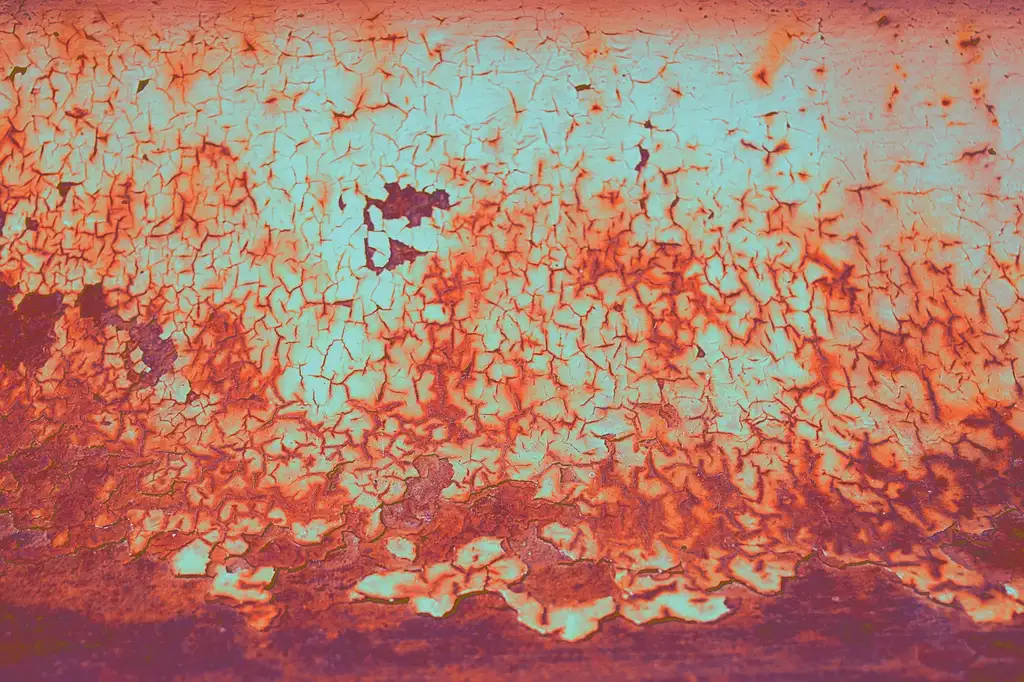
Bondo Rust Preventive Coating Review: Is It Worth It?
Bondo Rust Preventive Coating is worth buying for underbody touch-ups and hidden steel you can prep properly. Skip it on flaking rust, brake parts, and exhaust heat zones. Applied badly, a cheap coating can trap moisture and turn a small rust spot into a costly repair. This review covers where it fits for winter salt, monsoon rain, humidity, and coastal exposure, and whether the protection cost beats rust repair.
Verdict
For buyers judging it as prevention, not repair, the answer is a cautious yes. It makes the most sense when the metal is clean, dry, and already stable, and when you want a barrier on exposed underside panels, wheel wells, and seams that see moisture, road debris, and salt.
Specs at a glance
| Item | What the listing says | What it means for buyers |
|---|---|---|
| Product type | Rust preventive coating | Use it as a barrier coating, not as rust removal |
| Use case | Automotive metal surfaces | Best suited to exposed metal that is clean and dry |
| Coverage areas | Underbody, wheel wells, seams | Useful where moisture and debris hit first |
| Prep requirement | Surface must be cleaned and dried before application | Any dirt, moisture, or loose rust can reduce results |
| Coating category | Rubberized or elastomeric underbody coating | Built for protection, not for fixing corrosion damage |
| Comparable categories | Wax-based cavity protection, bitumen-based products, epoxy or paint-system repair | Each serves a different rust condition |
Pros and cons
- Pros: Fits prevention-focused jobs on exposed automotive metal.
- Pros: Works in areas that see moisture, salt, and road grit.
- Pros: Makes more sense than repair coatings when the metal is already sound.
- Cons: It will not stop active rust safely if the metal is already flaking or pitted.
- Cons: Wrong prep can trap moisture under the coating.
- Cons: It is the wrong answer for structural rust, mounts, lines, and heat-exposed parts.
Who it
This is for car owners who want to slow corrosion on a vehicle with sound metal, especially after winter driving, monsoon use, or repeated rough-road exposure. It is not for anyone trying to hide bubbling paint, scale, or rot near suspension mounts, brake lines, fuel lines, or subframes.
Say your 3-year-old sedan has stone chips on the lower doors and clean wheel wells. A coating can be reasonable if the surface is dry, decontaminated, and the bare spots are fully repaired first. Suppose the same car already has rust blisters at a weld seam. That is a repair job first, coating later if the metal is still salvageable.
Best-fit owners
- Owners of newer cars that see winter salt, heavy rain, or standing spray from wet roads.
- Drivers who want added protection on wheel wells, seams, and exposed underbody panels.
- Anyone planning to treat clean metal before corrosion starts rather than after it spreads.
Cases where you should skip it
- Visible active rust that is bubbling, flaking, or scaling.
- Rust around suspension mounting points, subframes, brake lines, or fuel lines.
- Heat zones near exhaust parts, where a random coating choice can be a bad fit.
What works
Underbody coating works as a barrier against water, oxygen, salt, and thrown grit. It blocks those threats from bare or repaired metal on the underside of the car. That is why wheel wells, lower seams, and exposed underside panels are the normal targets.
Preparation matters more than the can label. The metal should be clean, dry, and free of loose corrosion before application. If the surface still holds dirt or dampness, the coating can hide a problem instead of preventing one.
Where it fits best
Use underbody coating on clean metal that faces spray, chips, and abrasion. That includes wheel wells and underside panels, and it can make sense on seams if the product listing supports those areas. For hidden overlaps and boxed sections, wax-based cavity protection is usually the better tool because it can creep into areas a thick exterior coating cannot reach.
- Inspect the area in bright light.
- Remove loose dirt, salt, and flaking material.
- Let the surface dry completely.
- Repair exposed metal first if rust has broken through paint.
- Apply only where the manual and product listing support the surface.
- Check the area again after monsoon or rough-road driving.
A common first-timer mistake is coating over a damp wheel well after a wash. The outside looks fine, but trapped moisture stays under the layer and the corrosion keeps moving underneath.
What does not?
It is not commonly considered safe for active surface rust. If corrosion is already flaking, scaling, or pitted, the problem needs inspection, cleaning, and repair first. Coating over damaged metal can seal in moisture and make future repair more expensive.
It also does not belong on structural rust or safety-critical parts. Suspension mounting points, subframes, brake lines, and fuel lines need professional assessment. A cosmetic coating is not a repair system for those areas.
Active rust
Active surface rust means visible corrosion that is still breaking the surface. That usually calls for stripping, cleaning, drying, and a proper repair process, which may include epoxy or a paint-system repair on fully prepared metal. A coating alone is not the fix.
Structural rust and heat-exposed zones
Structural rust changes the decision entirely. If corrosion has reached suspension mounts, chassis members, or other load-bearing parts, the vehicle needs inspection before any coating is considered. Heat-exposed zones near the exhaust can also reject the wrong product choice.
Rust preventive coating decision matrix
| Scenario | Recommended action | Not recommended | Prep required | Likely worth the spend? |
|---|---|---|---|---|
| New car | Protect clean underside areas before corrosion starts | Coating over dirt, road film, or wet panels | Wash, dry, inspect, then apply only to compatible surfaces | Often yes, if the car sees salt, rain, or rough roads |
| Lightly chipped underbody | Repair chips first, then coat the exposed metal | Painting over loose rust or damp metal | Clean, dry, remove loose material, and seal repaired spots | Yes, if the damage is minor and the metal is still sound |
| Coastal use | Use a barrier on cleaned underside panels and wheel wells | Rely on a once-a-year glance only | Frequent rinsing, drying, and post-trip inspection | Usually yes, because salt exposure raises corrosion risk |
| Existing surface rust | Inspect and repair first; coat only after metal is stable | Sealing over flaking or pitted rust | Remove loose corrosion, dry thoroughly, and repair the surface | Maybe, but only after repair; coating alone is not enough |
| Structural rust | Get a professional inspection and safety repair | Any cosmetic coating as a substitute for repair | None until the vehicle is evaluated and repaired | No; this is a safety problem, not a coating job |
When should you apply it?
Apply anti-rust coating after purchase or before winter, before the first heavy salt exposure and before corrosion has a chance to start. It also makes sense after monsoon season, after rough-road use, or any time you can clean and dry the affected area fully.
Rain, humidity, salt, and road debris all push corrosion forward. Underbody protection works best before damage spreads, not after rust has already lifted the paint. Periodic inspection after monsoon or winter driving should be part of the plan.
Alternatives
Before you choose a coating, match the product to the metal condition. Hidden cavities want different chemistry than exposed underbody panels, and active rust wants repair before protection.

Rust-Oleum Stops Rust Reformer Spray is the better fit when rust is already present but still manageable and you need a paintable surface. Based on the product details, it converts rust rather than acting as a straight barrier coating, so it belongs in a repair sequence, not as the final answer for structural corrosion. A drawback is that it is not a substitute for removing damaged metal or fixing deeper rust first.
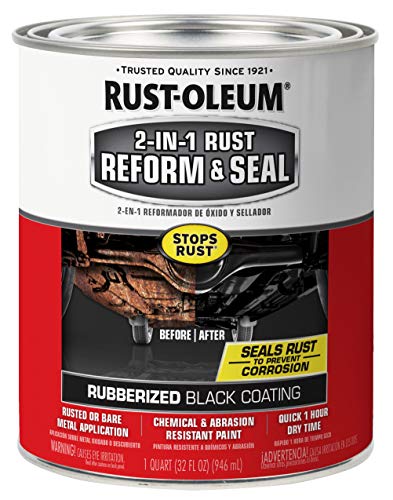
Rust-Oleum Stops Rust 2-in-1 Rust Reform & Seal Coating is the more direct barrier-style option for rusted or bare metal that has already been prepped. It fits better on surfaces that need a flexible rubberized coating after repair, but it is still not the right choice for active flaking rust, brake lines, or other safety-critical parts. The drawback is that it depends heavily on prep quality.

POR-15 Rust Preventive Coating is the larger-volume choice for buyers who want a moisture-cured barrier for automotive or industrial use. It is the strongest fit among the listed products for sound metal that needs a tougher protective layer, but the tradeoff is cost and prep sensitivity. It is still not a repair for structural rust, and it is not a shortcut around corrosion removal.
Wax-based cavity protection
Wax-based cavity protection belongs inside seams, boxed sections, and hidden overlaps. It creeps better than thicker exterior coatings and is easier to use where a brush or spray cannot fully reach. It does need periodic inspection or renewal.
Bitumen-based anti-rust product
Bitumen-based coatings are usually the lower-cost choice, with heavier application and heat compatibility concerns. They can make sense for some underbody jobs, but they are not suitable for every surface, especially where heat or finish quality matters.
Epoxy or paint-system repair
Epoxy or a proper paint-system repair belongs on properly prepared metal after chips or exposed areas are corrected. It is part of a repair sequence, not a shortcut for corrosion removal. If the rust is already through the coating, repair comes first.
Should you buy it?
Buy it if your car has sound metal, exposed underbody areas, and a real corrosion risk from salt, humidity, monsoon rain, or rough roads. In that situation, the spend can be lower than localized rust repair later, especially if the product goes on clean, dry surfaces and is inspected regularly.
Skip it if the car already shows bubbling paint, active rust, or corrosion near mounts, subframes, brake lines, or fuel lines. That is repair territory. Coating over a failing area can turn a manageable fix into a larger bill.
Frequently asked questions
Is Bondo rust preventive coating worth it?
It is worth it when you are trying to prevent corrosion on clean, sound metal and the car regularly sees winter salt, rain, humidity, or road grit. It is not worth it as a cover-up for active rust, structural corrosion, or heat-exposed areas that need a different repair approach.
Does rust preventive coating stop existing rust?
No. It can slow further exposure only after the surface is properly cleaned, dried, and repaired. If the rust is bubbling, flaking, or pitted, the right next step is inspection and repair, not sealing it under a coating.
What is the difference between underbody coating and cavity wax?
Underbody coating is for exposed underside panels and wheel wells that face moisture, salt, and abrasion. Cavity wax is better for hidden seams and enclosed overlaps where a thicker coating cannot reach well. They solve different corrosion problems.
How long does anti-rust coating last on a car?
That depends on product choice, prep quality, and driving conditions. Heavy salt, rough roads, and poor surface cleaning shorten service life. The safest assumption is that the coating needs periodic inspection, especially after monsoon or winter use, rather than forgetting about it after application.
Is anti-rust coating necessary for a new car?
Not every new car needs it. A new vehicle may benefit if it lives in a salty, wet, or coastal environment, but a dry-climate car with light use may not need the extra cost. The deciding factor is exposure, not age alone.
How much does rust preventive coating cost compared with repairs?
The coating usually costs less than localized rust repair, panel replacement, or structural work if it is applied before damage spreads. Once rust reaches seams, mounts, or load-bearing areas, repair costs rise quickly, and the coating no longer solves the problem by itself.
Products related to this article
Sponsored / affiliate links. As an Amazon Associate I earn from qualifying purchases. I may earn additional commission from eligible campaigns.