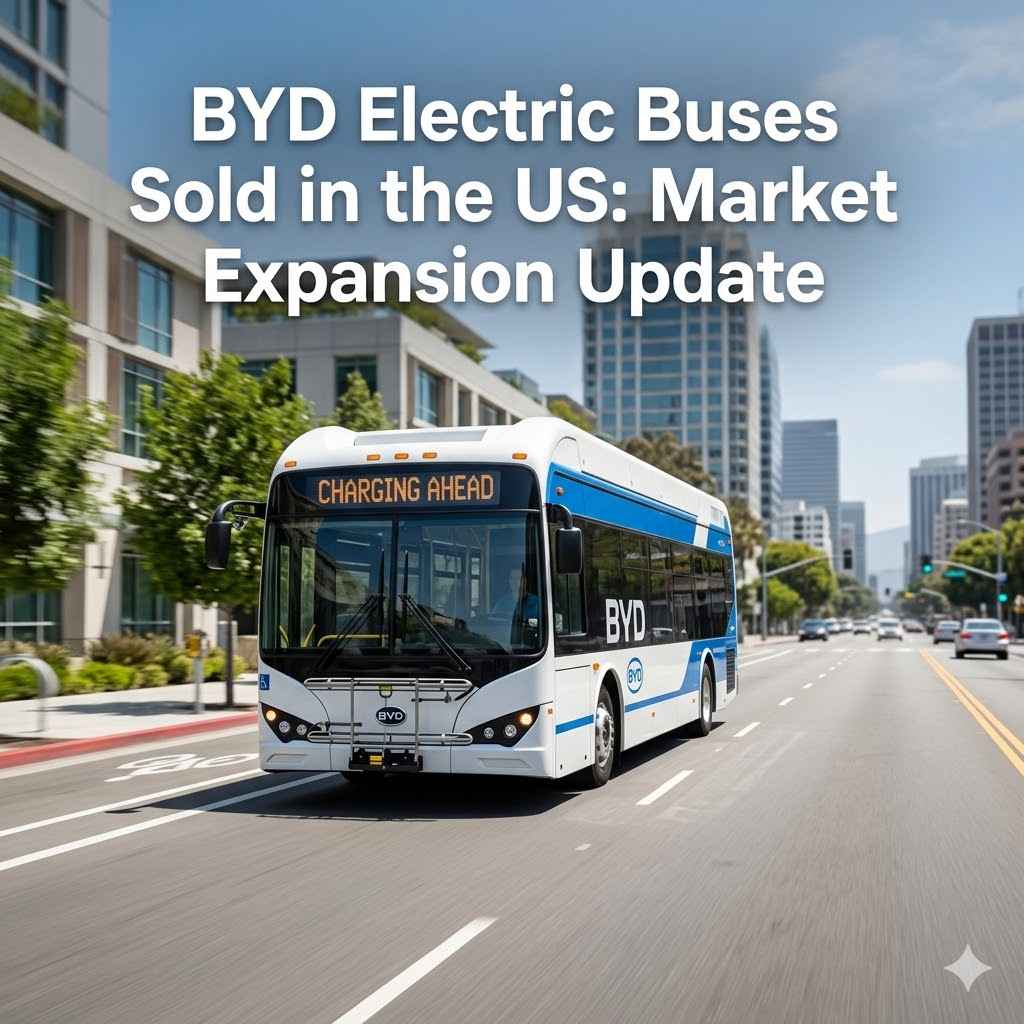
BYD Electric Buses Sold in the US: Market Expansion Update
It’s easy to feel a little lost when you first hear about BYD Electric Buses Sold in the US: Market Expansion Update. There’s a lot of information out there, and sometimes it can seem pretty complicated. But don’t worry!
We’re going to break it all down for you in a way that’s super simple and easy to follow. Think of this as your friendly guide. We’ll go step-by-step so you can understand everything clearly.
Get ready to learn about what’s happening with BYD buses in the US.
BYD Electric Buses in the US Market Expansion
This section will look at BYD’s growing presence in the United States for its electric buses. We’ll explore how the company is setting up its operations and what this means for the American market. Understanding this expansion helps us see the big picture of electric vehicle adoption in public transport.
We will cover BYD’s manufacturing sites, sales strategies, and the types of buses they are offering. This information is key to grasping the current state of the electric bus market in the US and BYD’s role within it.
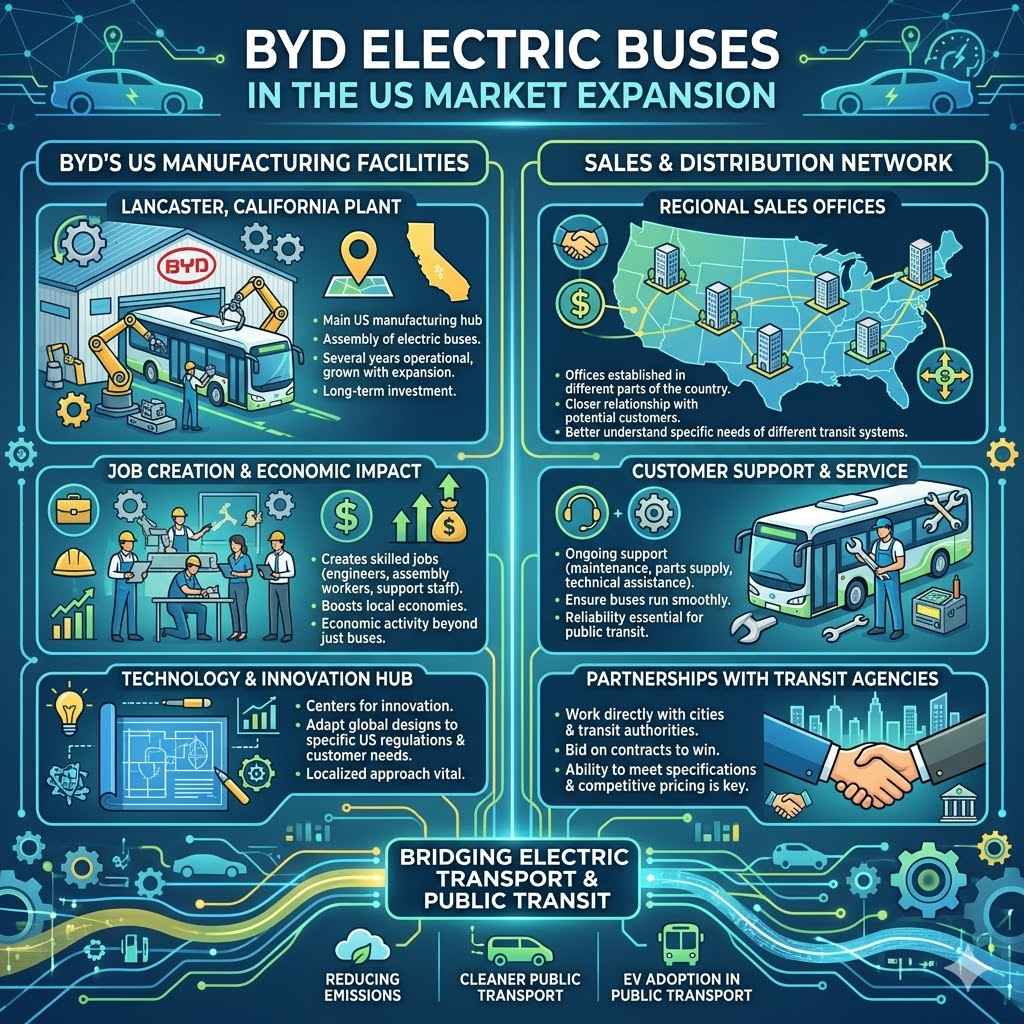
BYD’s US Manufacturing Facilities
BYD has made a significant commitment to manufacturing electric buses right here in the United States. This isn’t just about selling buses; it’s about building them locally. This strategy helps create jobs and supports American industries.
It also means buses can be made closer to where they will be used, potentially reducing shipping times and costs. These facilities are crucial for BYD’s ability to meet the demand from US cities and transit agencies.
- Lancaster, California Plant: This is BYD’s main US manufacturing hub. It’s a large facility where they assemble their electric buses. The plant has been operational for several years and has grown as BYD’s business in the US has expanded. It shows a long-term investment in the American market.
- Job Creation and Economic Impact: The manufacturing plants create jobs for engineers, assembly workers, and support staff. This boosts local economies and provides skilled employment opportunities. BYD’s presence means more than just buses; it means economic activity.
- Technology and Innovation Hub: Beyond just assembly, these facilities can become centers for innovation. BYD can adapt its global designs to meet specific US regulations and customer needs. This localized approach is vital for success in a competitive market.
Sales and Distribution Network
To sell its electric buses effectively across the US, BYD has been building a strong sales and distribution network. This involves setting up offices and partnering with local representatives. The goal is to make it easy for transit agencies to learn about, purchase, and receive support for BYD buses.
A well-developed network ensures that BYD can reach customers in various states and regions.
- Regional Sales Offices: BYD has established offices in different parts of the country. This allows them to have a closer relationship with potential customers in those areas. It also means they can better understand the specific needs of different transit systems.
- Customer Support and Service: A good sales network isn’t just about making a sale. It’s also about providing ongoing support. BYD offers maintenance services, parts supply, and technical assistance to ensure its buses run smoothly. This reliability is essential for public transit operations.
- Partnerships with Transit Agencies: BYD works directly with cities and transit authorities. They often go through a bidding process to win contracts. Their ability to meet specifications and offer competitive pricing is key to securing these deals.
BYD Electric Bus Models for the US Market
BYD offers a variety of electric bus models designed to meet the diverse needs of US transit systems. These models vary in size, range, and features, allowing agencies to select the best fit for their routes and passenger loads. Understanding these different models helps appreciate the breadth of BYD’s offering and their strategy to cater to a wide range of customer requirements.
We will explore the popular models and their specific applications in US cities.
Popular BYD Electric Bus Models
BYD’s lineup includes several key models that have seen success in the US market. These buses are built with advanced battery technology and designed for efficiency and passenger comfort. They represent BYD’s commitment to providing sustainable transportation solutions.
- BYD K9M Electric Bus: This is one of BYD’s most recognized models. It’s a standard 40-foot transit bus, often used for urban routes. The K9M is known for its reliability and quiet operation, making it a popular choice for cities looking to electrify their fleets.
- BYD C6 Electric Bus: This model is a smaller, shuttle-style bus. It’s ideal for campus transportation, airport shuttles, or last-mile connections. Its compact size makes it maneuverable in crowded areas.
- BYD articulator buses: For routes with higher passenger demand, BYD offers articulated electric buses. These are much longer, flexible buses that can carry more people. They are a great solution for busy corridors.
Battery Technology and Range
A critical aspect of any electric bus is its battery technology and how far it can travel on a single charge. BYD uses its proprietary battery technology, which is designed for performance and longevity. The range of these buses is a key factor for transit agencies when planning routes and charging infrastructure.
- Lithium Iron Phosphate (LiFePO4) Batteries: BYD primarily uses LiFePO4 batteries in its electric buses. These batteries are known for their safety, long cycle life, and stability, making them suitable for the demanding conditions of public transportation. They are also less prone to thermal runaway compared to some other battery chemistries.
- Variable Range Options: The range of a BYD electric bus can vary depending on the specific model, battery capacity, and operating conditions. Typically, these buses can travel anywhere from 150 to over 300 miles on a full charge. This flexibility allows agencies to select buses that match their daily operational needs without overspending on battery capacity.
- Charging Infrastructure Compatibility: BYD buses are designed to be compatible with various charging solutions, including depot charging and opportunity charging. This adaptability is important for agencies as they develop their charging strategies to ensure buses are ready for service.
Customization for US Needs
BYD understands that each transit agency has unique requirements. Therefore, they offer customization options for their electric buses. This means agencies can specify features that best suit their operational environment, passenger needs, and branding.
- Seating Configurations: Agencies can choose different seating arrangements to maximize passenger capacity or provide more comfortable seating for longer routes. This includes options for priority seating for elderly or disabled passengers.
- Accessibility Features: All BYD buses sold in the US must comply with the Americans with Disabilities Act (ADA). This means features like ramps or lifts, securement areas for wheelchairs, and audible/visual stop announcements are standard.
- HVAC and Interior Comfort: The heating, ventilation, and air conditioning (HVAC) systems can be specified based on the climate of the region where the bus will operate. Interior lighting, flooring, and other finishes can also be customized to meet aesthetic and durability standards.
BYD’s Market Expansion Strategy and Successes
This part of our discussion focuses on how BYD has strategically expanded its presence in the US electric bus market and the successes it has achieved. We’ll look at the key drivers behind their growth and the impact they are having on the broader shift towards electric public transportation. This strategic approach explains why BYD is becoming a major player.
Key Factors Driving Expansion
Several factors have contributed to BYD’s growing success in the US. These include technological innovation, competitive pricing, and a strong focus on customer partnerships. Their ability to adapt to the US market and meet regulatory requirements has been crucial.
- Technological Advancement: BYD invests heavily in research and development, particularly in battery technology and electric powertrains. This allows them to offer buses with competitive range, performance, and reliability. Their integrated approach, from battery cells to complete vehicles, gives them an advantage.
- Cost-Effectiveness: While electric buses can have a higher upfront cost than diesel buses, BYD often offers competitive pricing. When considering the total cost of ownership, including lower fuel and maintenance costs, BYD buses can be a very attractive option for transit agencies.
- Government Incentives and Regulations: The US government and many state governments offer incentives, grants, and tax credits for purchasing electric vehicles and building charging infrastructure. Additionally, stricter emissions regulations encourage transit agencies to move away from fossil fuel-powered buses. BYD benefits from these trends.
Notable Contracts and Deployments
BYD has secured significant contracts with various transit agencies across the United States. These deployments demonstrate the trust that cities have placed in BYD’s electric bus technology. Each successful deployment serves as a reference for future sales.
- Los Angeles Metro Contract: BYD secured a large contract to supply electric buses to Los Angeles Metro. This was a major win, signifying the acceptance of BYD’s products by one of the largest transit agencies in the US. The buses are now part of LA’s effort to reduce emissions.
- Orders from Cities like Denver and Miami: Numerous other cities have placed orders for BYD electric buses. These include Denver, Colorado, and Miami-Dade Transit in Florida, among many others. These orders span different regions and climate conditions, showcasing the versatility of BYD’s offerings.
- Pilot Programs and Demonstrations: Before large-scale adoption, many transit agencies run pilot programs to test electric buses. BYD has actively participated in these programs, allowing agencies to evaluate their buses in real-world operating conditions. Positive results from these pilots often lead to larger orders.
Challenges and Opportunities
Despite its successes, BYD, like any company expanding into a new market, faces challenges. However, these challenges also present opportunities for further growth and innovation.
- Competition from Other Manufacturers: The electric bus market is becoming increasingly competitive, with both established bus manufacturers and new EV companies vying for market share. BYD must continuously innovate and maintain its competitive edge in pricing and technology.
- Infrastructure Development Needs: The widespread adoption of electric buses requires significant investment in charging infrastructure. While BYD provides buses, transit agencies often need support and planning assistance to build out the necessary charging depots. This is an area where collaboration is key.
- Supply Chain and Production Capacity: As demand grows, ensuring a robust supply chain and sufficient production capacity is vital. BYD’s ability to scale up manufacturing to meet increasing orders will be critical for sustained growth.
The Future of BYD Electric Buses in the US
Looking ahead, the trajectory for BYD electric buses in the US appears promising. Several trends indicate continued growth and increased adoption of electric public transit. This section will explore what the future might hold for BYD and the electric bus industry in America.
We will consider the impact of policy, technology, and market demand.
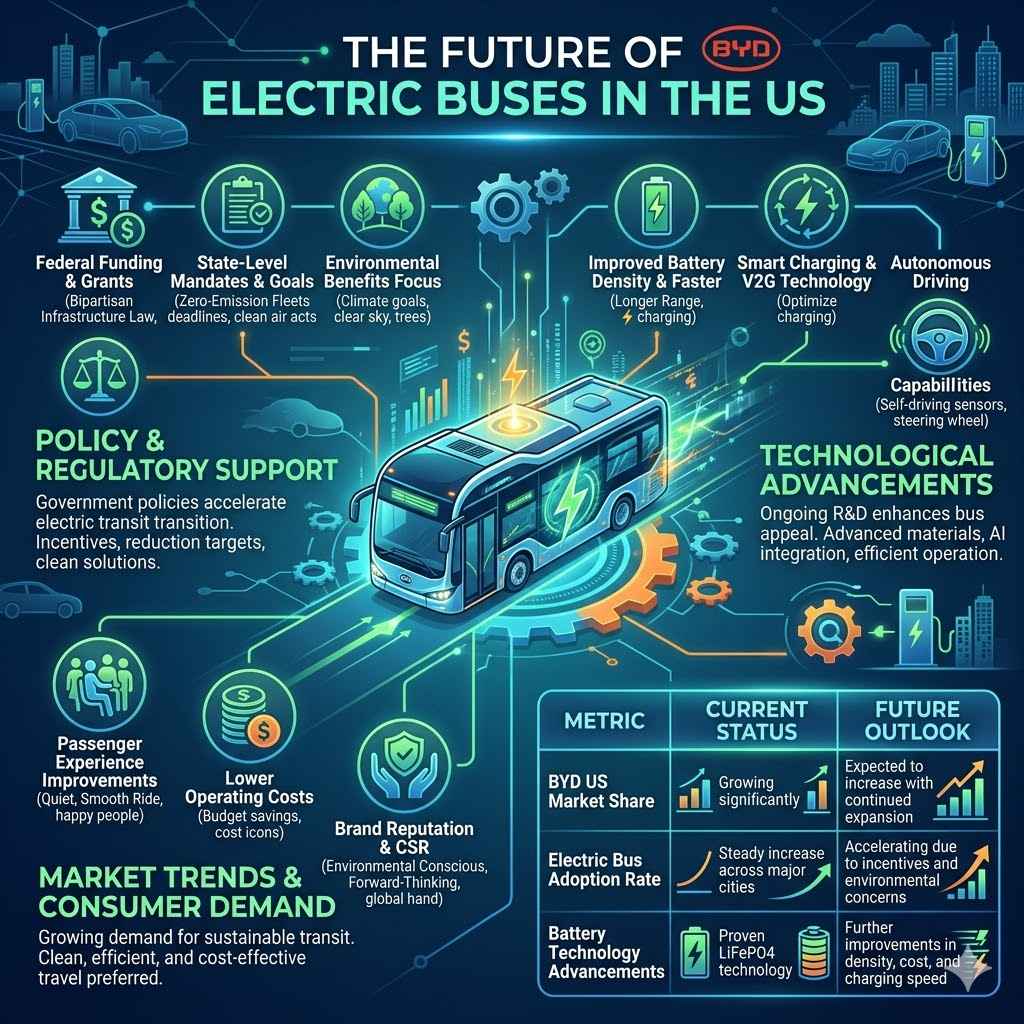
Policy and Regulatory Support
Government policies play a huge role in accelerating the transition to electric vehicles. As federal and state governments continue to set ambitious climate goals, support for electric transit will likely increase. This creates a favorable environment for companies like BYD.
- Federal Funding and Grants: Programs like the Bipartisan Infrastructure Law provide substantial funding for transit agencies to purchase zero-emission buses. These funds make electric buses more affordable and accessible. BYD is well-positioned to benefit from such initiatives.
- State-Level Mandates and Goals: Many states have their own clean air acts and emissions reduction targets. These often include mandates for transit agencies to transition to zero-emission fleets by certain deadlines. This creates a consistent demand for electric buses.
- Environmental Benefits Focus: The growing awareness of climate change and air quality issues pushes cities and governments to adopt cleaner transportation solutions. Electric buses offer a clear environmental advantage by eliminating tailpipe emissions. This public and political will supports market growth.
Technological Advancements
Ongoing advancements in battery technology, charging solutions, and bus design will further enhance the appeal of electric buses. BYD’s continued investment in R&D is key to staying at the forefront of these developments.
- Improved Battery Density and Faster Charging: Future battery technologies may offer longer ranges or faster charging times, reducing downtime for transit agencies. This makes electric buses even more practical for demanding service schedules.
- Smart Charging and Vehicle-to-Grid (V2G) Technology: The integration of smart charging systems can optimize when buses are charged, taking advantage of lower electricity rates. Vehicle-to-Grid technology could even allow buses to supply power back to the grid during peak demand, creating additional value.
- Autonomous Driving Capabilities: While further in the future, the development of autonomous driving technology could eventually impact public transportation. BYD may explore integrating these advanced features into future bus designs.
Market Trends and Consumer Demand
The demand for sustainable and efficient public transportation is growing. Passengers increasingly prefer cleaner and quieter modes of travel. This demand, combined with the operational benefits for transit agencies, points to a bright future for electric buses.
- Passenger Experience Improvements: Electric buses offer a much quieter and smoother ride compared to traditional diesel buses. This leads to a better experience for passengers, which can encourage more people to use public transit.
- Lower Operating Costs: As mentioned, electric buses have lower fuel and maintenance costs. These savings can free up budgets for transit agencies to improve other aspects of their services, such as route frequency or expanded coverage.
- Brand Reputation and Corporate Social Responsibility: For cities and transit agencies, adopting electric buses enhances their image as environmentally conscious and forward-thinking. This aligns with growing public expectations for corporate social responsibility.
| Metric | Current Status | Future Outlook |
|---|---|---|
| BYD US Market Share | Growing significantly | Expected to increase with continued expansion |
| Electric Bus Adoption Rate | Steady increase across major cities | Accelerating due to incentives and environmental concerns |
| Battery Technology Advancements | Proven LiFePO4 technology | Further improvements in density, cost, and charging speed |
Frequently Asked Questions
Question: What is BYD known for in the US electric bus market?
Answer: BYD is known for being a major global manufacturer of electric vehicles, including a significant presence in the US electric bus market. They are recognized for their own battery technology, local manufacturing in California, and supplying electric buses to many transit agencies across the country.
Question: How many electric buses has BYD sold in the US?
Answer: While specific, up-to-the-minute sales figures can be proprietary, BYD has secured contracts for hundreds of electric buses from various US cities and transit authorities, with ongoing orders and deployments.
Question: Are BYD electric buses made in the US?
Answer: Yes, BYD has a major manufacturing facility in Lancaster, California, where they assemble and build many of the electric buses sold in the US. This local production is a key part of their market strategy.
Question: What are the main advantages of BYD electric buses?
Answer: Advantages include zero tailpipe emissions, lower operating costs due to reduced fuel and maintenance, a quieter and smoother ride for passengers, and BYD’s proprietary battery technology which focuses on safety and longevity.
Question: What challenges does BYD face in the US market?
Answer: Challenges include intense competition from other bus manufacturers, the need for extensive charging infrastructure development by transit agencies, and managing supply chains to meet growing demand.
Conclusion
BYD electric buses are making a substantial impact on US transit. Their market expansion is driven by local manufacturing, diverse bus models, and advanced battery tech. Supported by government policy and increasing demand for clean transit, BYD is set to play a bigger role in electrifying American cities.
Continue watching this space for more green transportation.