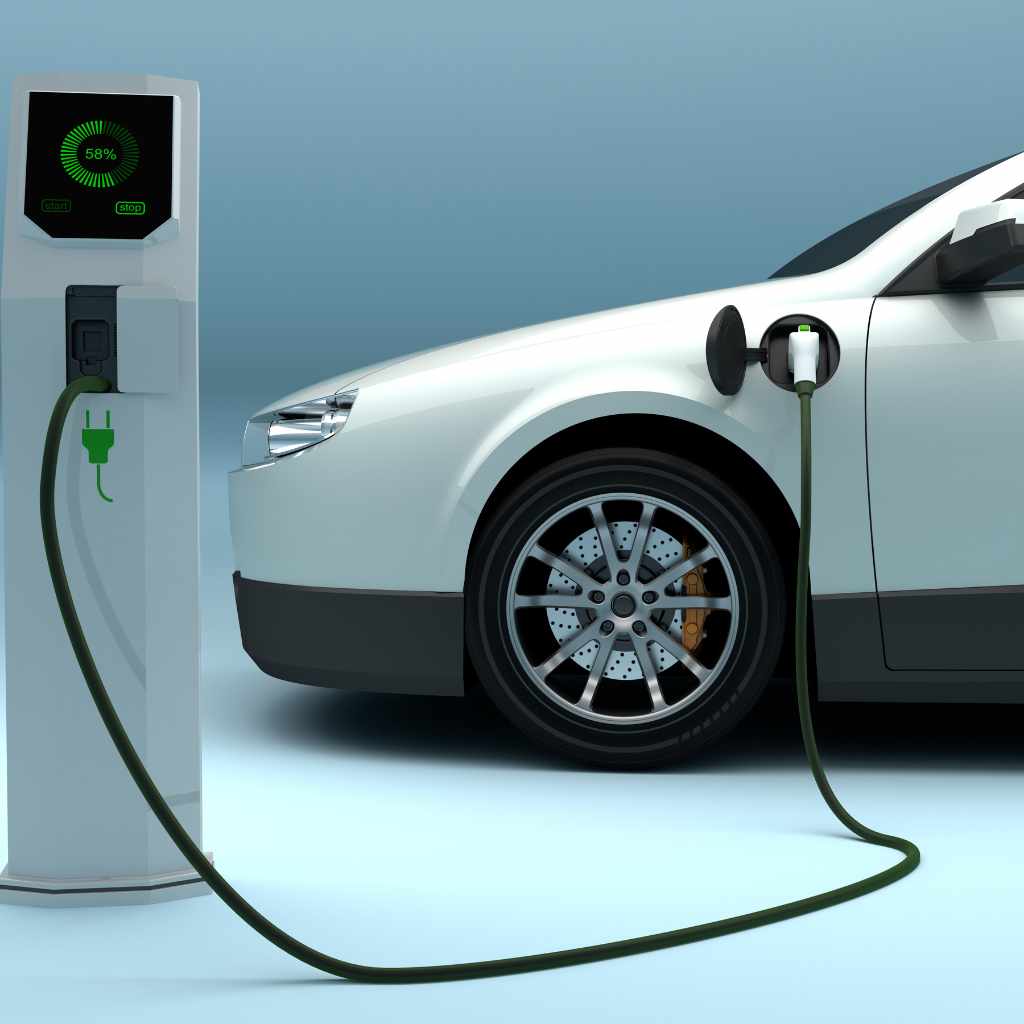
Can E85 Damage My Car? What Owners Need to Know
Many car owners wonder, Can E85 Damage My Car? What Owners Need to Know is a question that pops up when you see that fuel pump with a different color. It can seem confusing, especially if you’re new to cars or have a vehicle that isn’t specifically designed for it.
Don’t worry, it’s simpler than you might think! We’ll break it down step by step to help you make smart choices about fueling your car. Let’s explore what E85 is and if it’s a good fit for your ride.
Understanding E85 Fuel
What is E85?
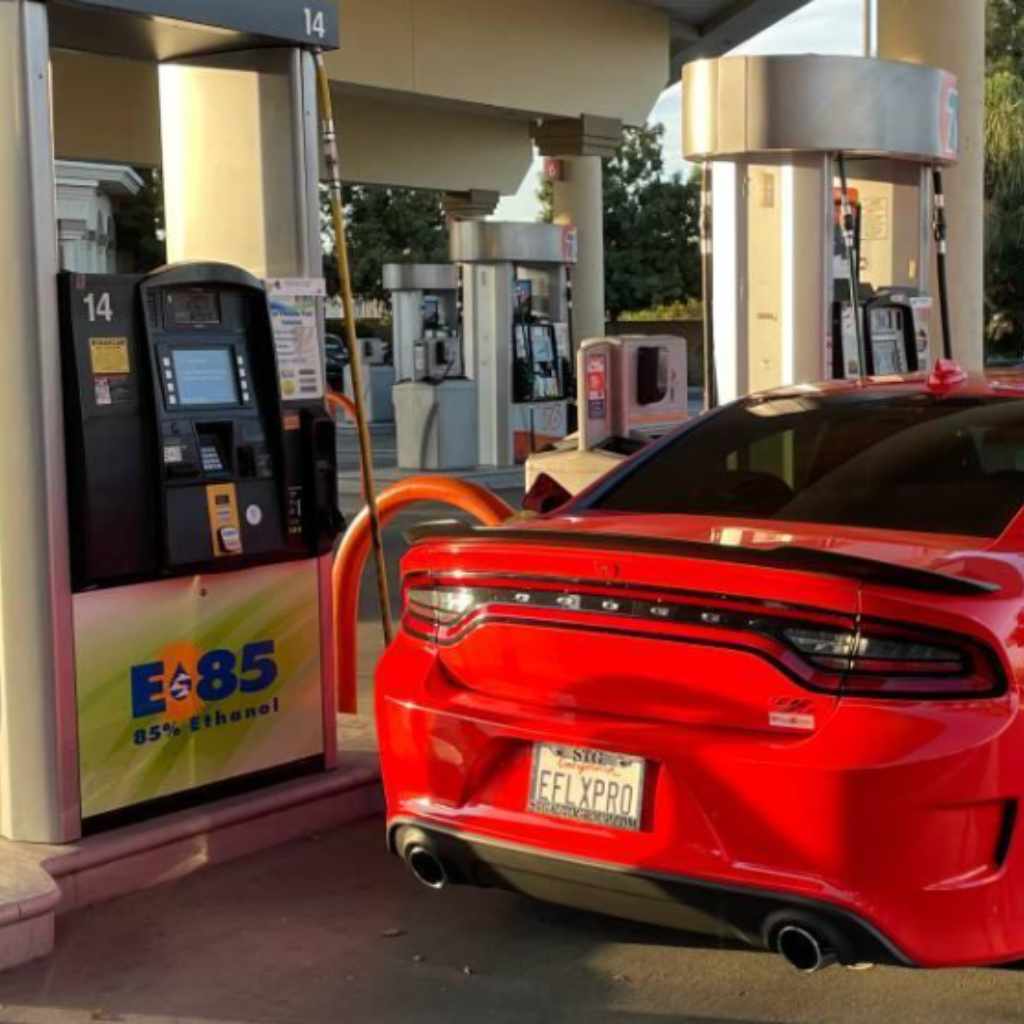
E85 is a fuel blend made up of 85% ethanol and 15% gasoline. Ethanol is an alcohol made from plants, often corn or sugarcane. This is quite different from regular gasoline, which is derived from crude oil and typically contains a much smaller percentage of ethanol, usually E10 (10% ethanol).
The higher ethanol content in E85 means it has a higher octane rating than regular gasoline. Octane measures a fuel’s ability to resist knocking or pinging in the engine. A higher octane means the fuel can withstand more compression before igniting, which can be beneficial for performance engines.
Why is E85 Different?
The primary differences between E85 and regular gasoline lie in their composition, energy content, and compatibility with vehicle components. Because E85 is a more potent fuel with a higher ethanol concentration, it behaves differently within an engine’s fuel system.
Ethanol is more corrosive than gasoline. This means it can degrade certain materials that were not designed to handle it. Older fuel lines, seals, gaskets, and even metal fuel tanks can be susceptible to damage from prolonged exposure to high concentrations of ethanol.
Furthermore, E85 has a lower energy density than gasoline. This means you get fewer miles per gallon when using E85 compared to regular gasoline, even if your car is compatible. This is because ethanol burns more calories, so to speak, than gasoline for the same volume of fuel.
Can E85 Damage Your Car? The Key Concerns
So, Can E85 Damage My Car? What Owners Need to Know boils down to whether your car was built to handle it. If your car is not designed as a “flex-fuel vehicle” (FFV), using E85 can indeed lead to damage.
Fuel System Components
The most common area of concern is the vehicle’s fuel system. Materials used in older fuel systems might not be resistant to ethanol’s corrosive properties. Let’s look at what can be affected:
- Fuel Lines: Older rubber or plastic fuel lines can become brittle, swell, or crack when exposed to high ethanol content. This can lead to fuel leaks, which are dangerous and costly to repair.
- Fuel Injectors: Ethanol can sometimes cause fuel injectors to clog or degrade their seals, leading to inefficient fuel delivery and poor engine performance.
- Fuel Pump: The seals and components within the fuel pump can also be affected, potentially leading to premature failure.
- Fuel Tank: While less common with modern vehicles, older metal fuel tanks could potentially be corroded by ethanol over time.
- Seals and Gaskets: Various seals and gaskets throughout the fuel system can degrade, causing leaks or allowing contaminants into the fuel.
These issues don’t usually happen overnight. It’s often a gradual process of degradation. However, once these components fail, they need to be replaced, which can be expensive.
Engine Performance and Issues
Beyond the fuel system, there are other potential performance-related issues:
- Check Engine Light: One of the first signs that something is wrong might be your check engine light illuminating. This could be triggered by a fuel mixture problem or a sensor malfunction due to incompatible fuel.
- Misfires: If the fuel isn’t being delivered or combusted correctly, your engine might start misfiring, leading to rough idling and reduced power.
- Starting Problems: In very cold weather, E85 can be harder to ignite than gasoline, potentially causing starting difficulties.
- Reduced Fuel Economy: As mentioned, E85 has less energy than gasoline. This means you’ll likely notice a significant drop in your car’s miles per gallon (MPG), meaning you’ll be filling up more often and spending more on fuel.
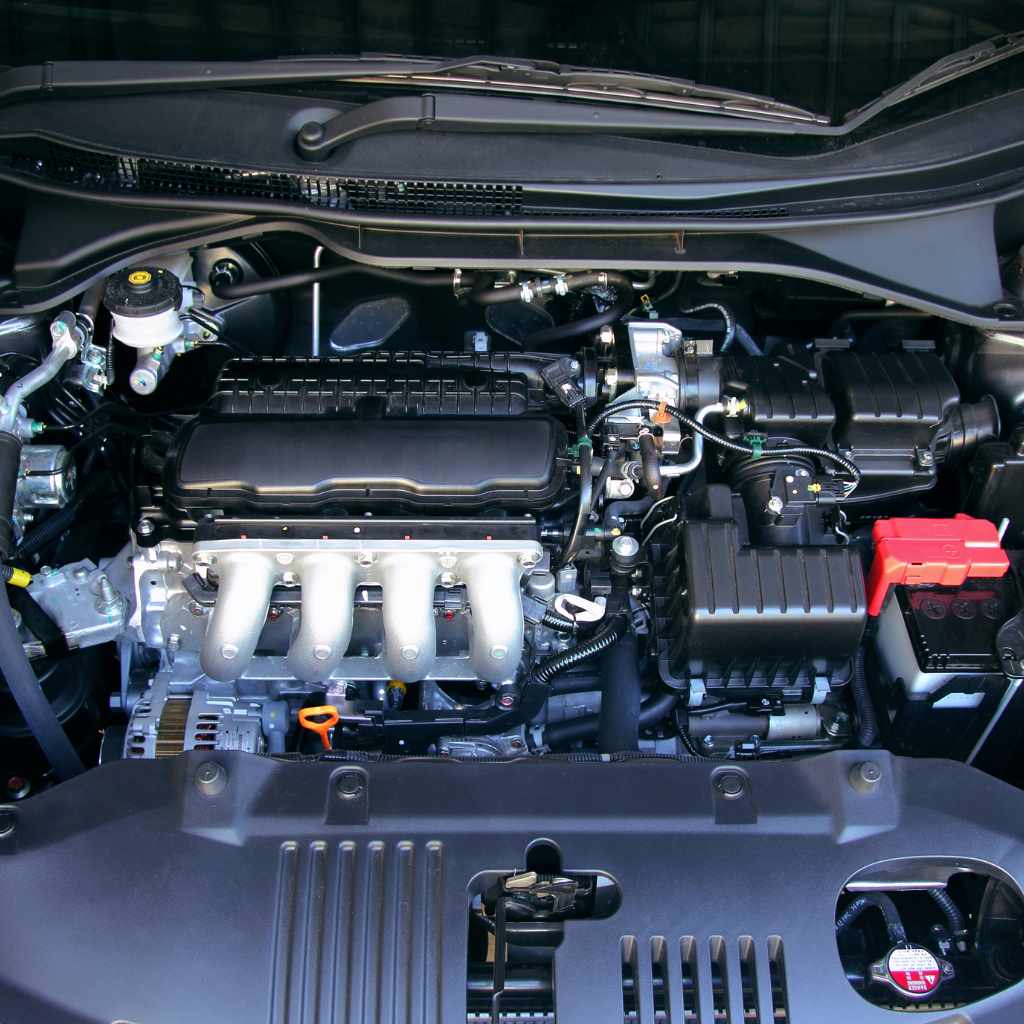
Flex-Fuel Vehicles (FFVs) Explained
The good news is that many modern cars are designed to handle E85. These are called Flex-Fuel Vehicles, or FFVs.
What Makes a Car a Flex-Fuel Vehicle?
FFVs are specifically engineered with compatible materials throughout their fuel system. This means all the rubber, plastic, and metal components that come into contact with the fuel are resistant to ethanol’s corrosive effects. They also have sophisticated engine management systems that can detect the ethanol blend in the fuel and adjust the engine’s timing and air-fuel mixture accordingly.
These vehicles have sensors that can measure the ethanol content in the fuel tank. Based on this reading, the engine computer (ECU) modifies how the engine runs to optimize performance and efficiency for the specific blend of E85 and gasoline present. This allows FFVs to seamlessly switch between using E85, regular gasoline, or any blend in between without issue.
How to Identify an FFV
Identifying if your car is an FFV is usually straightforward:
- Fuel Cap Label: Many FFVs have a label on or inside the fuel filler door or on the gas cap itself that says “Flex Fuel” or indicates compatibility with E85.
- Owner’s Manual: Your car’s owner’s manual will clearly state if it is a flex-fuel vehicle and what fuel types it can safely use.
- Vehicle Badging: Some vehicles might have exterior badging, often on the tailgate or doors, indicating they are flex-fuel capable.
- Vehicle Identification Number (VIN) Decoder: You can sometimes decode your VIN online to find out specific vehicle features, including flex-fuel capability.
If your car has any of these indicators, it’s designed to run on E85. If it doesn’t, it’s best to stick with regular gasoline (E10 or lower).
What to Do If Your Car Isn’t Flex-Fuel
If you’ve determined that your car is not an FFV, the answer to Can E85 Damage My Car? What Owners Need to Know is a definitive yes, prolonged use will likely cause damage. It’s crucial to avoid using E85 in these vehicles.
Sticking to the Right Fuel
For non-flex-fuel vehicles, always use the fuel recommended in your owner’s manual. This is typically E10 or pure gasoline. Using E10 is generally safe for most modern gasoline vehicles, as it has been the standard for many years.
However, if your manual specifies to avoid ethanol altogether or limit it to very low percentages, you should follow that advice.
Filling up with the wrong fuel is a common mistake. If you accidentally put E85 in a non-FFV, it’s best to stop driving as soon as it’s safe to do so and have the fuel system drained and refilled with the correct gasoline. Driving with E85 in an incompatible vehicle can lead to immediate drivability issues or long-term damage.
Retrofitting a Car for E85
In some cases, it might be possible to retrofit a non-flex-fuel vehicle to run on E85. This is a complex and expensive process that involves replacing many fuel system components with ethanol-resistant parts. It also requires tuning the engine management system to properly handle the fuel.
This is not a DIY project for most people. It typically involves specialized mechanics and significant modifications. For the average car owner, the cost and effort involved in retrofitting usually outweigh the potential benefits of using E85, especially considering the lower fuel economy you’ll experience.
Comparing E85 to Other Fuels
To help clarify the choice, let’s compare E85 with what most people use.
E85 vs. E10
The main difference, as discussed, is the ethanol content. E10 is the standard gasoline blend found at most pumps in the United States, containing up to 10% ethanol. E85 contains up to 85% ethanol.
| Feature | E85 | E10 |
|---|---|---|
| Ethanol Content | Up to 85% | Up to 10% |
| Octane Rating | Higher (e.g., 100-105) | Lower (e.g., 87-93) |
| Energy Density | Lower | Higher |
| Compatibility | Flex-Fuel Vehicles Only | Most Gasoline Vehicles |
| Corrosiveness | Higher | Lower |
| Price Per Gallon | Often Lower (but offset by MPG) | Standard Price |
| MPG | Lower | Higher |
The decision between E85 and E10 largely depends on your vehicle’s capability and local fuel prices. While E85 might be cheaper per gallon, the reduced MPG can make it more expensive overall for non-FFVs. For FFVs, the lower price per gallon can sometimes offset the MPG drop, making it a viable option.
E85 vs. Premium Gasoline
Premium gasoline typically has a higher octane rating than regular gasoline but contains a very low percentage of ethanol, similar to E10. The primary benefit of premium gasoline is its higher octane, which can be useful for high-performance engines that require it to prevent knocking.
E85 also has a high octane rating, but its significantly higher ethanol content means it has different combustion properties and a much lower energy density. Therefore, even though both have high octane, they are not directly comparable in terms of engine benefits or risks for non-FFVs.
Benefits and Drawbacks of Using E85 (for FFVs)
If your car is an FFV, you have the option to use E85. Here’s a look at the pros and cons:
Potential Benefits
- Lower Per-Gallon Price: E85 is often priced lower per gallon than regular gasoline, which can lead to cost savings if the MPG reduction is not too drastic.
- Higher Octane: The high octane of E85 can potentially provide a slight performance boost in some FFVs designed to take advantage of it, though this is not always noticeable in everyday driving.
- Environmental Considerations: Ethanol is a renewable fuel source, and its production can be more environmentally friendly in some aspects compared to fossil fuels. Burning ethanol also produces fewer greenhouse gas emissions in some metrics.
Potential Drawbacks
- Reduced Fuel Economy: This is the most significant drawback. Because E85 contains less energy per gallon than gasoline, you will get fewer miles per gallon. For many drivers, this means spending more money at the pump overall, despite the lower per-gallon price.
- Availability: While becoming more common, E85 is not available at every gas station, which can sometimes make it inconvenient to find.
- Engine Wear (theoretical): While FFVs are designed for E85, some argue that prolonged heavy use might still subject components to slightly more wear over the very long term due to the fuel’s properties, though this is a debated point and less of a concern with modern FFVs.
Frequently Asked Questions
Question: Will using E85 for a few fill-ups damage my non-flex-fuel car?
Answer: While a single accidental fill-up might not cause immediate catastrophic damage, prolonged use of E85 in a non-flex-fuel vehicle will likely lead to degradation of fuel system components over time. It’s best to avoid it entirely.
Question: How do I know if my car is a flex-fuel vehicle?
Answer: Look for a “Flex Fuel” label on your gas cap or inside the fuel door. Your owner’s manual is also the definitive source. Some cars may also have exterior badging.
Question: Can I mix E85 and regular gasoline in my car?
Answer: You can mix E85 and regular gasoline only if your car is a flex-fuel vehicle. The car’s computer will adjust to the blend. Never mix them in a non-flex-fuel vehicle.
Question: Will my car perform better on E85?
Answer: If your car is a flex-fuel vehicle designed to take advantage of higher octane, you might notice a slight improvement in power. However, the reduced fuel economy usually offsets any perceived performance gains for most drivers.
Question: Is E85 cheaper than regular gasoline?
Answer: E85 is often cheaper per gallon at the pump. However, due to its lower energy content, you’ll get fewer miles per gallon. Whether it’s truly cheaper overall depends on the price difference and your car’s specific MPG reduction.
Final Thoughts
When considering Can E85 Damage My Car? What Owners Need to Know, the most important factor is whether your vehicle is a Flex-Fuel Vehicle (FFV). If your car is designed for it, E85 can be a viable fuel option, often offering a lower price per gallon and a higher octane rating.
However, always remember that E85 has a lower energy density, meaning you’ll use more fuel to travel the same distance, which can make it more expensive in the long run. If your car is not an FFV, using E85 is a definite no-go. It can cause significant damage to your fuel system over time due to the ethanol’s corrosive nature, leading to costly repairs.
Always check your owner’s manual or look for flex-fuel indicators before filling up. Making the right fuel choice ensures your car runs smoothly and lasts longer.