Can I Put 10 Ethanol in My Car: Risks and Benefits Explained
Are you wondering if you can put 10 ethanol in your car? It’s a common question that many drivers have, especially with fuel options changing all the time.
Using the wrong type of fuel can harm your engine or reduce your car’s performance. But what exactly happens when you use 10% ethanol fuel? Keep reading to find out how it affects your car, whether it’s safe, and what you should consider before filling up.
This guide will help you make the best choice for your vehicle and avoid costly mistakes.
Ethanol Fuel Basics
Ethanol fuel is a type of renewable energy made from plants. It helps reduce pollution and dependence on oil. Many cars today can use ethanol blends safely. Understanding what ethanol fuel is and the common blends helps you decide if 10% ethanol suits your car.
Using the right ethanol blend keeps your engine running smoothly. It also protects important parts from damage. Knowing the basics helps you make smart choices at the pump.
What Is Ethanol Fuel
Ethanol fuel is alcohol made from plant materials like corn or sugarcane. It mixes with gasoline to create cleaner-burning fuel. This fuel burns with less carbon monoxide and harmful gases. Ethanol is renewable because plants grow back each year. It often costs less than pure gasoline. Many countries use ethanol to lower pollution and support farming.
Common Ethanol Blends
Gasoline often contains ethanol mixed in different amounts. The most common blend is E10, which means 10% ethanol and 90% gasoline. E10 works well in most cars without changes. Higher blends like E15 or E85 contain more ethanol but need special engines. Using the right blend matters for your car’s health and fuel efficiency. Check your car manual to see which blends are safe.
Compatibility With Your Car
Understanding whether 10% ethanol fuel suits your car is crucial. Not all cars handle ethanol the same way. Using the wrong fuel can cause damage or reduce performance.
Check your car’s compatibility before filling up. This section explains how to find out if 10% ethanol fuel works for your vehicle.
Manufacturer Recommendations
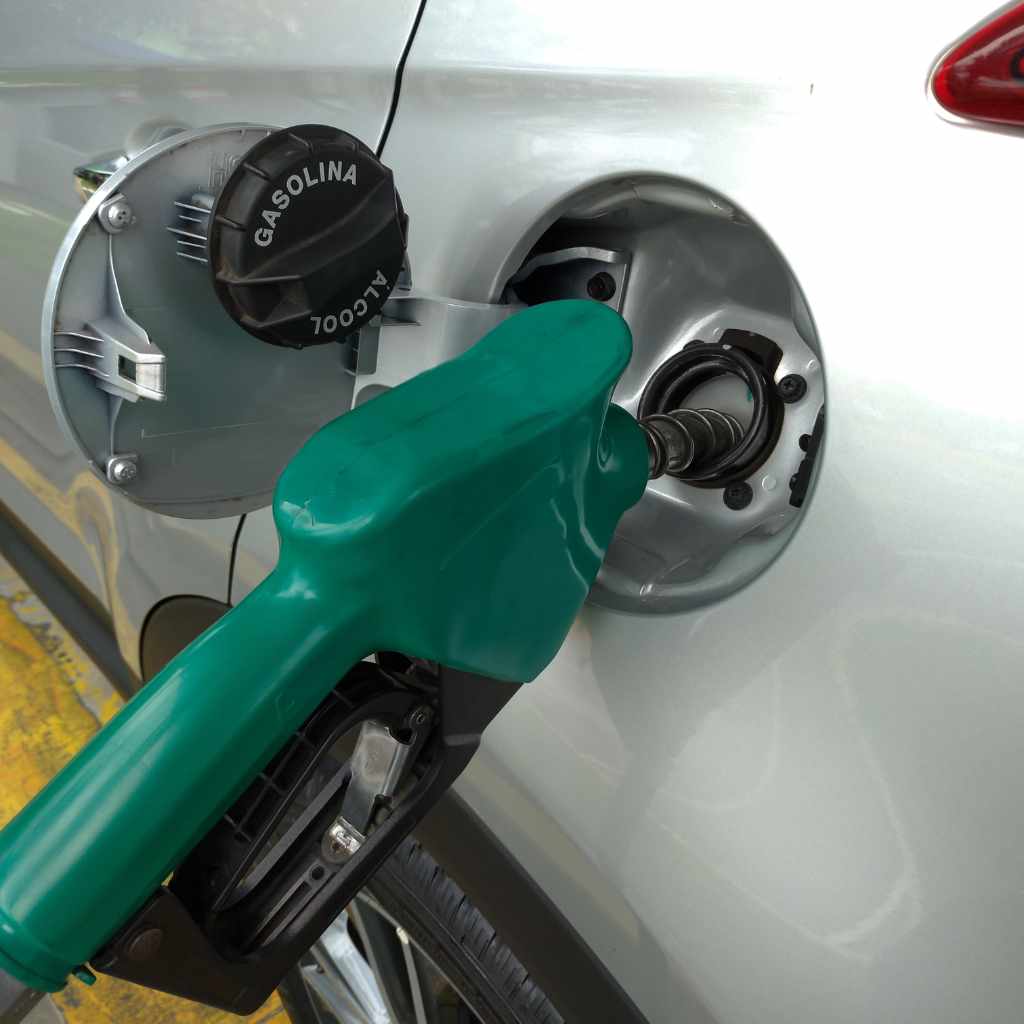
Car makers specify what fuel to use in your vehicle. Look in the owner’s manual or on the fuel door label. Most modern cars accept up to 10% ethanol, called E10.
Older cars or certain models may need pure gasoline. Using ethanol where not recommended can cause engine problems. Always follow the manufacturer’s advice to keep your car safe.
Fuel System Requirements
Ethanol can affect parts like fuel lines, pumps, and injectors. Some materials resist ethanol better than others. Cars built after the 2000s usually have ethanol-compatible fuel systems.
Older fuel systems might crack or leak with 10% ethanol. Check if your car’s fuel system supports E10. Using the wrong fuel can lead to costly repairs.
Benefits Of Using E10
Using E10 fuel, which contains 10% ethanol and 90% gasoline, offers several benefits for car owners. It supports cleaner air, can improve engine health, and may save money. Understanding these benefits helps you decide if E10 suits your vehicle.
Environmental Impact
E10 burns cleaner than pure gasoline. It reduces harmful emissions like carbon monoxide and greenhouse gases. Ethanol is made from plants, a renewable source. This lowers pollution and helps protect the environment. Using E10 supports a shift toward greener energy.
Engine Performance
E10 can help your engine run smoother. Ethanol has a higher octane rating than regular gasoline. This can improve combustion and reduce engine knocking. Many cars are designed to handle E10 safely. It also helps keep the fuel system cleaner.
Cost Considerations
E10 often costs less than pure gasoline. The price difference can save you money at the pump. Using E10 may improve fuel efficiency for some cars. Ethanol production supports local farmers and reduces dependence on oil. This can contribute to more stable fuel prices over time.
Risks And Drawbacks Of E10
Using E10 fuel, which contains 10% ethanol, carries some risks and drawbacks. Ethanol blends can affect your car’s engine and performance. Knowing these issues helps you decide if E10 suits your vehicle.
Potential Engine Damage
Ethanol can cause corrosion in engine parts. It attracts water, leading to rust and damage. Rubber seals and hoses may wear out faster. Some engines cannot handle ethanol well. This damage might lead to costly repairs.
Fuel Efficiency Concerns
E10 has less energy than pure gasoline. Cars running on E10 may use more fuel. This means you might visit gas stations more often. The small drop in mileage can add up over time.
Effect On Older Vehicles
Older cars often are not designed for ethanol blends. Their fuel systems may break down from E10 use. This can cause engine stalling or rough running. Check your car’s manual before using E10 fuel.
How To Safely Use E10
Using E10 fuel safely means understanding how it affects your car. E10 contains 10% ethanol and 90% gasoline. This blend can help reduce emissions and may save money. Yet, not all cars handle E10 the same way. Knowing the right steps keeps your vehicle running well and avoids damage.
Follow simple rules to use E10 fuel safely. Start by checking if your car is compatible. Then, store and handle the fuel correctly. These steps protect your engine and fuel system from harm.
Checking Vehicle Compatibility
Check your owner’s manual for E10 fuel use. Most cars made after 2001 can use E10 without problems. Older vehicles or classic cars may not be compatible. Using E10 in these cars can cause corrosion or damage. Ask a mechanic if unsure about your car’s fuel needs. Using the correct fuel type keeps your engine safe and efficient.
Proper Storage And Handling
Store E10 fuel in a cool, dry place away from sunlight. Use approved containers designed for ethanol-blended fuels. Avoid storing fuel for long periods to prevent separation. Always seal containers tightly to stop moisture from entering. Moisture can cause the ethanol to separate and harm your engine. Handle fuel carefully and clean any spills immediately. Proper storage and handling keep your fuel fresh and your car running smoothly.
Alternatives To E10
There are several alternatives to using E10 fuel in your car. These options vary in ethanol content and fuel type. Choosing the right fuel depends on your vehicle and driving needs. Understanding these alternatives helps you make a smart choice for your car.
Higher Ethanol Blends
Higher ethanol blends like E15 and E85 contain more ethanol than E10. E15 has 15% ethanol, and E85 can have up to 85%. These fuels are usually for flex-fuel vehicles. Using them in regular cars may cause damage. They burn cleaner but may reduce fuel efficiency. Check your vehicle’s manual before using higher blends.
Non-ethanol Fuels
Non-ethanol fuels do not contain ethanol. They include pure gasoline and some specialty fuels. These fuels help avoid ethanol-related issues like corrosion. Pure gasoline often costs more and may be harder to find. Some classic cars and small engines work better with non-ethanol fuel. Using these fuels can protect older engines and improve performance.
Frequently Asked Questions
Can I Use E10 Ethanol Fuel In Any Car?
Most modern cars can safely use E10 fuel, which contains 10% ethanol. However, some older models may face engine issues. Always check your owner’s manual or consult the manufacturer to ensure compatibility before using E10 fuel in your vehicle.
What Are The Benefits Of Using 10% Ethanol Fuel?
Using 10% ethanol fuel reduces greenhouse gas emissions and reliance on fossil fuels. It can also improve combustion efficiency. Ethanol is renewable and can help lower overall fuel costs in some regions, making it an eco-friendly alternative.
Can E10 Damage My Car Engine Or Fuel System?
E10 is generally safe for most vehicles, but in older cars, ethanol may cause rubber or plastic parts to degrade. It can also absorb water, leading to corrosion. Regular maintenance and using compatible vehicles minimize risks of damage from E10 fuel.
How Does 10% Ethanol Affect Fuel Economy?
Ethanol contains less energy per gallon than pure gasoline, so E10 may slightly reduce fuel economy. Drivers might see a 2-3% decrease in miles per gallon compared to regular gasoline. This is a minor trade-off for environmental benefits.
Conclusion
Using 10% ethanol in your car fuel is generally safe. Most cars can handle this fuel blend without harm. It helps reduce pollution and supports cleaner energy. Still, always check your car’s manual to be sure. Some older models may not work well with ethanol fuel.
Keep in mind, ethanol can affect fuel economy slightly. Regular maintenance helps your engine run smoothly with ethanol blends. Choosing the right fuel keeps your car healthy and efficient. Simple steps protect your vehicle and save money over time.