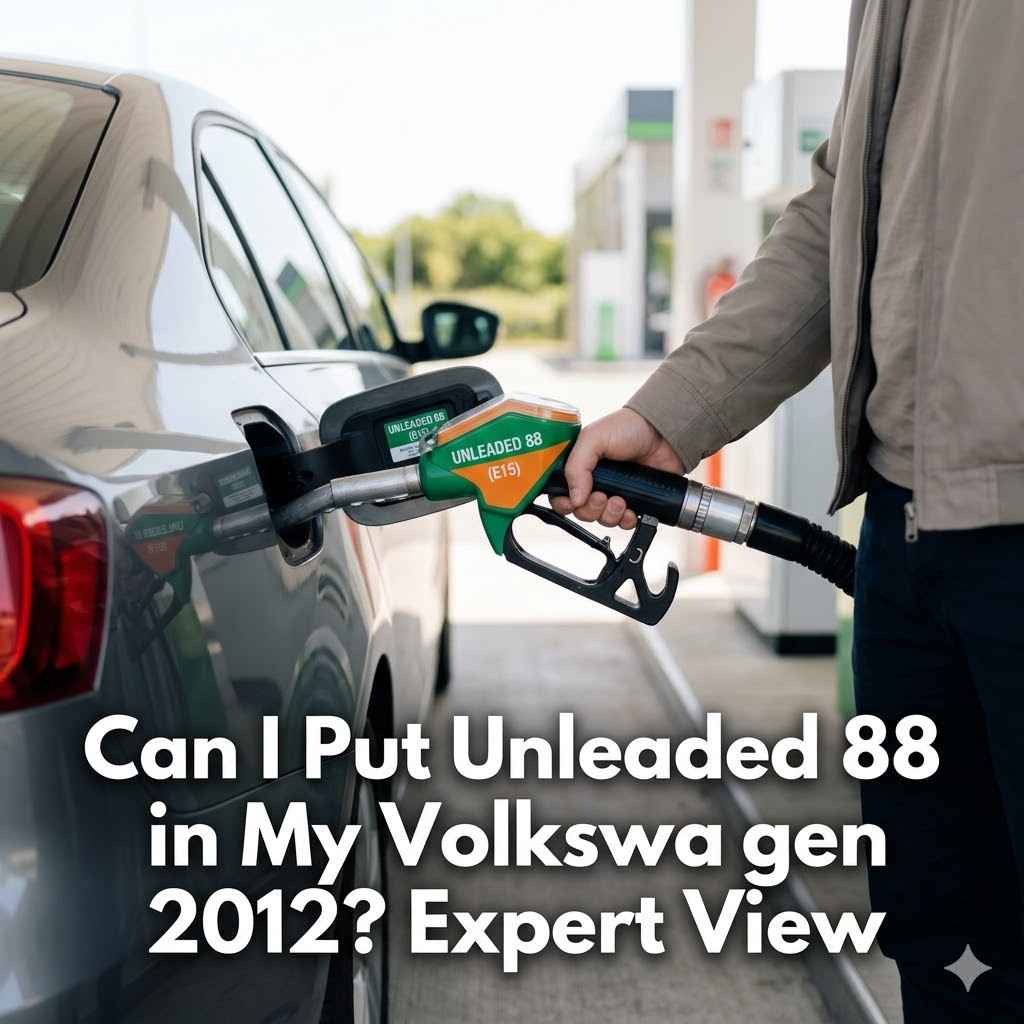
Can I Put Unleaded 88 in My Volkswagen 2012? Expert View
Figuring out which gas to put in your car can sometimes feel tricky, especially when you see different octane numbers at the pump. For many Volkswagen owners, especially those with older models like a 2012, the question of “Can I Put Unleaded 88 in My Volkswagen 2012? Expert View” comes up quite often.
It’s a common concern that can leave you scratching your head. Don’t worry, though! We’ll break down exactly what you need to know in a way that’s easy to understand.
Get ready for a simple guide that will help you make the right choice for your car’s engine.
Understanding Unleaded Fuel Octane Ratings
This section helps you understand the basics of fuel octane. We will explore what octane means and why it matters for your car’s engine. Knowing these details is key to making sure you choose the right fuel every time you fill up.
We will also touch on why different cars need different octane levels and how this affects engine performance.
What is Octane and Why Does It Matter
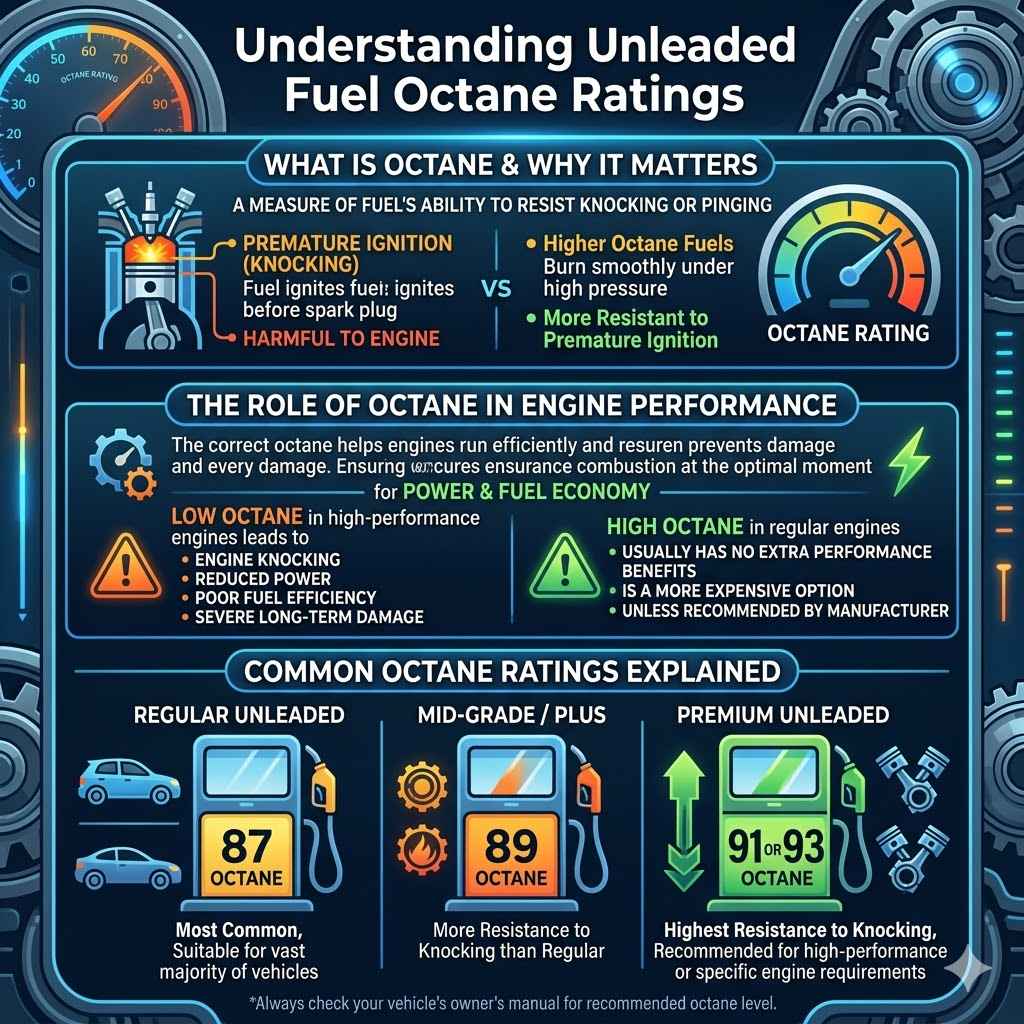
Octane is a measure of a fuel’s ability to resist knocking or pinging. This sound happens when the fuel ignites too early in the engine’s cylinder. It’s like the fuel is self-igniting before the spark plug fires.
This can harm your engine over time.
Higher octane fuels are more resistant to this premature ignition. They burn more smoothly and evenly under high pressure and temperature conditions within the engine.
Most cars on the road today are designed to run on regular unleaded gasoline, which typically has an octane rating of 87. Some performance vehicles or those with specific engine designs might require premium gasoline, usually rated at 91 or 93 octane.
The Role of Octane in Engine Performance
The octane rating of your fuel directly impacts how your engine performs. Using the correct octane helps your engine run efficiently and prevents damage. It ensures that combustion happens at the precise moment needed for optimal power and fuel economy.
When you use a fuel with an octane rating that is too low for your engine, you risk engine knocking. This can lead to reduced power, poor fuel efficiency, and, in severe cases, long-term engine damage.
Conversely, using a fuel with an octane rating higher than what your car requires usually doesn’t offer significant benefits. Your engine isn’t designed to take advantage of the extra resistance to knocking. It’s often just a more expensive option without providing extra performance.
Common Octane Ratings Explained
At the gas station, you’ll typically see three main octane ratings: 87, 89, and 91 or 93. These numbers are important because they tell you how the fuel will behave inside your engine.
87 octane is considered “regular” unleaded gasoline. It’s the most common and is suitable for the vast majority of vehicles on the road today.
89 octane is often labeled as “mid-grade” or “plus.” It offers a bit more resistance to knocking than regular unleaded but is still a step below premium.
91 or 93 octane is “premium” unleaded gasoline. It has the highest resistance to knocking and is recommended for high-performance vehicles or those with specific engine requirements.
Can I Put Unleaded 88 in My Volkswagen 2012? Expert View
This is the core question many Volkswagen owners ask. We will now specifically address the use of Unleaded 88 fuel in a 2012 Volkswagen model. We will provide clear answers based on expert advice and manufacturer recommendations.
Understanding the nuances of Unleaded 88 is crucial to avoid potential issues with your vehicle’s engine.
What is Unleaded 88 Fuel
Unleaded 88 is a gasoline blend that contains 88 octane. It also contains a higher percentage of ethanol, typically 15% (E15). This is different from regular unleaded gasoline, which usually contains 10% ethanol (E10).
The primary difference, apart from the octane rating, is the increased ethanol content. Ethanol is an alcohol produced from corn or other plant materials. It’s added to gasoline as a renewable fuel additive.
While Unleaded 88 offers a slightly higher octane rating than standard 87 octane fuel, its suitability depends heavily on the vehicle’s engine and fuel system. Not all cars are designed to handle the higher ethanol content found in E15 fuel.
Volkswagen’s Official Stance on Unleaded 88
Volkswagen, like many other auto manufacturers, has specific guidelines regarding the type of fuel that can be used in their vehicles. These guidelines are in place to ensure optimal performance and longevity of the engine and fuel system components.
Generally, Volkswagen vehicles are designed to run on standard unleaded gasoline with an octane rating of 87. For many models, including those from 2012, using fuel with a higher ethanol content than E10 may not be recommended.
Manufacturers often test their vehicles with specific fuel blends. Deviating from these tested specifications can potentially lead to issues. It’s always best to consult your vehicle’s owner’s manual for the most accurate and up-to-date information.
Expert Opinions on Unleaded 88 for Your 2012 VW
Automotive experts and mechanics often advise caution when it comes to using Unleaded 88 (E15) fuel in vehicles not explicitly approved for it. While the octane rating might seem appealing, the higher ethanol content is the primary concern.
Ethanol is a solvent and can degrade certain rubber and plastic components found in older fuel systems. This degradation can lead to leaks, fuel system damage, and other costly repairs over time.
For a 2012 Volkswagen, it is highly probable that the vehicle was not designed or tested for E15 fuel. Therefore, using Unleaded 88 is generally not recommended by most automotive professionals.
Potential Risks of Using the Wrong Fuel
Using the incorrect type of fuel in your vehicle can lead to a range of problems. This section will detail the potential negative consequences. We will cover engine performance issues, damage to fuel system components, and even voided warranties.
Understanding these risks will help you make informed decisions at the pump.
Engine Knocking and Reduced Performance
If you put a fuel with an octane rating lower than what your engine requires, you will likely experience engine knocking. This is a sharp, metallic sound that comes from the engine. It happens because the fuel is igniting unevenly inside the combustion chamber.
This uneven combustion is inefficient. It leads to a noticeable loss of power. Your car might feel sluggish, and acceleration can be significantly reduced.
It’s your engine telling you it’s not happy with the fuel it’s receiving.
Over time, persistent engine knocking can cause serious internal damage. It puts extra stress on engine components like pistons and connecting rods. This can lead to costly repairs down the line.
It’s a sign that you need to use the correct fuel.
Damage to Fuel System Components
Modern cars have complex fuel systems made of various materials. When you introduce a fuel that the system isn’t designed for, these materials can be affected. This is particularly true with higher ethanol blends.
Ethanol is hygroscopic, meaning it attracts water. This water can lead to corrosion within your fuel tank and fuel lines. Ethanol can also break down certain types of rubber and plastic used in fuel hoses, seals, and gaskets.
If these components degrade, they can start to leak. This is not only a safety hazard due to flammable fuel but also a costly repair. You might need to replace fuel injectors, fuel pumps, or entire fuel lines.
Voiding Your Vehicle’s Warranty
Auto manufacturers specify the types of fuel their vehicles are designed to use. If you use a fuel that is not approved and it causes damage to your vehicle, your warranty may be affected.
Using a fuel that is not recommended in your owner’s manual could be considered misuse of the vehicle. This can give the manufacturer grounds to deny warranty claims for any issues that arise from using that fuel.
It’s a significant risk to consider. The cost of repairing damage caused by using the wrong fuel can far outweigh any perceived savings or benefits from using a non-recommended fuel type. Always stick to what the manufacturer recommends.
What Fuel to Use Instead
Knowing what fuel to use is as important as knowing what fuel to avoid. This part of the guide will steer you toward the right choices. We will confirm the recommended fuel for your 2012 Volkswagen.
We will also discuss why sticking to these recommendations is the best course of action for your car’s long-term health.
Consult Your Owner’s Manual
The absolute best resource for determining the correct fuel for your 2012 Volkswagen is your owner’s manual. This document is filled with essential information specific to your car model, including fuel recommendations.
Your manual will clearly state the recommended minimum octane rating for your vehicle’s gasoline. It will also specify the maximum ethanol content that is safe to use. For most standard vehicles like a 2012 Volkswagen, this will be regular unleaded gasoline (87 octane) with up to 10% ethanol (E10).
If you don’t have your physical owner’s manual, you can usually find a digital version on the Volkswagen official website. Search for your specific model and year, and you should be able to download a PDF copy. It’s a vital piece of information for proper car care.
Recommended Fuel for Your 2012 Volkswagen
Based on general automotive knowledge and typical Volkswagen specifications for that era, your 2012 Volkswagen is almost certainly designed to run on regular unleaded gasoline with an octane rating of 87. This fuel typically contains up to 10% ethanol (E10).
This is the fuel that has been tested and approved by Volkswagen engineers. It ensures that the engine operates as intended, providing the best balance of performance, fuel economy, and emissions control.
Using 87 octane unleaded gasoline is the most cost-effective and safest choice for your vehicle. It prevents the potential issues associated with higher ethanol blends or octane ratings that your car does not require.
The Benefits of Sticking to Recommendations
Adhering to your car manufacturer’s fuel recommendations brings several advantages. Firstly, it ensures your vehicle operates at peak efficiency. This means you get the best possible gas mileage and engine performance.
Secondly, it protects your investment. By using the recommended fuel, you minimize the risk of fuel system damage and engine problems. This can save you a significant amount of money on repairs over the life of your car.
Finally, using the correct fuel helps maintain your vehicle’s warranty. It demonstrates that you have followed the manufacturer’s guidelines for care and maintenance. This peace of mind is invaluable for any car owner.
Addressing Common Misconceptions
There are many myths circulating about fuel. This part of the article will tackle some of those common misunderstandings. We will clarify why some popular beliefs about fuel grades are not accurate.
This will help you make decisions based on facts, not rumors.
Higher Octane Always Means Better Performance
A common misconception is that using a higher octane fuel, like premium, will always make your car perform better, regardless of the vehicle’s requirements. This is not true for most standard cars.
Higher octane fuel is designed to resist knocking in engines that operate under high compression or have advanced timing. These are typically high-performance engines. If your car is designed for regular 87 octane fuel, it cannot take advantage of the properties of premium fuel.
Your car’s engine control unit (ECU) is programmed to optimize performance for the fuel it’s designed to use. Putting in higher octane fuel than recommended will not unlock hidden power. It will likely just cost you more money at the pump without any tangible benefit.
Ethanol Is Always Bad for Cars
While higher ethanol blends like E15 (Unleaded 88) can cause issues in vehicles not designed for them, ethanol in lower concentrations, like E10, is generally not harmful. In fact, it has some benefits.
Ethanol is a renewable fuel additive. It can help reduce certain emissions, like carbon monoxide and unburned hydrocarbons. It also contains oxygen, which can promote more complete combustion.
Many engines are designed to run on E10 without any problems.
The key is the percentage of ethanol. The materials used in a car’s fuel system are rated for specific ethanol content. Exceeding that rating is where the potential for damage arises.
It’s about compatibility, not necessarily a blanket condemnation of ethanol itself.
Unleaded 88 is Just a Fancy Name for Regular Gas
Unleaded 88 is not just a new name for regular gasoline. It is a distinct fuel blend with specific characteristics. The most significant difference is its higher octane rating (88) and its increased ethanol content (15% or E15).
Regular gasoline is typically 87 octane and contains up to 10% ethanol (E10). While the octane number is similar, the higher ethanol percentage in Unleaded 88 makes it incompatible with many vehicles, including most older Volkswagens.
Fuel manufacturers and regulators distinguish between E10 and E15. This is because the compatibility issues associated with higher ethanol content are well-documented. Therefore, it’s crucial to recognize Unleaded 88 as a different fuel type that requires specific vehicle approval.
Alternatives and Best Practices
This section offers practical advice for fueling your car. We will cover finding the right gas stations and simple checks you can do. Following these practices will ensure your car runs smoothly and reliably for years to come.
It’s about making smart choices every time you visit the pump.
Identifying Approved Fuel Stations
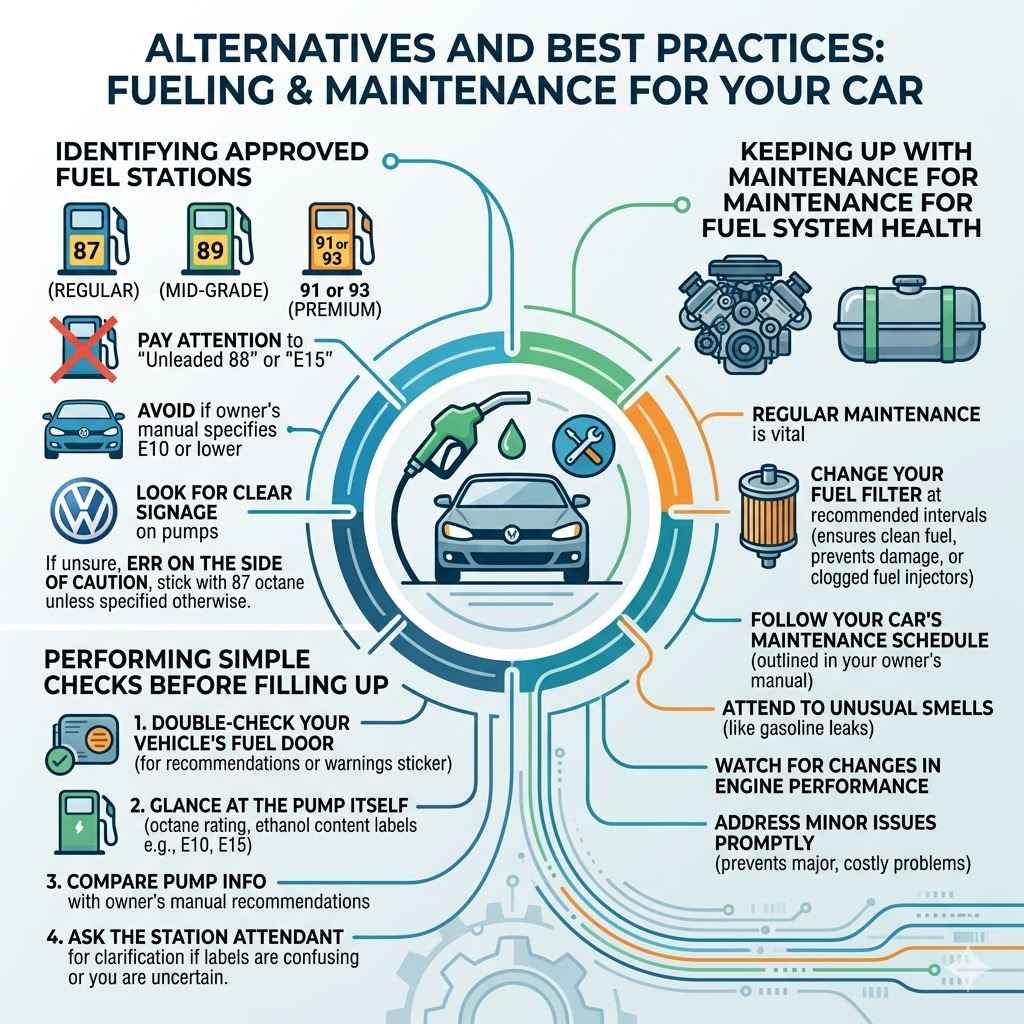
Many gas stations now offer various fuel options. When you are looking to fill up your 2012 Volkswagen, focus on stations that clearly label their gasoline grades. Look for the standard octane ratings: 87 (Regular), 89 (Mid-Grade), and 91 or 93 (Premium).
Pay close attention to any pumps that specifically advertise “Unleaded 88” or “E15.” If your owner’s manual specifies E10 or lower, you should avoid these pumps for your Volkswagen.
Most major fuel brands provide clear signage on their pumps. If you are ever unsure, it is better to err on the side of caution and stick with the most common fuel grade (87 octane) unless your manual states otherwise.
Performing Simple Checks Before Filling Up
Before you even start pumping gas, take a moment to perform a quick check. First, double-check your vehicle’s fuel door. Sometimes, there is a sticker inside the fuel door with specific fuel recommendations or warnings.
Next, glance at the pump itself. Most pumps have labels indicating the octane rating and ethanol content (e.g., E10, E15). Compare this information with what your owner’s manual recommends.
If you see any unfamiliar or confusing labels, or if you are still uncertain, it is perfectly acceptable to ask the gas station attendant for clarification. Their knowledge, combined with your owner’s manual, can help you make the right decision.
Keeping Up with Maintenance for Fuel System Health
Regular maintenance is vital for the health of your car’s fuel system, regardless of the fuel you use. This includes things like changing your fuel filter at recommended intervals.
A clean fuel filter ensures that your engine receives clean fuel, free from any debris that could cause damage or clog fuel injectors. Following your Volkswagen’s maintenance schedule, as outlined in your owner’s manual, is the best way to keep your fuel system in top condition.
Paying attention to any unusual smells (like gasoline leaks) or changes in engine performance is also important. Addressing minor issues promptly can prevent them from becoming major, costly problems later on.
Frequently Asked Questions
Question: Can I put Unleaded 88 in my 2012 Volkswagen Jetta?
Answer: It is generally not recommended to put Unleaded 88 (E15) in a 2012 Volkswagen Jetta. Volkswagen vehicles from that era are typically designed for regular unleaded gasoline (87 octane) with up to 10% ethanol (E10). Using E15 could potentially damage your fuel system components.
Question: What happens if I accidentally put Unleaded 88 in my 2012 VW?
Answer: If you accidentally put a small amount of Unleaded 88 in your 2012 Volkswagen, and your tank is mostly filled with regular gas, the risk might be low. However, if you fill your tank with Unleaded 88, you could experience engine knocking, reduced performance, and potential long-term damage to your fuel system’s rubber and plastic parts.
Question: Does my 2012 Volkswagen have a flexible fuel system that can handle E15?
Answer: No, your 2012 Volkswagen likely does not have a flexible fuel system designed to handle E15. Flexible fuel vehicles are specifically designed and labeled to run on various ethanol blends. Standard Volkswagens from that year are not.
Question: Where can I find the exact fuel recommendation for my 2012 Volkswagen Golf?
Answer: The most accurate place to find the exact fuel recommendation for your 2012 Volkswagen Golf is in your owner’s manual. You can also often find a sticker inside the fuel filler door with this information.
Question: Is it okay to use premium (91 octane) gas in my 2012 Volkswagen Passat if it’s not required?
Answer: Using premium gas (91 octane) in your 2012 Volkswagen Passat when it is not required by the manufacturer will not harm the engine. However, it will likely not provide any performance benefits and will cost you more money at the pump. Sticking to the recommended 87 octane is the most economical choice.
Conclusion
For your 2012 Volkswagen, always choose 87 octane regular unleaded gasoline. Unleaded 88, with its higher ethanol content, is not recommended for your car. Stick to the fuel specified in your owner’s manual to keep your engine running well and avoid costly repairs.
Your Volkswagen will thank you for it.