Can Someone Buy A Car On My Behalf: Essential Guide
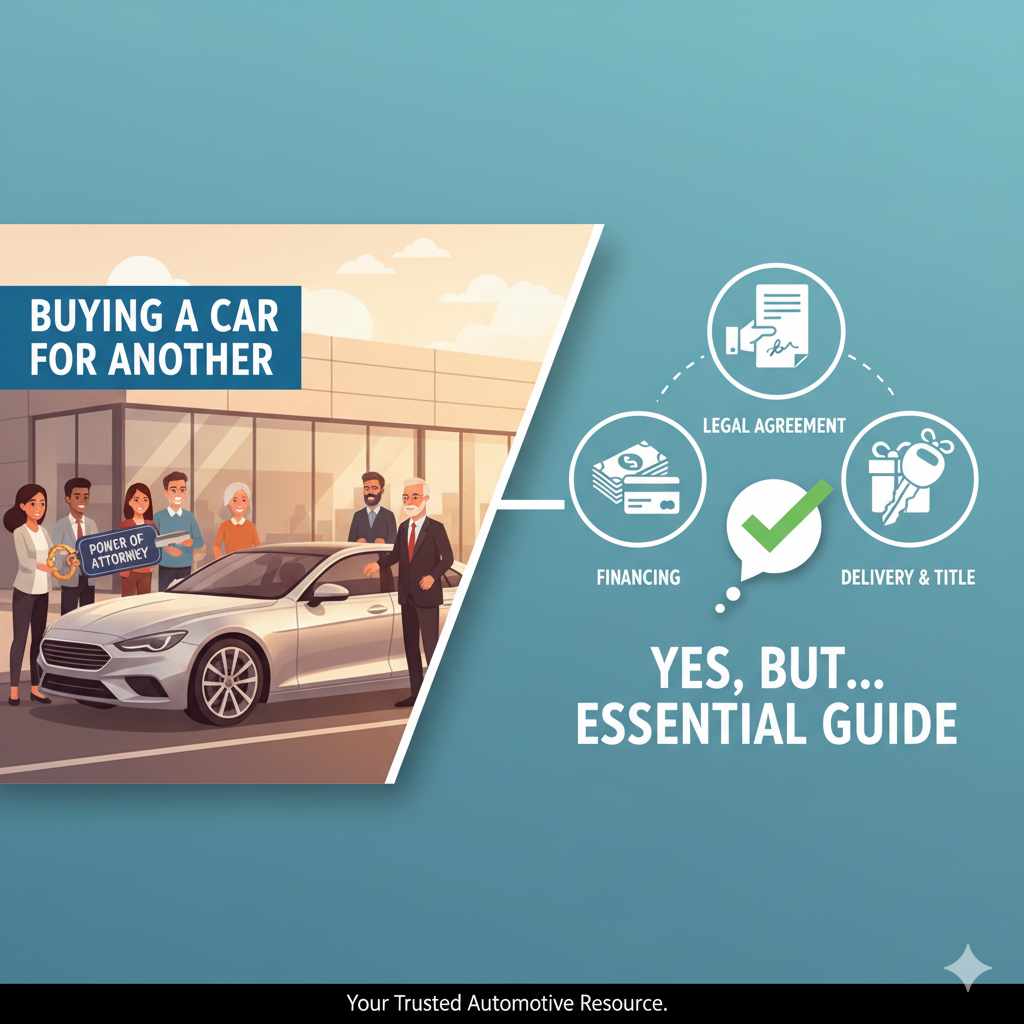
Yes, someone can buy a car on your behalf, but it requires careful planning and proper legal documentation. You’ll need to grant them authority, usually through a Power of Attorney, to sign paperwork and handle finances. This guide explains how to do it safely and effectively.
Thinking about getting a new ride but can’t make it to the dealership yourself? Maybe you’re out of town, have a packed schedule, or simply prefer to have a trusted friend or family member handle the legwork. It’s a common question: can someone else actually buy a car for you? The good news is, yes, they absolutely can! But like anything involving significant transactions and legal paperwork, it’s essential to do it the right way. We’re here to break down exactly how this process works, in a way that’s easy to understand, so you can feel confident and secure. Let’s get this car-buying journey started smoothly!
Understanding “Buying a Car on Your Behalf”
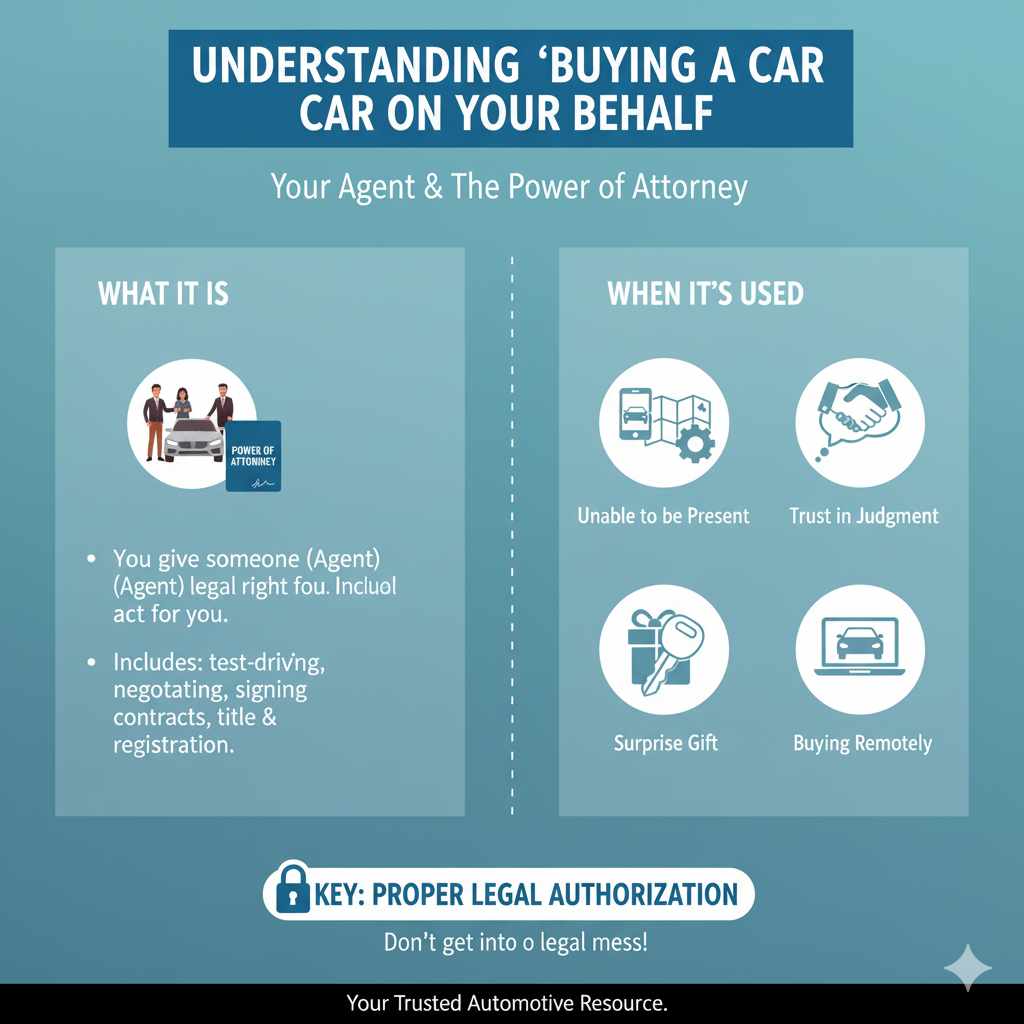
When we talk about someone buying a car on your behalf, it essentially means you’re giving another person, your “agent” or “attorney-in-fact,” the legal right to act for you in the car purchase process. This can include everything from test-driving and negotiating the price to signing the purchase contract, loan documents, and even handling the title and registration.
This arrangement is usually made when:
- You’re unable to be physically present at the dealership.
- You trust someone’s judgment and negotiation skills implicitly.
- You want to surprise someone with a car.
- You’re buying a car remotely.
The key to making this work smoothly and legally is proper authorization. Without it, a salesperson won’t be able to complete the sale with your representative, and you could be left with a legal mess. We’ll dive into the specific legal tools you’ll need to grant this authority.
The Legal Framework: Power of Attorney (POA)
The primary legal document that allows someone to act on your behalf in significant transactions like buying a car is a Power of Attorney (POA). A POA is a written document where you, the “principal,” grant legal authority to another person, the “agent” or “attorney-in-fact,” to act on your behalf.
For car purchases, you’ll typically need a specific type of POA:
General Power of Attorney vs. Special/Limited Power of Attorney
- General Power of Attorney: This gives broad authority to your agent to handle almost all your financial and legal affairs. While it would certainly cover buying a car, it’s usually too extensive for just one transaction and carries more risk because it gives your agent wide-ranging powers.
- Special or Limited Power of Attorney: This is the type you’ll most likely want for buying a car. It specifically outlines the exact powers you are granting to your agent and for what purpose. For buying a car, you would specify that the agent can find, select, negotiate, and purchase a vehicle, and sign all related documents. This type of POA is much safer as it limits the scope of the agent’s authority strictly to the car purchase.
Key Elements of a Special POA for Car Purchase
A well-drafted POA for car buying should clearly include:
- Your Name and Address (Principal): Clearly identify yourself.
- Agent’s Name and Address: Clearly identify the person you are authorizing.
- Specific Powers Granted: List exactly what your agent can do. For example: “to search for, select, negotiate the price of, and purchase a motor vehicle on behalf of the Principal.”
- Vehicle Details (Optional but Recommended): You can specify the make, model, year, or even price range of the car if you have a particular one in mind. This adds an extra layer of control.
- Duration or Termination: State when the POA becomes effective and when it ends. It can be effective immediately and terminate upon completion of the purchase, or on a specific date, or upon your revocation.
- Signatures and Notarization: Your signature is essential. In most states, a POA must be notarized by a licensed Notary Public to be legally binding and accepted by dealerships and the Department of Motor Vehicles (DMV).
Where to Get a POA
You have a few options for obtaining a POA document:
- Online Legal Services: Websites like Rocket Lawyer or LegalZoom offer customizable POA templates that you can adapt. These are often more affordable than hiring an attorney but ensure you’re getting one valid in your state.
- Legal Software: Many legal software packages include templates for various legal documents, including POAs.
- Attorney’s Office: For the highest level of assurance and customization, consult with an attorney. They can draft a POA that specifically addresses your needs and ensures it complies with all state laws. This is the most secure option, though typically the most expensive. You can find resources for local attorneys through the American Bar Association or your state bar association.
Important Note: Laws regarding Powers of Attorney vary significantly by state. It’s crucial to ensure the POA document is valid and enforceable in the state where the car will be purchased and registered. The U.S. government’s National Healthcare and Elder Rights constantly updates information on legal documents, often linking to state-specific resources where you can find more details on legal requirements for POAs.
The Process: Step-by-Step Guide
Once you’ve decided to have someone buy a car on your behalf and have the necessary legal documents in order, here’s how the process typically unfolds:
Step 1: Grant Authority with a Special POA
This is your very first and most critical step. Work with a legal professional or reliable online service to create a Special Power of Attorney document. Ensure it clearly grants your agent the authority to purchase a vehicle for you. Fill in all the required details accurately and have it properly signed and notarized.
Step 2: Inform Your Agent and Provide Clear Instructions
Sit down with your agent and discuss your preferences in detail. This is your chance to be very specific:
- Budget: Set a firm maximum price, including taxes, fees, and any potential repairs.
- Vehicle Type: Specify the make, model, year range, and any essential features (e.g., four-wheel drive, specific safety features).
- Condition: Are you looking for new, certified pre-owned, or used? What’s the acceptable mileage?
- Where to Look: Should they focus on local dealerships, national chains, or private sellers?
- Negotiation Strategy: Give them some room to negotiate, but define your limits.
- Inspection: Emphasize the importance of a pre-purchase inspection (PPI) by an independent mechanic, especially for used cars.
- Payment Method: How will the transaction be funded? Will your agent use their own funds and be reimbursed, or will you provide a cashier’s check or wire transfer?
Provide your agent with the original or a certified copy of the executed POA. They will need this to present to the dealership.
Step 3: Your Agent Shops for the Car
Your agent will now go out and do the shopping. This involves visiting dealerships, browsing online listings, and talking to sellers. They will represent you and act according to the instructions you’ve given them and the authority granted by the POA.
Step 4: Negotiation and Agreement
When your agent finds a suitable car, they will negotiate the price and terms with the seller. If they reach an agreement within the parameters you’ve set, they will proceed to the paperwork. If the negotiation goes beyond your agreed-upon limits, they should consult with you before finalizing anything.
Step 5: Signing the Paperwork
This is where the POA is essential. Your agent, using the authority granted, will sign the purchase agreement, bill of sale, financing documents (if applicable), and any other necessary paperwork on your behalf. They should make it clear that they are signing as “Agent for [Your Name] and present the POA to the dealership’s finance manager or sales representative.
Step 6: Payment
Your agent will arrange for payment. This might involve:
- Using a cashier’s check or wire transfer that you provide.
- Using their own funds and then seeking reimbursement from you.
- Securing financing in your name.
Ensure you have a clear plan with your agent on how the payment will be handled to avoid confusion or misunderstandings.
Step 7: Title and Registration
Your agent will typically handle the initial steps for titling and registering the vehicle. This often involves submitting the purchase paperwork to your local Department of Motor Vehicles (DMV) or equivalent agency. They may need to provide your information and the car’s details to get the title and registration in your name. Some states allow for an agent to handle this transfer, while others might require your personal signature on certain forms. It’s wise to check your local DMV’s requirements beforehand.
For example, the California Department of Motor Vehicles (DMV) has extensive information on vehicle registration and the process of transferring ownership, which can be helpful to understand the general requirements, even if your state’s specifics differ.
Step 8: Taking Possession of the Car
Once all paperwork is signed, payment is made, and initial registration steps are completed, your agent can take possession of the car on your behalf. They can then drive it to you, or you can arrange to pick it up.
Pros and Cons of Having Someone Buy a Car for You
Like any decision, having someone else handle your car purchase comes with its own set of advantages and disadvantages. It’s good to weigh these carefully before proceeding.
Pros:
- Convenience: The most significant benefit is saving you time and effort, especially if you have a very busy schedule or live far away from where you want to buy the car.
- Leveraging Trustworthy Expertise: You can choose someone you trust implicitly, who might also be a skilled negotiator or knowledgeable about cars.
- Access to Deals: If your agent is in a different location, they might uncover better deals or access vehicles not readily available in your area.
- Surprise Factor: It’s a fantastic way to surprise a loved one with a new vehicle.
Cons:
- Risk of Miscommunication: Despite clear instructions, there’s always a risk that your agent might misunderstand your preferences or make a decision you don’t fully agree with.
- Potential for Overspending: If the agent is overly enthusiastic or doesn’t stick to the budget, you could end up paying more than intended.
- Legal and Financial Complications: If the POA isn’t drafted correctly, or if the agent misuses their authority, it can lead to serious legal and financial problems.
- Limited Personal Inspection: You won’t be able to see, touch, or test-drive the car yourself, which can be a crucial part of the car-buying experience for many people.
- Dealer Hesitation: Some dealerships might be hesitant or require extra verification when a car is being purchased using a POA, to prevent fraud.
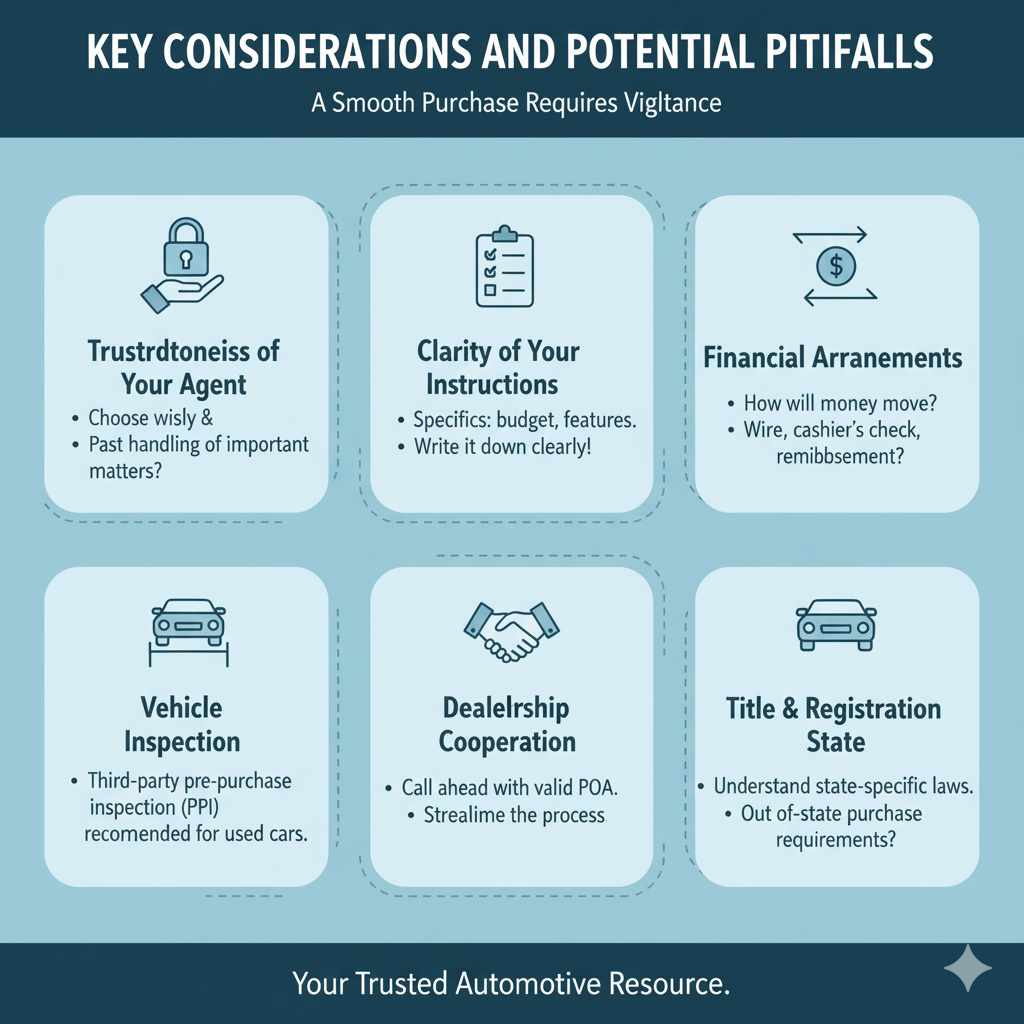
Key Considerations and Potential Pitfalls
To ensure a smooth transaction and avoid common problems, keep these points in mind:
Trustworthiness of Your Agent
This cannot be stressed enough. Choose an agent who is exceptionally trustworthy, responsible, and understands the gravity of the transaction. Think about past experiences where they’ve handled important matters for you.
Clarity of Your Instructions
Ambiguity is the enemy here. Be as specific as possible with your budget, desired features, and acceptable conditions. Write down your preferences and share them clearly.
Financial Arrangements
How will the money move? Will you wire funds to your agent? Will they pay with their own money and submit receipts? Will you meet them at the bank to get a cashier’s check? A clear financial plan avoids confusion and potential disputes.
Vehicle Inspection
Even if your agent is knowledgeable, a third-party pre-purchase inspection (PPI) by an independent mechanic is highly recommended for used cars. This can uncover issues you or your agent might miss and give you leverage during negotiation or a reason to walk away.
Dealership Cooperation
While most reputable dealerships will work with a valid POA, some might be more cautious. It’s a good idea for your agent to call ahead and inform the dealership that they will be purchasing a car using a Power of Attorney. This can streamline the process when they arrive.
Title and Registration State
Understand the titling and registration laws in the state where you plan to register the car. If your agent is in a different state, ensure they are aware of any specific requirements for out-of-state purchases or registrations.
Frequently Asked Questions (FAQ)
Can my spouse buy a car for me?
Yes, your spouse can buy a car for you, but they will still need proper legal authorization, usually a Special Power of Attorney, unless they are listed as a joint owner on your accounts or have other pre-existing legal authority in your state. Even spouses may need a POA for specific transactions.
What if the car purchased on my behalf isn’t what I wanted?
This highlights the importance of clear communication and a well-defined POA. If the agent acted within the scope of the POA and your verbal instructions, you are generally bound by the contract. If the agent exceeded their authority or there was a significant misunderstanding, you may need to seek legal advice. This is why detailed instructions are vital.
Do I need a lawyer to create a POA?
While not always strictly required, hiring an attorney to draft a POA is highly recommended. They can ensure the document is legally sound, valid in your state, and tailored to your specific needs, minimizing the risk of future complications. Online services can be an alternative, but legal counsel offers greater certainty.
Can someone buy a car for me if I fund the purchase with a loan?
Yes, but it’s more complex. Your agent would need the authority to not only purchase the car but also to apply for and sign loan documents on your behalf. This requires a very robust POA and careful consideration of financing terms. You would likely need to be present or provide extensive verification for the lender.
What if my agent signs the paperwork without the POA?
If your agent signs without a valid POA, they are personally liable for the contract. The sale might not be legally binding on you, and the dealership could hold your agent responsible. This is why having the POA readily available and presented is crucial.
Can a minor buy a car on my behalf?
No, minors generally cannot enter into legally binding contracts, including car purchases. The POA can only grant authority to a legal adult who has the capacity to act on your behalf. You’ll need to select an adult agent.
What are the risks of using a general POA for a car purchase?
A general POA grants very broad powers, allowing your agent to handle many of your financial affairs. Using it for a single car purchase means that if something goes wrong or if the agent acts inappropriately, they could potentially misuse their authority in other areas of your finances, not just the car purchase. A Special POA is far safer for this specific purpose.
Conclusion
So, can someone buy a car on your behalf? The definitive answer is a strong yes! With the right preparation and the proper legal tool – a well-crafted Special Power of Attorney – you can confidently empower a trusted individual to navigate the car-buying process for you. It’s a fantastic way to manage your automotive needs when you can’t be there yourself, offering convenience and leveraging the skills of someone you trust.
Remember, the key to success lies in clear communication, meticulous legal documentation, and choosing an agent who is both reliable and understands the importance of your instructions. By taking these steps, you can ensure a smooth, secure, and successful car purchase, even from afar. Don’t hesitate to consult with legal professionals or your local DMV if you have any doubts, and you’ll be driving your new car with peace of mind before you know it!