Top Ways to Keep Your Car Organized (7 Habits and Safety Rules)
The best way to keep your car organized is to give every item one home, in a zone that is safe for it: gear in the trunk, daily items in the console, documents in the glovebox, and nothing loose near the pedals. Most guides stop at bins and hacks. This one adds the part they skip, which is what your car’s own owner’s manual says about loose objects, pedals, heat and cargo, plus a zone chart you can copy tonight.
Quick Answer
Empty the car, then rebuild it by zone: a strapped trunk organizer for heavy gear, a lidded trash bag, a console tray for small daily items, and a clear driver footwell. Reset for two minutes each night and do a full declutter every 2 to 4 weeks.
The 7 Top Ways to Keep Your Car Organized
Best Strap-Down Trunk Organizer Pick
|
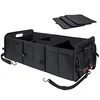
AUTOARK Collapsible Trunk Organizer with Straps and Non-Slip Bottom
|
As an Amazon Associate we earn from qualifying purchases. Picks are based on listing specs, not hands-on testing.
Start with a clean slate: pull everything out in one pass, sort it into keep, trash and relocate, and only put back what has a designated spot. If you only want one organizer to start with, a strapped trunk organizer does the most work, because the trunk is where the heaviest clutter lives. Then follow these seven habits.
- Empty the car completely first: Pull everything out, vacuum, then decide what earns a spot back in the car. Most clutter is stuff that never needed to stay.
- Give every zone one job: Trunk for gear, console for daily-use small items, glovebox for documents, seat-back pockets for light kids’ items. Mixed categories are what let clutter creep back.
- Pack heavy items low and strap them down: Put heavy things in the trunk or cargo area, not on the seats, and tie them down. Nissan’s owner’s manual says to secure cargo with ropes or straps and not to stack it higher than the seatbacks.
- Keep the driver footwell empty: Nothing should live on the floor near the pedals. Kia’s owner’s manual warns that loose objects in the driver’s foot area could interfere with the pedals.
- Add a lidded trash bag: A hanging or console-mounted bin with a lid stops wrappers and cups from rolling around the floor.
- Rotate seasonal items: Swap in winter gear in the fall and pull it in spring so the trunk does not fill up with out-of-season stuff.
- Reset nightly, declutter monthly: Spend two minutes clearing trash and strays before you park, and do a full empty-and-vacuum every 2 to 4 weeks.
Where Everything Goes: A Car Zone Chart With Safety Notes
Use this chart to assign a home to everything. The safety column is the part most organizing guides leave out, and it is based on what NHTSA and the owner’s manuals we read say.
| Zone | What belongs here | Safety note |
|---|---|---|
| Driver footwell | Nothing except the correct, clipped-in floor mat | Loose objects can interfere with the pedals (Kia owner’s manual). NHTSA says to use mats of the correct fit and secure them with retention clips. |
| Dashboard and airbag covers | Nothing | Keep the airbag cover areas clear. NHTSA’s air bag guidance centers on keeping 10 inches between your breastbone and the cover, and heat makes the dash the hottest spot (see the heat section). |
| Center console and cup holders | Phone, sunglasses, cards, a small tray | Use closed storage. Keep lighters out of storage boxes in the sun (Mazda owner’s manual). |
| Door pockets and seat-back pockets | Light items: tissues, a map, kids’ soft toys | Our judgment, not a maker rule: keep hard or heavy items out of seat-back pockets and in the trunk. |
| Glovebox | Owner’s manual, registration and insurance proof where your state requires it, tire gauge | Document rules vary by state. Check your state DMV. |
| Under the seats | Nothing | Kia’s manual says not to place anything under the front seats. |
| Trunk or cargo area | Heavy gear, emergency kit, groceries in a strapped organizer | Pack heavy items low, strap them down, and keep cargo below the seatbacks (Nissan owner’s manual). |
Keep the Driver Footwell and Pedals Clear
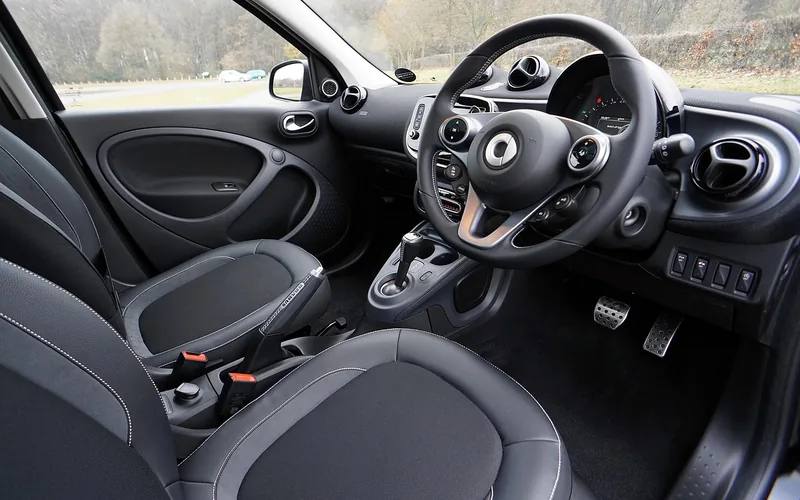
This is the most important zone, and it is the one trunk-organizer reviews never mention. NHTSA’s winter driving guidance says improperly installed floor mats could interfere with the accelerator or brake pedal and raise the risk of a crash, and it tells drivers to follow the maker’s installation instructions, use the retention clips and always use mats of the correct size and fit for the vehicle. That applies year-round, not just in winter. See the NHTSA winter driving guidance for the full wording.
- Remove empty bottles, bags and tools from the floor before you drive.
- Use floor mats made for your vehicle and fix them with the retention clips.
- After cleaning the interior or washing the car, check that the mat is back in its clips.
- Press each pedal fully with the engine off and the car in Park to confirm nothing blocks it (our practice; check your manual for model-specific steps).
If a pedal ever feels blocked while you are driving, do not keep driving: find a safe place to stop and clear it. If an object keeps ending up on the floor, give it a home from the zone chart above.
Loose Items and Cargo: What Owner’s Manuals Say
Organizers sort cargo, but they do not restrain it. Here is what the manuals we read say, paraphrased closely:
- Nissan (Juke, 2025 manual): secure all cargo with ropes or straps so it does not slide or shift, do not place cargo higher than the seatbacks, and in a sudden stop or collision unsecured cargo could cause personal injury.
- Kia (2025 manual): in an accident, cargo could strike and injure a passenger, storing items against the seatback could result in serious or fatal injury in a sudden stop or collision, and loose objects in the driver’s foot area could interfere with the pedals.
Manuals differ by model, so check yours for its cargo hooks and load limits. The practical rules that follow are the ones in habit three: heavy items low, strapped down, below the seatbacks, and out of the cabin where possible.
Utilize Storage Solutions
Trunk Organizers
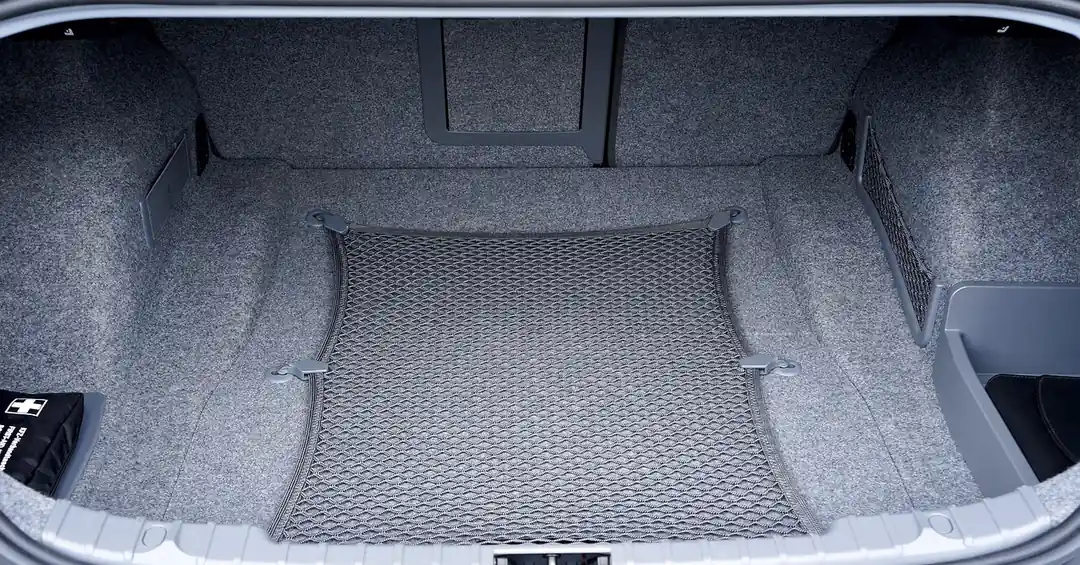
A collapsible organizer with dividers is the best single upgrade for cargo-area chaos. Look for a non-slip base, built-in straps and dimensions that fit your cargo area. The pick above lists three sections and a folded thickness of about 2 inches, per its Amazon listing, so it folds away when you need the space. It keeps items from sliding and mixing; it does not make heavy items safe to leave unstrapped. For more options, see our trunk organizers for grocery runs, and for the strap-versus-net question see trunk organizer vs cargo net.
Seat-Back Organizers
Seat-back organizers with multiple pockets keep kids’ snacks, books and soft toys contained and out of the footwell. Keep them light, for the reason in the zone chart.
Heat: What Not to Leave in a Parked Car
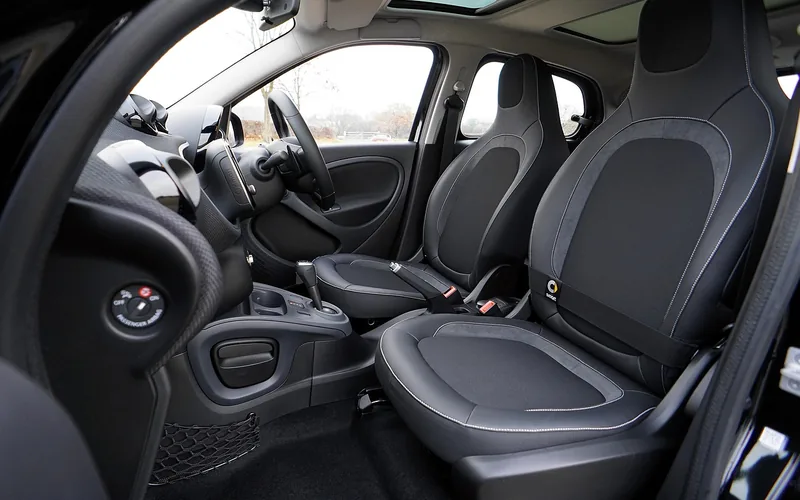
Heat is the hidden organizing problem. In Florida Solar Energy Center (FSEC) tests on parked cars in 1988, interior air reached over 150°F and dashboards neared 200°F without a shade. Those are 1988 results on specific cars, so treat them as a guide, but they explain why items behave differently in a hot cabin.
- Lighters: Mazda’s owner’s manual says not to leave lighters or eyeglasses in the storage boxes while parked under the sun, because a lighter could explode or eyeglass plastic could deform and crack.
- Aerosol cans: read the can’s own label for its maximum storage temperature and keep it out of the cabin on hot days.
- Electronics and batteries: check the maker’s temperature range in the manual or on the box before leaving a phone, power bank or dash cam in a hot car.
- Water bottles and food: move them to a cooler in the trunk, not the dash.
A shade helps the dash and steering wheel more than the air, per FSEC: see our guide on how to put up a sun shade. Never leave a child or pet in a parked car, shade or not.
Organize the Glove Compartment and Emergency Items
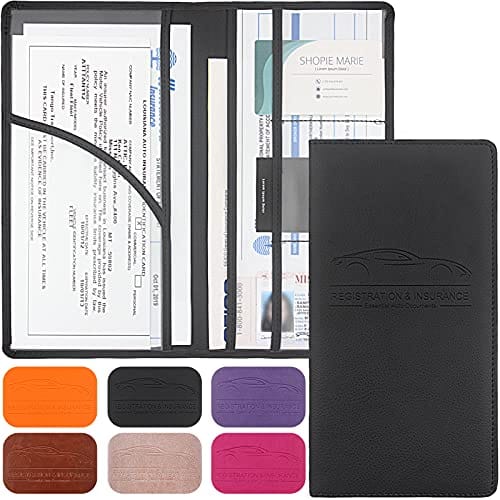
The glovebox should hold documents and small tools only: the owner’s manual, a tire pressure gauge, and proof of registration and insurance where your state requires you to carry it. Rules on what counts as proof vary by state, so check your state DMV or insurer rather than guessing.
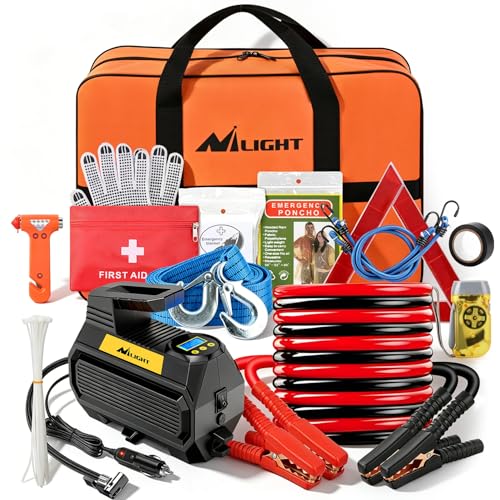
For the emergency kit, NHTSA’s winter guidance lists items to carry in your vehicle: jumper cables, a flashlight and warning devices such as flares or markers, a first aid kit including a tourniquet, blankets, a cell phone and charger, water, food and any necessary medicine. For snow it adds a shovel, broom and ice scraper, and sand or kitty litter for traction. Keep the kit in one trunk compartment, strapped, so it does not become loose cargo.
Kid-Friendly Organization
What’s the Best Way to Keep Kids’ Area of the Car Clean?
Give each child a seat-back pocket for soft toys and snacks, keep hard objects such as tablets and full bottles in the trunk or a closed console, and set a rule that items go back in the pocket before leaving the car. A wipeable liner in the footwell catches crumbs, as long as it is the right fit and secure.
How to Organize a Car for a Road Trip
Pack by zone: cooler section for food, one compartment for luggage, one for emergency gear, all strapped and below the seatbacks. If the trip involves cooking rather than just snacks, see our car camping kitchen setup guide for what to pack in that gear zone.
Maintain Regularly
Consistency beats intensity. Wipe surfaces with a microfiber cloth weekly, and when you do the monthly empty-and-vacuum, use our DIY interior detailing guide for the deeper clean.
How Often Should You Declutter Your Car?
Do a quick trash-and-reset check nightly and a full declutter every 2 to 4 weeks. Families with kids or long commutes should lean toward the 2-week end.
Comparing DIY Zones vs. All-in-One Organizer Kits
Prices below are the Amazon listing prices we checked on October 12, 2026, and they change often.
| Setup | Listing price checked Oct 12, 2026 | Best for |
|---|---|---|
| One strapped trunk organizer (AUTOARK, the pick above) | $22.99 | Minimal cargo, groceries and gear |
| Trunk organizer plus a 2-pack of seat-back organizers | About $40 to $52 (2-packs listed from $16.99 to $28.49) | Families and road-trippers |
| Zone system plus a lidded trash bag and console tray | Add a few dollars each; compare listings | Daily commuters who eat in the car |
Are Car Organizers Safe?
Yes, when they are used as sorters and not as storage for heavy objects in the cabin. Choose organizers that strap or hook to a fixed point, keep hard and heavy items low in the trunk, and keep everything away from the pedals and airbag covers. The NHTSA air bag page advises keeping 10 inches between your breastbone and the airbag cover, which is a reason not to pile items on or near the steering wheel and dash.
Frequently Asked Questions
How Do You Organize Your Car?
Empty it completely, then rebuild with one job per zone: trunk organizer for gear, console for daily items, glovebox for documents, seat-back pockets for light kids’ items. Keep the driver footwell empty and strap heavy cargo down.
How To Declutter Your Car?
Remove all trash and unneeded items in one pass, sort into keep, trash and relocate, and vacuum before putting anything back. Repeat the full process every 2 to 4 weeks.
How Do I Keep My Car Tidy?
Keep a lidded trash bag in reach, give every item a home in a zone, and do a 2-minute reset each night. Small daily resets beat occasional deep cleans.
How To Maximize Space In A Car?
Use vertical storage such as seat-back pockets and a collapsible trunk organizer, but follow the maker’s loading limits and keep cargo below the seatbacks.
What’s the Best Car Organizer for a Small Car vs. an SUV?
Small cars suit a compact, single-compartment trunk organizer and a slim seat-back pocket, since floor space is limited. SUVs can take a multi-section trunk organizer. Check the listing’s dimensions against your cargo area, and use the straps. Our guide to organizers for small cars covers compact options.
What Should Never Be on the Floor Near the Pedals?
Nothing loose. Bottles, bags and tools can roll under a pedal. Use a floor mat made for your vehicle, fixed with its retention clips, and never stack mats.
Which Documents Should I Keep in the Glovebox?
Keep the owner’s manual and a copy of your registration and insurance card where your state requires proof. What counts as proof varies by state, so check your state DMV or insurer.
Conclusion
An organized car comes down to zones, not willpower: a strapped trunk organizer for heavy gear, a console tray for daily items, a lidded trash bag, and a clear footwell. Add a two-minute nightly reset and a full declutter every 2 to 4 weeks, and check your owner’s manual for its cargo and loading rules.
Products related to this article
Sponsored / affiliate links. As an Amazon Associate I earn from qualifying purchases. I may earn additional commission from eligible campaigns.