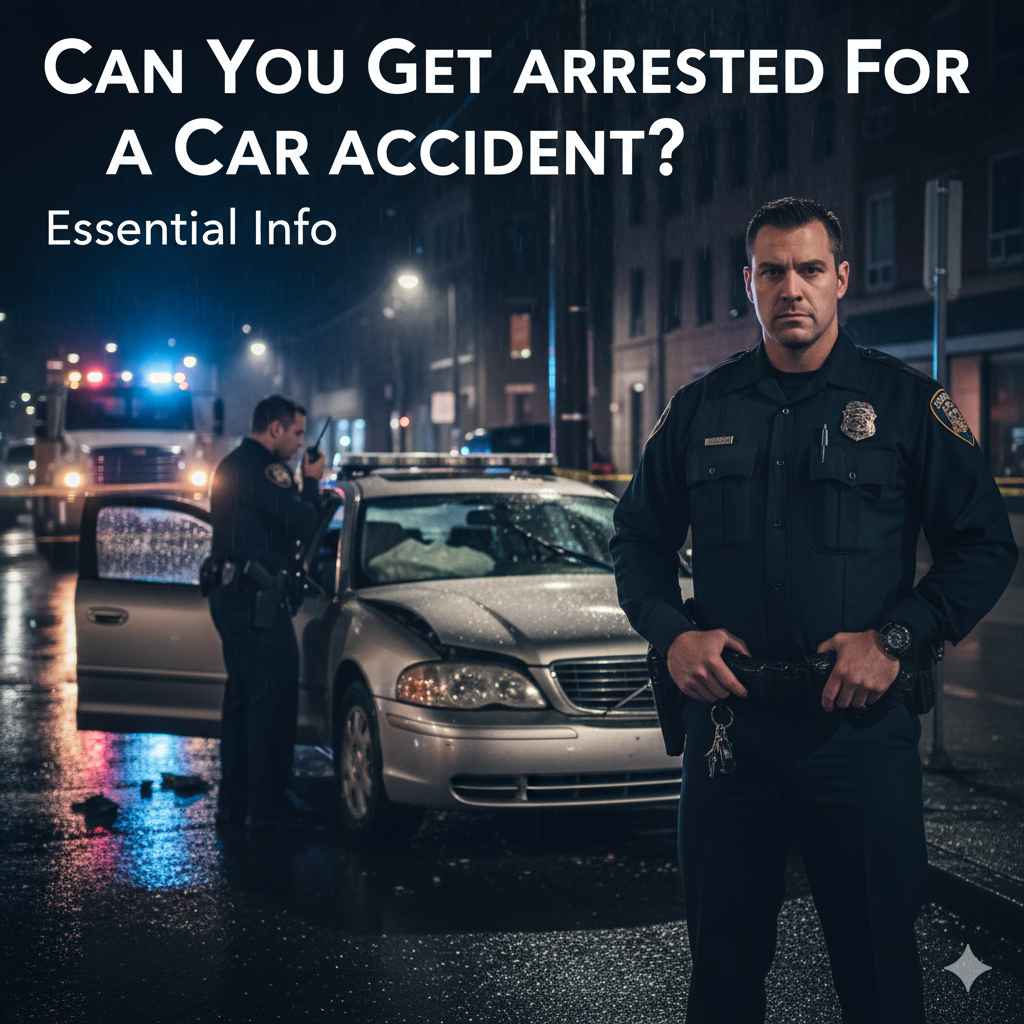
Can You Get Arrested For A Car Accident? Essential Info
Yes, you can get arrested for a car accident, but it’s not automatic. Arrests usually happen if evidence points to serious criminal behavior like drunk driving, hit-and-run, or causing severe injury or death due to reckless actions. Most accidents result in police reports and insurance claims, not arrests.
Hey there, fellow drivers! It’s Md Meraj here, your friendly guide to all things automotive. We’ve all been there – a little bump, a skid on a wet road, or maybe just a moment of inattention. The thought of a car accident can be stressful enough without worrying about ending up in handcuffs. So, let’s clear the air and discuss a big question: can you actually get arrested after a car accident? It’s a question that pops up for many drivers, and the answer isn’t always a simple yes or no. We’ll break down when and why this might happen, what the police look for, and what you should do if you’re ever in this situation. Stay with me, and we’ll make sure you feel confident and informed.
Understanding When an Arrest Might Happen After a Car Accident
When most people think about car accidents, they imagine exchanging insurance information and maybe dealing with some repair costs. However, sometimes, the situation can become more serious, leading to potential legal trouble. An arrest isn’t a guaranteed outcome for every fender-bender. Instead, it’s typically reserved for incidents where there’s probable cause to believe a crime has been committed. Understanding these specific circumstances can help you navigate the aftermath of an accident with greater peace of mind.
The key factor influencing whether an arrest occurs is the presence of criminal intent or negligence that rises to the level of a criminal offense. This means the accident wasn’t just an unfortunate event, but a result of actions that broke the law in a significant way. Law enforcement officers are trained to assess these situations, looking for specific indicators and evidence.
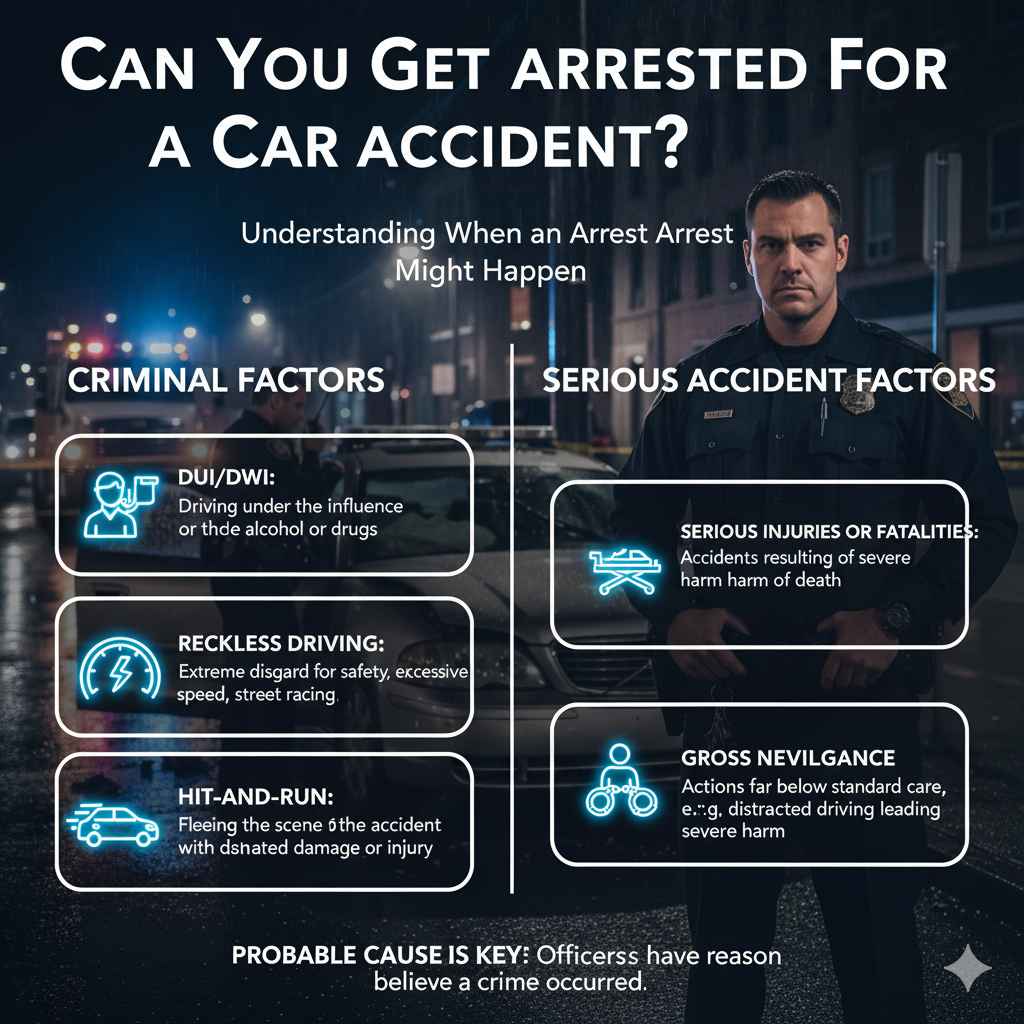
Key Factors That Can Lead to an Arrest
Several common scenarios can escalate a car accident from a civil matter (handled by insurance) to a criminal one. These often involve actions that put others at serious risk or violate fundamental traffic laws. Knowing these can help you understand the legal boundaries and the seriousness of certain driving behaviors.
Here are the primary reasons why you might be arrested following a collision:
- Driving Under the Influence (DUI) or Driving While Intoxicated (DWI): This is perhaps the most common reason for an arrest after an accident. If you are found to be driving with a blood alcohol content (BAC) above the legal limit or under the influence of drugs, you can be arrested, even if the accident itself was minor.
- Hit-and-Run (Leaving the Scene of an Accident): It is illegal to leave the scene of an accident, especially if there are injuries or significant property damage. If you flee the scene, police will investigate, and being identified can lead to arrest for this serious offense.
- Causing Serious Injury or Death: If your actions directly led to severe injuries or the death of another person, and those actions were criminal (e.g., extremely reckless driving, gross negligence), you could face arrest and criminal charges like vehicular assault or manslaughter.
- Reckless Driving or Street Racing: Engaging in high-speed chases, reckless maneuvers, or participating in illegal street races that result in an accident can also lead to arrest, as these are inherently dangerous and illegal activities.
- Driving with a Suspended or Revoked License: If you are involved in an accident while knowingly driving on a suspended or revoked license, this can result in arrest.
- Lack of Valid Insurance and Registration (in some jurisdictions): While often a citation, in some places or in conjunction with other offenses, driving without required insurance or proper registration can contribute to further legal consequences, potentially including arrest if other factors are present.
What Police Look for at an Accident Scene
When law enforcement arrives at an accident scene, their primary goals are to ensure safety, gather information, and determine if any criminal activity has occurred. They are trained observers and investigators. They’ll be paying attention to more than just the damaged vehicles.
Here’s a general idea of what officers assess:
- Driver’s Condition: This is crucial. Officers will look for signs of impairment, such as slurred speech, the smell of alcohol or marijuana, bloodshot eyes, erratic behavior, or confusion. They may ask preliminary questions about drinking or drug use.
- Vehicle Condition: Obvious signs of excessive speed (e.g., tire marks, debris spread) or signs of reckless operation before the crash are noted.
- Witness Statements: Accounts from other drivers, passengers, or bystanders can provide valuable context about how the accident happened and the behavior of the drivers involved.
- Physical Evidence: Skid marks, point of impact, debris fields, and airbag deployment can help reconstruct the accident and indicate speed or evasive maneuvers.
- Compliance with Instructions: Whether drivers cooperate with officers, admit fault prematurely, or attempt to obscure facts can also be observed.
The Role of Probable Cause
In the United States legal system, an arrest can only be made if a law enforcement officer has “probable cause” to believe that a person has committed a crime. For a car accident scenario, this means the officer must have sufficient trustworthy facts and circumstances to lead a reasonable person to believe that a crime, such as DUI or leaving the scene, has been committed by the individual they intend to arrest.
This isn’t just a hunch. Probable cause can be established through:
- Direct observation by the officer (e.g., seeing someone clearly intoxicated operating a vehicle).
- Statements from witnesses or other parties involved.
- Physical evidence found at the scene.
- The results of field sobriety tests or preliminary breath tests (though these are often precursors to arrest, not the sole basis).
If probable cause exists for a criminal offense related to the accident, the officer can make an arrest. If the accident is a simple matter of negligence or differing opinions on fault and no criminal behavior is evident, an arrest is highly unlikely. The incident will typically proceed with a police report, which then informs insurance claims.
What to Do If You’re Involved in a Car Accident
Being involved in any car accident can be unsettling. If you find yourself in this situation, remember to stay calm and prioritize safety. Knowing the right steps to take not only helps you manage the immediate aftermath but can also protect you legally and financially.
Here’s a guide to handling a car accident:
- Ensure Safety First: Check yourself and your passengers for injuries. If anyone is hurt, call 911 immediately. If it’s safe to do so, move vehicles out of traffic to a safe location. If not, turn on your hazard lights.
- Call the Police: Even for minor accidents, it’s often wise to call the police. They can create an official report, which is crucial for insurance claims and documents the facts of the incident. For accidents involving injuries, significant damage, or suspected DUI, calling the police is mandatory. You can learn more about general accident reporting procedures from the National Highway Traffic Safety Administration (NHTSA).
-
Exchange Information: Collect the following information from all drivers involved:
- Name and contact information (phone number, address)
- Driver’s license number
- Insurance company and policy number
- License plate number
- Vehicle make, model, and year
- Document the Scene: Take photos of the accident scene from various angles, including damage to all vehicles, license plates, road conditions, traffic signs, and any injuries. Note the time and location precisely.
- Do NOT Admit Fault: It’s natural to want to apologize, but avoid saying things like “I’m sorry” or “It was my fault.” Let the police and insurance adjusters determine fault based on the evidence. Stick to the facts when speaking with others at the scene.
- Cooperate with Law Enforcement: Answer the officer’s questions truthfully but concisely. If asked to take a breathalyzer or field sobriety test and you believe you are sober, consult with legal counsel if possible. Refusal can have serious consequences.
- Notify Your Insurance Company: Report the accident to your insurance provider as soon as possible, regardless of who you believe was at fault.
- Seek Medical Attention: Even if you feel fine, some injuries (like whiplash) may not appear immediately. It’s a good idea to get checked out by a doctor.
What NOT To Do After An Accident
Just as important as knowing what to do is knowing what to avoid. Some actions can inadvertently escalate a situation or negatively impact your insurance claim or legal standing.
Here’s a list of things to steer clear of:
- Discussing Fault: As mentioned, avoid admitting fault or blaming others. Let the professionals handle the investigation.
- Leaving the Scene: This is a serious offense. Always stay until the police arrive or you have exchanged information and it’s safe to leave (verified by police if necessary).
- Arguing with Other Drivers: Emotions can run high. Keep the interaction calm and focused on exchanging necessary information. Avoid confrontational behavior.
- Discussing Damages or Injuries Extensively: While you should provide truthful information, avoid exaggerating or making definitive statements about the extent of damages or injuries at the scene.
- Providing False Information: Always be truthful with law enforcement and your insurance company. False statements can lead to severe legal penalties.
- Signing Documents You Don’t Understand: If asked to sign anything by others involved or even seemingly official parties at the scene, take your time and understand what you are signing.
An Overview of Legal Consequences
The legal consequences of an accident vary widely depending on the severity and the specific circumstances. For most minor accidents, the consequences are primarily financial through insurance claims and potentially increased premiums. However, when criminal behavior is involved, the outcomes can be much more severe.
Here’s a breakdown of potential legal repercussions:
| Type of Offense | Potential Legal Consequences |
|---|---|
| Minor Traffic Infraction (e.g., failure to yield) | Traffic tickets, fines, points on license, possible increase in insurance rates. |
| DUI/DWI | Arrest, criminal charges, heavy fines, license suspension or revocation, jail time, mandatory alcohol education programs, ignition interlock device installation, criminal record. |
| Hit-and-Run | Arrest, criminal charges (misdemeanor or felony depending on damage/injury), fines, jail time, license suspension, criminal record. |
| Reckless Driving/Racing | Arrest, criminal charges, fines, license suspension, jail time, criminal record. |
| Vehicular Manslaughter/Assault (Causing Death/Serious Injury) | Arrest, felony charges, significant prison sentences, substantial fines, permanent criminal record. |
It’s important to remember that specific laws and penalties differ by state and jurisdiction. If you are arrested or face serious charges, seeking legal counsel from a qualified attorney specializing in traffic law or criminal defense is highly recommended. An attorney can explain your rights and options. You can find information about legal services through your state’s bar association.
The Importance of Car Insurance
Car insurance is your financial shield. It’s designed to cover damages and injuries resulting from accidents. Having adequate insurance coverage is not only legally required in most places but also crucial for protecting yourself from potentially ruinous financial liabilities.
Key aspects of car insurance relevant to accidents:
- Liability Coverage: This is typically the most critical type of coverage. It pays for damages and injuries you cause to others in an accident up to your policy limits.
- Collision Coverage: Pays for damage to your own vehicle resulting from a collision.
- Comprehensive Coverage: Covers damage to your vehicle from non-collision events (theft, vandalism, weather, etc.).
- Uninsured/Underinsured Motorist Coverage: Protects you if you’re hit by a driver who has no insurance or not enough insurance to cover your damages.
For example, in California, you must carry at least $15,000 in bodily injury liability for one person, $30,000 for two or more people, and $5,000 in property damage liability. Many drivers opt for higher limits for greater protection. You can check your state’s minimum requirements on official government motor vehicle sites. Driving without insurance can lead to significant fines, license suspension, and personal financial responsibility for any damages. This lack of insurance can sometimes be a contributing factor to arrest if other serious offenses are also present.
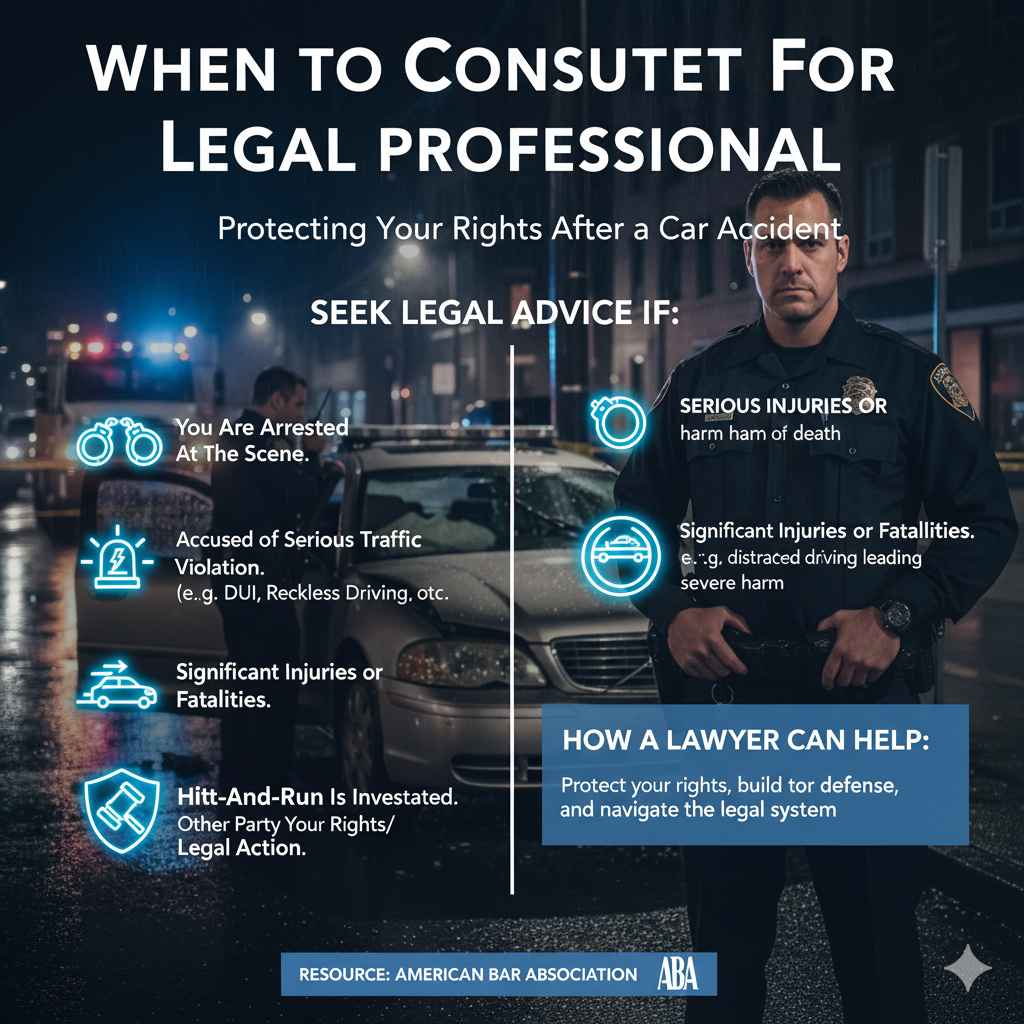
When to Consult a Legal Professional
For the average fender-bender, legal representation might not be necessary. However, there are specific situations where consulting a lawyer is highly advisable, especially if there’s a risk of arrest or significant legal repercussions.
Consider seeking legal advice if:
- You are arrested at the scene.
- You are accused of a serious traffic violation (DUI, reckless driving, etc.).
- There were significant injuries or fatalities involved.
- A hit-and-run is being investigated.
- The other party is threatening legal action.
- You are unsure about your legal rights or obligations.
A lawyer can help protect your rights, build a defense if necessary, and guide you through the complexities of the legal system. For information on choosing a lawyer, resources like the American Bar Association can be helpful.
Frequently Asked Questions (FAQ)
Q1: If I get into a minor fender-bender with no injuries, can I be arrested?
A: Generally, no. For minor accidents with no injuries and no signs of criminal behavior (like impairment), an arrest is highly unlikely. Police will typically file a report, and the matter will be handled by insurance companies.
Q2: What is the difference between a traffic ticket and an arrest after an accident?
A: A traffic ticket is a citation for a minor violation, usually resulting in fines. An arrest means you are taken into custody because an officer has probable cause to believe you committed a crime, which requires a more serious legal process, including potential jail time and court appearances.
Q3: Do I have to take a breathalyzer test if asked by police after an accident?
A: In most jurisdictions, if a police officer has reasonable suspicion that you are driving under the influence, they can ask you to perform field sobriety tests and potentially a breathalyzer test. Refusal often carries automatic penalties, such as license suspension, even if you are not convicted of DUI. It’s advisable to consult with an attorney if you are unsure about your rights.
Q4: What if the other driver was clearly at fault, but I was drinking?
A: Your actions are judged independently. Even if the other driver caused the accident, if you were driving under the influence, you can still be arrested and charged with DUI, separate from the accident itself. The accident might increase the police’s suspicion of impairment.
Q5: How long does it take for police to decide whether to arrest someone after an accident?
A: The decision to arrest is usually made at the scene, based on the probable cause that an officer can establish. If the officer believes a crime has been committed, they will typically make an arrest then and there. In complex cases or if evidence needs further review, charges might be filed later, but an immediate arrest is common for clear criminal offenses.
Q6: Is it possible to be arrested later, days or weeks after an accident?
A: Yes, it is possible. If new evidence emerges, or if police initially did not have sufficient probable cause but later gather more information (e.g., from witness statements, hospital reports, or toxicology results), they can still seek an arrest warrant or bring charges at a later date, especially for serious offenses like vehicular manslaughter.
Conclusion
Navigating the aftermath of a car accident can feel overwhelming, but understanding the potential legal implications can bring a sense of control. While most accidents are resolved through insurance and police reports without any criminal charges, it’s vital to be aware of the specific circumstances that can lead to an arrest. These typically involve actions ranging from driving under the influence and hit-and-run to causing severe harm through reckless behavior.
Remember, the key factors are probable cause and the presence of criminal intent or severe negligence. By prioritizing safety, cooperating appropriately with law enforcement, documenting everything, and avoiding admissions of fault, you can best protect yourself. And if the situation escalates or involves serious accusations, don’t hesitate to seek professional legal guidance. Knowing your rights and responsibilities is the best way to drive with confidence, both on and off the road.