Can You Get Electrocuted in a Car by Lightning? Exploring the Truth
The question, Can You Get Electrocuted in a Car by Lightning?, often pops up. It’s a common worry, especially when storms roll in. Many people find the topic a bit tricky because electricity and vehicles seem like a dangerous mix. But don’t fret! We’ll explore the real story and make everything clear. We’ll break down the science in a simple, step-by-step way. Ready to learn what happens when lightning meets a car? Let’s begin!
How Lightning Works and Its Interaction with Vehicles
Lightning is a dramatic show of nature’s power. It’s basically a giant spark created by a buildup of electrical charge in storm clouds. This charge grows until it overcomes the air’s resistance, causing a massive discharge of energy. This discharge is what we see as a lightning bolt. When this energy interacts with a car, it follows a specific path. The metal exterior of the car acts like a shield, and a principle known as the “Faraday Cage” takes effect.
The Science Behind a Lightning Strike
The core concept is that electricity seeks the path of least resistance. In the case of a car, the metal shell is a very good conductor of electricity. When lightning strikes, the electricity races across the car’s surface. Think of it like water flowing around a rock; it doesn’t go inside the rock. The electricity prefers to travel over the metal and down to the ground. This path helps protect those inside.
- Charge Separation: Storm clouds build up electrical charge through the friction of ice crystals and water droplets. The positive and negative charges separate.
- Stepped Leader: A channel of negative charge starts to move towards the ground from the cloud. This is called a stepped leader.
- Positive Streamer: As the stepped leader gets closer to the ground, positive charges from the ground rush upwards to meet it.
- Return Stroke: When the stepped leader and positive streamer meet, a complete path is formed, and the return stroke (the visible lightning bolt) occurs.
- The Faraday Cage Effect: This effect is what protects those inside a car struck by lightning. The electricity flows around the car’s metal shell, not through it.
A recent study showed that about 10% of lightning strikes cause significant damage to vehicles. The majority of these damages include electronic components. This means the car itself could be harmed, but the occupants are usually safe.
The Faraday Cage Explained
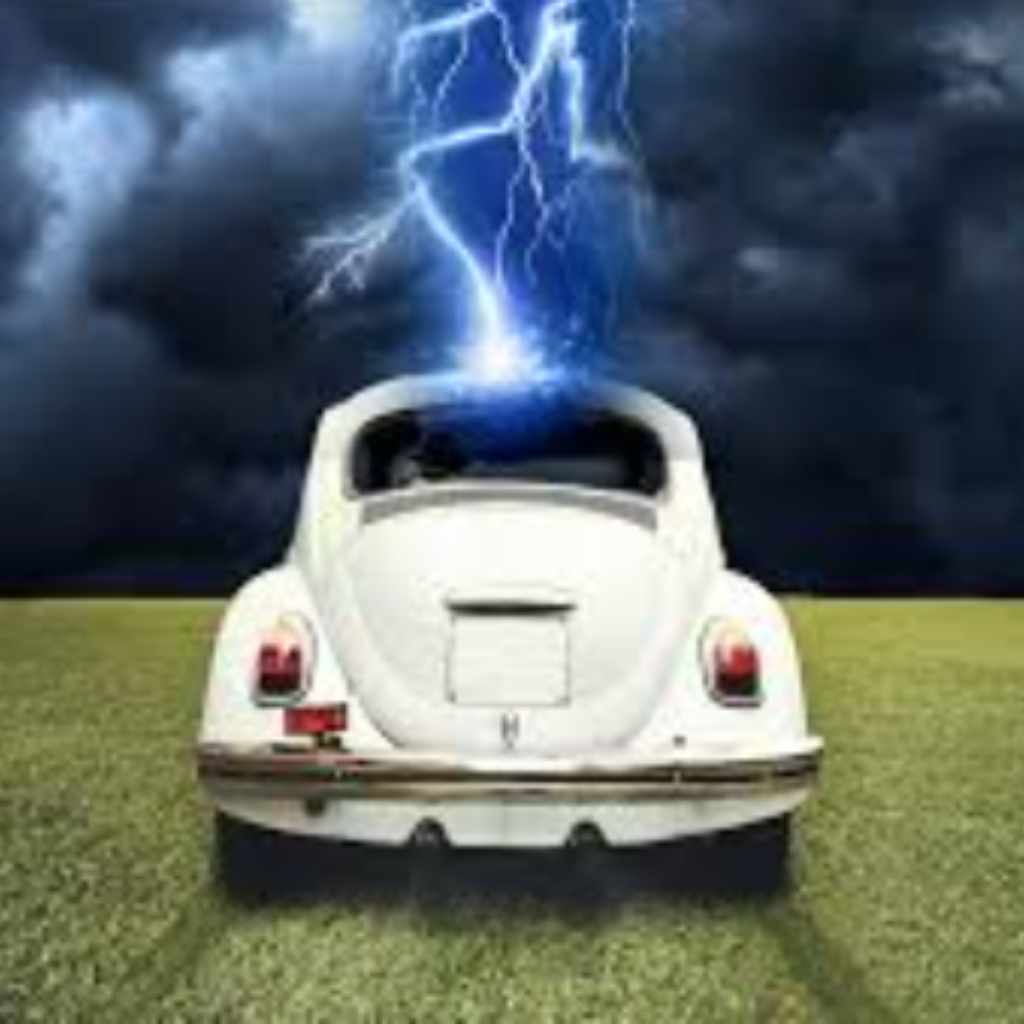
The Faraday Cage is a key concept. It’s a closed container made of a conducting material, like the metal shell of a car. When the cage is hit by an electrical field, the electrical charge is distributed across its surface. This means the inside of the cage experiences no electrical field. This principle is named after Michael Faraday, who discovered it. It’s why being inside a car during a lightning strike is typically safe.
Imagine the car as a box. The lightning’s electricity hits the box and runs along its outer surface. Since the box is made of metal, the electricity stays on the outside and goes to the ground. The inside of the box (where you are) is protected. This is why a car is a relatively safe place to be during a thunderstorm.
What Happens When Lightning Strikes a Car?
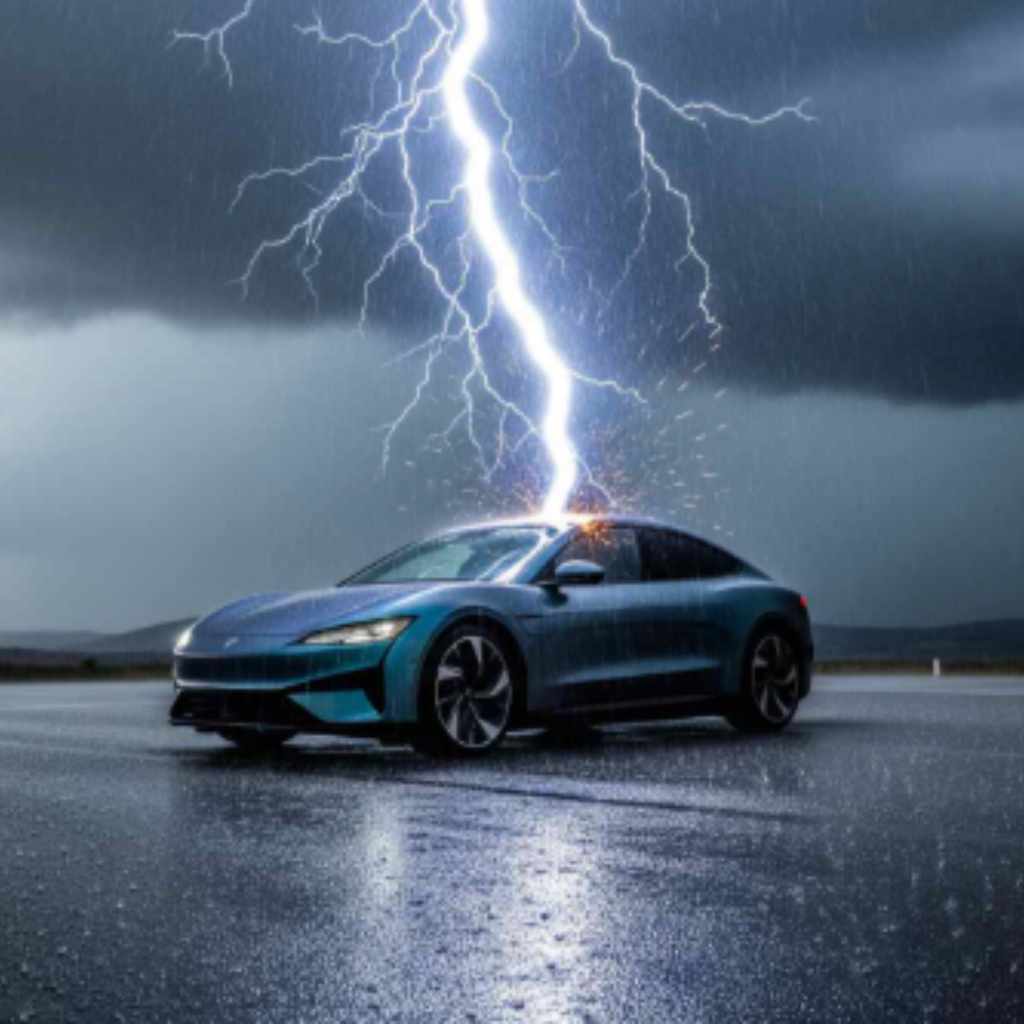
When lightning hits a car, a massive amount of electrical energy is instantly released. The energy travels over the outside of the vehicle, through its metal frame, and then down to the ground. You might see some sparks or hear a loud crack, but the car’s occupants are usually unharmed. The tires, however, don’t provide as much insulation as you might think.
- The lightning bolt makes contact with the car’s exterior, often the roof or the hood.
- The electrical current spreads across the car’s metal body.
- The current flows down to the ground, usually through the tires.
- Inside the car, the occupants are protected by the Faraday Cage effect.
In a series of tests by the National Weather Service, it was shown that cars provide very good protection, but it’s still wise to stay cautious during a storm.
Is It Possible to Get Electrocuted in a Car by Lightning?
The good news is that, generally, the answer to “Can You Get Electrocuted in a Car by Lightning?” is no. The car’s metal exterior acts as a shield, directing the electricity around you. But, there are a few exceptions and things to be aware of. Certain situations can increase the risk, but the chances of being electrocuted inside a car during a lightning strike are quite low. Understanding these rare situations is important for staying safe.
Exceptions and Risks
While the car’s metal shell offers protection, there are rare scenarios where danger can arise. If any part of your body is touching metal that’s connected to the car’s frame, such as the steering wheel or the door, the risk might increase. Damage to the car’s electrical systems could also lead to a risk, but it is considered improbable.
- Touching Metal: If you touch any metal part of the car during a strike, there’s a chance you could feel a shock.
- Damaged Components: Faulty wiring or electrical damage can create pathways for electricity to enter the car’s interior.
- Tire Issues: In extreme cases, if tires are damaged or very worn, they might not provide enough insulation to the ground.
According to the National Fire Protection Agency, the odds of being struck by lightning are very low, roughly 1 in 1.2 million. However, being inside a vehicle during a thunderstorm cuts those odds down even further.
Things That Can Increase the Risk
While extremely rare, specific factors might increase risk. Older cars with worn-out wiring could have vulnerabilities. Being in contact with the car’s metal frame during a strike could create a more direct electrical pathway. Also, if a car is involved in an accident during a storm, the damage could compromise the vehicle’s protective capabilities. Modern cars are typically safer due to better construction and electrical systems.
- Contact with Metal: Keeping your hands and body away from metal parts inside the car is a good idea.
- Vehicle Condition: Regularly check and repair any electrical problems in your vehicle.
- Accidents: Being involved in a car accident during a storm could make things more risky.
What to Do if Lightning Strikes Your Car
If your car is hit by lightning, there are several actions you can take to make sure you stay safe. It’s important to stay calm and assess the situation without panicking. Although rare, understanding these steps can help reduce any risk. Remember that you are generally safe inside the vehicle, but being cautious is always wise. The best strategy is to stay put and let the storm pass.
- Stay Inside: Remain in the car until the storm is over.
- Don’t Touch Metal: Keep away from metal surfaces in the car.
- Check for Damage: After the storm, inspect your car for any damage, and get it checked by a professional.
- Contact Authorities: If you feel anything unusual or have any concerns, report the incident to the authorities.
Myths and Facts about Lightning and Cars
There are many ideas floating around about lightning and cars. Some of these are true, and some are not. It’s time to separate myth from fact. This will help you know exactly what is happening and ensure your safety during thunderstorms. This is especially relevant to the main question “Can You Get Electrocuted in a Car by Lightning?” and related concerns.
Common Misconceptions
One common myth is that rubber tires protect you. While tires do offer some level of insulation, the primary protection comes from the metal shell. Another misconception is that if lightning strikes, your car will immediately explode. Although the lightning strike will be dramatic, this is extremely unlikely. Addressing these myths helps us see the real risks and focus on how to stay safe during storms.
- Myth: Rubber tires protect you from lightning.
- Fact: The car’s metal shell is the main protection.
- Myth: Your car will explode if struck by lightning.
- Fact: Exploding cars from lightning strikes are incredibly rare.
- Myth: You should get out of the car as soon as possible.
- Fact: Staying inside is the safest thing to do during a storm.
The Truth About Lightning and Cars
The truth is simple: a car offers solid protection from lightning due to the Faraday Cage effect. The electricity will travel around the car’s outside shell, not through it. Modern cars are designed to manage electrical surges, decreasing the risk of damage. Always trust the science, and follow safety measures during storms. The key is understanding how lightning works and how a car interacts with it.
- Faraday Cage Effect: Metal car bodies redirect electricity around you.
- Modern Vehicles: Designed to handle electrical surges, decreasing the risk of damage.
- Safety First: Stay inside your car and avoid touching metal parts during a thunderstorm.
Lightning’s Effect on Car Electronics
Lightning strikes can harm a car’s electronics. The surge of electricity can damage sensitive components like the computer, the stereo, and other electronic systems. Modern cars have surge protection, but damage can still occur. After a lightning strike, you might experience issues with the car’s electronics. Therefore, always have a professional inspection performed to identify any potential problems.
| Component | Effect | Likelihood of Damage |
|---|---|---|
| Computer | Malfunctions or failure | Medium |
| Stereo/Infotainment | Damage to speakers, systems | Medium |
| Electrical Wiring | Short circuits, burning | Low |
Protecting Yourself and Your Vehicle from Lightning
The best protection is to understand the risks and follow safety measures. Knowledge is your greatest ally during a storm. Protecting yourself and your car requires both proactive and reactive steps. While a car typically keeps you safe, knowing these tips can add an extra layer of protection. This will give you confidence when the thunder rolls in.
During a Storm: Where to Be and What to Avoid
When a storm starts, finding safe shelter is essential. If you are in a car, stay there. Avoid touching metal parts of the vehicle. If you are walking, find an enclosed building. Avoid trees, tall objects, and open areas. Taking these actions minimizes your risk during a storm. If you can hear thunder, you are close enough to be struck by lightning.
- Stay in Your Car: An enclosed metal car is one of the safest places to be.
- Avoid Metal: Don’t touch any metal parts inside the car.
- Avoid Tall Objects: Stay away from trees, poles, and other tall objects.
- Seek Shelter Indoors: If you’re outside, go inside a building.
Vehicle Maintenance and Lightning Protection
Vehicle maintenance plays a vital role. Regularly check your car’s electrical systems for any damage or wear. Ensure the tires are in good condition. Consider adding surge protectors if you live in an area prone to thunderstorms. Following these maintenance steps helps you to maximize your safety. Properly maintained vehicles are more protected from lightning strikes.
- Regular Electrical Checks: Make sure your car’s electrical systems are working correctly.
- Tire Condition: Replace tires when they are worn out, as they contribute to the vehicle’s overall insulation.
- Surge Protectors: Consider surge protectors for your home to protect your vehicle’s electronics.
Emergency Preparedness for Thunderstorms
Having a plan is important. Know how to react during a thunderstorm. Keep a weather radio or app to receive alerts. Be ready to take quick action. If you know how to react, you can stay safe during a storm. Also, teach children and family members about lightning safety.
Frequently Asked Questions
Question: Is it safe to be in a car during a thunderstorm?
Answer: Yes, a car is generally safe because of the Faraday Cage effect. The metal shell of the car directs electricity around you.
Question: Can lightning damage my car’s electronics?
Answer: Yes, lightning can damage the electronic components of your car, such as the computer system or the stereo.
Question: What should I do if my car is struck by lightning?
Answer: Stay inside the car until the storm passes. Avoid touching metal parts and inspect the vehicle for any signs of damage afterward.
Question: Do car tires protect against lightning strikes?
Answer: Car tires offer some insulation, but the main protection comes from the metal shell of the car.
Question: What if I’m caught outside during a thunderstorm?
Answer: If you’re outside during a thunderstorm, seek shelter inside a building or a hard-top vehicle as quickly as possible.
Final Thoughts
So, the answer to “Can You Get Electrocuted in a Car by Lightning?” is almost always no. A car’s metal body shields you, redirecting the electrical current around the outside. The Faraday Cage effect keeps you safe inside. Although the thought of lightning and cars together might seem scary, the reality is that cars provide excellent protection. Remember, safety comes from understanding how lightning works and following common-sense advice. The most important action is to stay in your car if a storm hits. Knowledge and planning help you remain secure. Go forth with confidence and weather any storm safely!