Can You Import Chinese Cars to the USA? Tariffs & Rules (2026)
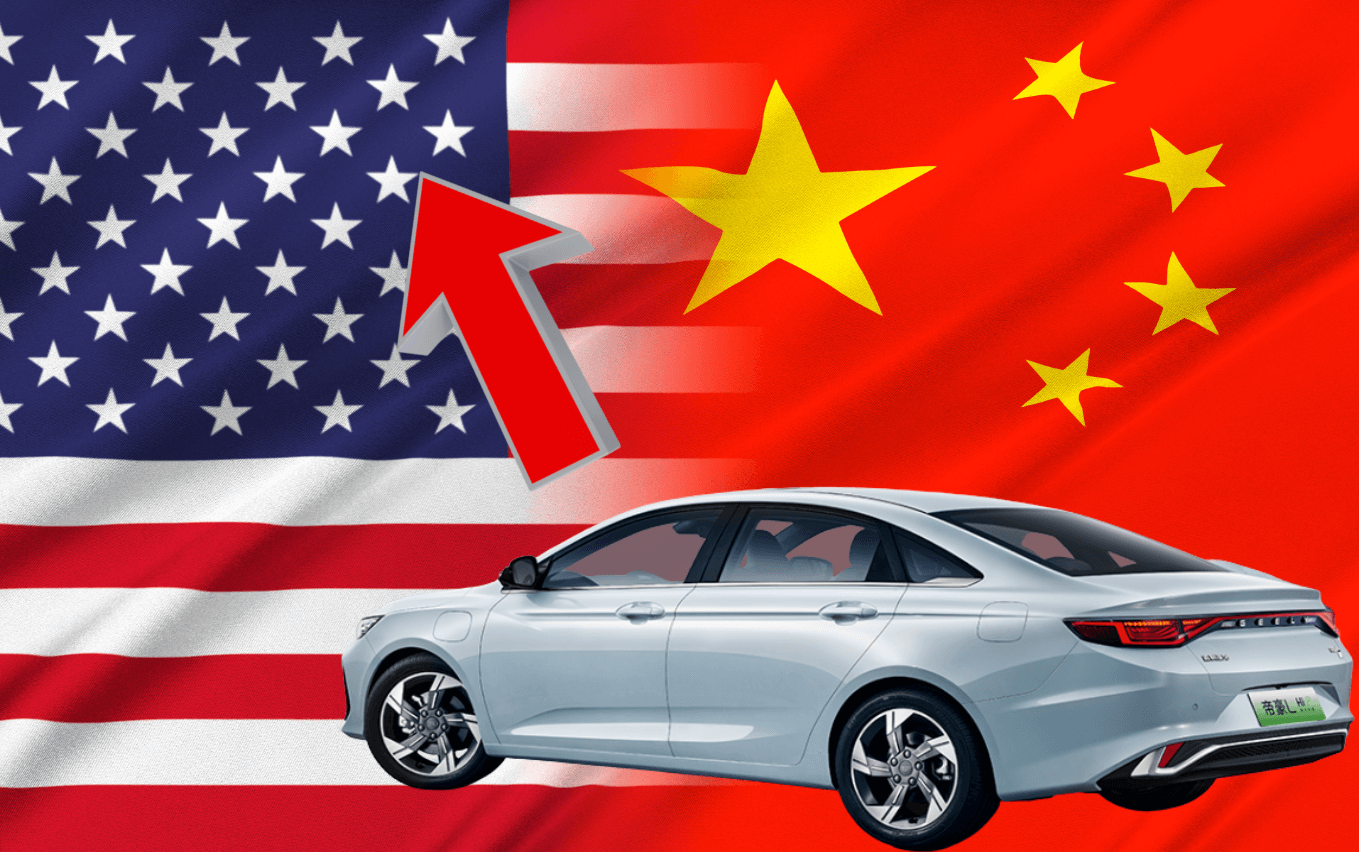
Yes, you can legally import a Chinese-made car to the USA, but a 100% tariff on Chinese EVs and a Commerce Department ban on Chinese vehicle software (2027) and hardware (2030) make it impractical for nearly every current model. Older, non-connected, gas-powered classics that meet DOT/EPA standards remain the most realistic import path.
Introduction To Importing Chinese Cars
Chinese cars are becoming popular thanks to the range of models now produced in Chinese factories. They offer good quality and low prices – though very few are currently sold directly in American showrooms. Many people now want to bring these cars to the USA themselves instead.
Chinese cars are often cheaper. They also have new features. Some models are very stylish. Many people find them to be a great value.
The import process has several steps. First, you need to find a reliable seller. Then, you must check the car’s compliance with US laws. Shipping is the next step. After shipping, you will need to clear customs. Finally, register the car in your state.

Why Chinese Cars Are Nearly Impossible to Import in 2026 (Tariffs + Software Ban)
Before worrying about DOT and EPA paperwork, understand the bigger obstacle: cost and legality at the federal trade-policy level. The U.S. imposed a 100% tariff on Chinese-made electric vehicles, on top of the standard 2.5% import duty most passenger vehicles already pay. On a $20,000 Chinese EV, that tariff alone can add $20,000 or more before shipping, insurance, and compliance costs are even factored in.
Separately, the U.S. Commerce Department finalized a “connected vehicle” rule that bans Chinese-made software in vehicles sold in the U.S. starting with model year 2027, and Chinese-made hardware starting with model year 2030. This targets the onboard connectivity and autonomous-driving systems found in nearly every modern Chinese EV, effectively blocking them regardless of the tariff.
How the U.S. Compares to Canada and Mexico
| Country | Chinese EV Tariff | Notes |
|---|---|---|
| United States | 100% | Plus Commerce Dept. software/hardware ban phasing in 2027-2030 |
| Canada | 6.1% (was 100%) | New quota deal allows up to 49,000 Chinese EVs/year |
| Mexico | 50% | Applies to companies without a Mexico-based plant, effective Jan. 1, 2026 |
📊 Canada’s 2026 trade deal allows up to 49,000 Chinese-built EVs per year at a 6.1% tariff — Source: Council on Foreign Relations, 2026
In practice, this means the realistic path for importing a Chinese vehicle today is an older, non-connected, gas-powered model that clears the 25-year exemption or meets full DOT/EPA compliance on its own – not a current-generation Chinese EV. This is a similar situation to importing a car from Mexico, where compliance and paperwork matter as much as the vehicle itself.
Legal Requirements
Importing Chinese cars to the USA involves meeting specific legal requirements. These include safety standards, emissions regulations, and proper documentation. Ensuring compliance can be complex but is necessary for a smooth import process.
Federal Regulations
Federal regulations are strict. Cars must meet emission standards. They also need to comply with crash safety standards. Vehicles older than 25 years might be exempt. New cars need to show proof of compliance. This includes a certificate from the EPA. The car must also pass the DOT safety tests. Without these, entry is not allowed.
State-specific Rules
Each state has its own rules. Some states have tougher emissions laws. California is very strict. You might need additional certifications. Check with your local DMV. They can provide details. State laws can vary widely. Be sure to follow local requirements.
Safety And Emissions Standards
Cars must meet strict safety rules in the USA. These rules protect drivers and passengers. Chinese cars need to pass many tests. Crash tests are important. They check car strength. Seat belts and airbags must work well. Lights and mirrors must be in the right place. These rules keep everyone safe.
Emissions tests check the air pollution from cars. The USA has tough rules. Chinese cars must pass these tests. They check for harmful gases. Special machines measure the gas. The car’s engine must be clean. It helps the environment. Compliance is key.

Import Costs And Fees
Shipping a car from China to the USA can be expensive. The cost varies by shipping method. Container shipping is one option. It offers more protection for the car. Roll-on/roll-off shipping is another option. It’s cheaper but less secure. The average cost is between $1,500 and $3,000. This does not include other fees.
Customs duties must be paid. The duty rate is usually 2.5% of the car’s value. Additional taxes may apply. State taxes depend on where you live. Import fees can add up quickly. It’s important to budget for these costs. Always check the latest regulations.
Choosing A Reliable Importer
It’s important to find a reliable importer for your car. Read online reviews. Look for customer feedback and ratings. A good importer will have positive reviews. Check if they have experience with Chinese cars. Ask friends or family for recommendations.
Contact the importer and ask these questions:
- How long have you been in business?
- Do you have experience with Chinese cars?
- Can you provide references?
- What are your fees?
- How long will the process take?
These questions help you find a trustworthy importer. A good importer makes the process easy.
Credit: www.youtube.com
Necessary Documentation
The Bill of Lading is a key document. It serves as a receipt for the shipped vehicle. Also, it shows the title of ownership. This document must be presented to customs. Without it, the car cannot enter the USA. Make sure all details are correct.
A Customs Declaration is required. This form must list all car details. It includes the vehicle’s make, model, and value. Honesty is crucial. Any false info can cause big trouble. Always double-check before submission.
Customs Clearance Process
All cars from China go through inspection. This ensures they meet safety standards. The car’s paperwork is checked. This includes the bill of lading and the title. The car is also physically inspected. This step is to ensure there are no hidden issues. Sometimes, the emission standards are also verified.
Delays can happen in the customs clearance process. Missing documents can cause delays. Incorrect paperwork is another common problem. Sometimes, the car needs extra inspections. This can take time. Holiday seasons can also slow down the process. Planning ahead is key to avoid delays.
Final Steps And Vehicle Registration
First, visit the local DMV. Bring all required documents. These include the title, bill of sale, and import paperwork. Fill out the registration form. Pay the registration fee. The fee varies by state. Once done, you will receive your new license plates.
Next, contact your insurance company. Provide them with your car’s details. This includes the make, model, and VIN. Choose the coverage you need. Pay the insurance premium. Keep proof of insurance in your car. This is important for legal driving.
Frequently Asked Questions
Can You Import Chinese Cars To The Usa?
Yes, but a 100% U.S. tariff on Chinese-made EVs and a Commerce Department ban on Chinese vehicle software and hardware make it impractical for nearly every current Chinese model, on top of standard DOT and EPA compliance requirements.
What Are The Requirements For Importing Chinese Cars?
Chinese cars must comply with U. S. Department of Transportation and Environmental Protection Agency regulations. This includes safety, emissions, and other standards.
How Much Does It Cost To Import A Car?
For a non-EV, non-connected vehicle meeting standard compliance, costs typically run $2,000 to $5,000 including shipping, duties, and compliance modifications. For a Chinese-made EV, the 100% tariff alone can add tens of thousands of dollars on top of the vehicle price, making it financially impractical in most cases.
Are Chinese Cars Allowed On U.s. Roads?
Yes, Chinese cars are allowed on U. S. roads if they meet all safety and emission standards set by the U. S. authorities.
Is BYD Banned in the United States?
BYD is not explicitly named in a ban, but its vehicles are effectively blocked from the U.S. market by the 100% tariff on Chinese-made EVs and the Commerce Department’s connected-vehicle software/hardware restrictions, which apply to any Chinese-made or Chinese-connected vehicle. BYD sells extensively in Canada, Mexico, Europe, and elsewhere, but has no active plan to sell directly in the U.S. under current policy.
Will Chinese Cars Ever Be Sold in the US?
It’s possible but not imminent. Canada’s 2026 deal allowing a limited quota of Chinese EVs at a reduced 6.1% tariff shows one path other countries are taking, but the U.S. has moved in the opposite direction with its 100% tariff and the connected-vehicle ban. Any change would require a shift in U.S. trade policy, which isn’t expected in the near term.
Conclusion
Importing Chinese cars to the USA is possible but requires understanding regulations. Research thoroughly and follow import procedures carefully. Be aware of emissions and safety standards. Prepare for extra costs like shipping and modifications. Patience is key in this process.
With the right knowledge and preparation, owning a Chinese car in the USA can be a reality. Always stay updated on changing regulations to ensure a smooth import experience.
Products related to this article
Sponsored / affiliate links. As an Amazon Associate I earn from qualifying purchases. I may earn additional commission from eligible campaigns.
![TAPMEI Car Phone Holder [2026 Updated] Fit for iPhone 17 Pro Max, Black](https://m.media-amazon.com/images/I/41Jo3OxikiL._SL500_.jpg)