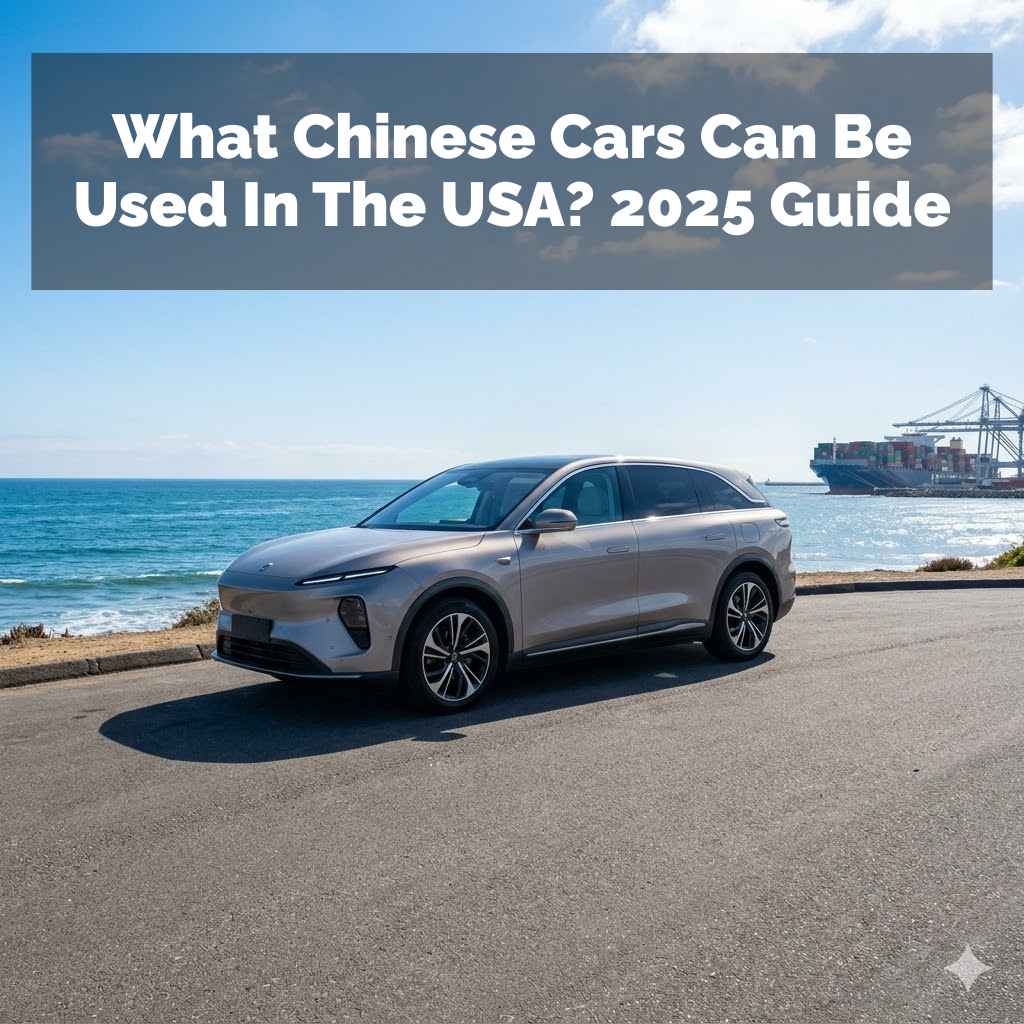
Chinese Cars in the USA: What You Can Drive in 2025
Currently, very few Chinese car brands are officially sold in the United States. Most new Chinese vehicles are not designed to meet U.S. safety and emissions standards.
However, some niche brands might offer models through specialized importers, and the landscape is always changing, so staying informed is key.
Understanding Chinese Car Brands and the U.S. Market
The automotive world is huge and always moving. China has become a massive player in car manufacturing. Many global brands build cars there.
But selling cars directly to American buyers is a different story. There are strict rules for vehicles brought into the U.S.
Think about safety features. Cars here need specific airbags and crash protection. They also must meet tough rules about pollution.
These rules are set by agencies like the Environmental Protection Agency (EPA) and the National Highway Traffic Safety Administration (NHTSA). Brands have to spend a lot of money to get their cars approved. This process can take years.
It’s why you don’t see every car made in China pop up in U.S. dealerships.
Most Chinese car companies focus on their home market. They also export to other countries first. Markets that might have different rules or are closer geographically are often prioritized.
This makes sense for business. Launching in the U.S. is a huge investment.
For 2025, the number of Chinese brands with full U.S. lineups remains very small. This situation is not static, though.
Some companies are actively looking at the U.S. market. Others are testing the waters with electric vehicles (EVs).
EVs sometimes face slightly different regulations or consumer interests. It’s a dynamic situation to watch.
So, when you ask “What Chinese cars can be used in the USA?”, the simplest answer for 2025 is: very few new ones sold through official channels. But the story doesn’t end there. There are nuances to explore.
My Own Experience: The Intrigue of the Unknown Auto
I remember a few years back, I was at a large auto show in a different country. I stumbled upon a booth showcasing vehicles I’d never seen before. They were sleek, modern-looking electric cars from a brand I didn’t recognize.
The design was really appealing. They had cool tech features listed. I imagined how interesting it would be to see something like that on my street back home.
I struck up a conversation with a representative. They told me about their global expansion plans. They specifically mentioned the U.S.
market as a target. They talked about the challenges, though. Things like meeting safety standards and building a dealer network.
It felt like peeking into the future. But it also highlighted the massive hurdles involved. It wasn’t just about making a car; it was about making a car that fit the American way of driving and American expectations.
That experience stuck with me. It made me realize that a car’s journey from concept to your driveway is complex. Especially when crossing continents and facing different regulatory landscapes.
It’s more than just shipping it over. It’s about a deep understanding of a new market’s needs and rules.
Chinese Automakers Targeting the U.S.
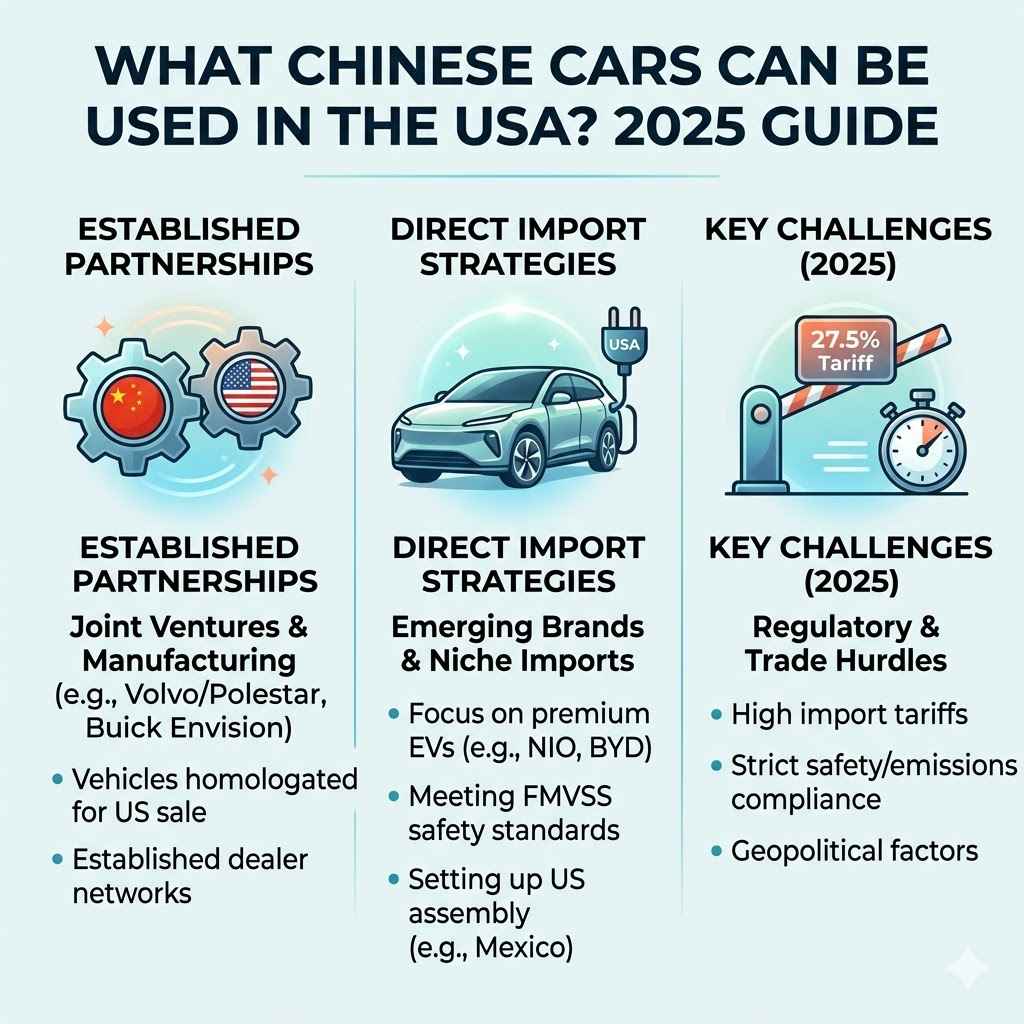
NIO: This company is known for its premium electric vehicles. They have innovative battery-swapping technology. They have expressed interest in the U.S.
for a while. However, their official launch date remains uncertain. They face the same regulatory hurdles as others.
XPeng: Another EV maker, XPeng focuses on smart driving features. They have also hinted at U.S. market plans.
Similar to NIO, they are still in the planning and compliance stages. Getting models certified takes time and resources.
BYD: BYD is a giant in battery and electric vehicle production. They are already selling some vehicles in select international markets. While they have huge production capacity, a direct U.S.
passenger car launch isn’t confirmed for 2025. They do supply batteries to some U.S. companies, though.
Geely: Geely is a major automotive group. They own Volvo and other brands. They have a vast portfolio.
Some of their brands might bring cars to the U.S. under their existing U.S. operations (like Volvo).
Direct Geely-branded cars are less likely in the immediate term.
The Roadblocks: Why It’s Not Easy to Import Chinese Cars
So, why aren’t there more Chinese cars readily available here? It boils down to a few key things. They are significant challenges for any foreign automaker.
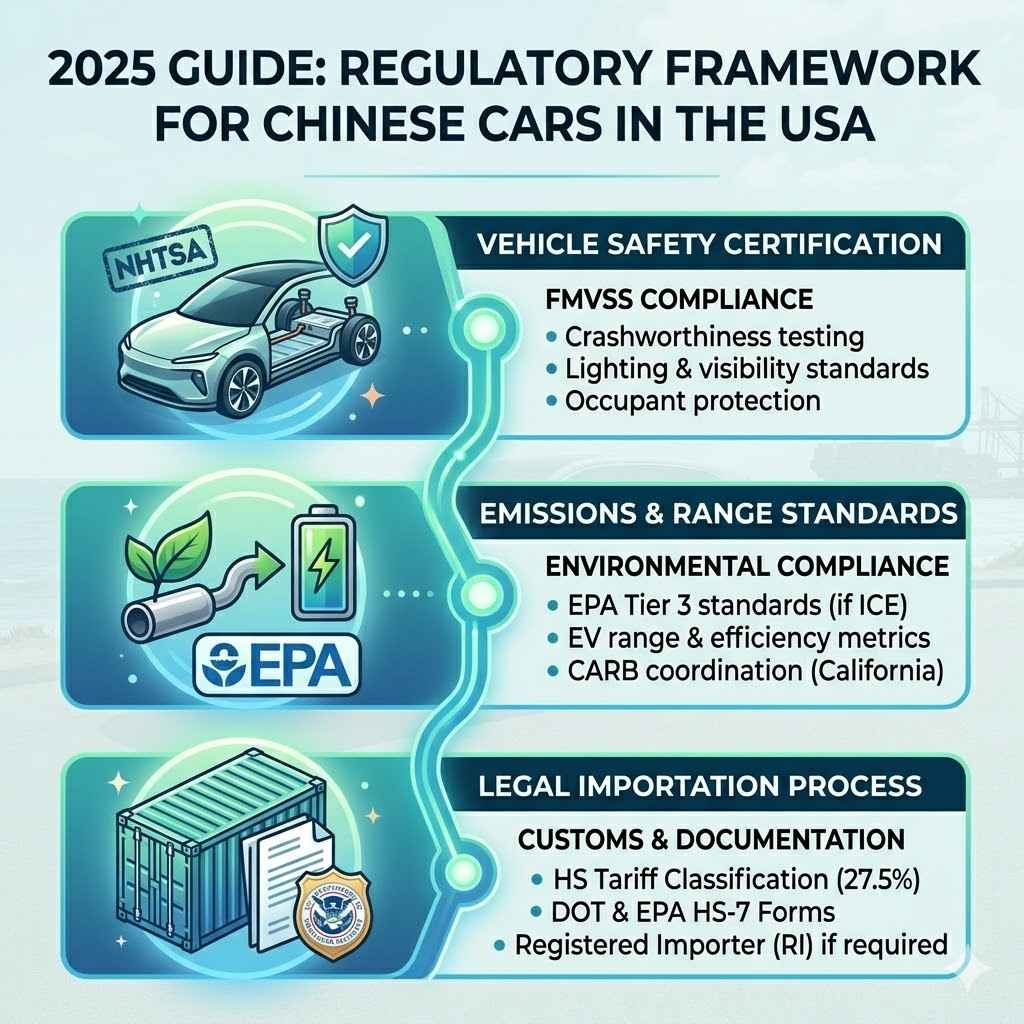
First, the safety standards. The U.S. has Federal Motor Vehicle Safety Standards (FMVSS).
These are very detailed. They cover everything from seatbelts to crashworthiness. Cars must undergo rigorous testing.
This isn’t cheap. It requires re-engineering parts or the whole vehicle.
Second, emissions regulations. The EPA sets strict limits on pollutants cars can emit. China’s standards might differ.
Cars need to be certified to meet U.S. Clean Air Act requirements. This often means developing different engine or exhaust systems.
Third, dealer and service networks. To sell cars, you need places for people to buy them and get them fixed. Building a nationwide network of dealerships and service centers is a massive undertaking.
It requires huge investment and time. Most Chinese brands don’t have this infrastructure in the U.S. yet.
Fourth, consumer perception and trust. American consumers are used to certain brands. Building trust with a new, unfamiliar brand takes time.
Especially from a country where automotive reputation is still developing for many consumers. Showing reliability and quality is paramount.
Finally, tariffs and trade policies. Depending on trade relations, tariffs can make imported cars more expensive. This impacts pricing and competitiveness.
These are factors that influence market entry strategy.
What About Used Chinese Cars or Grey Market Imports?
You might wonder about bringing in a used Chinese car. Or perhaps finding one through a private import. This is where things get even trickier.
Generally, for a car to be legally imported and driven in the U.S., it must be at least 25 years old. This is part of the 25-year import rule for classic vehicles. Before that, it needs to meet all current FMVSS and EPA standards.
This is a tall order for a car not originally designed for the U.S. market.
A “grey market” import refers to vehicles brought in by non-official channels. These are often cars that were either never intended for the U.S. market or were modified to meet standards.
For newer vehicles (under 25 years old), this is extremely difficult for passenger cars.
You would need to prove that the vehicle meets all the safety and emissions rules. This usually requires extensive testing and modification by a registered importer. The costs involved can easily exceed the value of the car.
Plus, finding parts and qualified mechanics for such vehicles can be a nightmare. For most people, this route is not practical or advisable.
Let’s look at some specific scenarios where you might see Chinese vehicles in the U.S., even if not widely available.
Niche Importers and Specialty Vehicles
Some smaller companies specialize in importing specific types of vehicles. This might include:
- Electric Commercial Vehicles: Some Chinese companies are looking at the commercial truck or van market. These might have slightly different regulatory paths.
- Limited Production EVs: Occasionally, a small batch of electric vehicles might be brought in for a specific purpose or by a passionate group. These are usually not for general sale.
- Custom Builds: Individuals might import a Chinese vehicle and then undertake extensive modifications to make it compliant. This is rare and costly.
Important Note: Even with these niche importers, the selection is extremely limited. It’s crucial to verify the vehicle’s compliance with NHTSA and EPA. You don’t want to buy a car you can’t legally register or drive.
Geely’s U.S. Presence: A Different Approach
Geely is a Chinese company with a significant global footprint. They own several well-known Western brands. This is a key way Chinese automotive influence is felt in the U.S.
right now. They don’t sell Geely-branded cars directly in the U.S.
Instead, brands like Volvo, which Geely owns, operate as usual. Volvo has a long history and established presence in the U.S. market.
Their vehicles are built to U.S. standards. When you buy a new Volvo, you are indirectly engaging with Chinese ownership.
But the car itself is designed and certified for the American market.
Geely also has stakes in other companies. This strategy allows them to leverage global engineering and manufacturing. It also bypasses the need to establish a completely new brand and infrastructure from scratch in the U.S.
for their own Chinese-market brands.
This is a smart, phased approach. It allows the company to gain experience and market understanding. It also lets consumers experience Chinese-backed automotive technology.
They do this through brands they already know and trust. For 2025, this indirect ownership is the most significant way Chinese automotive power is represented in the U.S. car market.
Electric Vehicles: The Frontier for Chinese Brands?
The electric vehicle sector is where many Chinese automakers see their biggest opportunity. EVs often share global technology platforms. Battery technology is a strong area for Chinese companies like BYD and CATL.
This could give them an edge.
Brands like NIO and XPeng are EV-focused. They are actively working towards U.S. market entry.
The appeal of new EV technology is strong with American consumers. This sector might see the first wave of direct Chinese brand launches. However, the challenges remain substantial.
Battery safety and range are key concerns for U.S. buyers. Charging infrastructure is also a consideration.
Chinese EV makers will need to address these points directly. They will also need to compete with established players like Tesla, Ford, GM, and many European and Japanese brands already active in the EV space.
For 2025, expect continued announcements and potential test programs from these EV companies. But a widespread retail presence is still likely a few years away for most. The regulatory approval process is the primary bottleneck.
This isn’t something that can be rushed.
Key U.S. Standards for Vehicle Imports
NHTSA (National Highway Traffic Safety Administration):
- Ensures vehicles meet Federal Motor Vehicle Safety Standards (FMVSS).
- Covers crash safety, airbags, brakes, lighting, etc.
- Requires a Manufacturer Identification Number (MIN) for each manufacturer.
EPA (Environmental Protection Agency):
- Regulates vehicle emissions to protect air quality.
- Requires vehicles to meet specific standards for gasoline, diesel, and EV emissions.
- Certification process involves extensive testing.
What this means: Any new car sold in the U.S. must have undergone and passed rigorous testing by both NHTSA and EPA. This is a costly and time-consuming process.
What This Means for U.S. Buyers in 2025
For the average car buyer in the United States in 2025, the options for purchasing a brand-new Chinese car directly from a Chinese brand are extremely limited. You won’t walk into a dealership and see a wide selection of models from brands like BYD, NIO, or XPeng.
Your primary interactions with Chinese automotive manufacturing will likely be:
- Through foreign-owned brands: Such as Volvo (owned by Geely).
- As a component supplier: For example, BYD batteries might be used in some vehicles assembled elsewhere.
- In very specific, niche markets: Perhaps a small import of specialized electric vehicles.
It’s important to have realistic expectations. While China is a powerhouse in car production, the U.S. market has unique entry barriers.
These are designed to ensure safety and environmental protection for American consumers.
If you are interested in specific Chinese brands, your best bet is to watch their official announcements. They might signal future U.S. market entry.
But for 2025, focus on brands that have already cleared the substantial regulatory and market entry hurdles.
This doesn’t mean the quality or innovation from Chinese automakers isn’t there. It simply means it’s not yet widely available for direct purchase in the U.S. consumer market under their native brand names.
The landscape is evolving, so staying curious is good.
Quick Checks Before Considering an Imported Vehicle
If you encounter an opportunity to purchase a vehicle that is of Chinese origin and is being sold outside of traditional dealerships, proceed with extreme caution. Here are some essential checks:
1. Verify Compliance Documentation:
- Ask for proof of NHTSA compliance. This often involves a sticker from the importer stating compliance with FMVSS.
- Ask for proof of EPA emissions certification. This is a separate, critical step.
2. Check Registration and Insurance:
- Can you easily register the vehicle in your state?
- Can you get auto insurance for it? Many insurance companies may be hesitant or unable to insure non-standard imports.
3. Research Parts and Service Availability:
- How will you get repairs done? Are parts readily available in the U.S.?
- Is there a network of qualified mechanics who understand this specific make and model?
4. Understand the 25-Year Rule:
- If the vehicle is less than 25 years old, it MUST meet current U.S. standards. There are very few exceptions for new vehicles.
- If it’s over 25 years old, it can be imported without meeting current standards, but still requires proper import procedures and potentially modification for road legality depending on state laws.
5. Consult a Specialist:
- If you’re serious about a particular import, talk to a company that specializes in vehicle importation and compliance. They can advise on feasibility and costs.
Remember, buying a car that doesn’t meet U.S. standards can lead to significant legal and financial trouble. It might be illegal to drive on public roads, and you could face fines or impoundment.
Frequently Asked Questions About Chinese Cars in the USA
Are there any Chinese car brands officially sold in the U.S. right now?
As of 2025, very few Chinese car brands have an official, widespread presence selling new passenger vehicles directly to consumers in the United States. While brands like BYD, NIO, and XPeng are well-known globally, they are still navigating the complex process of meeting U.S. safety and emissions regulations and establishing sales networks.
Can I import a Chinese car into the USA myself?
For vehicles under 25 years old, importing them yourself is extremely difficult and expensive. The car must meet all U.S. Federal Motor Vehicle Safety Standards (FMVSS) and Environmental Protection Agency (EPA) emissions standards.
This often requires significant modifications and testing by a registered importer. Vehicles 25 years or older are subject to different rules but still require proper import procedures.
What about Chinese electric vehicles (EVs) in the U.S.?
Electric vehicles are a key focus for many Chinese automakers looking at the U.S. market. Companies like NIO and XPeng are developing EV technology and have expressed interest in entering the U.S.
market. However, similar to gasoline-powered cars, they must meet stringent U.S. safety and performance standards before official sales can begin.
Launch dates remain uncertain for most.
Are Chinese car companies involved in the U.S. auto industry in other ways?
Yes, absolutely. Chinese companies are major players. Geely, for instance, owns Volvo and Polestar, which are sold in the U.S.
BYD is a massive supplier of electric batteries, which are used by some American manufacturers. So, while you might not see a BYD or NIO badged car easily, Chinese investment and technology are present.
What are the main hurdles for Chinese car brands entering the U.S. market?
The primary hurdles are meeting U.S. safety regulations (FMVSS), emissions standards (EPA), building a nationwide dealer and service network, and establishing consumer trust and brand recognition in a very competitive market.
How can I find out when new Chinese car brands will be available in the U.S.?
The best way is to follow automotive news outlets that cover global markets. Official announcements from the Chinese automakers themselves are also key. Keep an eye on their corporate websites and press releases.
Many are investing in research and development for global compliance.
The Evolving Landscape of Global Automakers
The automotive industry is always on the move. What seems distant today can be here tomorrow. China’s role as a manufacturing giant means its car companies are important to watch.
For 2025, the direct availability of Chinese cars in the U.S. remains limited.
However, the indirect influence is growing. Through ownership of established brands and through advanced component manufacturing, Chinese automotive expertise is impacting cars on American roads. The path to direct market entry is long and complex.
It requires meeting high standards. This ensures safety and environmental care for everyone. Stay informed, and you’ll be ready when new options emerge!
Products related to this article
Sponsored / affiliate links. As an Amazon Associate I earn from qualifying purchases. I may earn additional commission from eligible campaigns.