Can You Make Copies of Car Keys? 5 Options & Cost by Type
Yes, you can make a copy of any car key, but the method depends on the type: hardware stores and self-service kiosks cut basic metal keys in minutes, while transponder and smart keys need a locksmith or dealer to program the chip. Skip programming and the immobilizer blocks the engine even with a perfect-cut blade. This guide covers all 5 places to get a copy made, the process by key type, and real costs.
Understanding Your Car Key Types
Before you can make a copy, it’s important to know what kind of key your car uses. Modern car keys have evolved significantly, and the technology inside them affects how and where you can get a duplicate made.
Traditional Metal Keys (Pre-1990s)
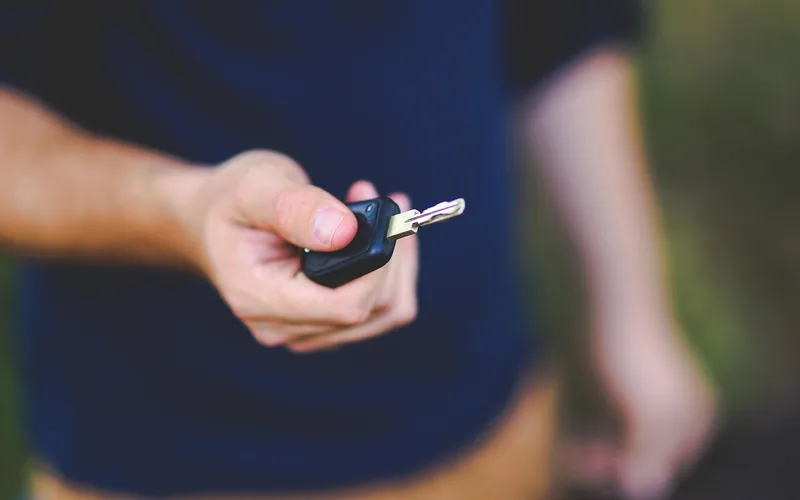
These are the simplest keys, made entirely of metal with a distinct cut pattern. They don’t have any electronic components.
How they work: The metal blade fits into the ignition and door locks, turning tumblers to grant access or start the engine.
Copying: Copying these is generally very easy and inexpensive. Most hardware stores, lumber yards, and locksmiths can cut these from a blank key based on the original.
Transponder Keys
Introduced in the mid-1990s, transponder keys have a small electronic chip embedded in the head of the key. This chip communicates wirelessly with a reader in your car’s dashboard.
How they work: When you insert the key and turn it, the car’s computer checks for a specific code from the chip. If the code matches, the car will start. If it doesn’t match, the engine immobilizer will prevent the car from starting, even if the key can physically turn the ignition.
Copying: These keys require not only cutting to match your car’s locks but also programming. The chip needs to be programmed with the correct code for your vehicle. This means you can’t just get them cut at any old hardware store.
Remote Keys and Fobs (Keyless Entry)
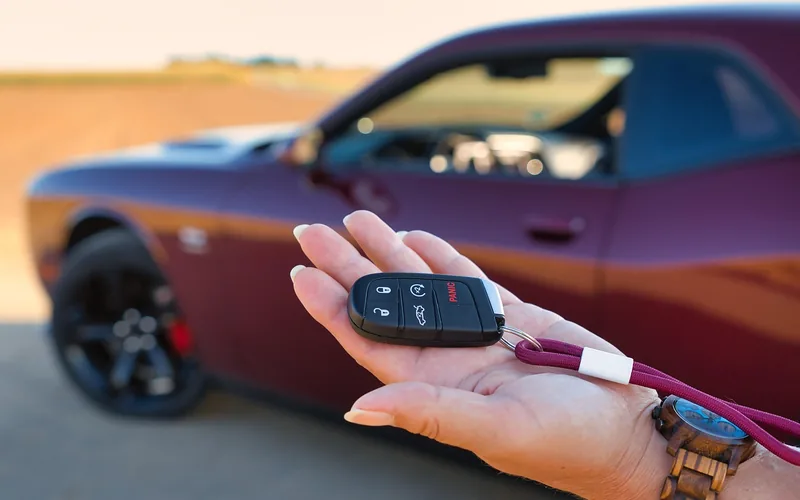
These keys combine the functions of a traditional key (either a metal blade or a slot for one) with remote buttons for locking, unlocking, and sometimes even starting the car (keyless ignition).
How they work: They send a radio signal to your car to perform actions like unlocking doors, opening the trunk, or starting the engine remotely. Many also contain a transponder chip for security.
Copying: Copying these involves cutting the physical key (if applicable) and programming both the remote functions and the transponder chip.
Smart Keys / Proximity Keys (Keyless Ignition)
These are the most advanced keys. They don’t even need to be removed from your pocket or purse. As long as the smart key is within a certain range of the vehicle, you can unlock doors by pressing a button on the handle and start the engine by pushing a start button inside the car.
How they work: They use radio frequency identification (RFID) and low-frequency radio signals to communicate with your car.
Copying: Programming these is the most complex and typically requires specialized equipment. Only automotive locksmiths or dealerships can usually handle these.
Where Can You Make Copies of Car Keys?
Having a clear understanding of your key type helps you choose the right place to get a duplicate made. Here are the 5 most common options:
1. Automotive Locksmiths
Locksmiths specializing in automotive keys are often your best bet for all types of keys, from old-fashioned metal ones to the latest smart keys.
Services Offered: Key cutting, transponder key programming, remote fob programming, and even creating new keys from scratch if you’ve lost all your originals.
Pros:
Can handle almost any type of car key.
Often more affordable than dealerships.
Many offer mobile services, coming to your location.
Quick turnaround time.
Cons:
Prices can vary significantly between shops.
Quality of service can differ.
What to Bring: Your original key, your car’s make, model, and year, and proof of ownership (like your driver’s license and registration).
2. Car Dealerships
Dealerships are equipped to handle all key types for the brands they sell.
Services Offered: Key cutting, transponder programming, remote fob programming, and lost key replacement.
Pros:
Guaranteed to have the correct parts and programming equipment for your specific vehicle.
Often have direct access to manufacturer codes.
Cons:
Generally the most expensive option.
Scheduling can take longer.
May require you to bring your car to them.
What to Bring: Your original key (if you have one), your car’s VIN (Vehicle Identification Number), proof of ownership (ID, registration).
3. Hardware Stores and Big Box Retailers
These locations are best for simple, traditional metal keys. Some, like Home Depot, also run in-store kiosks that can order fob and transponder keys.
Services Offered: Basic key cutting for non-transponder keys. Some may offer simple key fob battery replacement.
Pros:
Very affordable for basic keys.
Convenient and readily available.
Cons:
Cannot copy or program transponder keys, remotes, or smart keys in-store.
May not have a wide variety of key blanks.
The quality of the cut might not be as precise as a specialized shop.
What to Bring: Your original key.
4. Online Key Services
There are online services that can send you programmed keys or key blanks for you to get cut and programmed locally.
Services Offered: Selling key blanks, pre-programmed transponder keys, and remote fobs. Some may offer guides or videos for DIY programming (for specific models).
Pros:
Can sometimes be cheaper than local options, especially for older models.
Wide selection available.
Cons:
Requires careful research to ensure compatibility.
Programming might still need to be done by a locksmith or dealership, adding to the cost.
Risk of receiving an incorrect or incompatible key.
What to Bring: Your car’s make, model, and year. You’ll also need to know your key’s specific chip type (e.g., ID48, G Chip).
5. Self-Service Key Copying Kiosks
Automated kiosks — KeyMe and Minute Key are the two largest networks — are a newer option showing up in grocery stores, Walmart, and hardware store lobbies nationwide, often available 24/7.
Services Offered: On-the-spot cutting for basic metal keys, plus fob and transponder key duplication that scans your original at the kiosk and ships the finished key to your address.
Pros:
No appointment needed at most locations.
Cheaper than a locksmith for basic keys.
Some networks connect you to a mobile locksmith for on-site fob programming.
Cons:
Fob and transponder orders aren’t cut and programmed on the spot — expect a few days for shipping.
Not every kiosk supports every make and model.
What to Bring: Your original key. For fob or transponder orders, you’ll enter your car’s make, model, and year on the kiosk screen.
📊 Self-service kiosks price non-transponder key copies from about $19.99, with fob and transponder duplicates running $69.99–$89.99 before shipping. — Source: KeyMe, 2026
The Copying Process: Step-by-Step
The exact process for making a copy of your car key depends on the type of key you have.
For Traditional Metal Keys
- Find a Service: Visit a hardware store, locksmith, or discount retailer that offers key cutting.
- Provide the Key: Hand over your original metal key.
- Key Cutting: The service will use your original key to create a precise cut on a new blank key, usually with a specialized machine.
- Test: Briefly test the new key in your car door lock to ensure it turns smoothly.
- Cost: Generally the cheapest option, often $2 to $10.
For Transponder Keys
- Find a Specialist: Locate an automotive locksmith or your car dealership — hardware stores typically cannot handle transponder keys.
- Provide Information: Bring your original transponder key (if you have one), your car’s make, model, year, and VIN, plus proof of ownership.
- Key Cutting: The locksmith cuts the physical metal blade to match your car’s locks, the same as a traditional key.
- Programming: A programming device connects to your car’s OBD-II port (usually under the dashboard) to synchronize the new transponder chip with your car’s immobilizer system.
- Testing: The technician starts the engine with the new key and confirms every function works before you leave.
Cost: typically $75 to $400 or more, depending on the provider and car model — see the cost comparison table below.
For Remote Keys and Smart Keys
- Find a Specialist: You must use an automotive locksmith or dealership for these.
- Provide Information: Similar to transponder keys — original key, car details (make, model, year, VIN), and proof of ownership.
- Key Cutting (if applicable): If your smart key has a hidden physical blade, this will be cut.
- Programming: This involves programming both the transponder chip (for starting the car) and the remote functions (lock, unlock, trunk, panic). Dealerships and locksmiths use specialized diagnostic tools for this.
- Testing: Thorough testing of all functions, including remote start and keyless entry, is performed.
- Cost: Usually the most expensive option, often $100 to $500+, due to the complexity of programming multiple functions.
Cost Comparison: Who is Cheapest?
The cost of making a car key copy varies significantly. Here’s a general idea of what to expect:
| Key Type | Hardware Store | Automotive Locksmith | Car Dealership | Online Services (+ Local Programming) |
|---|---|---|---|---|
| Traditional Metal Key | $2 – $10 | $5 – $15 | $20 – $50 | $10 – $25 |
| Transponder Key | N/A | $75 – $250 | $150 – $400+ | $50 – $150 |
| Remote Key / Fob | N/A | $100 – $300 | $200 – $500+ | $75 – $200 |
| Smart Key / Keyless Entry | N/A | $150 – $400+ | $250 – $600+ | $100 – $300 |
Note: Prices are estimates and can vary greatly by region, specific vehicle, and service provider. Self-service kiosks (see above) typically undercut all four columns for basic keys but add a shipping wait for fob and transponder orders.
For a full cost breakdown by key type, see our dedicated guides on new car key pricing and reprogramming costs.
What You Need to Get a Car Key Copy Made
To ensure a smooth and successful key copying process, be prepared with the following:
Your Original Key: This is the most important item. It provides the cutting pattern and the chip information needed for duplication and programming.
Vehicle Information: The make, model, and year of your car are essential.
VIN (Vehicle Identification Number): Some services, especially dealerships, may require your VIN. You can find it on your dashboard (visible through the windshield on the driver’s side), on your driver’s side doorjamb sticker, or on your insurance documents and registration.
Proof of Ownership: Most reputable services will ask for proof that you own the vehicle. This typically includes:
A valid driver’s license
Your car’s registration
Your insurance card
Your Car: For programming, you will almost always need to bring your car to the service location. Some mobile locksmiths can come to you.
It’s important to note that some vehicles have “keyless programming” features that can be replicated to some extent by advanced locksmiths, allowing them to program new keys without an original key present. However, this is a more complex and expensive service, typically found at specialized automotive locksmiths.
Can You Make a Copy of a Car Key Without the Original?
Yes, it’s often possible to make a copy of a car key even if you don’t have the original. However, it’s a more involved and usually more expensive process. If you’ve just lost your only key, start with our guide to finding lost car keys before paying for a replacement.
Using Vehicle Identification Number (VIN): If you have your car’s VIN, a dealership or a skilled automotive locksmith can often use it to obtain the key code from the manufacturer. Once they have the code, they can cut a new key. For transponder and smart keys, they will also need to program the new key to your car. This process requires strict verification of ownership. One exception: most locksmiths refer 2005-and-newer German makes — BMW, Volkswagen, Mercedes-Benz, and Audi — straight to the dealer, since their key codes usually aren’t available outside the manufacturer’s network.
From Your Car’s Lock Cylinders: A locksmith can sometimes remove and “decode” your car’s lock cylinders to create a key that fits. This bypasses the need for an original key but is a more labor-intensive service.
Keyless Entry Programs: Some advanced locksmiths have equipment that can program new keys to your car even without an original key, by interacting directly with your car’s computer systems through the OBD-II port.
Always be prepared to provide extensive proof of ownership (driver’s license, registration, etc.) when attempting to get a key made without an original.
DIY Key Copying: Is It an Option?
For basic, non-transponder metal keys, DIY copying is straightforward.
- Purchase a Blank Key: You can buy a blank metal key at most hardware stores or online. Make sure it’s the correct type for your car.
- Get it Cut: Many hardware stores will cut a blank key for a small fee if you bring them your original.
- Test: Ensure it works in your door and ignition.
For any key with a chip, remote, or smart key functionality, DIY is generally NOT recommended. While you might find DIY programming kits online for specific car models, the process can be complex and carries risks:
Incorrect Programming: You could end up with a key that doesn’t work or, worse, disables your car’s security system.
Damage to Vehicle Electronics: Incorrectly using programming tools can potentially damage sensitive car electronics.
Voiding Warranty: Attempting DIY programming might void your car’s warranty.
It’s always safer and more reliable to leave transponder and smart key programming to professionals.
The Importance of a Spare Key
Having a spare key is more than just a convenience; it’s a smart safety and financial measure.
Peace of Mind: Knowing you have a backup eliminates the stress and panic of being stranded if your primary key is lost, stolen, or malfunctioning.
Cost Savings: Getting a spare key made when you have the original is significantly cheaper than getting a completely new key and programming service if you’ve lost all your originals. Locksmiths and dealerships often offer discounts for making multiple keys at once.
Emergency Preparedness: If your car key breaks or your car battery dies (which can sometimes affect key fob function temporarily), a spare key ensures you can still operate your vehicle when needed.
* Resale Value: A car with two working keys is generally more attractive to potential buyers and can command a higher resale price.
Best Spare Key Protection Pick
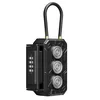
Magnetic Key Lock Box (4-Digit Combo) – $19.99
A resettable combination box for hiding the spare key this section just talked you into making — so it’s ready outside without handing your only copy to a house-sitter.
- Best for: hiding a spare car key outside without giving a neighbor or dog-walker your only copy
- Why we picked it: the 4-digit code resets any time, so you can lock out a contractor or ex-house-sitter in seconds
- Main drawback: mounting it somewhere obvious (right by the door) defeats the point — pick a less predictable spot
Compare more key-protection options
 Option 1 Faraday Key Fob Signal-Blocking Pouch – $11.99
|
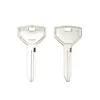 Option 2 Y157 Uncut Key Blanks (25-Pack) – $25.35
|
 Option 3 Tile Bluetooth Key Tracker – $19.99
|
As an Amazon Associate we earn from qualifying purchases.
Frequently Asked Questions (FAQ)
Can a locksmith copy my car key?
Yes, most automotive locksmiths can copy traditional metal keys, transponder keys, remote fobs, and even smart keys. They have the specialized equipment needed for cutting and programming.
How much does it typically cost to copy a car key?
The cost varies greatly. A basic metal key copy might cost $5-$15. A transponder key copy can range from $75-$250, and a smart key copy can be $150-$400+. Self-service kiosks like KeyMe undercut most of these, pricing non-transponder copies from about $19.99 and fob or transponder copies from about $69.99-$89.99, though the fob version ships to you rather than being cut on the spot.
Do I need my car with me to get a copy made?
Yes, for any key with a transponder chip, remote, or smart key functionality, you will almost always need to bring your car to the locksmith or dealership for programming. Basic metal keys can often be copied without the car.
Can I make a copy of a car key from just the VIN number?
Yes, with your VIN and proof of ownership, a dealership or skilled locksmith can often obtain the key code from the manufacturer to cut a new key and program it to your vehicle. One common exception: locksmiths typically refer 2005-and-newer BMW, Volkswagen, Mercedes-Benz, and Audi owners straight to the dealer, since those key codes usually aren’t available outside the manufacturer’s network.
What is a transponder key and why is it harder to copy?
A transponder key has a small chip that communicates with your car’s immobilizer system. Copying it requires not just cutting the metal blade but also programming this chip with a unique code recognized by your car, which requires specialized equipment and expertise.
Can I program a new car key myself?
Basic metal keys can be cut by anyone. However, programming transponder keys, remotes, or smart keys yourself is generally not recommended due to complexity and the risk of damaging your car’s electronics or security system. It’s best left to professionals.
What documents do I need to bring to get a new car key made?
You will typically need your original key (if you have one), your driver’s license, your vehicle’s registration, and possibly your insurance card as proof of ownership. Some services may also require the car’s VIN.
Conclusion
Making copies of your car keys is more accessible and affordable than many people realize — from a $5 hardware-store cut to a $400 dealer-programmed smart key. Whether you need a simple spare or a high-tech fob duplicate, knowing your key type is the first step to picking the right place and the right price.
Products related to this article
Sponsored / affiliate links. As an Amazon Associate I earn from qualifying purchases. I may earn additional commission from eligible campaigns.