Can You Put 88 In A 87 Car? Essential Facts
While you can technically put 88 octane fuel in a car designed for 87, it’s usually not necessary and offers no real benefit for most 1987 models. Using the correct octane rating, often 87, is key for performance and preventing engine issues. We’ll explore exactly why this switch might not be worth the extra cost for your older vehicle.
Welcome! Are you staring at the gas pump, wondering if premium fuel will make your older car run smoother? You have a classic 1987 vehicle, and the pump offers 88 octane—a number right between regular and mid-grade. It’s confusing, and you want to make the best choice without hurting your engine or wallet. Don’t worry; this is a super common question among drivers who want to treat their cars right. We’re going to break down what octane numbers mean, what your 1987 car really needs, and how to choose the right gas every single time. Let’s dive into the facts so you can fill up with total confidence!
The short answer is usually yes, you can physically put 88 octane gas into a car made in 1987 that recommends 87. Nothing will explode instantly, and your car won’t break down on the spot. However, understanding why you might or might not want to do this is the crucial part. Octane rating is not about fuel quality or cleaning power; it’s about resistance to something called “knocking” or “pinging.”
For most standard 1987 model vehicles, the manufacturer carefully designed the engine to run perfectly on 87 octane (regular unleaded). Putting in 88 octane is often like ordering a slightly stronger coffee than you need—it won’t hurt, but it won’t magically boost your power or efficiency either.
What Octane Rating Actually Means (The Beginner’s Guide)
When you see numbers like 87, 88, or 91 on a fuel pump, you are looking at the octane rating. Think of octane as a measure of the fuel’s ability to be compressed before it ignites.
The Danger: Engine Knocking (Pinging)
In a healthy engine, the spark plug ignites the fuel mixture at exactly the right moment. If the fuel is too low in octane (not resistant enough to compression), the high pressure inside the cylinder can cause the fuel to explode prematurely—before the spark plug fires. This premature explosion is called engine knock or pinging. It sounds like marbles rattling inside your engine, and over time, it can cause serious damage.
Manufacturers specify the required octane rating based on the engine’s compression ratio. Higher compression engines squeeze the fuel mixture harder, requiring higher octane to prevent that premature detonation.
Why 88 Octane Exists
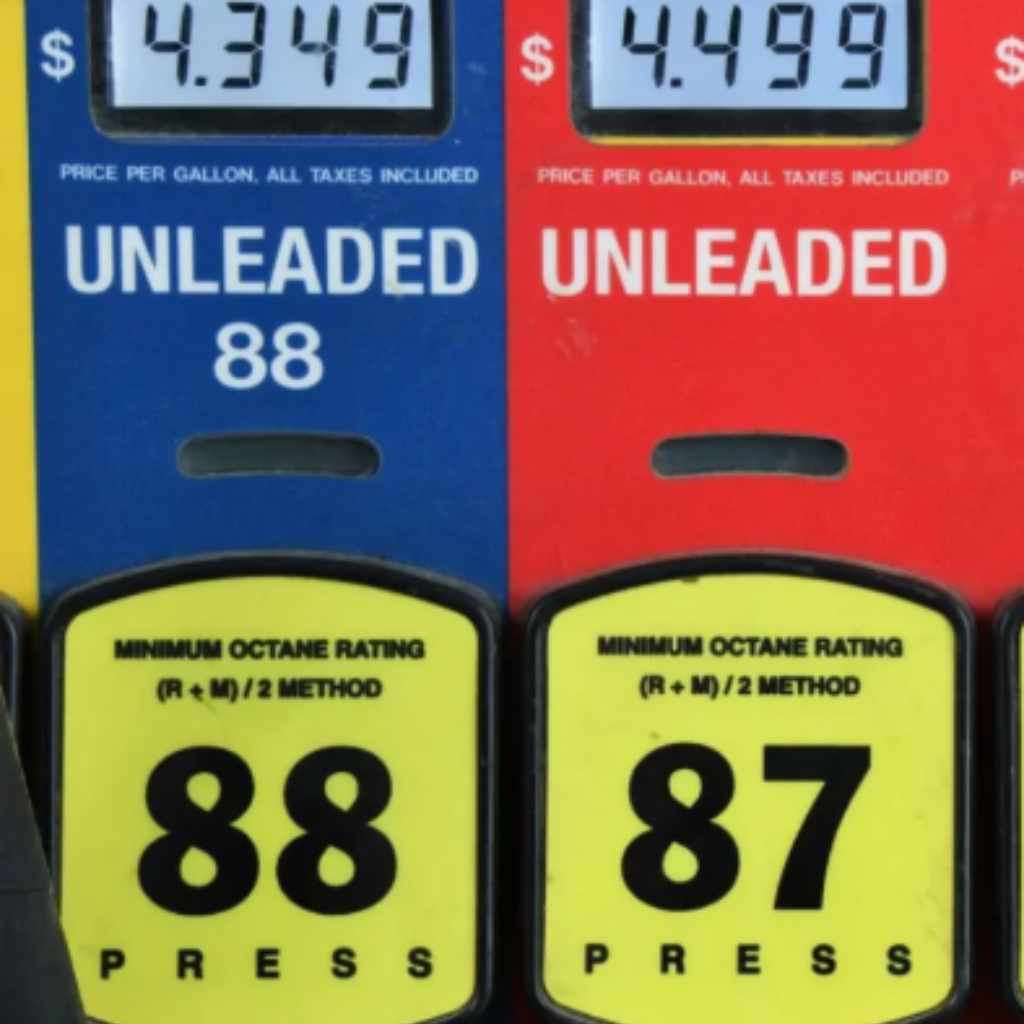
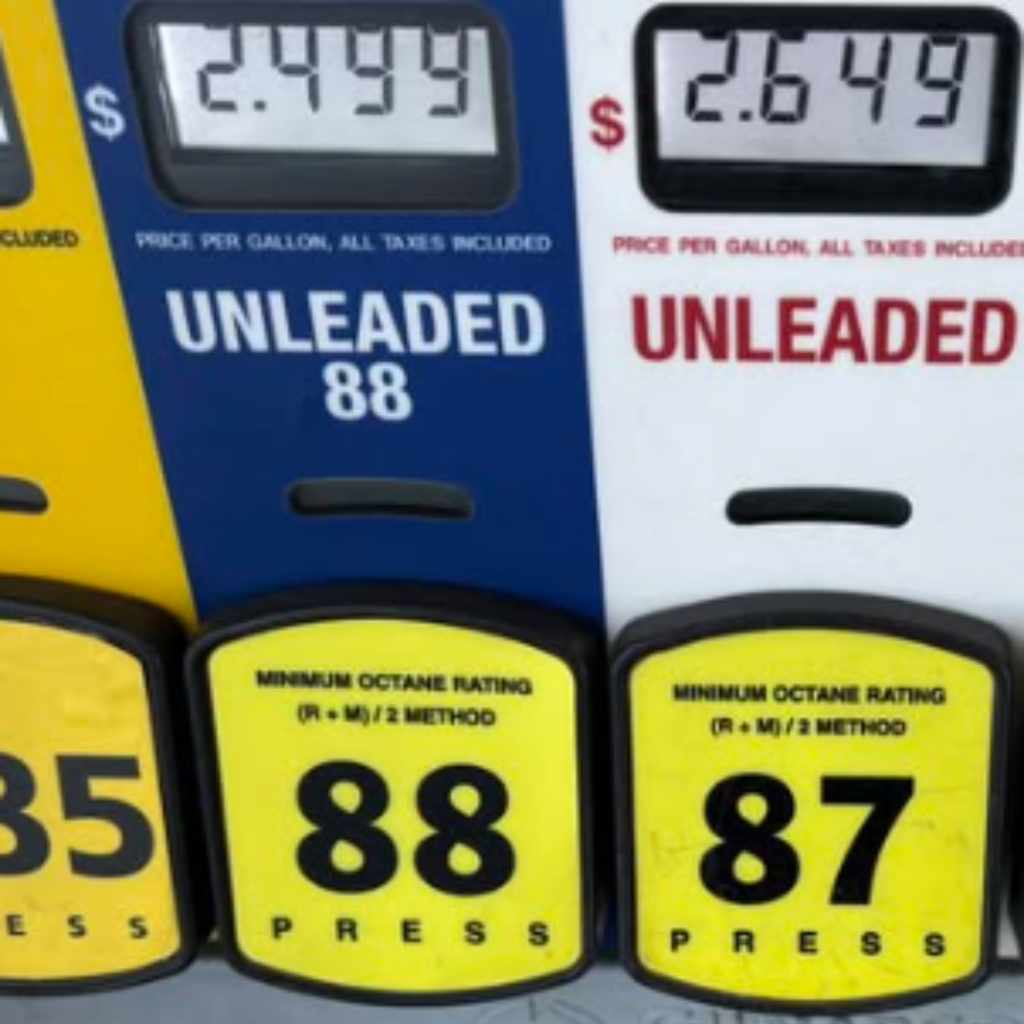
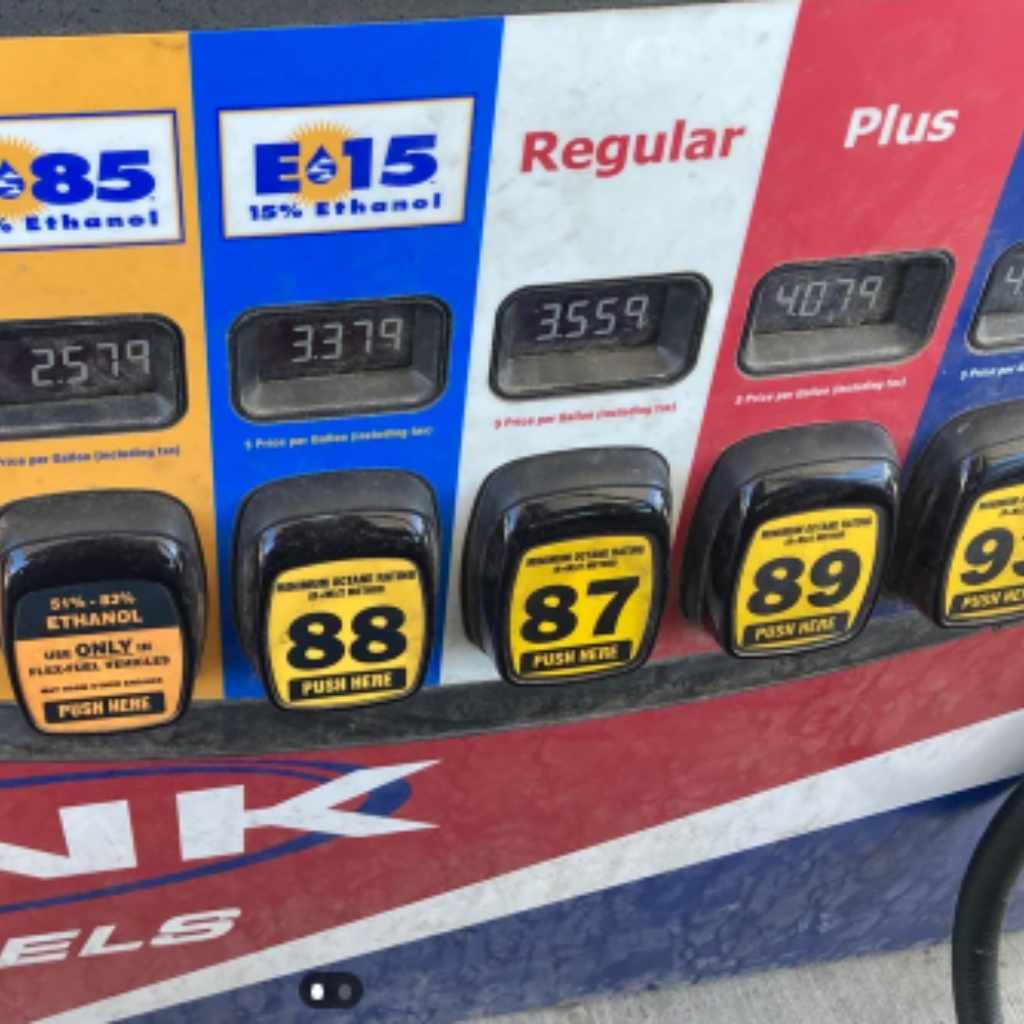
The 88 octane rating is often part of a newer “mid-grade” offering, usually sitting between 87 (regular) and 89 or 91 (premium). This grade often exists to bridge the gap between older standards and modern engine requirements, or simply as a new marketing tier for gas stations.
For your 1987 car, which was engineered decades ago, the system is simpler. If your owner’s manual says 87, that is the level of knock resistance your engine was built for.
Checking Your 1987 Vehicle’s Requirement
Before you start experimenting, know what your car demands. This vital information is usually found in a few key places. Never guess when it comes to fuel.
Where to Find the Required Octane Level
- The Owner’s Manual: This is the definitive source. Look in the section covering “Fuel Type” or “Engine Specifications.” For most common 1987 family sedans or economy cars, it will state “Unleaded fuel, 87 Octane minimum.”
- The Fuel Filler Door: Many manufacturers placed a sticker right on the inside of the fuel door flap indicating the minimum required octane.
- The Dashboard/Gauge Cluster: Occasionally, older cars had a small label or decal near the speedometer or gas gauge reminding the driver.
If your 1987 car has a high-performance engine, a turbocharger, or a very high compression ratio (less common for mass-market 1987 cars), it might specify 89 or higher. Always defer to the owner’s manual for the correct specification.
Comparing Fuel Specs: 87 vs. 88 Octane
Let’s look at what these numbers mean structurally and how they compare in practical use for an older engine.
| Fuel Specification | Knock Resistance (Anti-Knock Index) | Typical Application (1980s Context) | Cost Implication |
|---|---|---|---|
| 87 Octane (Regular) | Standard Minimum | Most economy and standard engines (compression ratio around 9:1 or less). | Least expensive option. |
| 88 Octane (New Mid-Grade/Plus) | Slightly Higher than 87 | May be used in modern engines or as an intermediate step, but often unnecessary for older designs. | Slightly more expensive than 87. |
| 1987 Engine Design | Engine is calibrated specifically for 87 (or whatever the manual states). | The engine’s calibration (timing and compression) assumes the fuel will resist knocking at the 87 level. | Using higher than required is extra cost without benefit. |
As an expert car enthusiast, I always recommend sticking to the minimum required octane. If your engine is running smoothly on 87 and there is no knocking, upgrading to 88 provides no measurable gain in horsepower or fuel economy, as the Engine Control Unit (ECU) or distributor settings are not advanced enough to take advantage of the extra knock resistance.
The Science: Why Higher Octane Doesn’t Always Mean Better
Many drivers mistakenly believe that higher octane fuel is “better” fuel, like using better oil or better coolant. This is a myth that costs drivers money!
Octane rating measures the fuel’s ability to resist spontaneous combustion under pressure. It does not measure:
- Energy content (BTUs).
- Detergency (how well it cleans injectors or valves).
- Refinement quality (beyond the anti-knock properties).
If your 1987 car does not require premium fuel (usually 91 or above), using 88 or 91 will not:
- Increase horsepower.
- Improve gas mileage.
- Clean your fuel system better than Top Tier gasoline rated for 87 octane.
In fact, for older cars still running on carburetors or very basic early fuel injection systems, forcing a fuel with very high resistance to ignition (like 93 octane) might actually lead to slightly less efficient burning, though this effect is usually minor until the difference is extreme (like putting diesel in a gasoline engine!).
When Could Using 88 Octane Be Helpful (Even If Not Required)?
While most 1987 cars are fine on 87, there are a few niche scenarios where bumping up to 88 might offer peace of mind, especially if you are experiencing specific symptoms:
1. If You Notice Pre-Ignition or Pinging
If you are hearing that tell-tale rattling or pinging sound under hard acceleration (going uphill or passing someone), and your manual says 87 is minimum, the next step is often to try the next octane up—which 88 usually is. This helps rule out fuel quality as the cause of the knock.
Common Causes of Knocking in Older Cars:
- Incorrect spark plug heat range.
- Carbon buildup in the combustion chamber (lowering the effective clearance room).
- Engine timings set improperly (common if work was recently done).
- Fuel that is old or contaminated.
If upgrading to 88 octane solves the knock, you know your specific engine, perhaps due to age or carbon buildup, needs that slight extra resistance. You can then safely stick to 88 octane until a mechanic cleans the engine.
2. Extreme Heat or High Altitude
In extremely hot weather, the air entering the engine is less dense, and the engine components heat up more. In theory, this hotter environment can increase the risk of detonation. While 88 octane is only a slight bump, some drivers feel more comfortable using it during peak summer heat, especially if they drive aggressively.
However, modern gasoline standards, even for 87 octane, account for most reasonable environmental factors. This technique is more common for classic cars with very high, non-computer-controlled compression ratios.
Safety and Reliability: Stick to Your Owner’s Manual
Reliability is king, especially with a vehicle from 1987. The safest path is always the one recommended by the people who built the engine. If you are unsure about your car’s original specification, using 87 octane is, statistically speaking, the correct and most economical choice for the vast majority of vehicles from that era.
For reliable maintenance information, always consult recognized technical resources. For example, resources like those provided by the U.S. Environmental Protection Agency (EPA) confirm that using fuel with an octane rating higher than the manufacturer’s recommendation does not improve performance for vehicles not specifically designed for it.
If you decide to use 88 octane, monitor your performance for a few tanks. If you notice absolutely no change in how the car drives, sounds, or if your fuel economy stays exactly the same, then you are simply paying more money for no observable benefit.
Step-by-Step: Making the Fuel Switch Safely
If you are currently using 87 octane and want to try 88 octane (or perhaps you own a vehicle that might need 88, or you experienced a slight knock), here is how to transition without wasting fuel or confusing the engine’s computer.
Tools Needed:
- Your vehicle owner’s manual (for reference).
- Your preferred gas station that carries 88 octane.
Procedure for Switching Octane Levels:
- Check Your Current Fuel Level: Do not switch fuels when your tank is almost empty, as this will require a large, immediate change in the fuel mixture.
- Fill Partially: When you next fill up, instead of filling the tank completely, fill the tank only halfway with the new 88 octane fuel. This mixes the 88 octane fuel with the 87 octane already present.
- Drive Normally: Drive the car for a day or two during typical driving conditions (city/highway mix).
- Listen and Feel: Pay close attention to how the engine sounds during acceleration. Are there any signs of pinging or rattling? Does the engine feel smoother or rougher?
- Top Off (If Satisfied): If you feel the car is running well, or if the mild pinging sound disappeared, you can fill the tank the rest of the way with 88 octane for the next few fill-ups to see if the change is consistent.
- Revert If Performance Drops: If you notice sluggishness, hesitation, or worse mileage after two tanks of 88 octane, immediately switch back to 87 octane at your next fill-up.
Understanding Fuel Grades Across Different States
One major reason this question arises so much is that octane ratings are not standardized across the country! What is called “Regular” in one state might be “Plus” in another. This regional difference adds significant confusion for drivers crossing state lines.
In many parts of the US, the standard grades are:
- 87 (Regular)
- 89 (Mid-Grade)
- 91 or 93 (Premium)
Some states, particularly in the Midwest or South, have introduced 88 octane as their new standard “Regular” grade, pushing the old 87 into the mid-grade slot, or sometimes eliminating it entirely in favor of 89 being the new regular. This governmental or station-level change often leaves drivers of older cars scratching their heads.
If you are traveling, always look for the posted required octane number in your owner’s manual. If your manual states 87, and the local station only offers 88 as its “regular,” then 88 is what you should use there, as it meets or exceeds the minimum requirement.
Tips for Maintaining Your 1987 Fuel System
Since your car is over 35 years old, the fuel system might be more sensitive to changes than a modern car. Proper maintenance ensures whatever fuel you choose works reliably:
- Use Quality Fuel: Always choose pumps from established, high-volume stations. High turnover means less chance of old, water-contaminated fuel sitting in the underground tanks. Look for gas stations that meet the TOP TIER™ Gasoline Performance Standards for better detergent additives, which are crucial for older fuel systems.
- Change Fuel Filters Regularly: A clogging fuel filter can mimic the symptoms of low-octane fuel. Replace your fuel filter as recommended in your maintenance schedule—it’s cheap insurance.
- Check Spark Plugs: Old or incorrect spark plugs are the number one cause of engine knocking. Replace them according to the maintenance guide, making sure you use the exact heat range specified for your engine.
- Address Carbon Buildup: If the car is running fine on 87 but still pings slightly, consider using a high-quality fuel system cleaner additive designed to remove carbon deposits from the combustion chambers.
Frequently Asked Questions (FAQ) About Octane and Older Cars
Q1: Will putting 88 octane in my 1987 car hurt the engine?
No, putting 88 octane in an engine designed for 87 is highly unlikely to hurt it. Since 88 has a higher resistance to knocking, it simply provides a small margin of safety above the required level.
Q2: If I use 88 octane, will I save money on gas over time?
Generally, no. 88 octane costs more per gallon than 87 octane. Since older cars cannot utilize the extra resistance for better performance, you will just spend more money per fill-up for the same results.
Q3: My 1987 car only has a 9:1 compression ratio. Why would it need higher than 87?
An engine with a 9:1 compression ratio is standard for that era and is optimized for 87 octane. If it pings on 87, the issue is likely caused by carbon buildup, incorrect timing, or worn spark plugs, not the fuel itself.
Q4: What is the difference between “Better Quality” gas and “Higher Octane” gas?
Better quality often refers to stronger detergent additives that keep your fuel injectors and valves clean (TOP TIER certified). Higher octane simply means the fuel resists exploding too soon when squeezed hard. They are separate measures.
Q5: If my 1987 car requires 87, what is the highest octane I should ever use?
For maximum reliability and economy, stick to 87 octane. If you must experiment due to pinging, do not go above 91 or 93 unless your owner’s manual explicitly states a higher requirement for a specific high-performance variant of your model.
Q6: If 87 octane is unavailable, what’s the next best thing?
If 87 is unavailable and the only choice is 88 or higher, use 88 octane. Always choose the lowest available octane that meets or exceeds your car’s minimum requirement.
Conclusion: Making the Smart Fuel Choice for Your Classic Ride
Making smart decisions at the gas pump saves you money and keeps your vehicle running smoothly for years to come. When it comes to using 88 octane fuel in your 1987 car, remember this key takeaway: your car manufacturer already determined the perfect fuel for your engine’s design.
For the overwhelming majority of 1987 vehicles, that perfect fuel is 87 octane. Using 88 provides a small buffer against knocking, which might be useful if you notice slight engine pinging, especially during high-load situations.