Can You Put Duct Tape On A Car: Essential Fixes
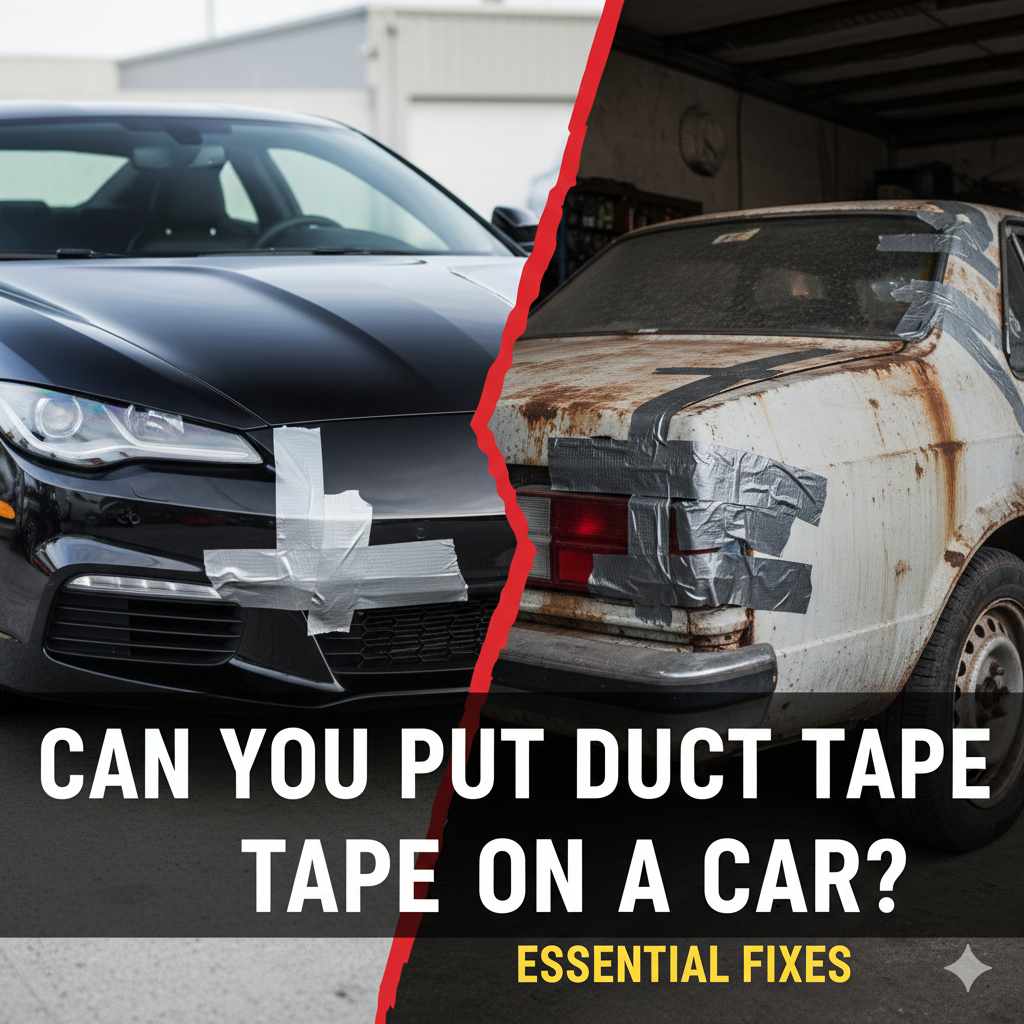
Yes, you can put duct tape on a car for temporary, emergency fixes, but it’s crucial to understand its limitations. Duct tape is best for non-structural issues like covering cracked taillights, holding loose trim, or sealing small leaks until you can get a proper repair. It’s not a permanent solution and shouldn’t be used on critical components like brakes or steering.
Dealing with a car problem can be stressful, especially when you’re on the go. You might find a small issue that needs attention, and the thought of a quick fix comes to mind. Many people wonder, “Can you put duct tape on a car?” The answer is a bit nuanced. For minor, temporary roadside emergencies, duct tape can be a surprisingly useful tool to keep your car safe and compliant until you reach a repair shop. It’s a go-to for many in a pinch! We’ll cover what duct tape can and can’t do for your car, and how to use it wisely for those essential fixes.
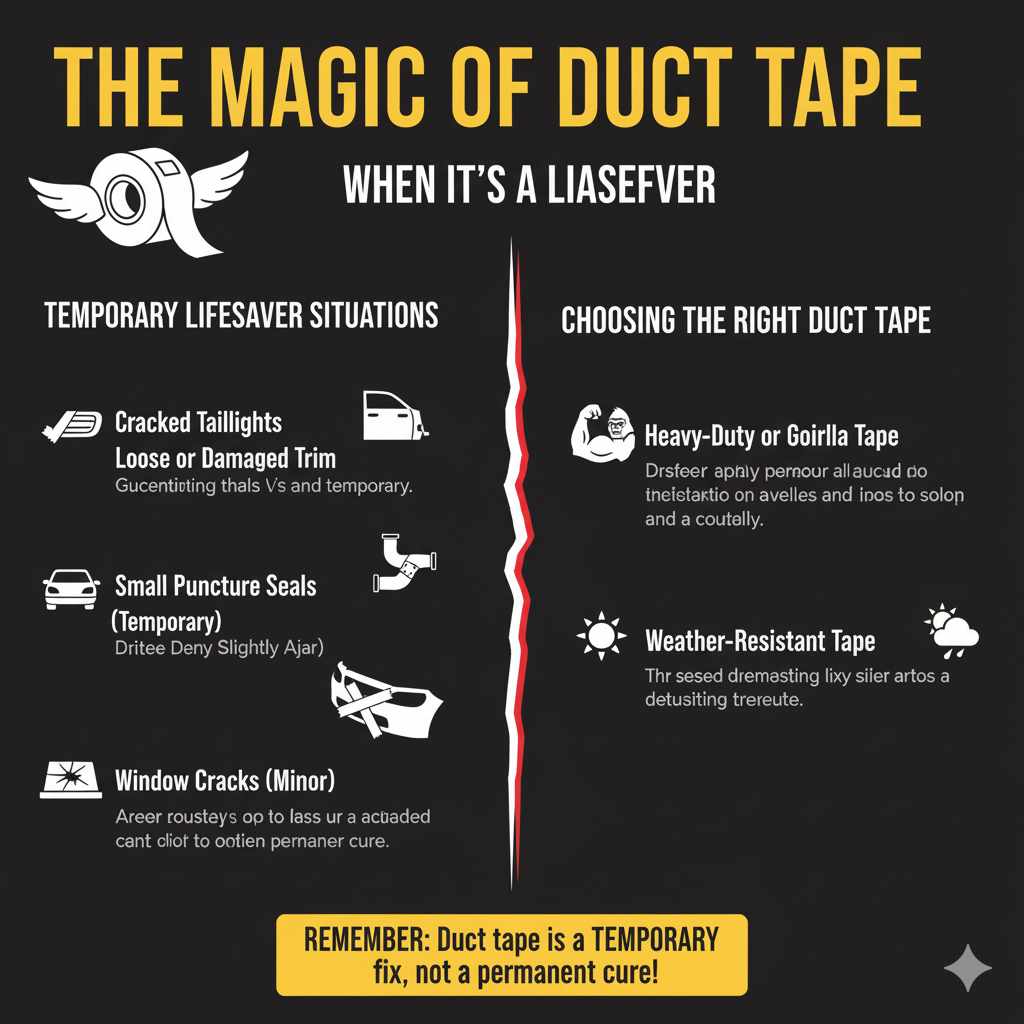
The Magic of Duct Tape: When It’s a Lifesaver
Duct tape is a versatile hero in many households, and its strength and adhesive properties make it a common thought for car repairs. However, it’s vital to remember that duct tape is a temporary solution. It can help you avoid bigger problems or fines while you get to a mechanic. Think of it as a friendly bandage for your car, not a permanent cure.
Here are some situations where duct tape can be a temporary lifesaver:
Cracked Taillights or Headlights: A shattered taillight is not only unsightly but also a safety hazard and a reason for a ticket. Duct tape can hold the pieces together and cover the exposed wiring, preventing water from getting in and helping you see at night.
Loose or Damaged Trim: If a piece of exterior trim, like a fender flare or side molding, has come loose, duct tape can secure it in place to prevent it from flapping or falling off entirely.
Small Puncture Seals (Temporary): In a dire emergency, duct tape can sometimes be used to temporarily seal a small puncture in a hose or a minor leak. However, this is highly risky and should only be done if you absolutely have no other option and can travel at very slow speeds.
Securing a Bumper (Slightly Ajar): If a bumper has become slightly dislodged, a few strips of duct tape might hold it in place temporarily. This is purely cosmetic and to prevent it from dragging.
Window Cracks (Minor): For a small crack in a window that isn’t compromising structural integrity, duct tape can prevent the crack from spreading further.
Choosing the Right Duct Tape
Not all duct tapes are created equal. For car use, you’ll want a tape that is strong, durable, and can withstand some weather.
Heavy-Duty or Gorilla Tape: These variants are generally thicker, stronger, and have better adhesion than standard duct tape. They offer a more robust hold for automotive applications.
Weather-Resistant Tape: Look for tapes that advertise good performance in varying temperatures and moisture conditions.
It is always best to use a tape specifically designed for automotive use if available, but in a pinch, a heavy-duty duct tape can serve its purpose.
When NOT to Reach for the Duct Tape
This is the most important part: duct tape is not a substitute for proper automotive repair. There are several critical areas where using duct tape is not only ineffective but downright dangerous. Never use duct tape on:
Brake Components: This includes brake lines, rotors, or any part of your braking system. Failure here is catastrophic.
Steering Components: Anything related to steering, like tie rods or the steering column, must never be patched with duct tape.
Tires: Duct tape cannot contain tire pressure or repair punctures. Using it on a tire is extremely dangerous.
Structural Integrity: Duct tape offers no structural support. Don’t use it to hold together major body panels that have detached or to mend frame damage.
Exhaust Leaks (Significant): While it might temporarily stop a very minor puff of air, it won’t withstand the heat and pressure of a real exhaust leak.
Fuel Lines or Systems: These are flammable and under pressure. Duct tape is a fire hazard and will not create a reliable seal.
Radiator or Coolant Hoses (Under Pressure): While it might seem like a temporary fix for a drip, a hose under pressure and hot coolant is a dangerous situation that duct tape cannot handle.
Failing to address these issues with proper repairs can lead to serious accidents, injuries, or further damage to your vehicle.
Essential Duct Tape Fixes: A Step-by-Step Guide
Let’s walk through some common scenarios where duct tape can help you out in a bind. Always prioritize safety and ensure you have a clear understanding of the limitation of the fix.
Fix 1: The Cracked Taillight/Headlight Cover
A cracked taillight is a common problem that can get you pulled over. Duct tape can cover the damage and keep out water.
What You’ll Need:
Heavy-duty duct tape (preferably black or clear automotive tape for a less conspicuous look)
Clean rags
Scissors or a utility knife (optional)
Steps:
1. Clean the Area: Use a clean rag to wipe down the cracked taillight or headlight assembly. Remove any dirt, dust, or debris. A clean surface ensures better adhesion.
2. Assess the Damage: Gently check if any pieces are loose. If so, try to reposition them as best as you can.
3. Cut the Tape: Cut strips of duct tape to the appropriate size. You’ll want enough to cover the crack and wrap slightly around the edges if possible. For a taillight, try to mimic the shape of the original lens for a slightly cleaner look.
4. Apply the Tape: Carefully apply the strips of duct tape over the crack. Press down firmly, smoothing out any air bubbles. Overlap the strips slightly if you’re using multiple pieces, ensuring there are no gaps.
5. Reinforce (Optional): For extra security, you can apply a second layer of tape, perhaps oriented in a different direction, to further strengthen the patch.
6. Trim (Optional): If you have excess tape hanging off, you can carefully trim it with scissors or a utility knife to make it neater.
This fix should allow you to drive legally and safely until you can replace the damaged assembly. Remember, this is purely cosmetic and functional for minor damage.
Fix 2: Securing Loose Exterior Trim/Molding
When a piece of plastic trim starts to detach, it can be annoying and potentially dangerous if it falls off.
What You’ll Need:
Strong duct tape (Gorilla Tape or similar heavy-duty brand is excellent here)
Rubbing alcohol or degreaser
Clean rags
Gloves (optional)
Steps:
1. Locate and Clean the Area: Identify the loose trim piece. Clean both the trim and the car’s body panel underneath where the tape will adhere. Use rubbing alcohol or a degreaser to remove any wax, dirt, or grime. This step is crucial for the tape to stick properly.
2. Align the Trim: Carefully push the loose trim back into its original position as much as possible.
3. Measure and Cut Tape: Measure the length needed for the tape to go from the trim piece to a secure point on the car’s body, or to bridge the gap over the loose section. Cut several strips of tape.
4. Apply the Tape: Apply the duct tape firmly, pressing it down along the trim and onto the car’s surface. Ensure it’s smooth and there are no wrinkles that could catch wind.
5. Reinforce as Needed: If the trim is significantly loose, you may need multiple strips placed strategically to hold it securely. Consider applying tape from different angles or in a cross-hatch pattern for better support.
6. Check for Stability: Gently tug on the trim to ensure it’s held firmly in place.
This fix prevents further detachment and potential damage from the loose part flapping in the wind. Always aim to re-secure it using the car’s original clips or fasteners as soon as possible.
Fix 3: Temporary Seal for a Minor Hose Leak (Use with Extreme Caution)
This is a true emergency fix for a small drip on a non-critical hose, and you must drive very slowly and cautiously. This should absolutely not be used on fuel lines, brake lines, or high-pressure coolant hoses (like those connected to the radiator).
What You’ll Need:
High-quality, strong duct tape
Clean, dry rags
Gloves (highly recommended)
A way to cool down the engine (if applicable)
Steps:
1. Safety First! Ensure the engine is cool enough to touch. Wear gloves.
2. Dry the Area: Thoroughly dry the hose where the leak is. Any moisture will prevent the duct tape from adhering.
3. Wrap Tightly: Begin TIGHTLY wrapping the duct tape around the leaky section of the hose. Start applying the tape a few inches before the leak and extend a few inches past it.
4. Multiple Layers: Apply at least 3-4 layers of duct tape, ensuring each layer is stretched and wrapped snugly. Overlap the tape significantly with each revolution.
5. Press Firmly: Smooth down each layer of tape firmly to create the best possible seal.
6. Monitor Closely: If you are using this fix, drive at reduced speed and keep a very close eye on the temperature gauge and any signs of further leakage. Plan to get the hose replaced immediately.
This is a desperate measure. Many automotive hoses are under pressure and heat that duct tape simply cannot withstand long-term, or even short-term reliably. Its use here is at your own risk and only as a last resort for a very minor leak on a low-pressure hose.
Understanding Duct Tape’s Limitations & Durability
It’s essential to have realistic expectations about duct tape’s capabilities on a vehicle.
Duct tape’s adhesive is strong but not impervious to the elements. Heat can weaken the adhesive, causing it to peel or slide. Cold temperatures can make it brittle. Water and road salt can seep under the edges, corroding the painted surface underneath and compromising the tape’s bond. UV rays from the sun can degrade the material over time, making it less effective and unsightly.
Here’s a look at how long you might expect a duct tape fix to last, depending on conditions:
| Condition | Expected Durability | Notes |
|---|---|---|
| Ideal Conditions | Up to a few days to a week | Dry, moderate temperatures, minimal stress on the taped area. |
| Hot Weather | Hours to a day or two | Adhesive softens, tape may slide or peel. |
| Cold Weather | May hold initially, but prone to brittleness/cracking | Adhesion can be reduced, tape becomes stiffer and easier to tear. |
| Wet Conditions | Varies, often reduces durability significantly | Water can seep under edges, weakening the bond and potentially causing corrosion. |
| High Stress Areas | Very short-term, may fail quickly | Wind resistance, vibration, or minor impacts will stress the tape. |
| UV Exposure | Gradual degradation over days/weeks | Tape can become sticky, brittle, or lose its color/strength. |
For any repair, the goal should be to get to a professional mechanic as soon as possible. Duct tape is a bridge, not a destination.
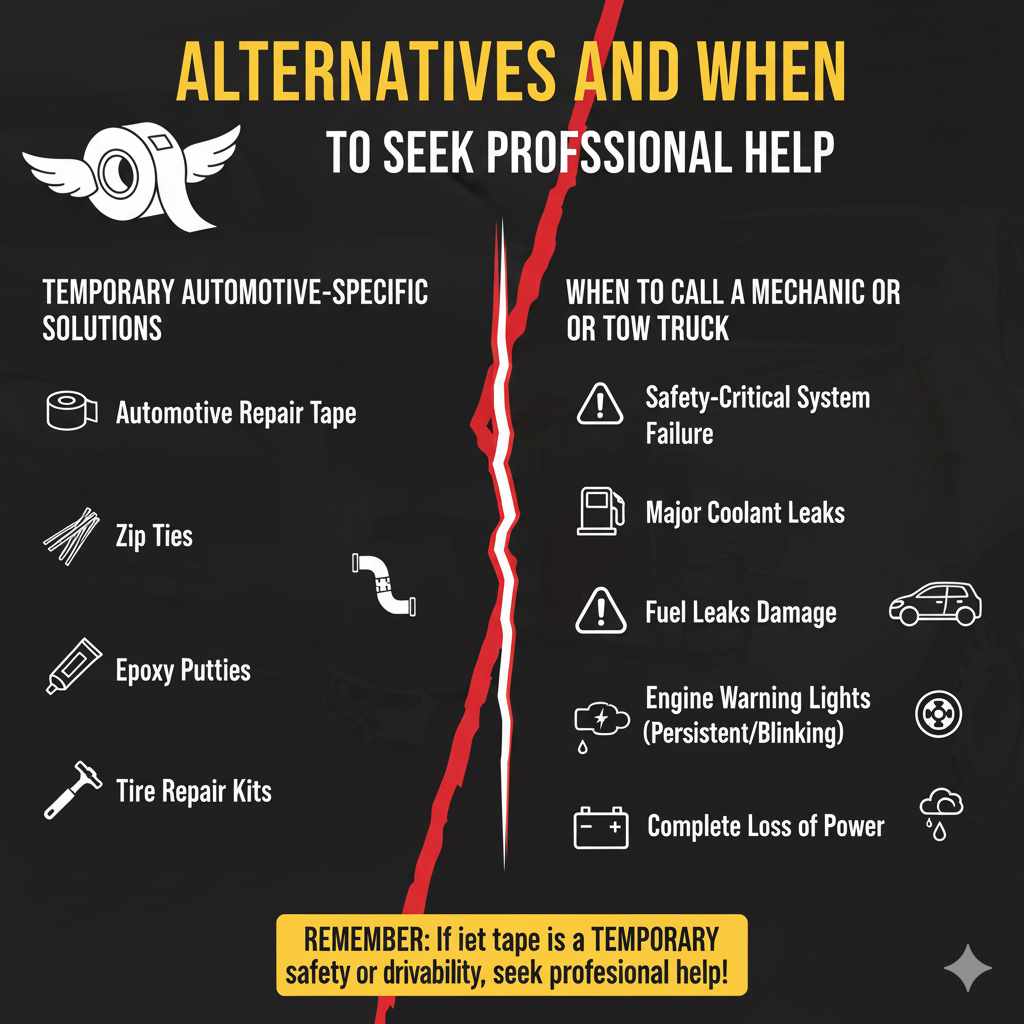
Alternatives and When to Seek Professional Help
While duct tape has its place for emergency fixes, it’s important to know when a situation calls for more robust solutions or professional intervention.
Temporary Automotive-Specific Solutions
Automotive Repair Tape: These tapes are designed to withstand higher temperatures, UV rays, and automotive fluids. They offer a more durable temporary fix than standard duct tape.
Zip Ties: Excellent for securing loose trim, hoses, or even exhaust components temporarily. They are surprisingly strong when used correctly.
Epoxy Putties: For certain plastic repairs or small holes, automotive epoxy putties can provide a stronger, more rigid temporary fix.
Tire Repair Kits: For tire punctures, a proper tire plug kit is a much safer and more effective temporary solution than duct tape. You can find these at most auto parts stores.
When to Call a Mechanic or Tow Truck
Any safety-critical system failure: Brakes, steering, suspension, and essential lighting (headlights, brake lights) if they fail completely.
Major coolant leaks: If your car is losing coolant rapidly, it can overheat and cause severe engine damage.
Fuel leaks: These are a fire hazard and must be addressed immediately.
Significant body damage: If a panel is severely damaged or loose, it could pose a roadside hazard.
Engine warning lights that persist or blink: Particularly if accompanied by loss of power or strange noises.
Complete loss of power.
Tire blowouts or sidewall damage.
A good rule of thumb is: if it affects safety, drivability, or could lead to further significant damage, seek professional help rather than relying on a temporary fix.
Frequently Asked Questions About Duct Tape and Cars
Can duct tape be used on car paint?
Yes, it can be used as a temporary measure, but it’s not recommended for long-term application. Duct tape adhesive can damage or pull off paint, especially on older or weakened finishes, when removed. Always clean the area thoroughly before applying and upon removal, and consider using a less aggressive tape or applying it over a protective barrier if possible. For best results, remove it as soon as a proper repair can be made.
Will duct tape hold a car bumper on?
Duct tape can hold a slightly dislodged bumper in place temporarily, preventing it from dragging. However, it offers no structural integrity and will not hold a severely damaged or detached bumper. It’s purely a cosmetic and prevention measure against further damage or roadside hazards.
Is it safe to use duct tape on my car’s exhaust system?
No, it is not safe or effective to use duct tape on your car’s exhaust system. Exhausts get very hot and are under pressure, both of which will quickly degrade duct tape, and its adhesive can melt or burn. This is a fire hazard and a failure waiting to happen. Specialty exhaust repair wraps or pastes are needed for such fixes.
Can I use duct tape to fix a hole in my car’s interior?
Absolutely! Duct tape is great for temporary interior repairs, such as covering rips in upholstery, securing loose carpet, or patching small holes in plastic trim. It’s an easy and effective way to prevent further damage or improve the appearance of your car’s interior until you can make a more permanent fix.
How long can a duct tape repair last on a car?
The longevity of a duct tape repair varies greatly. In ideal conditions (dry, moderate temperature, no stress), it might last a few days to a week. However, in extreme heat, cold, wet environments, or areas with significant vibration or wind exposure, it could fail within hours. It is always intended as a temporary, emergency solution.
What is the best type of duct tape for car emergencies?
For most car emergencies, a heavy-duty duct tape like Gorilla Tape or a similar reinforced, high-adhesion tape is best. These provide a stronger bond and better durability than standard duct tape. For a more professional temporary fix, consider specialized automotive repair tapes if available.
Can duct tape be used on car mirrors?
If the glass in your side mirror has cracked or fallen out, duct tape can be used to hold the remaining frame together or to seal the opening temporarily. Similarly, if the mirror housing has come loose, duct tape can secure it. However, if the mirror glass is shattered, you’ll need to replace it for safe driving, as duct tape won’t restore visibility.
Conclusion: Duct Tape – A Temporary Ally, Not a Permanent Fix
We’ve explored the world of using duct tape on your trusty vehicle. It’s clear that duct tape can be a surprisingly handy tool in your car emergency kit. For those frustrating moments when a minor part comes loose, a taillight cracks, or a small, non-critical leak appears, duct tape can offer a crucial, temporary fix. It’s the quick, accessible solution that can get you home or to the mechanic safely, and it can prevent a small problem from becoming a much bigger, more expensive one.
Remember the golden rule: duct tape is a temporary patch, a roadside guardian, not a permanent repair. Never use it on critical systems like brakes, steering, or tires. Always prioritize safety and strive to get your car professionally serviced as soon as possible after applying a duct tape solution. By understanding where and how to use this versatile tape effectively, you can confidently handle minor vehicular hiccups and keep your car running until a proper repair can be made.