Can You Wrap a Car with Chipped Paint? Answering Your Questions
Thinking about a car wrap but worried about those little paint chips? You’re not alone! Many people ask, Can You Wrap a Car with Chipped Paint? It can seem tricky for beginners. This post will break down the process step by step, making it easy to see if a wrap is right for your vehicle. We’ll go through everything you need to know, from prepping your car to getting a professional result. Let’s get started!
Evaluating Your Vehicle’s Condition
Before considering a car wrap, a thorough assessment of your car’s exterior is the first step. This involves checking for paint damage and understanding how these imperfections will affect the final result. Minor issues like surface scratches might be less problematic than larger areas of missing paint. The size, depth, and location of the chips determine if a car wrap will be a success. A good assessment can save time, money, and disappointment, ensuring you get the best possible outcome from your wrap.
Assessing Paint Chip Severity
Paint chips vary in size and depth. Smaller chips, often caused by road debris, may seem insignificant, but they can still impact the wrap’s appearance. Deeper chips, exposing bare metal, are more concerning because they can lead to rust and affect how well the wrap adheres. Consider the number of chips and their distribution across the vehicle. A few small chips are less of a concern than numerous, large chips. The assessment process should also include checking for any signs of existing rust, which could worsen after the wrap is applied.
- Small Chips: These often won’t be as visible after the wrap. The vinyl can conform to these minor imperfections.
- Medium Chips: These may show through, especially with thinner wraps or lighter colors. Preparing the surface becomes important.
- Large Chips: These can become very noticeable and could compromise the wrap’s longevity. They usually require repair before wrapping.
- Exposed Metal: Areas with exposed metal are prone to rust and need attention before wrapping.
Checking for Rust and Corrosion
Rust is a major concern when wrapping a car with chipped paint. The presence of rust indicates that the underlying metal is exposed and deteriorating. Applying a wrap over rust can accelerate corrosion, leading to larger problems down the line. It creates a pocket where moisture can get trapped and spread. Thoroughly inspect your car for signs of rust. These signs include areas that are bubbling, flaking, or have a reddish-brown appearance. Address rust by removing it, treating the affected areas, and applying a primer before considering a wrap.
Surface Preparation Checklist
Surface preparation is the most important part of wrapping a car with chipped paint. Proper preparation is essential for a smooth, lasting finish. This means cleaning, repairing, and priming the car’s surface. A well-prepared surface allows the wrap to adhere properly, prevents imperfections from showing through, and extends the wrap’s lifespan. Failing to prepare the surface correctly can lead to bubbles, peeling, and a generally poor-quality outcome.
- Wash the Car: Wash the car thoroughly with soap and water to remove dirt, grime, and any wax.
- Clay Bar: Use a clay bar to remove any embedded contaminants from the surface.
- Dry the Car: Ensure the car is completely dry before moving to the next steps.
- Inspect and Repair: Inspect for paint chips, scratches, and any other damage. Repair if needed.
- Surface Primer: Apply a primer to areas with exposed metal.
The Effects of Chipped Paint on Car Wraps
Chipped paint significantly impacts how a car wrap looks and performs. The vinyl wrap can conform to the shape of the car’s surface. The depth and size of the chips will determine how noticeable they are. It is important to know that the wrap’s visual effect is directly affected by the underlying paint condition. Choosing the right type of wrap material and applying it carefully can mitigate some of the issues. However, understanding how chipped paint affects the overall outcome is essential for making good decisions.
Visibility of Paint Imperfections
The visibility of paint imperfections depends on the size and depth of the chips. Smaller chips may be less noticeable, particularly with thicker wrap materials or darker colors. Deeper chips, or those with sharp edges, are more likely to be visible. The lighting conditions can also play a role, as imperfections may be more apparent in direct sunlight. Darker colored wraps can potentially hide some imperfections. Lighter colors or transparent wraps can show flaws more easily. Understanding how the chips affect the appearance is key to setting expectations.
Impact on Wrap Adhesion and Durability
Chipped paint can affect the wrap’s adhesion and lifespan. The wrap’s adhesive might not bond properly with areas of missing paint or rust. This can create pockets of air and water, leading to peeling or bubbles. Rust can also cause the wrap to fail prematurely. Proper surface preparation is crucial to provide a stable surface for the wrap to adhere to. Without the proper prep, the wrap will not last as long. The durability of the wrap is directly linked to the condition of the paint beneath. Understanding these dynamics is essential for a good outcome.
- Adhesion Problems: The wrap may not stick to chipped areas properly, causing peeling.
- Air Pockets: Chipped paint can trap air, creating bubbles under the wrap.
- Moisture Entry: Chips can let moisture in, leading to rust and wrap damage.
- Reduced Lifespan: Wraps over chipped paint tend to fail sooner.
How Wrap Materials Impact Chip Visibility
The type of wrap material you select has a big effect on how paint chips appear. Thicker vinyl wraps can sometimes better cover minor imperfections compared to thinner materials. The color of the wrap also plays a role. Darker colors tend to hide imperfections better than lighter or transparent wraps. Textured wraps can also mask minor flaws by diffusing light. The flexibility and stretch of the wrap material also determine how well it can conform to uneven surfaces. By choosing the right material, you can improve the final result and make imperfections less noticeable.
| Wrap Material | Impact on Chip Visibility |
|---|---|
| Thick Vinyl | Better coverage, potentially hiding minor chips. |
| Thin Vinyl | Less coverage, more likely to show imperfections. |
| Dark Colors | Tend to mask imperfections. |
| Light Colors | Can highlight imperfections. |
| Textured Wraps | Can hide chips by diffusing light. |
Preparation and Repair for Wrapping Cars
Getting your car ready for a wrap involves several steps to deal with chipped paint. This begins with preparing the surface and continues with repairing the damage. Proper preparation ensures that the wrap adheres correctly. This also prevents issues that can affect the appearance. These preparation steps are important for a durable, professional-looking finish. When you fix the issues, the overall look and lifespan of the wrap can be better.
Surface Cleaning and Decontamination
Before any repair or wrapping can happen, thorough cleaning is important. Cleaning gets rid of dirt, grime, and contaminants that can affect adhesion. These contaminants can prevent the wrap from sticking properly and can also cause bubbles or imperfections. It’s important to remove any wax or sealants, as these can also interfere with the wrap’s bonding. This initial cleaning will provide a clean surface for the next steps. It ensures a high-quality finish and a long-lasting car wrap.
Chip Repair Techniques
Repairing chips includes several techniques depending on the size and depth of the damage. For very small chips, a touch-up paint pen may be sufficient. Use these pens to fill in the chip and level the surface. For larger chips, a more involved process is needed. This might involve using a filler to level the damaged area and then sanding the area smooth. Using a primer can help the filler adhere. Professional repair can include color matching to blend the repair seamlessly with the surrounding paint. Proper chip repair is essential for ensuring a smooth and even surface.
- Touch-Up Paint: For minor chips, a matching touch-up paint can fill in the area.
- Body Filler: Used for larger chips. The filler is applied, sanded, and primed.
- Sanding: Smoothing the repaired area with sandpaper.
- Priming: Applying primer after sanding to prepare for the wrap.
Rust Treatment and Prevention
Dealing with rust is critical before wrapping a car. Rust can spread under the wrap and cause further damage. First, the rusted area needs to be cleaned and sanded to remove rust. After removing the rust, treat the area with a rust converter. This converts any remaining rust into a stable compound. Then apply a primer to protect the metal from future corrosion. Doing these steps helps ensure that the wrap adheres well. It also prevents rust from damaging the car’s body. If the rust is severe, it’s best to consult with a body shop for professional repairs.
Wrapping Your Car With Chipped Paint
After your car is prepared, the wrapping process can begin. Correct wrapping techniques will ensure a good result. Proper techniques are important for a smooth, bubble-free finish. Even with prepared surfaces, the wrapping process still requires skill and patience. The outcome will depend on the materials, preparation, and skill of the person doing the work. Understanding these steps and following them carefully can make the difference between a professional-looking wrap and one with flaws.
Applying the Car Wrap
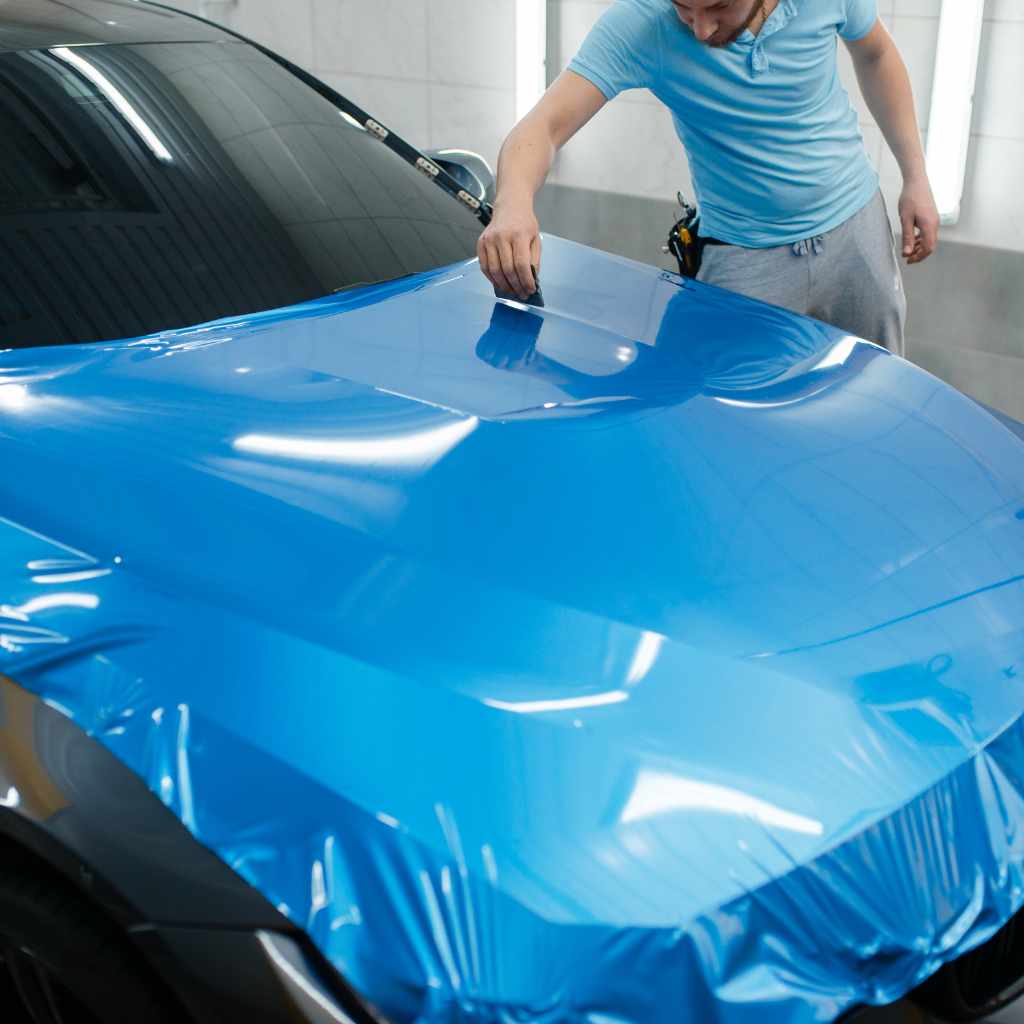
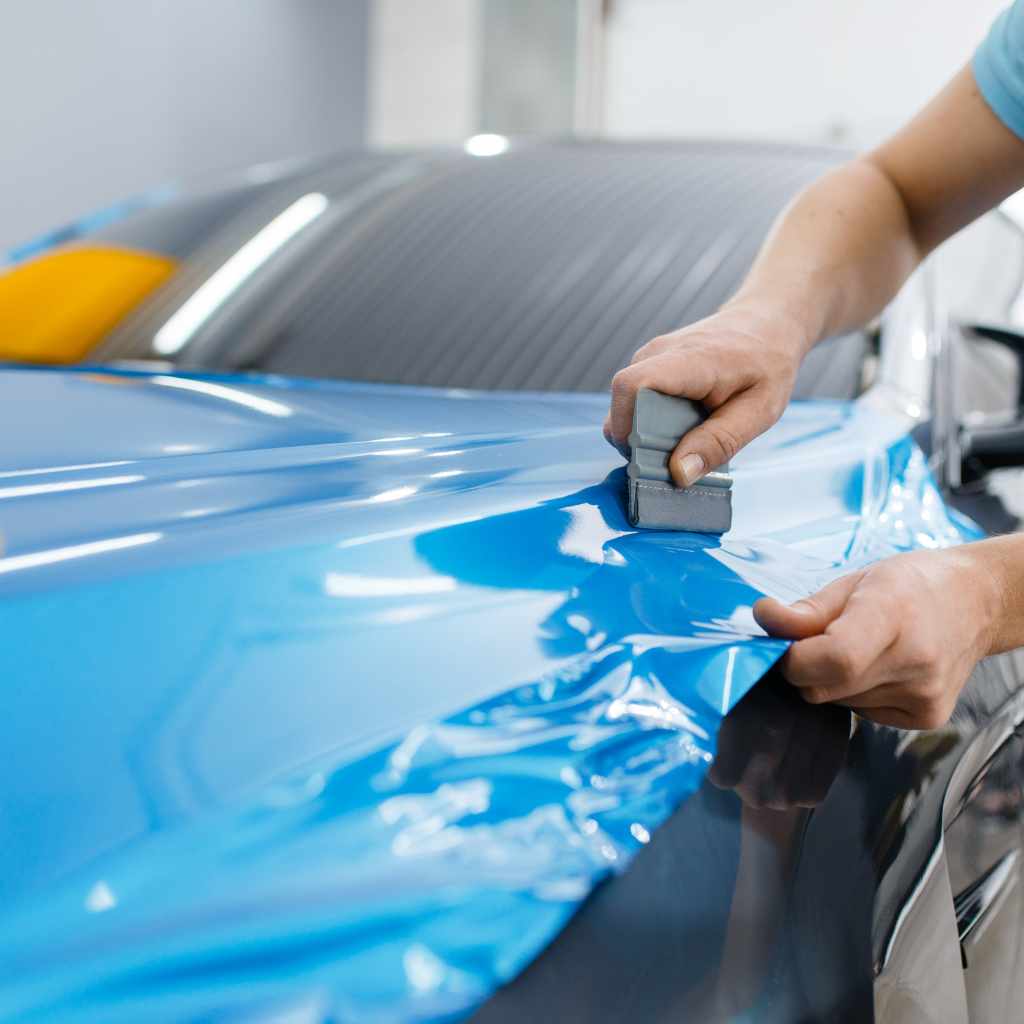
Applying the car wrap is a skilled process requiring patience and attention to detail. Start by carefully positioning the vinyl sheet onto the car’s surface. Use heat from a heat gun to make the vinyl flexible and conform to the contours of the car. Work slowly, applying the wrap in sections to minimize bubbles and wrinkles. Use squeegees to smooth the vinyl and remove any trapped air. Cutting the wrap around edges, corners, and panels precisely is important. Taking these steps leads to a smooth, professional-looking finish and extends the life of the wrap.
Heat Application and Stretching Techniques
Heat is a key part of the wrapping process, making the vinyl pliable and conformable. Using a heat gun, gently apply heat to the vinyl, especially around curves and edges. This activates the adhesive and lets the vinyl stretch and mold to the car’s surface. Stretch the vinyl carefully to ensure it fits the shape without creating tension that could lift the wrap later. Avoid overheating the vinyl, as this can cause it to shrink or damage the paint. Mastering the application of heat and stretching techniques is important for achieving a professional finish.
Post-Wrap Inspection and Finishing Touches
After the wrap is applied, a thorough inspection is important. This involves checking for bubbles, creases, or any areas where the wrap did not adhere properly. Address any issues immediately to prevent them from worsening over time. Cut away any excess vinyl and make sure all the edges are sealed properly. Carefully trimming around door handles, lights, and other features is also important. These finishing steps guarantee a professional, durable finish. This also helps to ensure that the wrap will last and protect your car’s paint.
Choosing the Right Wrap for Chipped Paint
Selecting the right wrap material can greatly impact the final result. Consider the specific needs of your car. Choosing the right material depends on the size and depth of the paint chips. Different materials offer different levels of thickness, flexibility, and opacity. Some wraps can hide imperfections more effectively than others. Selecting a material that balances appearance with durability is the best way to get a quality outcome. You should also think about the cost, the appearance you want, and how long you expect the wrap to last.
Vinyl Wrap Options
Various vinyl wrap options offer different features and benefits, each suited to different needs. Some wraps are made for ease of application. Thicker vinyl wraps can offer better coverage for minor paint imperfections. Consider the type of finish you want, such as matte, gloss, or textured. Textured wraps can also help conceal imperfections. You should also consider the lifespan of the wrap and its durability. The best choice depends on what you want from your wrap and the condition of the paint. Careful selection ensures you get the results you want.
- Cast Vinyl: Flexible and conforms well to curves. This is a great choice for wrapping cars.
- Calendered Vinyl: Less expensive but may not stretch as well. Best for flat surfaces.
- Matte Vinyl: Provides a non-glossy finish, which can hide imperfections.
- Gloss Vinyl: Offers a shiny look, but may highlight imperfections.
- Textured Vinyl: Provides a unique look and can hide minor flaws.
Wrap Color and Finish Considerations
The color and finish of the wrap can have a big effect on how visible paint chips are. Darker colors tend to hide minor imperfections better than lighter colors. A matte or satin finish can also help to disguise flaws by diffusing light, which can hide the damage. Glossy finishes can highlight imperfections. The choice of color should not only match your desired look, but also consider the visibility of any remaining chips. Experimenting with different samples of wrap materials in various lighting conditions can help make the best decision.
Professional vs. DIY Wrapping
You can apply wraps yourself, but this requires skill and patience. DIY wrapping can save money but may not achieve the same quality as professional wrapping. Professionals have experience, the right tools, and knowledge to prepare the surface. They also know how to apply the wrap. DIY wrapping is a good option if you have some experience. You could start with a less visible part of the vehicle. Consider that professional wraps can give you a better appearance. They also come with warranties, which can give you peace of mind. Assess your skill level and budget to decide which option is right for you.
- Cost: Professional wraps are more expensive, but the quality is better.
- Skill: DIY wrapping needs practice, which might take time.
- Tools: Professionals have the right tools to get the best results.
- Warranty: Professional wraps usually come with a warranty.
Frequently Asked Questions
Question: Can I wrap a car if the paint is peeling?
Answer: No, wrapping over peeling paint is not recommended. The wrap will not adhere properly and will likely fail quickly.
Question: Will a wrap fix my car’s chipped paint?
Answer: A wrap will cover chipped paint but won’t repair the damage. The chips may still be visible. Proper surface preparation or repair is needed.
Question: How long does a car wrap last over chipped paint?
Answer: The lifespan of a wrap over chipped paint can vary, but it’s often shorter than a wrap applied to a flawless surface. Expect it to last from a few months to a few years.
Question: Is it possible to wrap a car with rust?
Answer: Wrapping over rust is generally not recommended. Rust can spread under the wrap and cause further damage to the car. The rust needs to be removed first.
Question: What’s the best approach to prepare for wrapping a car with chipped paint?
Answer: Thorough cleaning, chip repair, and priming any exposed metal are the key preparation steps. This will help with adhesion and prolong the wrap’s life.
Final Thoughts
So, Can You Wrap a Car with Chipped Paint? Yes, you can. It’s important to understand how the chips might impact the outcome. A proper assessment of your car’s condition is essential before beginning. Minor chips might be less noticeable, while larger ones could show through. Thorough surface preparation, including cleaning, and chip repair is key for a successful wrap. Choosing the right wrap material, such as thicker vinyl or a matte finish, can also help. Remember that with a little care and preparation, you can transform your car’s look. Start with a careful assessment, prepare the surface well, and select the right materials. This will give you the best chance of a great result!