How Often Should You Service Your Car’s AC? (Recharge Interval)
Most cars need an AC inspection at least once a year — ideally twice, before summer and before winter — but the refrigerant itself should only need recharging every 2-3 years unless a leak drains it faster. Skipping inspections strains the compressor; recharging every year almost always means a leak, not normal wear. This guide covers the real service schedule, recharge-vs-repair signs, real costs, and how to extend your AC’s life.
Quick Answer
Service your car’s AC at least once a year, ideally each spring and fall. The refrigerant itself only needs recharging every 2-3 years in a leak-free system — needing it every year signals a leak, not normal use. Have a mechanic diagnose the cause before adding more refrigerant.
Recommended Service Intervals
Have your car’s AC inspected at least once a year. Many technicians recommend twice a year instead — once in spring before summer’s heat, and once in fall after it. This checkup covers the belts, hoses, cabin air filter, and refrigerant pressure that make up the car’s AC system, and it’s a separate service from recharging the refrigerant itself.
Manufacturer guidance varies by model, so check your owner’s manual for the exact interval. If you drive in extreme heat, use the AC daily, or the system is more than 5-7 years old, lean toward the twice-a-year schedule rather than once.
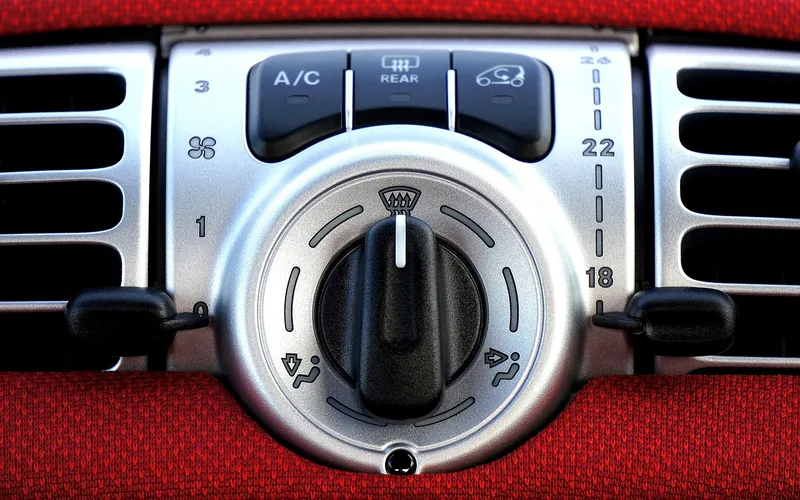
Refrigerant Recharge vs. General AC Service: What’s the Difference?
“Servicing” the AC and “recharging” the AC are not the same thing, and mixing them up is the most common source of confusing advice online. General service is the yearly inspection above. A recharge means adding refrigerant to a system that has lost pressure — and in a healthy system, that should happen far less often.
📊 A well-sealed car AC system loses only about 1-2 ounces of refrigerant per year through normal permeation — enough that most cars won’t need a recharge for 2-3 years, and some well-maintained systems go 10-15 years without one. Needing a recharge annually almost always points to a leak. — Source: NAPA AUTOPRO, 2026
How to Tell If Your Car AC Needs a Recharge or a Repair
A quick checklist can point you in the right direction before you spend money on either service:
- Check how the cooling changed: A gradual fade over weeks usually means low refrigerant. Sudden failure or a strange noise points to a mechanical or electrical fault.
- Compare idle vs. driving: Cooling that’s fine at speed but weak at a stoplight is a classic low-charge symptom, since airflow across the condenser drops at idle.
- Look for oily residue: A/C refrigerant carries oil with it, so a greasy film around hose fittings or the compressor usually marks the leak point.
- Get a professional leak test before recharging: If the system was recharged in the last year and is already warm again, that’s a leak or component failure — not something a second can of refrigerant will fix.
Best AC Recharge Kit Pick
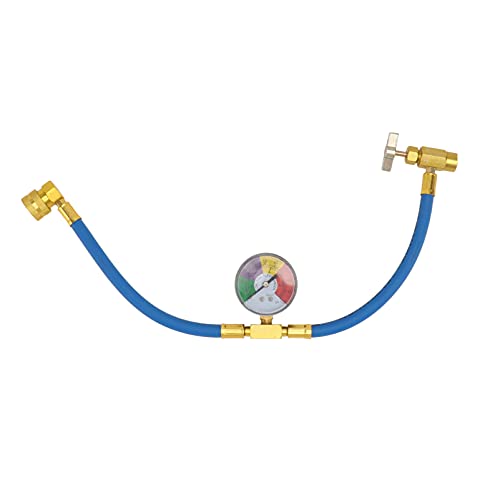
ZeroR R134a AC Recharge Kit, 3-Cans – $49.99
Includes the charging hose this guide’s recharge checklist calls for — but only use it after confirming (via the checklist above) that you’re dealing with normal low charge, not an active leak.
- Best for: topping off a system that’s fading gradually with no other symptoms
- Why we picked it: self-sealing cans plus a hose gauge, so you’re not guessing at pressure
- Main drawback: won’t fix a leak — if it’s low again within a year, you need a repair, not another can
Compare more AC service and diagnostic options
 Option 1 Tellegloww UV Leak Detector Kit – $15.99
|
 Option 2 Activated Carbon Cabin Filter – $8.99
|
 Option 3 R134a Manifold Pressure Gauge – $59.80
|
As an Amazon Associate we earn from qualifying purchases.
Signs Your Car AC Needs Service Now
Don’t wait for the yearly checkup if you notice any of these: weak airflow from the vents, strange odors when the AC first kicks on, unusual rattling or squealing noises, or inconsistent cooling that varies from drive to drive. Any of these can mean a clogged cabin filter, a failing component, or the early stages of a leak — and catching it early is almost always cheaper than waiting.
Factors That Affect How Often You Should Service Your AC
Climate is the biggest factor. In hot, humid regions, the compressor runs harder and longer, so more frequent checks catch wear before it becomes a leak. How much you actually use the AC matters too — a car that runs it daily needs closer attention than one that only needs it a few weeks a year.
Benefits of Regular AC Maintenance
Regular service keeps the system cooling efficiently, extends the life of the compressor and other components, and catches small leaks before they turn into a failed compressor — which is by far the most expensive part to replace. It also helps prevent mold and bacteria buildup in the evaporator, which is the usual source of a musty AC smell.
Servicing Before Seasonal Changes
A pre-summer checkup catches a weak system before you actually need it, and a post-summer inspection catches wear caused by months of heavy use before the parts sit unused all winter. Both visits typically include a refrigerant pressure check, a compressor and belt inspection, and a look at the condenser for debris buildup.
How Much Does Car AC Service Cost?
📊 An AC diagnostic typically runs $122-$179 (many shops credit this toward the repair if you proceed), a refrigerant recharge alone runs about $150-$350, and a combined inspection-and-recharge visit averages $400-$500 — cost depends heavily on whether your car uses R-134a or the newer, pricier R-1234yf refrigerant. — Source: ConsumerAffairs, 2026
Skipping the diagnostic and going straight to a recharge is a common way to waste money — if there’s a leak, the refrigerant escapes within weeks and you’ll pay for the repair anyway, on top of the wasted recharge.
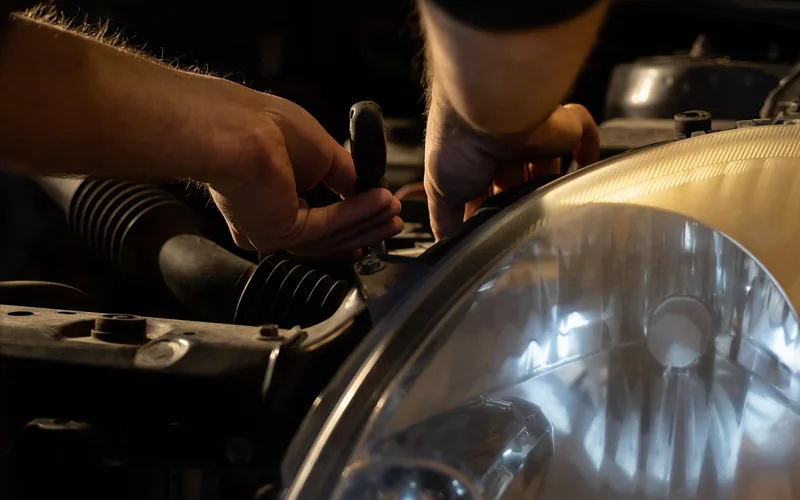
DIY vs. Professional AC Service
Topping off refrigerant with a self-sealing can, like the checklist above covers, is realistic for a DIYer with basic tools. Recharging it yourself is fine for a system that’s fading gradually with no other symptoms. But diagnosing a leak, replacing a compressor, or recovering and disposing of refrigerant legally requires equipment and EPA certification most DIYers don’t have — that’s a job for a professional.
Per NAPA AUTOPRO’s AC diagnostic guidance: cooling that fades gradually but still works fine at highway speed usually points to a low charge, while cooling that fails suddenly, gets worse right after a recharge, or is already warm again within a year means a leak or component failure — and no amount of added refrigerant fixes that.
How to Extend the Life of Your Car AC
Run the AC for a few minutes at least once a week, even in winter, to keep the compressor’s seals lubricated — a compressor that sits idle for months is more likely to develop a leak. Replace the cabin air filter on schedule, check for leaks at the first sign of weak cooling, and confirm the compressor has the oil it needs during every recharge, since refrigerant and compressor oil circulate together.
Troubleshooting Common AC Issues
Reduced cooling: Check the cabin air filter first — a clogged one restricts airflow more often than people expect. If the filter is clean, low refrigerant or a dirty condenser are the next most likely causes.
Strange noises: Rattling or banging usually means a loose or damaged component. Squealing or grinding often points to a worn belt or a failing compressor. If your AC stopped cooling entirely rather than just getting weaker, see this guide on why your AC stopped working for the full list of causes.
Frequently Asked Questions
How Often Should You Service the AC in Your Car?
At least once a year, and ideally twice — once in spring before summer and once in fall after it. This yearly inspection covers belts, hoses, and refrigerant pressure, and is separate from recharging the refrigerant itself.
Do Car Air Conditioners Need Servicing?
Yes. Regular servicing catches small issues, like a slow leak or a worn belt, before they turn into an expensive compressor failure, and it keeps the system cooling efficiently year-round.
How Long Does Car Air Conditioning Last?
A well-maintained car AC system can last well over a decade. Individual parts like the compressor typically last 8-12 years, but regular servicing and prompt leak repairs are what actually determine how long the whole system holds up.
How Often Should You Recharge Your Car’s AC Refrigerant?
Every 2-3 years in a system with no leaks, since normal permeation only loses about 1-2 ounces a year. Some well-sealed systems go 10-15 years without a recharge. If your AC needs a recharge every year, that’s a sign of a leak — not something to fix by simply adding more refrigerant again.
How Do You Know If Your Car AC Needs a Recharge or a Repair?
A gradual fade in cooling that’s still fine at highway speed usually means low refrigerant. Sudden failure, unusual noises, oily residue near fittings, or cooling that goes warm again shortly after a recharge all point to a leak or component failure that needs repair, not more refrigerant.
How Much Does It Cost to Service a Car’s AC?
An AC diagnostic typically costs $122-$179, a refrigerant recharge alone runs about $150-$350, and a combined inspection-and-recharge visit averages $400-$500. Newer cars using R-1234yf refrigerant usually cost more to service than older R-134a systems.
How Often Should You Replace Your Cabin Air Filter?
Every 15,000-30,000 miles, or about once a year for most drivers, whichever comes first. A clogged cabin filter is one of the most common — and cheapest to fix — causes of weak AC airflow.
Conclusion
Schedule an AC inspection at least once a year, twice if you use it heavily or live somewhere hot — but only recharge the refrigerant when a real diagnostic shows it’s actually low, not on a fixed yearly schedule. Treating the two as separate services, rather than one vague “AC maintenance” task, is what keeps small problems from turning into a failed compressor.
Products related to this article
Sponsored / affiliate links. As an Amazon Associate I earn from qualifying purchases. I may earn additional commission from eligible campaigns.