Car Seat Covers Cost
Car seat covers usually cost $20 to $200 per row, but total cost often rises to $60 to $400 once custom fit, tools, and professional installation are included. Buy the wrong size and you can lose seat-function access, waste labor, or replace a cover that sags, tears, or shifts within months. This guide breaks down price tiers, fit types, install costs, and the replacement risks that change what you really pay.
Price tiers by fit and how coverage size changes the total
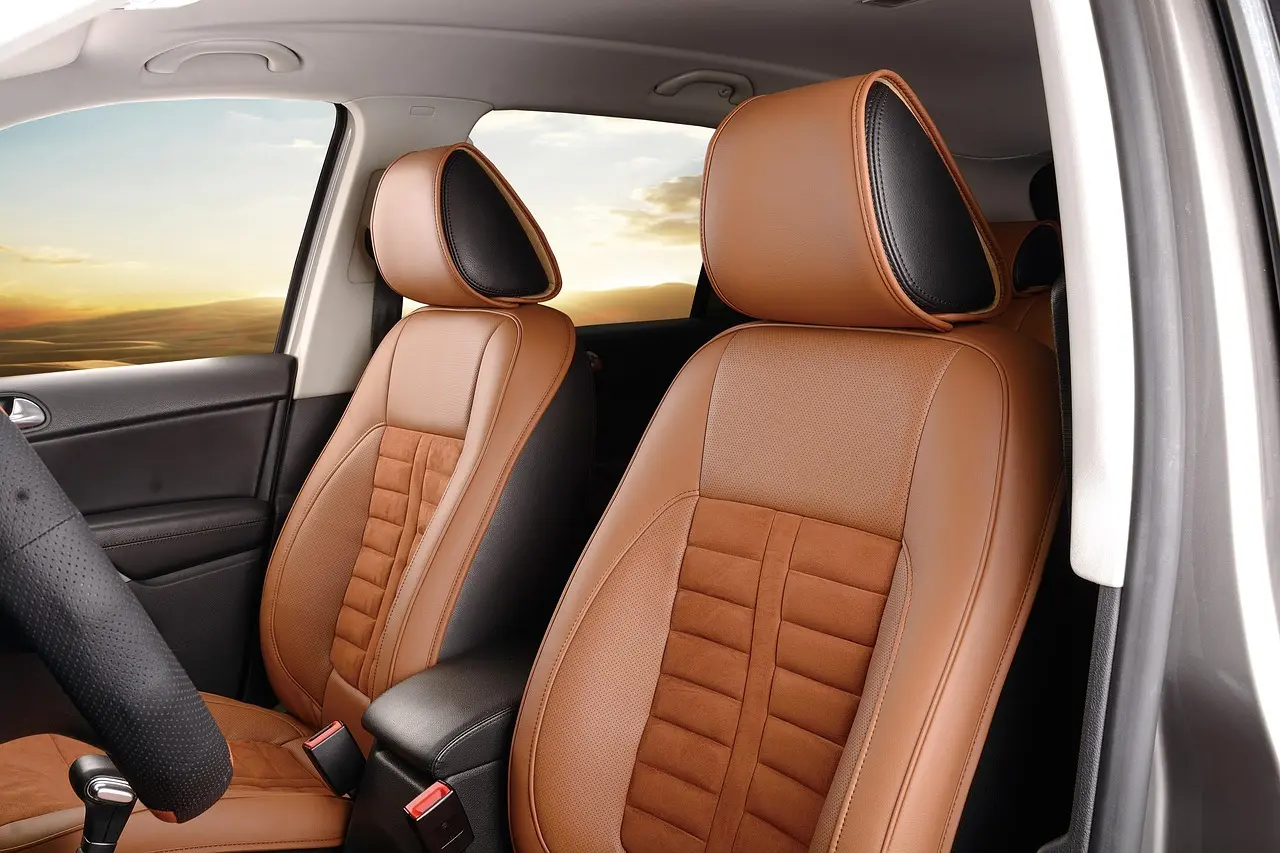


Price ranges by fit level
Universal-fit covers sit at the lowest end because they are built around broad seat shapes and sold per seat or per set. Semi-custom covers cost more because they follow common seat layouts more closely. Custom-fit covers are the highest tier, especially when the product is ordered for a specific year, make, and model.
At the low end, complete sets can cost as little as $30. A budget pick was priced at $30 at Amazon, and a value pick was priced at $35 at the time of writing. A featured faux-leather set was listed at $95 after discount, while a sweatproof cover was priced at $49.
Front seats vs full row
Pricing changes fast when coverage expands. A pair of front buckets is cheaper than a full rear bench or a full vehicle set, and bundles may include headrest covers or even extras such as floor mats. Universal sets may include four rubber floor mats, which can make a bundle look cheaper than buying each item separately.
For shoppers comparing total outlay, the safer comparison is price per row. That keeps front-seat pricing separate from rear-seat or full-set pricing, and it makes it easier to compare a basic two-seat purchase with a full-row or full-vehicle package.
What changes the total
The sticker price is only one part of car seat covers cost. Fit complexity, side-airbag compatibility, cleaning needs, and the chance of early replacement all change the real spend. A low-price cover that slips or blocks seat functions can cost more than a better-made cover that lasts longer and needs less adjustment.
What do car seat covers cost by material?
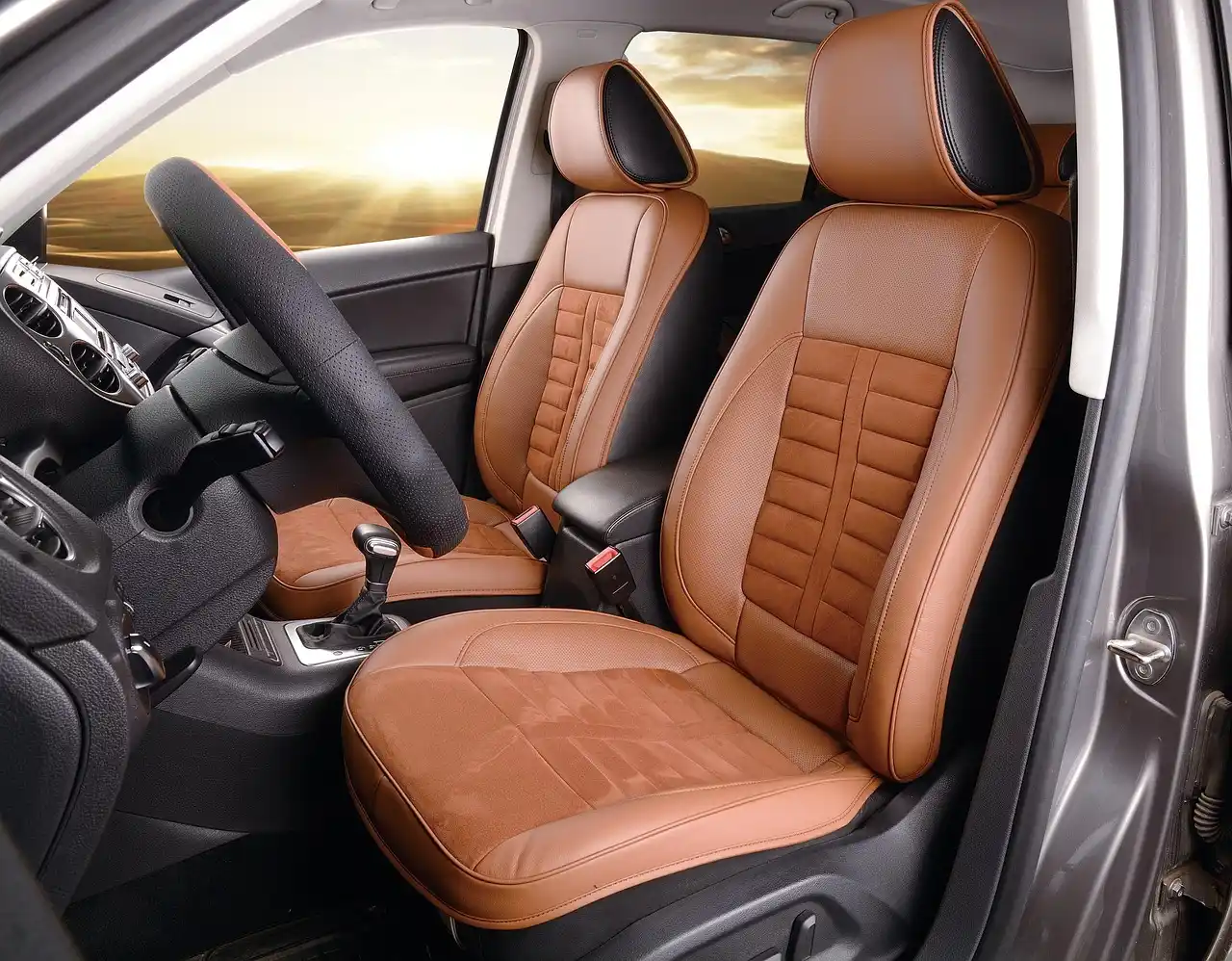
Material choice changes the purchase price and the upkeep cost. Polyester and other basic fabric covers tend to be the least expensive. Neoprene sits in the middle, especially for sweat and spill resistance. Leatherette, faux leather, and genuine leather cost more and usually carry higher expectations for fit, finish, and cleaning.
Polyester and fabric options
Polyester is common in universal-fit products because it keeps pricing low. CostHelper lists universal-fit covers at $10-$70 each, which fits the budget end of the market. These covers are often sold as simple front-seat pieces or basic sets, and they can work for drivers who only need light protection from wear or dust.
The tradeoff is fit. Universal covers are more likely to wrinkle, shift, or leave gaps around the seat base, headrest, and armrest openings. That can raise return risk if the seat has unusual bolsters, split backs, or built-in airbags.
Neoprene pricing
Neoprene is a common pick for sweat, spills, and active use because it resists water better than many basic fabrics. A sweatproof cover was priced at $49, which shows where some mid-range products land. Breathable versions exist, and those can help reduce heat buildup compared with thicker sealed materials.
For drivers who want better spill resistance without moving to leather-look pricing, neoprene often sits in the practical middle. It is not the cheapest option, but it can lower cleaning frequency and reduce the chance of staining from gym clothes, drinks, or damp gear.
Leatherette, faux leather, and genuine leather
Leatherette and faux leather usually cost more than basic fabric because they deliver a smoother look and easier wipe-down cleaning. A featured faux-leather set was listed at $95 after discount. That is still below many custom leather options, but it is far above the cheapest universal sets.
Genuine leather sits at the top of the price ladder. A custom leather bucket seat cover was listed at $500 each. Buyers should expect premium pricing, more maintenance, and a stronger preference for custom-fit ordering. For leather seat cover cost, that is the part of the market where labor and fit matter most.
Universal, semi-custom, or custom fit?
The fit tier often matters as much as the material. Universal covers are cheapest, semi-custom covers fit better than universal, and custom covers cost the most while tracking a specific vehicle more closely. Side-airbag compatibility is especially important in higher-fit products, where the seam placement must allow deployment.
Universal-fit seat covers
Universal-fit seat covers are the lowest-cost tier. They are usually priced per seat or per set and are the easiest to find in polyester or simulated leather. The same source lists universal-fit covers at $10-$70 each, which explains why they are common in budget purchases and quick replacements.
The downside is predictable: fit issues. Universal covers may sag at the corners, slip on smooth seats, or block access to split benches, folding seats, armrests, and headrests. A cheap cover that does not stay in place can need replacement sooner than a better-fitting model.
Semi-custom seat covers
Semi-custom covers are made for similar seat styles rather than one exact vehicle. The same source lists semi-custom covers at $100-$300+ per row. That range usually buys better contouring, fewer wrinkles, and a lower chance of loose fabric around the seatback or cushion.
For many buyers, semi-custom is the practical middle ground. It costs more than universal fit, but it usually avoids some of the trim issues that show up on full custom orders. It is often the first place to look when the seat has airbags, armrests, or an odd rear bench split.
Custom-fit seat covers
Custom-fit covers are the highest price tier. The same source lists custom fit covers at $200-$1,000+ per row. They are made to specific year, make, and model details, and some sellers will ask for seat configuration details before ordering. That extra precision is why the price rises.
Custom fit makes the most sense when the vehicle has side airbags, complex seat controls, split rear benches, or a premium interior that should keep a tight look. It also reduces the odds of returns caused by wrong sizing, which matters when labor has already been paid.
What does installation add?
Installation can add a small amount or a lot, depending on how tight the seat is, whether the headrests come off, and whether the installer has to work around seat controls or damaged trim. The same source says installation can cost $100-$800 or more, which makes labor a real part of car seat cover cost.
DIY installation costs
DIY is the cheapest route, but “cheap” does not mean free. Time, basic tools, and a careful fit check still matter. Headrest removal is common, and some seats require access under the cushion or behind the backrest to secure straps and hooks correctly.
A common first-timer mistake is buying a universal front-seat set for a vehicle with deep side bolsters and then spending extra time trying to stop the cover from creeping upward. If the seat has a sharp fold line or airbag seam, the wrong cover can look fine for a day and then start shifting every time the driver enters.
Shop labor and seat removal
Professional installation can be worth it when the cover is tight, the seat is complex, or the owner wants a cleaner finish. Shop labor often rises when seats must be removed, when airbag connectors need careful handling, or when the cover has to be stretched tightly around an unusual shape.
Seat-spring repair can add to the bill if a worn seat bottom needs extra support before the cover goes on. That is one reason the final invoice can exceed the price of the cover itself, especially on older vehicles or work trucks with tired cushions.
Extra work for damaged seats
Damaged foam, torn upholstery, or broken clips can turn a simple install into a larger job. In those cases, a low-cost cover may not sit flat even after careful fitting. Paying for patch work or support repairs first can improve the final fit and reduce the chance of early wear.
Car seat cover cost breakdown table
Use this table as a first-year budget model, not as a fixed quote. It separates product price, installation, cleaning, and replacement risk so you can compare the real cost of owning the cover, not only the purchase price.
| Buyer profile | Product price range | Install cost range | Cleaning cost estimate | Expected replacement horizon | Cheapest acceptable material and fit level |
|---|---|---|---|---|---|
| Budget commuter | $30-$70 | $0-$50 | $10-$40 | 1-2 years | Polyester, universal-fit |
| Sweaty gym commuter | $49-$120 | $0-$75 | $20-$60 | 2-3 years | Neoprene, semi-custom if available |
| Pet owner | $40-$140 | $0-$75 | $30-$80 | 1-3 years | Heavy-duty polyester or neoprene, semi-custom |
| Family with spills | $60-$180 | $25-$100 | $30-$90 | 2-4 years | Neoprene or leatherette, semi-custom or custom-fit for rear bench |
| Premium leather-look upgrader | $95-$500+ per seat | $100-$800+ | $20-$70 | 3-5 years | Leatherette or genuine leather, custom-fit |
For the budget commuter, the cheapest acceptable route is usually a basic polyester universal cover. For the sweaty gym commuter, neoprene is the lowest-cost material that still addresses moisture well. For the premium leather-look upgrader, genuine leather or a high-grade faux-leather custom fit is the minimum if appearance is the main goal.
What affects price and fitment?
Price and fit are tied together. Side airbags, headrests, armrests, split benches, and folding rear seats can all change the pattern, the labor, and the return risk. A cover that ignores those details may be cheap upfront and expensive later.
Side-airbag compatibility
Side-airbag compatibility is not optional. A cover must not obstruct deployment, and many custom-fit products mention this in the listing. If the seat has side airbags, the buyer should check that the seam or opening is designed for that feature before ordering.
That matters because an airbag-compatible cover can cost more than a basic universal set, but the wrong choice can create a safety problem and a return headache at the same time.
Headrests, armrests, and split benches
Headrests often require separate pieces or removal during install. Armrests can create tight corners that universal covers do not handle well. Split benches and folding seats add more complexity because the cover has to allow movement without bunching up or trapping the seatback in place.
Suppose a rear bench folds in 60/40 sections and the cover is made for a flat bench. The result is often poor access, shifting fabric, and more cleaning because crumbs and spills collect at the edges where the fit is weakest.
Coverage scope and bundle contents
Full set pricing depends on whether the seller means front seats only, a full row, or a full vehicle package. Some bundles include headrest covers, and some universal sets include four rubber floor mats. That extra content can change the apparent deal without changing the seat-cover quality itself.
One dog bench cover was priced at €62.40, and a rear seat hammock was priced at €86.40. Those examples show how pet-focused products can sit in the same market as traditional seat covers while serving a different use case and coverage shape.
Frequently asked questions
How much does car seat cover cost?
Universal-fit products are the least expensive, while custom-fit and leather-look options push the total upward fast.
Are car seat covers worth it?
They are worth it when the goal is to protect original upholstery from spills, stains, pet hair, UV, and wear. They make less sense if the wrong fit blocks seat functions or if a cheap cover will need early replacement after slipping or tearing.
How much does it cost to change car seat covers?
Changing covers can be almost free if you do it yourself, or it can add $100-$800 or more if a shop installs them. The total rises with headrest removal, tight seat shapes, airbag compatibility, and any repair work needed before installation.
How much do Katzkin car seat covers cost?
Katzkin-style custom leather pricing usually sits in the premium tier because these are custom-fit leather conversions rather than simple universal covers. A listed custom leather bucket seat cover was priced at $500 each, which shows how quickly leather and custom fit can raise the bill.
Which seat cover is best for car?
The best seat cover depends on the use case. Neoprene fits sweat and spill needs, leatherette works for an easier-clean look, and custom-fit options are the safer choice for vehicles with airbags, split benches, or a premium interior that needs a tighter finish.
Who sells the best car seat covers?
There is no single best seller for every buyer. The better choice is the one that matches your seat type, airbag layout, and budget. A low-cost universal set can be fine for a commuter, while a custom supplier is a better match for a complex vehicle.
Products related to this article
Sponsored / affiliate links. As an Amazon Associate I earn from qualifying purchases. I may earn additional commission from eligible campaigns.
 FLORICH Leather Seat Cover, Car Seat Covers Front Set, Waterproof Car Seat Protectors, Front Seat Covers 2 Pack, Breathable Automotive Seat Covers Protector Fit for Most Cars Trucks SUV
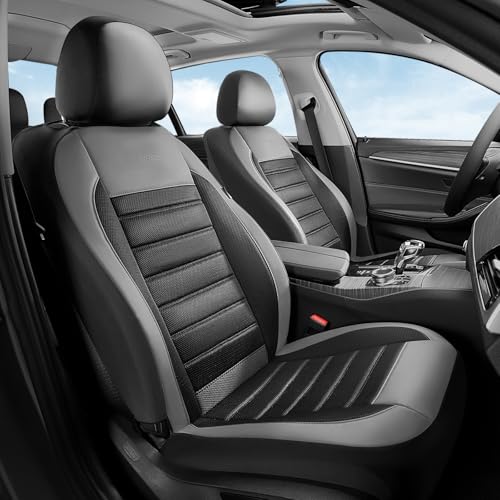 Coverado Car Seat Covers Front Seats, Luxury Leather Car Seat Covers, Automotive Mesh Seat Covers 2 Pack, Airbag-Compatible, Black Gray Seat Covers for SUV Sedan Truck