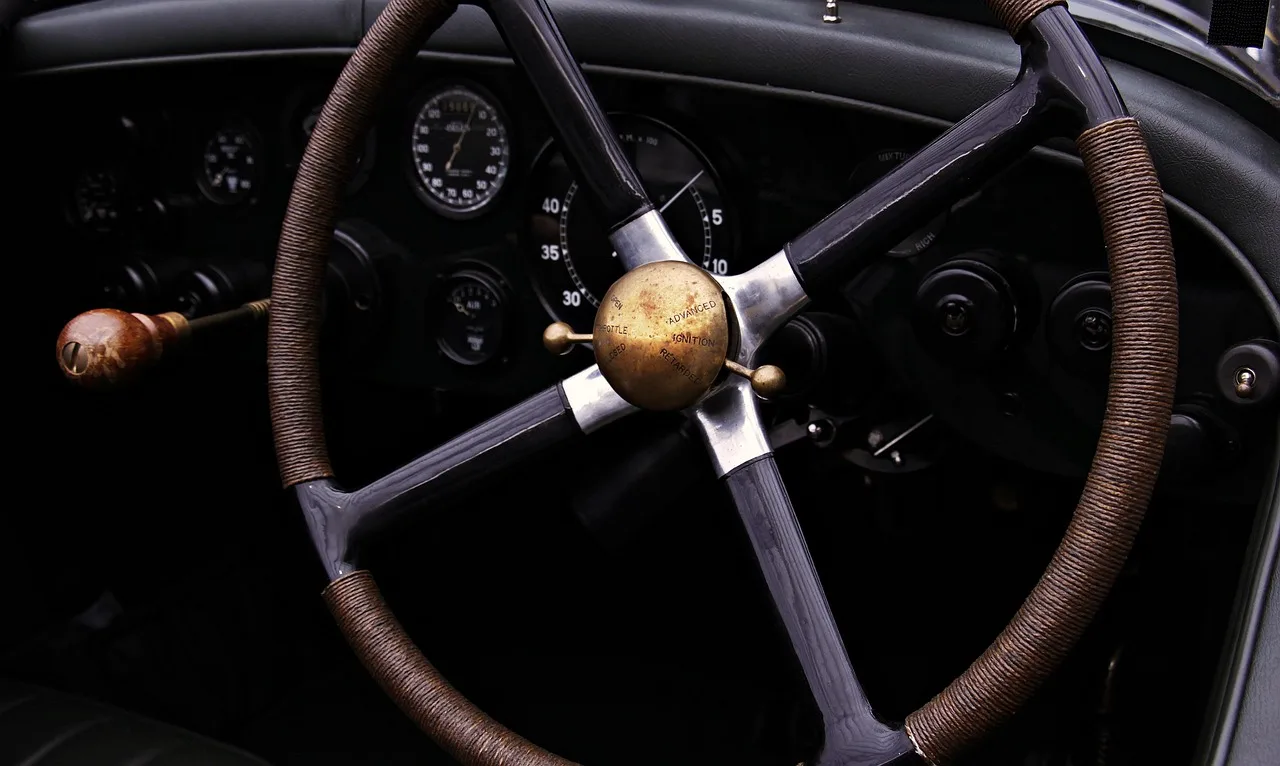
Steering Wheel Cover vs Steering Wheel Wrap: Fit Guide
A steering wheel cover goes on faster and comes off faster, but a stitched wrap usually fits tighter, feels more direct, and is less likely to slip if the wheel size is correct. A loose cover can rotate, hide wear, or interfere with airbag-safe grip zones, while a bad wrap fit can leave gaps and fray. Here’s how cover and wrap compare on fit, steering feedback, safety, install effort, and what each one does to a worn wheel.
This guide is part of our Car exterior accessories guide series.
Steering wheel cover vs steering wheel wrap: the core trade-off
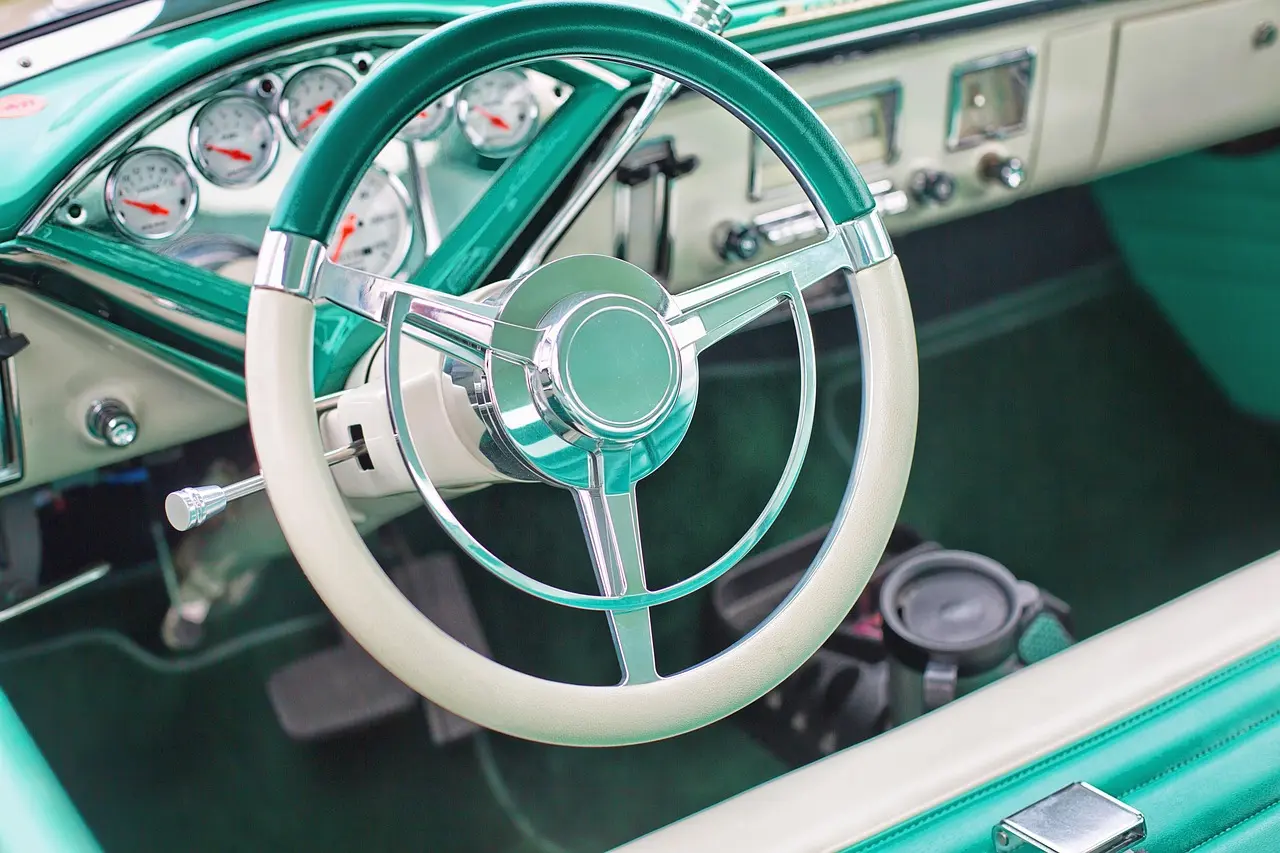


A steering wheel cover is a slip-on layer that goes over the rim. A steering wheel wrap often uses stitched, laced, or adhesive-backed sections that sit closer to the original rim. In general, covers favor quick installation and easy removal, while wraps can give a tighter, more custom hand feel when the sizing is right.
That matters because a steering wheel is the part the driver manipulates in the steering system, and the steering system converts steering-wheel rotation into wheel swivel. In most modern land vehicles, small changes at the wheel still affect the feel at the tires. A 15 in. steering wheel can travel nearly 16 ft over four turns lock to lock, while the road wheel edge moves only slightly more than 12 in. in that comparison. Fit and thickness changes are not cosmetic details. (howacarworks.com)
| Decision factor | Steering Wheel Cover | Steering Wheel Wrap | Winner |
|---|---|---|---|
| Fit to wheel diameter | Depends on size match; slip-on fit can feel loose if the diameter is off | Usually closer to the rim and more tailored when installed correctly | Steering Wheel Wrap |
| Steering feedback | Adds more bulk and can soften feel | Usually preserves a more direct rim feel | Steering Wheel Wrap |
| Install effort | Quick stretch-on fit, often tool-free | More labor, more patience, and often tools or careful stitching | Steering Wheel Cover |
| Protection of worn rim | Covers the full rim and shields against UV, dirt, oils, and wear | Targets hand zones more than the full wheel | Steering Wheel Cover |
| Failure risk | Can slip, rotate, or bunch if sizing is poor | Can fray or gap if stitching or adhesive is poor | Tie |
Fit to wheel diameter
A cover wins on speed, but a wrap wins on precision. Steering wheel diameter must match accessory sizing, and common passenger-car sizes vary by model. Measure across the outer rim, not across the center hub, because a small sizing miss can create movement, wrinkles, or a loose rim feel.
Suppose a driver buys a cover for a 15 in. wheel but the fit is only approximate. The cover can shift during parking maneuvers, which is exactly when power-assisted steering reduces effort and the wheel is easiest to turn. That extra movement is not harmless when the grip is supposed to stay predictable.
Steering feedback and wheel thickness
Wheel thickness changes hand feel. A thick cover may help a driver with larger hands fill the palm, while a thin wrap often preserves more of the factory rim shape for smaller hands and anyone who wants sharper feedback. The original wheel thickness matters, especially on a slim factory rim or a wheel that already feels bulky.
Modern cars can use electric power steering, and many also use rack-and-pinion steering. Those systems are already tuned for low effort, so adding too much bulk can make the wheel feel numb instead of controlled. A well-fitted wrap usually adds less perceived thickness than a full slip-on cover.
Install time and skill
Covers are easier. Most stretch on by hand, and you do not need much beyond lining up the rim. Wraps ask for more attention: stitching, lacing, or adhesive-backed sections can take longer and punish rushed work with visible gaps or uneven tension.
That install gap matters for first-time buyers. If you want the wheel protected before a long commute or a heat wave, a cover gets there faster. If you want a tighter, more factory-like result and you are willing to spend more time on fit, the wrap has the edge.
Durability and failure points
Covers usually fail by loosening, rotating, or trapping grit under the rim. Wraps usually fail at seams, stitching, or adhesive edges. Both can wear out, but they fail in different ways, which means the best choice depends on whether you value removal speed or long-term edge control.
Common grip materials include leather, synthetic leather, silicone, neoprene, suede, faux fur, and fabric. Leather and synthetic leather often wear more cleanly than plush fabrics, while suede can offer strong grip but may need more care. Faux fur feels soft, but it adds bulk and can turn clumsy in hot weather.
Protection and temperature comfort
A cover protects the whole wheel. That makes it useful when the original rim is faded, dirty, cracked, or sticky from age. It also helps against UV, oils, and daily grime. A wrap protects the hand zones more than the entire wheel, so it is better for grip than for full-rim recovery.
For climate, both can help. A cover or wrap can reduce how hot bare leather feels in sun, and neoprene or fabric can feel less harsh in cold weather. Still, heat insulation and sweat resistance differ by material, so the best option for a parked-in-sun car is not the same as the best option for a winter commuter.
📊 A 15 in. steering wheel can travel nearly 16 ft over four turns lock to lock. Source: How the steering system works.
How do I choose the right size steering wheel cover?
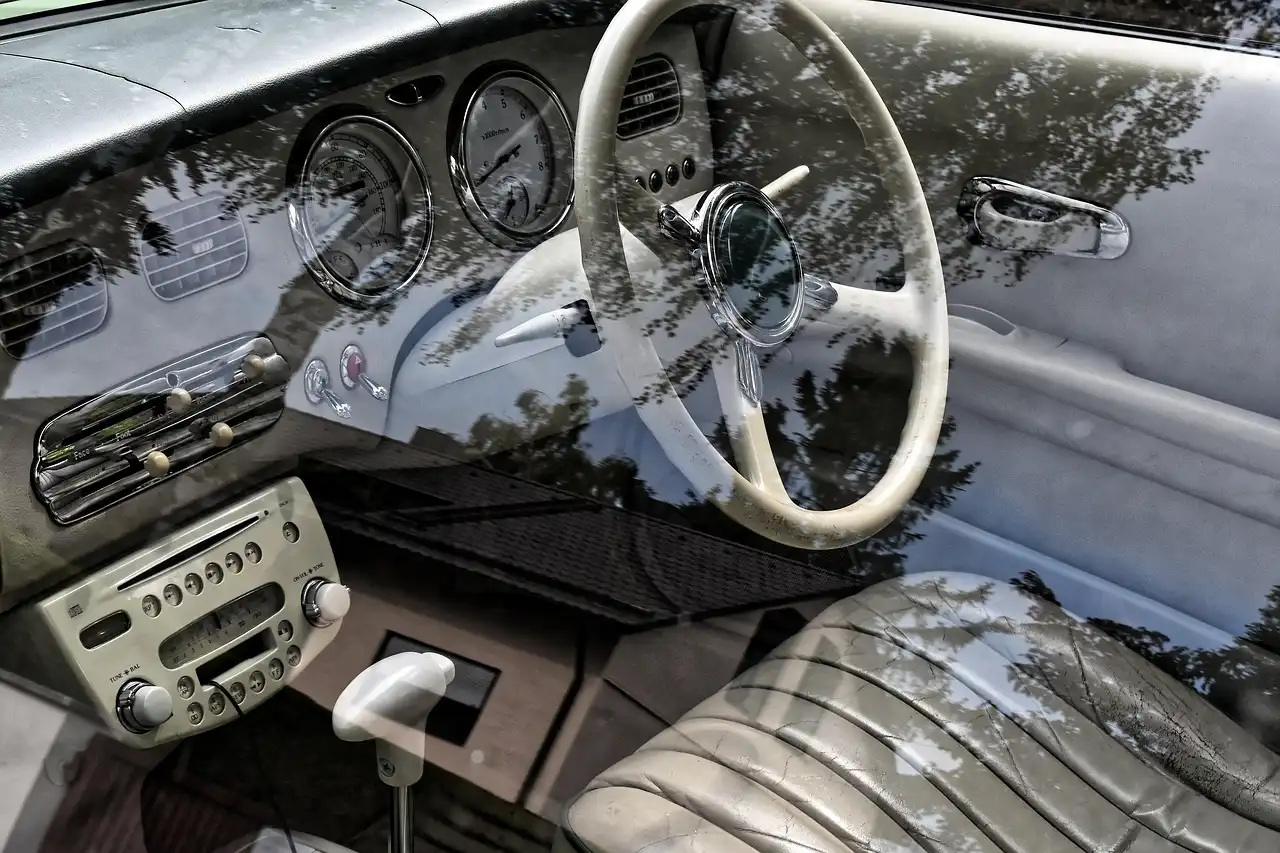
Choose size by measuring wheel diameter and checking rim thickness together. A cover that matches diameter but ignores thickness can still fit badly, and a loose fit is a safety problem, not a comfort issue. If the wheel feels thick already, start by favoring a slimmer cover or a wrap.
Hand size matters too. Smaller hands often do better with less added bulk because they need a consistent reach around the rim. Larger hands may prefer more diameter in the grip surface, but only if the added thickness does not reduce steering precision or block easy access to buttons.
Measure steering wheel diameter correctly
- Measure straight across the outer rim from one side to the opposite side.
- Check the rim thickness where your hands sit most often.
- Compare both figures with the accessory size listed by the maker.
- Reject any fit that needs forced stretching beyond a snug, even hold.
Do not judge size by appearance alone. A wheel that looks standard can still vary enough to make a slip-on cover feel loose or overly tight. Fit should stay stable through cornering, parking, and one-handed adjustments.
Match fit to the factory wheel condition
Original wheel condition changes the choice. If the factory leather is cracked, slippery, or worn shiny, a full-rim cover helps hide damage and restore grip. If the original wheel is still in good shape, a wrap may be the cleaner option because it adds less bulk and keeps more of the factory feel.
A common first-timer mistake is buying for appearance and ignoring wear. Say your wheel is slightly slick from aged leather and your hands slip during slow turns. A snug wrap or a well-sized cover with a grippy material solves that better than a decorative sleeve with loose seams.
Which material is best for grip and climate?
No single material wins everywhere. Leather and synthetic leather usually give the broadest all-season balance, silicone can add tacky grip, neoprene helps in cold conditions, and suede can offer precise hand placement with strong dry grip. The right pick depends on heat, sweat, and how much texture you want under your palms.
Leather and synthetic leather
Leather usually feels familiar and holds up well if maintained. Synthetic leather is common because it can be easier to clean and can cost less while still giving a firm surface. Both work well for drivers who want a controlled feel without the high bulk of plush materials.
Silicone and neoprene
Silicone often gives the strongest tacky grip. That can help when hands sweat, but the feel may be too sticky for some drivers. Neoprene is useful in colder weather because it can feel less harsh to the touch and offers some heat insulation when the cabin is cold.
Suede, fabric, and faux fur
Suede can feel precise and grippy, especially for drivers who want a performance-leaning hand surface. Fabric helps with texture but can absorb dirt and oils faster. Faux fur is mostly about softness, not control, so it makes more sense in a low-demand vehicle than in a daily driver that sees frequent steering input.
How installation differs by cover and wrap
Installation method changes both the result and the risk. Stretch-on covers are quick and simple, while laced, stitched, or adhesive-backed wraps need more patience to avoid wrinkles and uneven tension. A better fit usually takes more work.
Stretch-on installation
Stretch-on covers are often the quickest option. They rely on tension around the rim and typically need no tools. The downside is that size mismatch shows up quickly, especially on wheels with odd thickness or a worn surface underneath.
Laced and stitched installation
Laced and stitched wraps take longer, but they can sit much closer to the original wheel. The result usually feels more factory-like when done well. The trade-off is labor: uneven lacing can create pressure points, open seams, or a lumpy hand path.
Adhesive-backed wrap sections
Adhesive-backed sections are usually aimed at partial-rim grip zones. They can work well where hands rest most often, but adhesion quality matters. If edges lift, the wrap can catch skin or clothing and start to wear early.
Tools, time, and skill level
Most covers ask for little more than alignment and firm pressure. Most wraps ask for time, thread control, and enough patience to keep each section even. If install skill is limited, a cover is the safer starting point; if precision matters more, a wrap is worth the extra effort.
Are steering wheel covers safe if they fit loosely?

No. A loose cover is usually a poor fit, because it can slip, rotate, or bunch under your hands during steering. Predictable control matters more than style or quick installation, and a cover that moves on the rim can interrupt that control when you need it most.
Loose fit can also interfere with buttons, seams, or airbag-safe grip zones on some wheels. Wraps are not immune either. Bad seam placement, gaps, or over-tight stitching can create uneven feedback and wear points that change how the wheel responds in use.
Loose fit risks and slippage
The biggest risk is loss of consistency. If the wheel feels different every time you turn it, confidence drops. In parking lots and slow turns, where power-assisted steering reduces effort, a slippery rim becomes more noticeable because small inputs matter more.
Seam wear and partial coverage
Wraps can wear at the seam first because that is where tension concentrates. Partial coverage also leaves parts of the original rim exposed, which is fine for grip zones but less useful if the goal is to protect a cracked or sun-damaged wheel.
Airbag, buttons, and control interference
Any accessory should leave controls usable and should not block critical wheel features. A thick cover can crowd thumb controls, and a badly placed wrap section can make it harder to locate buttons by feel. The safer choice is the one that keeps the rim shape predictable and the control layout clear.
Decision matrix: which option fits your use case?
This matrix ties the choice to actual fit, not style. Wheel diameter, original rim condition, hand size, climate, install skill, and desired grip level all matter. Use the row that matches the weakest point in your current wheel setup.
| Use case | Wheel diameter / rim condition | Hand size / grip need | Climate / install skill | Recommendation |
|---|---|---|---|---|
| Daily commute, parked in sun | Standard diameter, rim still sound | Any hand size, moderate grip | Hot sun, low install skill | Steering Wheel Cover |
| Cold-weather driving | Any common diameter, rim feels cold or hard | Large or small hands, comfort first | Cold cabin, easy install preferred | Steering Wheel Cover |
| Aging original leather | Worn, shiny, cracked, or slippery rim | Need firmer hold and better texture | Moderate patience, any skill level | Steering Wheel Cover |
| Performance-focused steering feel | Correct diameter, sound factory wheel | Small or precise hand placement | Higher install skill, more patience | Steering Wheel Wrap |
| High grip, custom fit, less bulk | Measured diameter, thickness already close | Need direct feel more than padding | Willing to stitch or lace carefully | Steering Wheel Wrap |
Say your car sits outside in summer, the wheel gets hot, and the original leather is still intact. A cover in leather or synthetic leather makes sense because it protects the whole rim and is easy to remove later. Suppose the wheel is already worn and the driver wants a firmer, thinner feel; a wrap is the better match if the install time is acceptable.
Choose Steering Wheel Cover if… / Choose Steering Wheel Wrap if…
Choose a steering wheel cover if you want fast installation, full-rim protection, and easier removal. It is the better call for a worn, dirty, or sun-faded wheel, and for drivers who want a practical fix with minimal install skill. Choose a steering wheel wrap if you want tighter fit, targeted grip zones, and a more tailored hand feel.
Choose a cover if the goal is comfort, quick protection, or a simple seasonal change. Choose a wrap if the goal is closer steering feedback, less added bulk, and a more factory-like result on a wheel whose size and condition are already known.
Frequently asked questions
Steering wheel cover vs steering wheel wrap: which is better?
Neither is better in every case. A cover is better for quick installation, full-rim protection, and easy removal. A wrap is better when you want a tighter fit, a more direct feel, and targeted grip zones. The right answer depends on wheel diameter, rim thickness, and how much install work you will accept.
How to fit a steering wheel cover?
Measure the wheel diameter across the outer rim and check rim thickness before you buy. Stretch the cover on gradually, align the seam, and make sure it sits evenly with no rotation or bunching. If it needs force to stay in place, the fit is wrong and should be corrected before driving.
What is the difference between a steering wheel cover and wrap?
A steering wheel cover is usually a full-rim slip-on layer. A steering wheel wrap is usually stitched, laced, or adhesive-backed and sits closer to the original wheel. The cover is simpler and faster, while the wrap is more labor-intensive but can feel tighter and more controlled.
Are steering wheel covers safe if they fit loosely?
No. A loose cover can slip, rotate, or bunch under steering input, which makes the wheel feel less predictable. That can interfere with control and may also crowd buttons or grip zones. A safe fit should stay fixed through turning, parking, and low-speed maneuvers.
Which material is best for a steering wheel cover?
Leather and synthetic leather are the most versatile choices for many drivers. Silicone gives stronger tacky grip, neoprene helps in cold weather, suede offers precise feel, and fabric or faux fur are more about comfort than control. Pick the material that matches sweat, heat, cold, and rim condition.
Is a wrap or cover better for hot weather?
For hot weather, a cover is usually better if the goal is full-rim heat protection and UV shielding. A wrap can still improve grip in sweaty conditions, especially with silicone or suede sections, but it does not cover the entire wheel. If the wheel sits in sun, full coverage matters more.
Products related to this article
Sponsored / affiliate links. As an Amazon Associate I earn from qualifying purchases. I may earn additional commission from eligible campaigns.