Car Seat Covers for Subaru Outback: Best Picks
Best overall pick: a custom-fit neoprene or hybrid neoprene cover is the safest all-around choice for most Subaru Outback owners because it balances water resistance, daily comfort, and fit without feeling as stiff as leatherette or as rough as heavy canvas.
Choose seat covers for a Subaru Outback by use case: neoprene or waterproof canvas for pets and wet gear, polyester blends for daily wear, and seat-vented or thin-fit covers for heated seats. A poor fit traps dirt, blocks airbags, and can make heated seats slow or uneven. This guide matches materials to commuting, road trips, pets, and interior style, and points out where each option helps and where it falls short.
Best seat covers for Subaru Outback owners
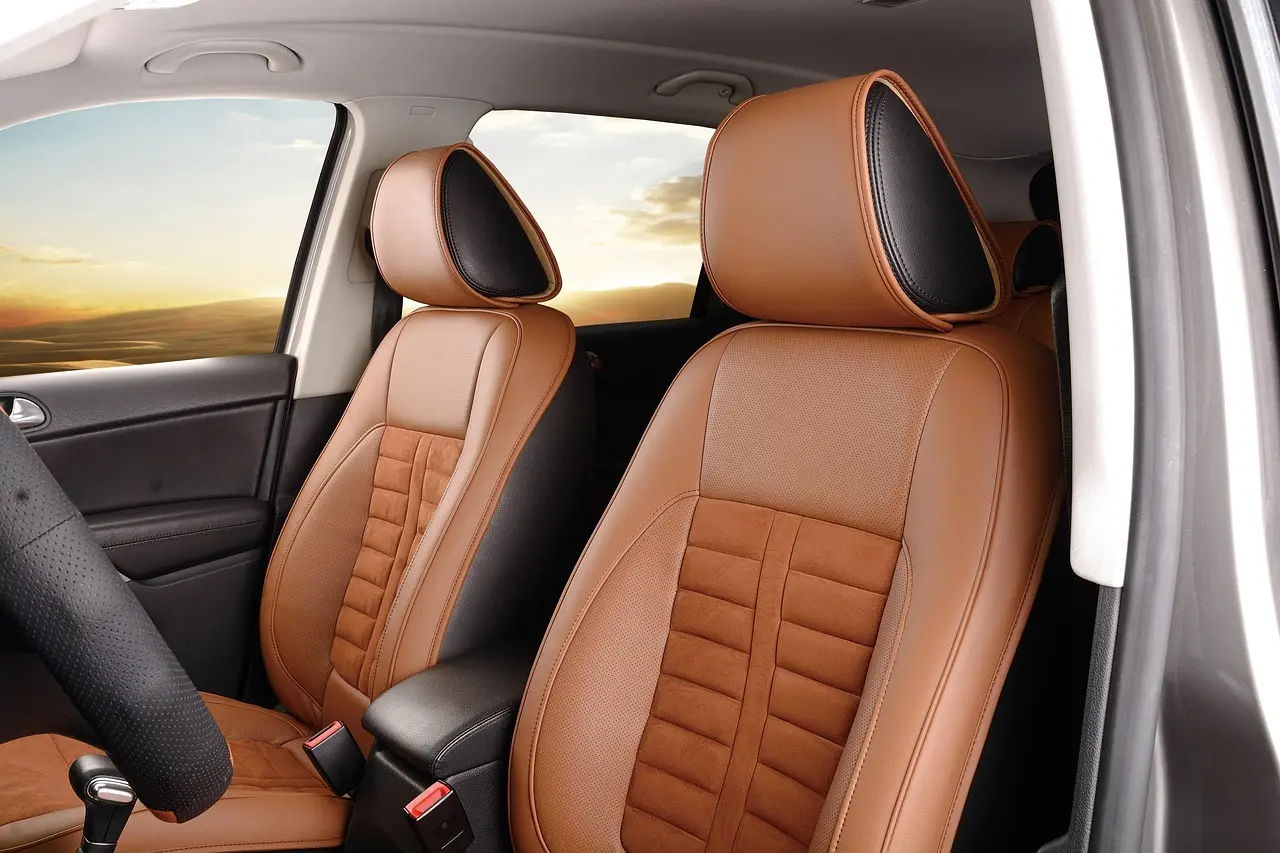


The best Subaru Outback seat covers are the ones that fit how you actually use the car. For most owners, that means custom-fit covers with airbag cutouts, seat-belt access, and a material chosen for the job: neoprene for mixed daily use, Cordura for hard wear, faux leather for a cleaner cabin look, or breathable mesh if heated-seat comfort matters more than spill blocking.
Top pick by use case
For pets, mud, and outdoor gear, Cordura or waterproof canvas is usually the smartest choice. For a cabin that still looks close to stock, faux leather or Nappa-style leatherette wins. For a cold climate with heated seats, thinner neoprene or a perforated design is the safer bet.
Who should skip each option?
Skip thick waterproof covers if you want maximum seat warmth in winter. Skip faux leather if you carry wet dogs or muddy skis every week. Skip loose universal covers if you care about rear-seat access, side-airbag clearance, and a tidy factory fit around Outback bolsters and headrests.
Quick picks by need
If you want the shortest path to a good choice, start with the use case first and the fabric second. The wrong material usually fails in one of four places: fit, heat transfer, cleanup, or comfort on long drives.
- Best for dogs and muddy cargo runs: Cordura or waterproof canvas, because abrasion resistance and easy cleanup matter most.
- Best for a factory-style cabin: faux leather or Nappa-style leatherette, especially if you want a tighter visual match to original upholstery.
- Best for heated-seat comfort: thin neoprene or perforated/mesh-backed covers that do not add much thermal resistance.
- Best budget-friendly choice: polyester blend or basic custom-fit canvas, as long as it still includes airbag-safe openings and solid tensioning.
Will Subaru Outback seat covers fit your year?
Yes, but only if the cover is made for your Outback generation and seat layout. Subaru changed front seat shapes, rear bench contours, headrest design, and trim-level hardware across the line, so a cover that fits one year well can fit another poorly. Custom-fit patterns usually beat generic sizing here.
1995-2009 fitment basics
Earlier Outbacks need the closest attention to seat shape and headrest style. NW Seat Covers lists Subaru Outback coverage from 1995-2026+, which shows how widely fitment must vary across the platform. For these years, check the exact front-seat pattern and whether the rear bench is a split design with separate headrests.
2010-2019 fitment changes
NW Seat Covers identifies 4th, 5th, and 6th generation coverage ranges, and that matters because each generation changes seat profile and trim details. Bolsters, seat controls, and rear-seat headrests can shift enough that a one-size cover looks loose at the edges or blocks adjustment levers.
2020-2026+ fitment and trim differences
On newer Outbacks, trim differences matter more because higher trims often add seat features and upholstery shapes that need cleaner cut lines. VehicleRuns lists a custom-fit Outback seat cover option for model years 2007-2026, which is a reminder to match the pattern to your exact year range rather than the model name alone.
Front seats, rear bench, and headrest differences
Front seats usually create the hardest fit problem because of bolsters, power controls, and side-airbag zones. Rear benches can be simpler, but split-fold access and headrest shape still matter. If a cover does not map cleanly to all three areas, you may get wrinkles, loose corners, or blocked folding access.
Which material fits your Outback?
The material determines how the cover handles day to day. Some fabrics shrug off claws and cargo better. Others stay cooler, look closer to factory upholstery, or wipe clean faster after spills. That tradeoff matters more in an Outback because many owners mix commuting, travel, and outdoor use.
Neoprene for comfort and water resistance
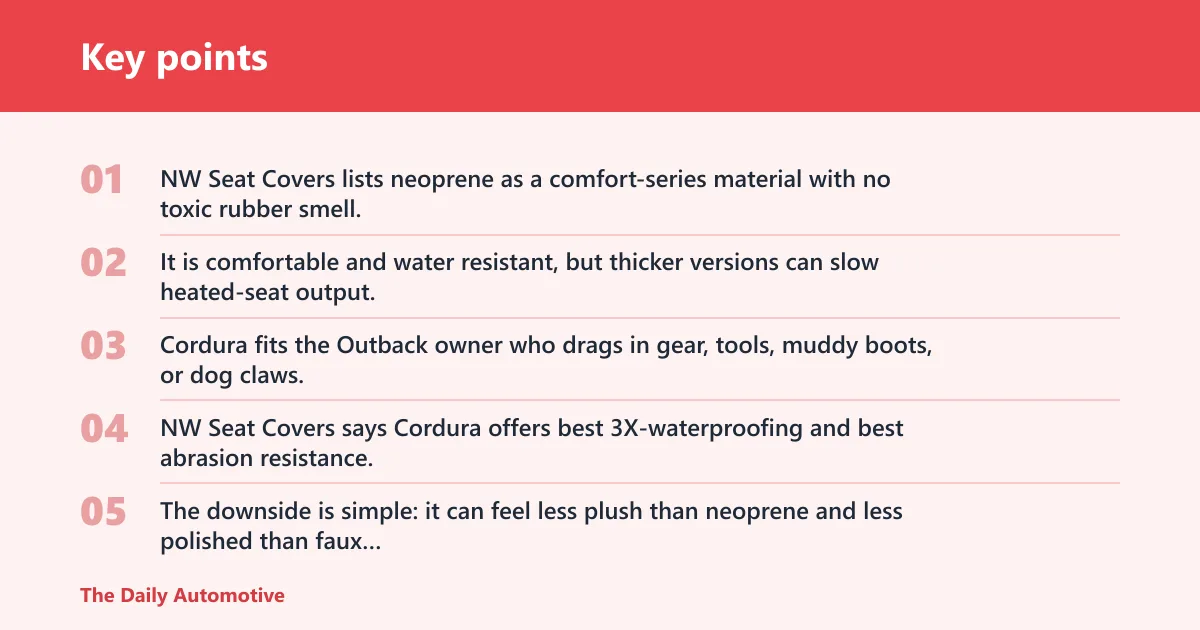
Neoprene is the easy middle ground. The same source lists neoprene as a comfort-series material with no toxic rubber smell, and that combination fits daily drivers that see coffee, rain gear, or kids in the back seat. It is comfortable and water resistant, but thicker versions can slow heated-seat output.
Cordura for abrasion resistance and pets
Cordura fits the Outback owner who drags in gear, tools, muddy boots, or dog claws. The same source says Cordura offers best 3X-waterproofing and best abrasion resistance, and that lines up with its tougher feel. The downside is simple: it can feel less plush than neoprene and less polished than faux leather.
Faux leather for a factory look
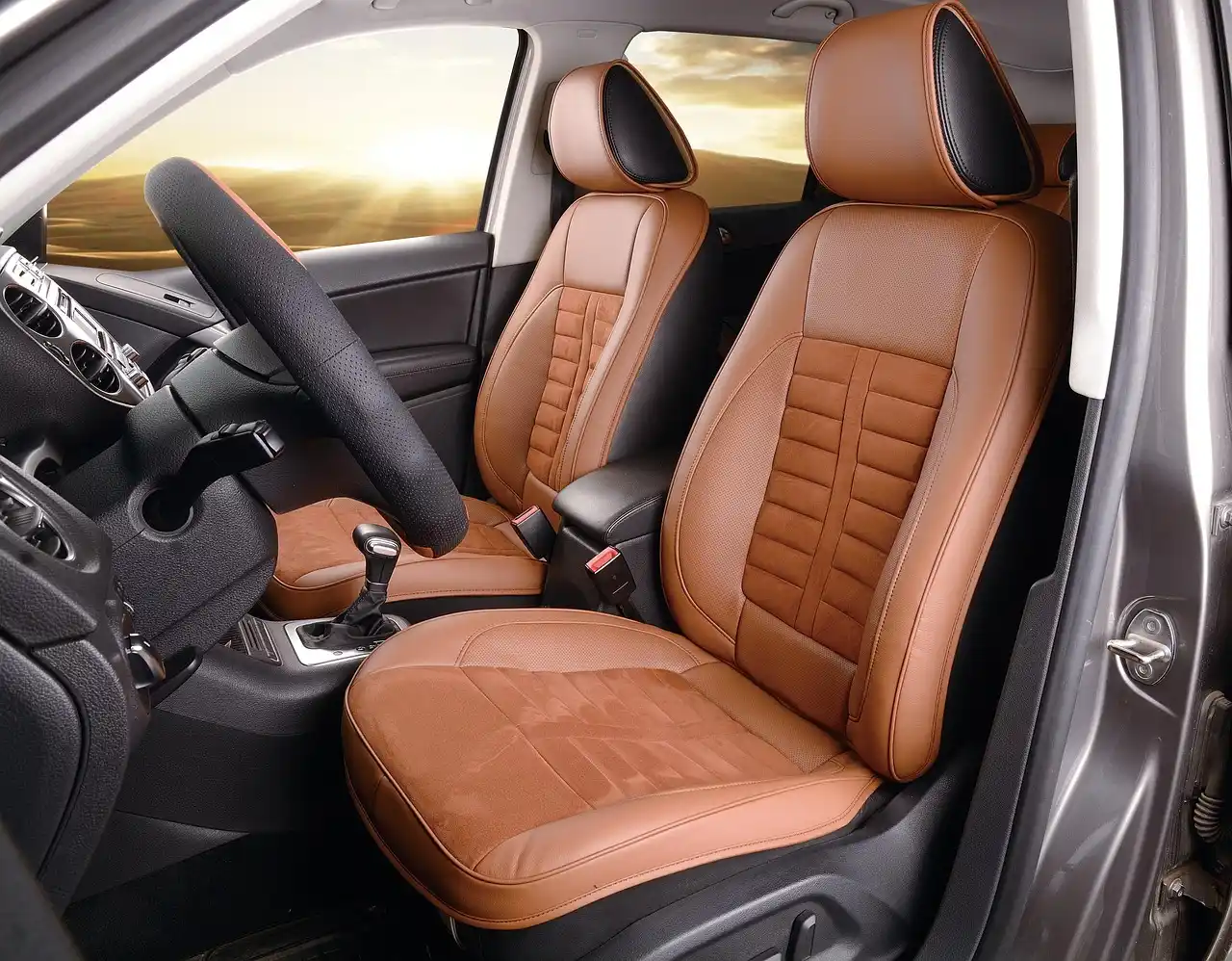
Faux leather or Nappa-style leatherette is the best path to a near-OEM appearance. The same source shows OEM seat covers as best for factory-style look, and faux leather follows that logic closely when the panel shapes and stitching are well done. It wipes clean fast, but it can run warmer in summer and colder on first contact in winter.
Mesh and perforated covers for breathability
Breathability matters on long drives and in warm weather. Perforated panels and mesh-backed sections move heat away better than solid vinyl or heavy waterproof layers. The tradeoff is protection: breathable covers usually give up some spill resistance and may not be the best match for dogs that shed a lot or for wet outdoor gear.
Canvas and hybrid builds for mixed use
Canvas and hybrid constructions try to split the difference between protection and comfort. A good hybrid might use a tougher outer shell, a softer contact layer, and foam padding in the middle. That makes sense for Outback owners who commute during the week and haul wet gear on weekends, but fit quality still decides whether the cover feels premium or sloppy.
Say your Outback is a 2024 Limited with heated front seats and a dog that rides twice a week. A thick waterproof cover may protect well, but it can slow seat warmth enough that the first few minutes feel underwhelming. A thinner neoprene or hybrid build is the better match because it keeps the seat usable without giving up too much spill resistance.
Suppose your Outback is used for home projects, and the rear bench gets hit with sawdust and muddy work clothes. A faux leather cover may clean quickly, but a Cordura-style cover will usually resist abrasion better and hide the punishment longer. The cleaner look matters less than the long-term wear pattern.
Are Outback seat covers airbag compatible?
They can be, but only if the pattern preserves the side-airbag deployment zone and does not block seat-belt hardware. Good covers use cutouts or approved breakaway seams in the right place. Without those details, a tight-looking cover can become a real safety problem.
Side-airbag cutouts and breakaway seams
Airbag compatibility should not stop at a label. The cover needs either a dedicated side-airbag cutout or a seam design meant to open cleanly when the airbag deploys. A generic sleeve with no engineered opening can cover the exact panel that should stay clear.
Seat-belt and latch access openings
Rear-seat covers also need clear openings for seat belts and child-seat anchors. If the fabric bunches around latch points, it becomes annoying to use and can interfere with proper installation. In the Outback, that matters because rear-seat utility is a core part of ownership.
Why poor fit can block safety zones
Poor fit is more than a cosmetic issue. Loose material can slide over switches, seat controls, or access zones, and a cover that is too tight can shift under use and expose the wrong seam line. That is why custom-cut patterns usually make more sense than universal covers on this vehicle.
Seat cover decision matrix
This scorecard is a practical short list, not a lab test. It compares common material types for Outback ownership across comfort, protection, fit behavior, and cleanup. Higher numbers are better for the first five columns; lower numbers are better for install difficulty and cleaning effort.
| Material | Breathability | Waterproofing | Pet resistance | Factory look | Heated-seat friendliness | Install difficulty | Cleaning effort | Price tier | Best for | Avoid if |
|---|---|---|---|---|---|---|---|---|---|---|
| Neoprene | 3/5 | 4/5 | 3/5 | 3/5 | 4/5 | 3/5 | 3/5 | Mid | Daily driving, light spills, mixed-weather use | You want the most abrasion resistance or the most formal look |
| Cordura | 3/5 | 5/5 | 5/5 | 2/5 | 3/5 | 4/5 | 3/5 | Mid-High | Dogs, tools, wet gear, rough use | You want soft-touch comfort or a near-stock cabin appearance |
| Faux leather | 2/5 | 4/5 | 3/5 | 5/5 | 2/5 | 3/5 | 2/5 | Mid-High | Factory-style cabins and easy wipe-down cleaning | You live in a hot climate or use heated seats constantly |
| Mesh/perforated | 5/5 | 2/5 | 2/5 | 3/5 | 5/5 | 2/5 | 3/5 | Low-Mid | Long drives, warm weather, heated-seat use | You need heavy spill or pet protection |
| Canvas | 2/5 | 5/5 | 4/5 | 2/5 | 2/5 | 4/5 | 4/5 | Mid | Outdoor gear, mud, frequent cleanup | You care most about softness or winter heat response |
| Hybrid build | 4/5 | 4/5 | 4/5 | 4/5 | 4/5 | 4/5 | 3/5 | Mid-High | Owners who want a compromise across most categories | You want the simplest install or the lowest price |
On price, custom Subaru Outback seat covers usually cost more than generic sets because the pattern is doing more work. That extra cost often buys better fit, better access to safety features, and fewer returns. Warranty matters too: some brands advertise about a 1-year warranty, while others offer about a 2-year limited warranty, and return windows matter if the cover clashes with your trim or seat layout.
For value, the right question is not “Which is cheapest?” It is “Which cover solves the actual problem without creating a new one?” A pet owner with wet gear can justify Cordura. A commuter with heated seats may get more value from a thin neoprene or mesh-backed cover. A driver who wants the cabin to look close to stock may pay more for faux leather and accept the warmer feel.
How to choose the right cover
Start with your Outback’s year, then check the seat layout, then choose the fabric. That order matters because fit problems are usually year- and trim-specific, while comfort and cleanup are material-specific.
- Match the cover to your Outback generation and trim.
- Confirm front-seat bolsters, rear bench split, and headrest shape.
- Check for airbag cutouts or breakaway seams.
- Decide whether spills, pets, heat, or appearance matter most.
- Pick the fabric that solves that main use case first.
- Review install hardware: buckles, hooks, zippers, and tension straps.
- Read the warranty and return window before ordering.
Installation difficulty usually tracks with how much hardware the cover uses. Buckles, hooks, and tensioning straps can produce a tighter fit, but they also make the job slower. Zippers help around rear-seat sections, though they can frustrate you if the cover pattern is already a little off.
A common first-timer mistake is buying a thick waterproof cover for winter comfort and then wondering why the heated seat feels delayed. The material is doing its job; the tradeoff is thermal resistance. The better choice is a thinner heated-seat-friendly cover with enough spill protection for daily use.
Frequently asked questions
What are the best car seat covers for a Subaru Outback?
The best choice depends on use case. Neoprene works well for mixed daily driving, Cordura suits dogs and rough cargo use, and faux leather fits owners who want a cleaner factory-style cabin. For most buyers, a custom-fit design with airbag cutouts is the safest starting point.
Will seat covers fit my Subaru Outback year and trim?
They will if the cover is made for your exact generation and trim details. Subaru Outback fitment changes across 1995-2026+, and front seats, rear bench layouts, and headrests are not identical across those years. Always check the supported year range before buying.
Are Subaru Outback seat covers airbag compatible?
They can be, but only if they include the right cutouts or breakaway seams for side airbags. You also need clear openings for seat belts and rear-latch hardware. A cover that blocks those zones is not a good fit, even if it looks tight and clean.
What seat cover material is best for dogs and spills in an Outback?
Cordura is the strongest choice when dogs, mud, and abrasion are the main problems. Waterproof canvas is also practical for spills and wet gear. Neoprene works better if you want more comfort and still need decent moisture resistance, but it is not as tough as Cordura.
Can I use heated seats with Subaru Outback seat covers?
Yes, but thinner and more breathable covers usually work better. Thick waterproof layers can slow heat transfer and make the seat feel uneven at first. If heated seats matter often, look for neoprene, mesh, or a perforated design rather than a heavy sealed cover.
How hard is it to install custom seat covers on a Subaru Outback?
Most custom sets are a moderate DIY job. The difficulty depends on how much hardware the set uses and how closely it matches your seat shape. Expect more effort on front seats with bolsters and controls, and less on simple rear sections.
Products related to this article
Sponsored / affiliate links. As an Amazon Associate I earn from qualifying purchases. I may earn additional commission from eligible campaigns.