Magnetic Lock Box for Car: How to Hide a Spare Key Safely
A magnetic lock box for car use is a small, waterproof case with strong magnets that clamps onto a bare metal spot on your vehicle — usually inside a wheel well or under the frame — so you can hide a spare key outside the car without drilling a hole or paying a locksmith.
The stakes are small until they aren’t: AAA has reported that keys locked inside the car are one of the most common roadside-assistance calls it fields, and a decent magnetic key box costs under $15 — a fraction of the $50 to $250 a locksmith or dealership typically charges for an emergency lockout or a cut-and-programmed replacement fob.
This guide covers what a magnetic lock box actually is, how the magnets hold up in real weather, where to place one (and where not to), the security tradeoffs worth knowing before you rely on one, and how to pick a model that fits your key.
What Is a Magnetic Lock Box for a Car?
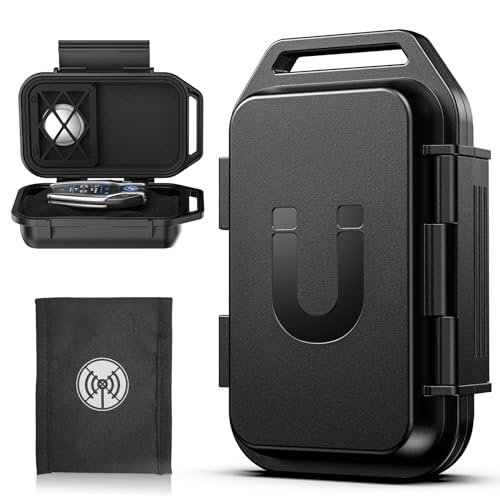
A magnetic lock box, sometimes sold as a “hide-a-key” box or magnetic key holder, is a small plastic or metal case — typically 3 to 5 inches long — with one or more magnets built into or bonded onto its back panel. You put a spare key fob, valet key, or even a house key inside, snap the lid shut, and press the box against any bare metal surface on the car. The magnets do the rest.
Most boxes sold today are made from hard ABS plastic with a rubber or foam gasket around the lid, which is what makes them waterproof rather than just water-resistant. Cheaper versions use a single magnet and a thin plastic shell; sturdier ones use two or three magnets arranged in a triangle for a stronger, more even hold.
BEST-SELLING MAGNETIC KEY BOX
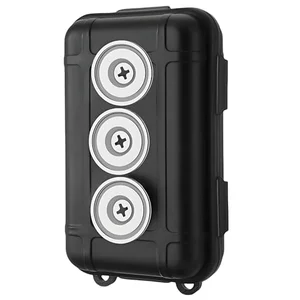 |
Riomhorry Magnetic Key Holder for Car – $8.99 A three-magnet ABS case like the one described in the buying guide below, sized to hold a full key fob plus a spare fob battery or house key.
|
How a Magnetic Key Lock Box Works
The magnets inside these boxes are almost always neodymium (rare-earth) magnets, which pack far more holding force per square inch than the ceramic magnets used in refrigerator magnets or old-style tool holders. A single small neodymium magnet can hold several pounds of steady pull, and most car key boxes use two or three of them arranged so the box resists being knocked loose by wind, road vibration, or a speed bump.
That strength only matters if the box is touching bare, magnetic metal. Modern cars mix steel body panels with aluminum hoods, plastic bumper covers, and fiberglass or composite trim — none of which a magnet will grip. Before you buy, it helps to do a quick test: bring a refrigerator magnet out to the car and see which spots underneath actually hold it. Steel frame rails, the underside of the trunk floor pan, and the inner wheel well liner (where it’s metal, not plastic) are the most reliable spots.
Where to Hide a Magnetic Key Box on Your Car
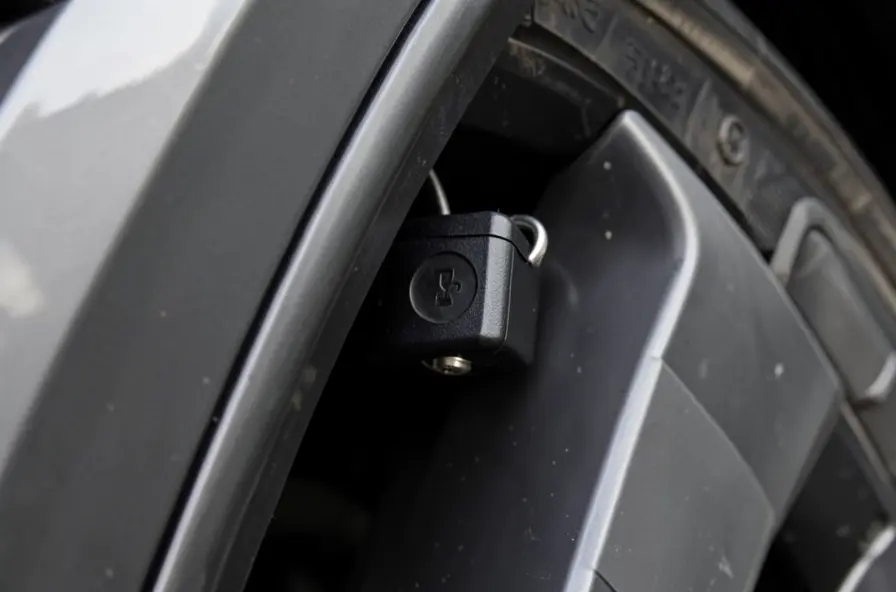
Placement is the single biggest factor in whether a magnetic key box actually works for you. A spot that’s easy for you to reach in the dark, in the rain, while tired, is also a spot a determined stranger can find. The goal is a location that’s inconspicuous, out of the direct spray from tires and road salt, and reachable without lying flat on the ground.
| Location | Why It Works | Watch Out For |
|---|---|---|
| Inner wheel well, behind the liner lip | Steel is usually exposed here, and it’s hidden from a casual glance | Direct spray from the tire can loosen dirt and grime buildup over time |
| Frame rail under the rear bumper | Rarely checked by a passerby, good steel contact on most trucks and SUVs | Road debris and low ground clearance on lowered cars |
| Trailer hitch receiver tube (empty) | Solid steel, completely enclosed | Only works if you don’t use the hitch regularly |
| Under the rear license plate bracket | Easy to reach without crouching | One of the first spots an experienced thief checks — skip this one if security matters more than convenience |
| Gas tank shield or exhaust heat shield | Rarely inspected | Heat from the exhaust can warp plastic boxes or damage keys over time — avoid anything near the muffler or catalytic converter |
Avoid the wheel well arch right above the tire tread, the top of the bumper where it’s visible while standing, and anywhere near the exhaust. And don’t reuse the same spot on every car you own — thieves who work a parking lot for a living know the popular hiding places, which is exactly why the next section matters.
Is a Magnetic Key Box Actually Secure? What to Know First
A magnetic lock box is a convenience tool, not a security device. Locksmiths and insurance companies who cover vehicle theft consistently point out that experienced car thieves check the same handful of spots — wheel wells, bumpers, and license plate brackets — specifically because so many drivers hide a key there. A magnetic box with no combination lock or code will open for anyone who finds it, not just you.
That doesn’t make them useless. For most drivers, the realistic threat isn’t a professional thief scanning every car in a lot — it’s locking yourself out at a trailhead, a beach, or your own driveway. Against that everyday scenario, a hidden magnetic box is a reasonable backup. Against a determined thief who’s specifically targeting your car, it isn’t.
If security is the priority rather than convenience, a few adjustments help: pick a less-obvious spot than the ones thieves check first, choose a box with a locking latch or combination dial rather than a simple snap lid, and never leave a key that also opens your house on the same ring as the hidden car key.
How to Choose a Magnetic Lock Box for Your Car
Most magnetic key boxes fall into the same general categories at similar price points. Here’s what actually separates a good one from a cheap one that fails within a season.
- Magnet count and type: look for two or three neodymium magnets rather than one. A single-magnet box is far more likely to work loose from vibration or fall off entirely when the road gets rough.
- Interior size: modern key fobs are bulkier than the flat metal keys of 15 years ago. Measure your fob (or the largest item you plan to store) before buying — some budget boxes are sized only for a flat blade key and won’t close over a fob.
- Waterproofing: a rubber gasket around the lid is the real test, not just the word “waterproof” in the listing. Boxes without a gasket let in road spray and condensation, which can rust a steel key or corrode a fob’s contacts.
- Case material: hard ABS plastic resists cracking in cold weather better than thinner, flexible plastics. If you live somewhere winters drop well below freezing, this matters more than it sounds.
- Locking mechanism: a simple friction-fit lid is standard and fine for most uses; a combination dial or key lock adds real security if you’re worried about the box being found.
Magnetic Key Box vs. Other Spare Key Storage Options
A magnetic box isn’t the only way to keep a spare key accessible. Here’s how it stacks up against the other common approaches.
| Option | Typical Cost | Convenience | Security |
|---|---|---|---|
| Magnetic key box (under car) | $7 – $20 | High — always with the car | Low to moderate — known hiding spots |
| Combination lock box (wall-mounted or portable) | $15 – $35 | Moderate — only helps if you’re near home | Moderate to high, depending on the model |
| Spare key with a trusted neighbor or family member | $0 | Low — depends on someone else being reachable | High — no hidden physical box to find |
| Digital key-sharing apps (supported on newer EVs and some connected cars) | Varies — often free with the vehicle app | High if your phone has signal and battery | High — no physical key to lose or find |
For most drivers, the practical answer is to use a magnetic box for the everyday emergency — a beach trip, a hike, a shared-use vehicle — while keeping a second backup key at home or with someone you trust, rather than relying on the magnetic box as your only fallback.
Frequently Asked Questions
What Is a Magnetic Lock Box for a Car?
It’s a small waterproof case, usually 3 to 5 inches long, with one or more strong magnets built into the back. It clips onto any bare metal surface on your vehicle and holds a spare key fob, valet key, or house key so you can retrieve it if you get locked out.
How Strong Do the Magnets Need to Be?
Look for two or three neodymium (rare-earth) magnets rather than a single magnet. A multi-magnet box resists being knocked loose by wind, road vibration, and speed bumps far better than a single-magnet design, especially on the underside of the car where it takes the most abuse.
Where Is the Safest Place to Hide a Magnetic Key Box?
The inner wheel well liner (where the metal is exposed), a frame rail under the rear bumper, or an empty trailer hitch receiver are all solid choices — they have reliable steel contact and aren’t the first spots a stranger checks. Avoid the license plate bracket and anywhere near the exhaust or muffler.
Can a Thief Find a Magnetic Key Box Under My Car?
Yes, if it’s in a common spot. Locksmiths and vehicle-theft data both point to the same handful of popular hiding places — wheel wells, bumpers, and license plate brackets — as the first thing an experienced thief checks. Treat a magnetic key box as a convenience backup for everyday lockouts, not a defense against a targeted theft.
Will a Magnetic Key Box Damage My Car or Key Fob?
A properly placed box won’t damage your car’s paint or body if it’s stuck to bare metal underneath the vehicle rather than a painted panel. It’s generally fine for a fob’s microchip and battery too, since the magnet strength used in these boxes is far below the level needed to disrupt electronics — the bigger real-world risk is water intrusion if the box’s seal fails.
Is a Magnetic Lock Box Waterproof and Weatherproof?
Most are rated water-resistant to waterproof thanks to a rubber gasket around the lid, but that seal wears down over time from road spray, salt, and temperature swings. Check the gasket periodically, and replace the box if it starts feeling loose or the lid no longer seats flush.
Conclusion
A magnetic lock box for your car is one of the cheapest ways to stop a lockout from turning into a $150 locksmith call — as long as you treat it as a backup for everyday emergencies rather than a vault. Pick a model with two or three real neodymium magnets, a genuinely gasketed lid, and enough interior room for your actual key fob, then hide it somewhere off the well-worn list of spots every thief already knows to check.
If you want a second layer of backup, pair the magnetic box with a spare key kept at home, or check whether your car supports app-based digital key sharing before you rely on the magnet alone.
Products related to this article
Sponsored / affiliate links. As an Amazon Associate I earn from qualifying purchases. I may earn additional commission from eligible campaigns.