Car Seat Cushion Cost: What You’ll Actually Pay
Car seat cushions usually cost about $15 to $80; basic foam models are often around $15 to $30, memory foam or gel models around $30 to $60, and premium orthopedic or powered cushions can reach about $80 or more. Buy too cheap and you may get flat support, poor fit, and little relief. This guide breaks down price by type, the features worth paying for, and the best value range for comfort, height, or pain relief.
For most shoppers, the market splits into three clear bands. Budget cushions around $20 to $30 cover basic comfort and simple foam construction. Mid-range models around $35 to $50 usually add denser foam, better covers, and more reliable grip. Premium branded listings around $45 to $48 often charge for a known model name, better finishing, or more consistent sizing.
Car seat cushion price map
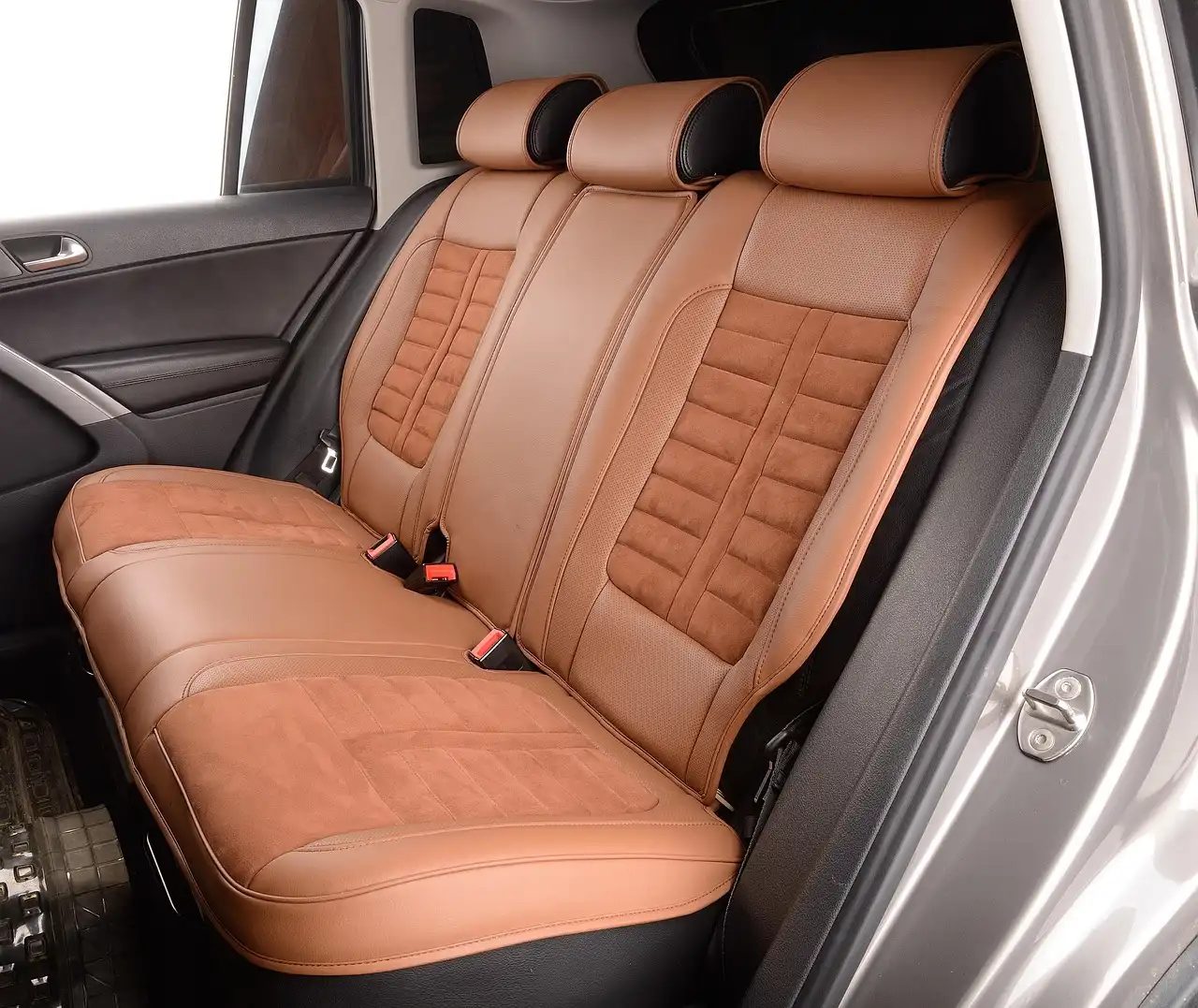


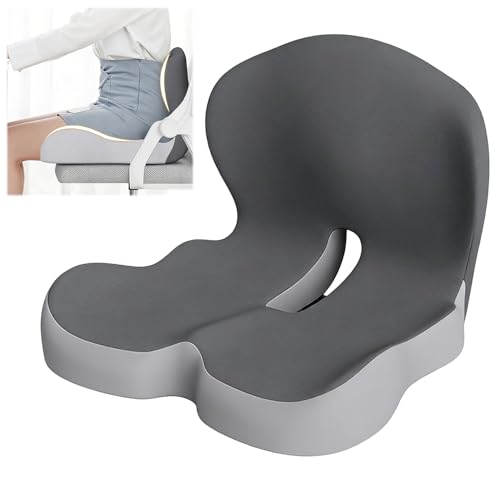
That spread matters because a car seat cushion is not one product. A U-cutout coccyx cushion, a wedge seat cushion, and a generic seat pad solve different problems and are priced differently for a reason.
Budget cushions: what $20-$30 usually buys
In this band, you usually get a simple foam or memory-foam pad, a basic cover, and an anti-slip bottom that gets the job done without extras. The support may feel thinner, the foam may recover more slowly, and the cover may be easier to clean but less durable than on pricier options.
This is the range that often fits daily commuting and light comfort improvement. It is also where you are most likely to find generic seat pads and some sale-priced branded cushions, including Walmart’s Skechers Memory Foam Car Seat Cushion at $22.79 on sale.
Mid-range cushions: what $35-$50 usually includes
Mid-range cushions usually move up to denser memory foam, a better cover, and a more consistent shape. Many models in this band are built for a specific need, such as tailbone pressure relief or extra height for a shorter driver, rather than acting like a generic pad.
This is also where several named models sit. Lofty Aim Car Seat Cushion is listed at $34.95, and Kingphenix Memory Foam Car Seat Cushion is listed at $35.99. ComfiLife Gel Memory Foam Seat Cushion is listed at $45.95, and Everlasting Comfort Memory Foam Seat Cushion is listed at $47.99.
Premium pricing: why some listings sit around $45-$48
Premium pricing is often about consistency, finish, and feature set rather than a dramatic jump in padding. At this level, shoppers are usually paying for a more dependable cover, more stable foam, a stronger non-slip base, or a better fit for longer drives and repeated use.
Premium also often means clearer sizing. ComfiLife measures 17.5 x 13.7 x 2.8 inches, and Everlasting Comfort measures about 17.5 x 14 x 2.75 inches. Those dimensions matter if you drive a bucket seat, need room for a seat belt buckle, or want the cushion to sit flat without crowding the seat bolsters.
Which cushion type fits your need?
The right price depends on the type of cushion, not only the brand. A coccyx cushion aimed at tailbone pressure relief is priced for a different job than a wedge built to raise your seating position. Generic pads sit below both because they do less.
U-cutout coccyx cushions for tailbone relief
U-cutout coccyx cushions fit tailbone pain, long drives, and pressure relief around the center of the seat. They usually use memory foam or gel memory foam, and many sit around 2.75 to 2.8 inches high. A machine-washable cover is common on the better versions.
The cutout is there for coccyx pressure relief, not as a styling detail. If you have a deep bucket seat or a narrow seat pan, measure first, because a cushion that is too wide can push you forward and change your seating position more than expected.
Wedge seat cushions for a height boost
Wedge seat cushions target short-driver fit and sightline, especially if the hood feels too high or the steering wheel sits awkwardly in view. Lofty Aim adds 2.5 inches of height, and Kingphenix also adds 2.5 inches of height. That extra lift can help, but it may reduce headroom and legroom.
This is the type to watch most closely in cars with tighter cabins. A wedge can improve visibility, but too much height can make the seat feel pitched forward or leave your knees closer to the dash. Heated seats also deserve caution, since a thick cushion can reduce how much heat reaches you.
Generic seat pads for basic comfort
Generic seat pads are the simplest option. They can soften a hard seat, reduce pressure a little, and cost less than a shaped coccyx cushion or wedge. They are the weakest choice for a specific issue, though, because they do little to address tailbone pressure or sightline problems.
Picture a commuter who only wants a softer seat for a 20-minute drive and does not need extra height. A simple pad may be enough. Say the same driver later starts taking two-hour highway trips; at that point, a shaped memory-foam cushion usually makes more sense than a flat pad.
Why do car seat cushions cost more?
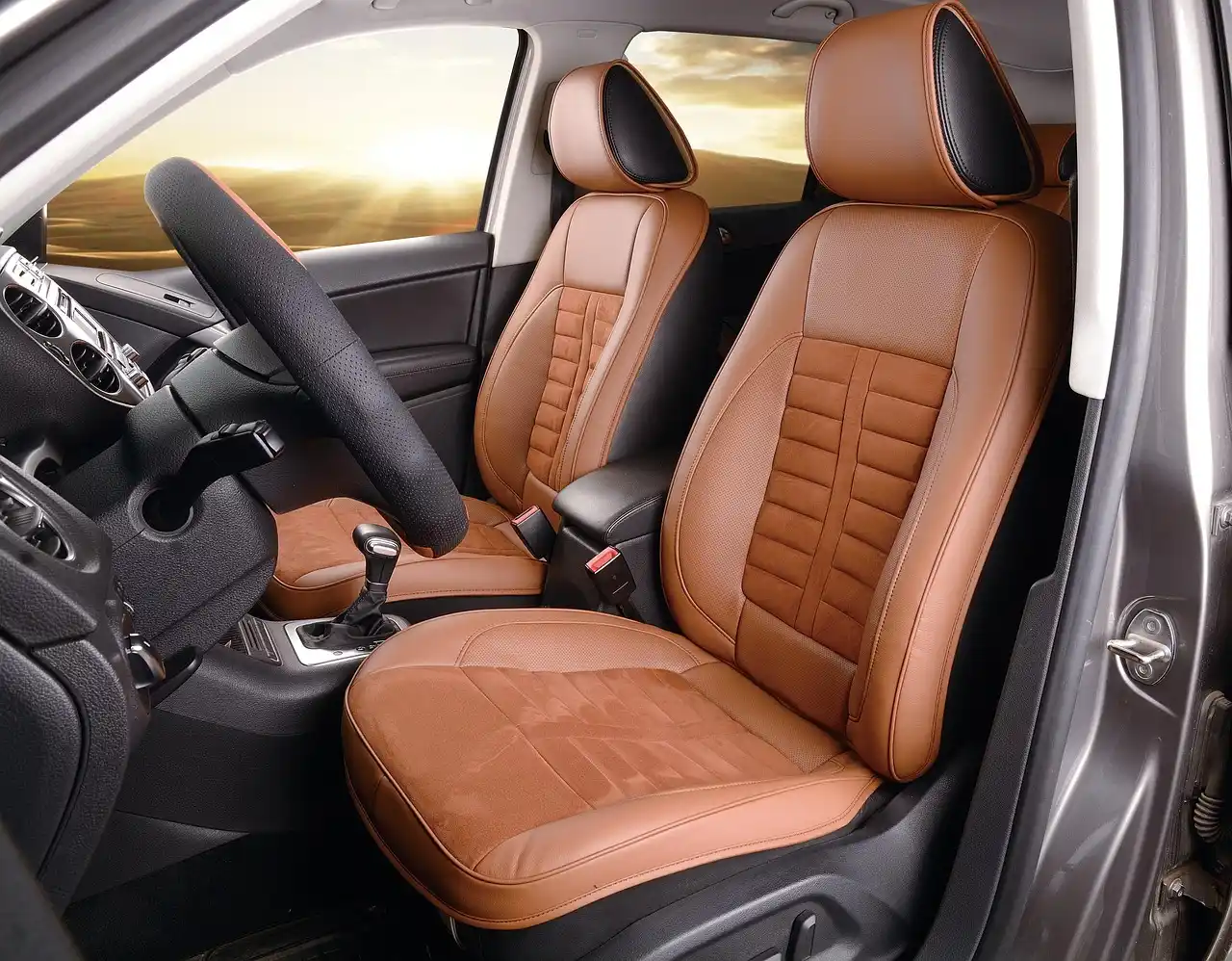
Price rises when the foam is denser, the cover is better, the base grips better, or the cushion is built for a narrower use case. Brand and retailer pricing matter too. The same style can appear under multiple listings, and promo pricing can differ from the regular price by store and by day.
Memory foam versus gel memory foam
Standard memory foam is common in the mid-range. Gel memory foam usually costs more because it is sold as a step up in pressure distribution and feel. That does not guarantee better comfort for every driver, but it often pushes a cushion into the $35 to $50 band rather than the lowest-price tier.
Cover quality, washability, and stitching
A zippered or removable cover that is machine washable or wipe clean raises the price for good reason. It helps if you drive daily, sweat on long trips, or want a cushion that looks decent after months of use. Better stitching also helps the cover keep its shape around the foam.
A washable cover is one of the clearest features worth paying for. It does not make the cushion more supportive by itself, but it often improves the odds that the cushion still looks and feels usable after regular use.
Non-slip base and seat stability
A non-slip base matters because cushions that slide during braking or cornering become annoying fast. Rubberized or anti-slip bottoms help keep the cushion planted on leather or cloth seats, which is especially important in taller wedges or longer cushions that have more surface area to move.
Stability also affects safety. If a cushion shifts, your sitting position changes, and that can put your legs, back, or shoulders in a worse driving posture. The best cushions keep a low profile at the base while still gripping the seat.
Brand, retailer, and promo pricing
Brand names often carry a markup, but retailer listings complicate the picture. Amazon and Walmart listings change frequently, and the same cushion style can appear at different prices under different seller names. That is why one shopper may see a model in the $20s while another sees it in the $40s.
Walmart lists Everlasting Comfort Memory Foam Seat Cushion at $47.99, which matches the listed price on the product side. Walmart also lists Skechers Donut Comfort Memory Foam Seat Cushion at $35.57, while Skechers Memory Foam Car Seat Cushion appears there at $22.79 on sale. Those numbers show how much promos can move the final price.
| Type | Typical feature set | Price band | What buyers get |
|---|---|---|---|
| Generic seat pad | Basic foam, simple cover, basic anti-slip bottom | $20-$30 | Light comfort for daily commuting and short trips |
| U-cutout coccyx cushion | Memory foam or gel memory foam, tailbone cutout, often washable cover | $35-$50 | Tailbone pressure relief and better support on long drives |
| Wedge seat cushion | Dense memory foam, sloped shape, anti-slip bottom | $35-$50 | About 2.5 inches of height and a better sightline for shorter drivers |
| Branded memory foam cushion | Better finish, more consistent sizing, removable cover | $45-$48 | More predictable fit and finish, especially for frequent use |
- Check the seat shape first, especially deep bucket seats and narrow bolsters.
- Check how much height the cushion adds.
- Confirm the cover is removable or washable if you drive often.
- Look for a non-slip base if the seat is leather or if the car sees hard braking and sharp turns.
- Skip any cushion that interferes with airbags, seat belts, or the manual driving position.
What should you pay for your use case?
The right budget depends on why you want the cushion. For long drives and pressure relief, a shaped memory-foam cushion usually justifies more money than a flat pad. For a short-driver height boost, a wedge can be worth the extra cost if it improves visibility without crowding your legs.
Long drives and pressure relief
For long drives, a U-cutout coccyx cushion is usually the better bet than a generic pad. Aim for the mid-range, where memory foam or gel memory foam, a washable cover, and a stable base are common. That is where you are most likely to find comfort without a weak shell or a cushion that flattens quickly.
Short-driver visibility and height
If you need a height boost, spend enough to get a wedge that holds its shape. Lofty Aim and Kingphenix both add 2.5 inches of height, which is a meaningful lift. If your seat is already high or your roofline is tight, more height is not automatically better.
Daily commuting and basic comfort
For short commutes, a lower-cost pad or entry-level memory foam cushion may be enough. This is the place for a sensible budget, not a premium price. If the seat only needs a little more softness, there is no reason to pay for features you will not use.
A common first-timer mistake is buying the thickest cushion available because it looks more comfortable. On a compact sedan seat, extra thickness can raise the hips too much, make the wheel feel too close, and reduce legroom more than the buyer expected.
When should you pay more?
Pay more when the cushion has to do real work for hours at a time or when fit matters as much as softness. A washable cover, a sturdier non-slip base, and a better-shaped foam block all make sense if the cushion is going to live in the car every day.
You need a washable cover
If the cushion will handle daily use, sweat, coffee spills, or dusty clothes, a removable and machine-washable cover is worth the extra money. It will not fix a bad fit, but it can make a cushion far easier to keep in service.
You drive long distances often
Frequent long-distance driving is the best reason to move above the budget tier. Better foam, a cutout for the coccyx, and a stable base matter more when you spend hours in the same position. That is where the $35 to $50 range often makes more sense than a simple low-cost pad.
You want a cushion that stays put on leather or cloth
If the cushion slides, the cheapest option is usually the most frustrating one. A stronger anti-slip bottom is worth paying for on both leather and cloth seats, especially if you take corners briskly or brake often in city traffic.
Follow the vehicle and product manual, and make sure the cushion does not interfere with the seat belt, head restraint, or airbag zones. If the cushion changes your sitting height, confirm you still have a safe view of the road and the controls.
Where can you buy one, and why do prices vary by store?
You can buy car seat cushions from Amazon, Walmart, and other retail sellers, but the price can shift fast. The same style may appear under different listings, and promo pricing can differ from the regular price. That is why it helps to compare the model name, the dimensions, and the listed features, not only the sticker price.
Amazon listings and frequent price changes
Amazon often has multiple sellers on the same model or a nearly identical one. That means the price you see today may not be the price tomorrow. The product title, dimensions, and material description matter because a near-identical cushion can appear under a separate listing at a different price.
Walmart and other retail price swings
Walmart can be a strong place to compare sale pricing. The same source lists Everlasting Comfort Memory Foam Seat Cushion at $47.99, Skechers Memory Foam Car Seat Cushion at $22.79 on sale, and Skechers Donut Comfort Memory Foam Seat Cushion at $35.57. Those listings show how the same category stretches across several price bands.
Same model, different listing, different price
Shoppers should expect overlap. A cushion sold as a coccyx pillow on one site may appear as a seat support cushion on another. That is one reason the market looks messy: some price gaps are about packaging and listing strategy, not major differences in the actual cushion.
Frequently asked questions
How much does a car seat cushion cost?
Most car seat cushions cost about $20 to $50, with budget pads near $20 to $30 and better memory-foam or shaped cushions around $35 to $50. Sale prices can dip lower, while branded listings with stronger covers or more specific shaping can land closer to the upper end.
What is the average price of a car seat cushion?
A practical average sits in the mid-range, around $35 to $50, because many buyers choose memory foam, a washable cover, and a non-slip base. That band covers most of the cushions aimed at comfort, tailbone relief, or short-driver height help without jumping into specialty pricing.
What is a good budget for a car seat cushion?
A good budget is $30 to $50 if you want a shaped cushion with a washable cover and better fit. If you only want basic comfort, $20 to $30 is usually enough. The right budget depends on whether you need height, tailbone relief, or just a softer seat.
Why do some car seat cushions cost more than others?
Price rises with denser foam, gel memory foam, better stitching, a removable cover, and a stronger anti-slip base. Brand name and retailer pricing also move the total. A cushion made for tailbone relief or height change often costs more than a plain pad because it is doing a more specific job.
Are expensive car seat cushions actually better?
Sometimes, but not automatically. More expensive cushions usually bring better materials, better covers, or a more stable shape. That helps if you drive long distances or need a precise fit. If you only want mild softness for short trips, a cheaper cushion can be enough.
Where can I buy a car seat cushion?
Amazon, Walmart, and major retailers all sell them, and the same model may show up at different prices on each site. Compare dimensions, cushion type, and cover details before buying. Check the current listing because prices and promo tags change often.
Products related to this article
Sponsored / affiliate links. As an Amazon Associate I earn from qualifying purchases. I may earn additional commission from eligible campaigns.
 Seat Belt Covers for Kids, 2 in 1 Car Seat Strap Covers & Auto Seatbelt Pillow for Kids nap, Car Travel Pillow & Strap Pads Cushion for headrest, Neck/Shoulder Support, fit Child, Adult, Grey;
 PartsTo Adjustable Kids Travel Car Seat Headrest Pillow with Lean Support Cushion Sleeping Travel Neck Safeguard Cushion Suitable for Kids Children Teenagers and Adults