DIY Car Repair vs Professional Mechanic: When to Choose
A repair is DIY if it uses hand tools, stays on jack stands or the ground, and does not need coding or calibration. It becomes a borderline job once torque specs, sensor resets, or hidden access steps enter the picture, and it belongs in a shop when airbags, steering, brakes, or high-voltage parts are involved. Bad DIY work can leave you with a dead battery, shredded tires, warning lights, or a tow bill. This guide shows how to judge each repair by risk, tools, hidden electronics, and real cost before you turn a wrench.
This guide is part of our Car maintenance and repair guide series.
| Decision factor | DIY Car Repair | Professional Mechanic | Winner |
|---|---|---|---|
| Total cash outlay | Lower on simple jobs, but tools, fluids, scan steps, and redo risk can erase the savings. | Higher upfront because shop labor rate is roughly $100 to $160 per hour. | DIY Car Repair |
| Risk of hidden failure | Higher when torque, coding, or calibration are missed. | Lower because diagnosis, reset, and recheck steps are part of the workflow. | Professional Mechanic |
| Tool requirement | Works well with basic hand tools on simple jobs; many modern repairs need more. | Includes specialty tools, scan tools, presses, and holding fixtures. | Professional Mechanic |
| Best use case | Filters, simple battery swaps, and some brake work on familiar vehicles. | Timing systems, SRS, wheel bearings, and any repair that needs registration or programming. | Tie |
DIY car repair vs professional mechanic: what the real trade-off is


How labor rate changes the bill
A shop labor rate is roughly $100 to $160 per hour, so labor often costs more than the part. I have watched a 45-minute job bill high because the shop also paid for setup, diagnosis, fast turnaround, and the equipment already waiting at the bay.
DIY saves on labor only when the part is cheap enough, the procedure is clear for that exact vehicle, and a slip will not create a second repair. If the job needs a second pass, the savings can vanish fast.
Where DIY saves money and where it does not
Simple maintenance is where DIY usually wins. An air filter at $15 to $40, a gas cap replacement that can cost $20 to $50, or spark plugs for most 4-cylinder engines at $40 to $80 for a full set are all cases where the parts bill stays modest and the labor is easy to skip.
DIY stops making sense when the repair needs one-time-use hardware, a scan tool, or post-repair reset work. That shows up often on newer cars, especially when battery registration, brake caliper service, or a steering or safety calibration follows the wrench work.
The hidden cost stack: tools, fluids, scan steps, and do-overs
The visible part price is only one line. The hidden stack can include a torque wrench, drain pans, coolant, brake cleaner, a C-clamp or piston compressor, an OBD2 code reader, and a scan or registration step after the repair.
Redo time matters too. A shop may finish a 45-minute job much faster than a DIYer because the technician already knows the order, the torque values, and the failure points.
According to Doorstep Bike Service & Repair App Online – Apna Mechanic — Apna Mechanic offers car service at home from ₹999.
Is DIY car repair actually cheaper than a mechanic?
DIY is cheaper when the part cost is low, the tool buy is reusable, and the repair does not trigger programming, calibration, or a second teardown. A shop is cheaper in practice when the job is complex enough that one mistake can add parts, labor, or towing that wipe out the labor savings.
A simple cost formula for owners
Use this rough math: part cost + consumables + tool buy + redo risk versus shop labor + shop parts markup. If the tool buy is one-time and the car will need the same repair again later, DIY gets stronger. If the tool is specialized and may never be used again, the shop usually wins.
When a 1-hour job is still not worth DIY
A one-hour shop job is not automatically a good DIY win. If the job needs a battery registration, a torque sequence, or a scan reset, a short repair can turn into a half-day project with a warning light at the end. That is how a small savings becomes a costly do-over.
When a 3-hour shop quote makes DIY attractive
Longer billed labor often creates real DIY value on documented jobs such as brake pads or a simple battery replacement on an older car. The savings are strongest when the work is reversible, the failure mode is obvious, and the vehicle does not need post-repair coding.

What tools and diagnostics do you need before you start?
Basic hand tools handle many routine jobs, but they stop being enough once the repair reaches torque-sensitive fasteners, hidden resets, or pressed-in components. Before buying parts, a DIYer should confirm the exact tool set, the scan needs, and whether the job can be undone without damage.
What basic hand tools cover
A socket set, screwdrivers, and pliers handle many easy repairs, including filters, some battery swaps, and simple trim removal. They also cover inspection work, which helps because opening the job first often shows whether the repair is open and clean or buried under covers and brackets.
When a torque wrench is mandatory
A torque wrench matters on spark plugs and brake work because overtightening can strip threads, crush seals, or warp parts. On brake work, uneven torque can also create pedal vibration and uneven clamp force. If the fastener has a specified tightening sequence, guesswork is the wrong plan.
What an OBD2 code reader can and cannot tell you
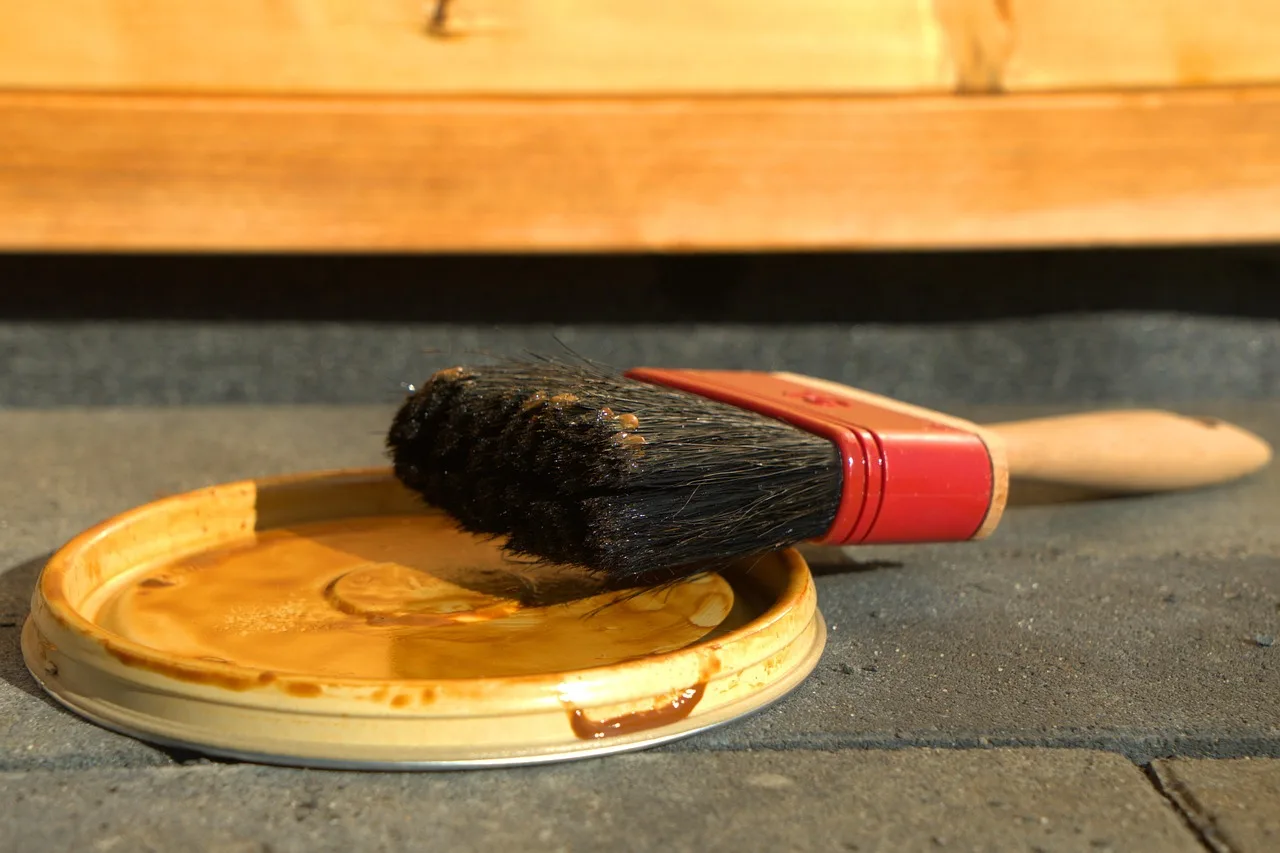
An OBD2 code reader is useful for reading basic fault codes before buying parts. It can help a DIYer narrow down whether the car is pointing to a sensor circuit, an airflow issue, or a misfire pattern, but it is not the same as a shop-grade scan tool that can command tests, code modules, and run deeper diagnostics.
The smart use case is simple: scan first, then buy. If the code points to a symptom rather than a root cause, parts swapping can get expensive very quickly.
When shop-grade scan access matters
Shop-grade scan access matters when the repair needs actuator tests, security coding, steering angle resets, battery registration, or module communication checks. That is common on European and luxury cars, where a part change may be only half the job.
Which repairs are safe to DIY, and which belong in a shop?
Safe DIY jobs have low risk, repeatable steps, and no calibration wall. Borderline jobs usually bring manageable wrench work but higher hidden costs. Shop-only jobs involve live safety systems, precision timing, or press work that can ruin parts if the sequence is wrong.
DIY safely
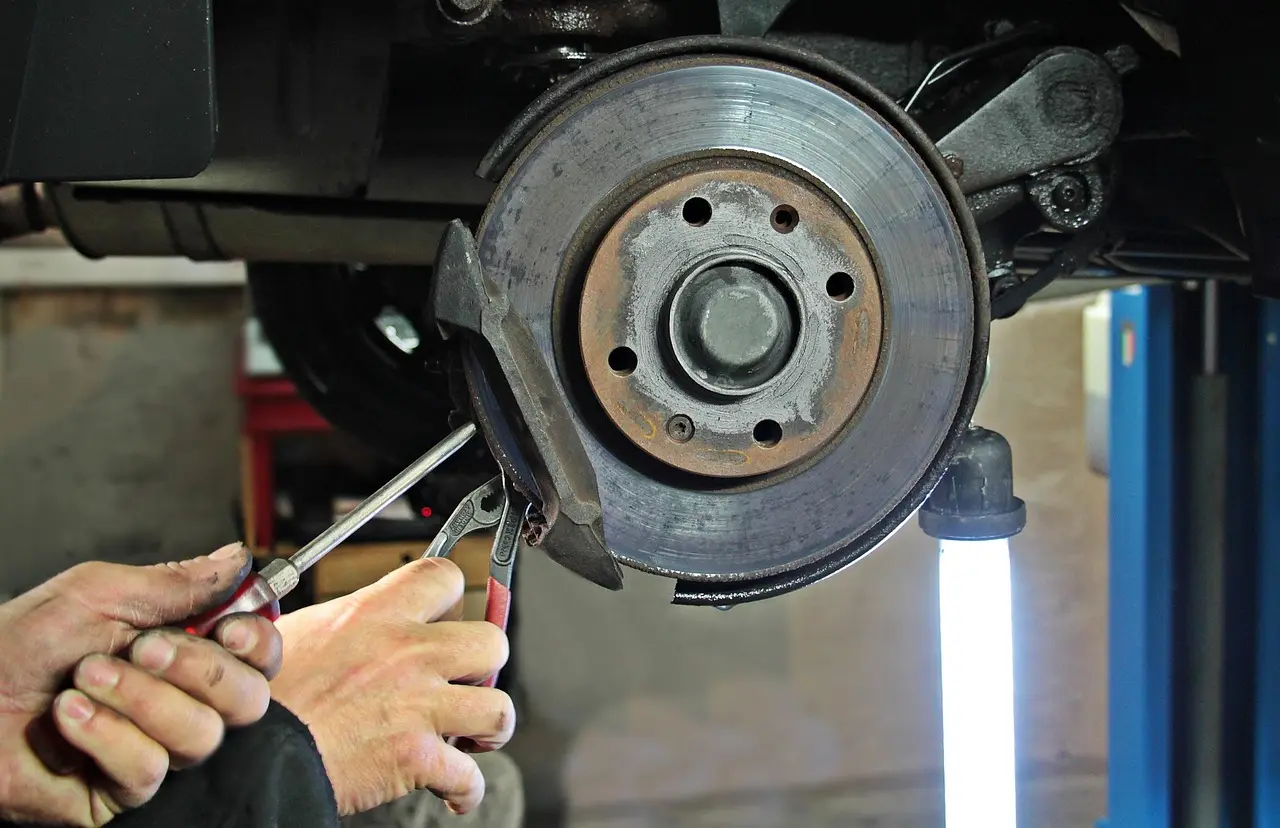
Brake pads can be a reasonable DIY job for a careful owner with the right tools, because the workflow is predictable once the wheel is off. Battery swaps on simple vehicles and many filter changes also fit here. These jobs still need attention to torque, cable routing, and axle-by-axle procedure.
DIY only if experienced
Thermostat replacement belongs here because it usually means coolant drain and refill, plus the need to match the correct coolant type. Wheel bearings also fit this category because hand tools are usually not enough; the bearing job often needs a hydraulic press, and forcing the part can damage the hub or knuckle.
Professional only
Timing belt or timing chain work is shop territory because timing marks and special holding tools matter, and a small error can bend valves and destroy the engine. Airbag and SRS components are also professional only because they are live pyrotechnic devices with serious safety restrictions.
Repair decision table: DIY safely, DIY only if experienced, or professional only

| Repair category | DIY safely | DIY only if experienced | Professional only | Estimated hidden costs | Risk flag |
|---|---|---|---|---|---|
| Brake pads | Yes, on familiar cars with basic access. | If caliper hardware is rusty or the piston needs careful compression. | If the car has electronic parking brake complexity or seized hardware. | Torque wrench, brake cleaner, possible caliper hardware. | Usually reversible, but a bad install can damage rotors or create unsafe braking. |
| Battery replacement | Yes on simple vehicles with easy terminal access. | On newer cars that need battery registration or memory protection. | On BMW, Audi, and Mercedes models that need coding or registration if the owner lacks scan access. | Battery $100 to $200, scan/reset step, possible memory saver, registration time. | Usually reversible, but an unregistered battery can cause charging faults. |
| Thermostat replacement | Only on simple engines with easy coolant access. | Common on cars with cramped layouts and precise refill procedures. | If coolant bleed steps, sensor access, or deep disassembly are required. | Coolant, bleed tools, gasket, possible scan to clear temperature faults. | Usually reversible, but coolant mixing can create long-term damage. |
| Timing belt or timing chain | No. | Rarely, and only with full procedures and special tools. | Yes, for nearly all owners. | Holding tools, seals, belts or chain kit, possible scan checks. | Non-reversible if timed wrong; can bend valves and destroy the engine. |
| Airbag and SRS components | No. | No. | Yes. | Scan and reset steps, module handling, safety procedure time. | Non-reversible injury risk because these are live pyrotechnic devices. |
| Wheel bearings | No, for most owners. | Only with press experience and proper fixtures. | Usually yes. | Hydraulic press, new hardware, alignment in some cases. | Usually non-reversible if the bearing or hub is damaged during removal. |
Do modern cars change the DIY math?
Yes. Newer cars add registration, coding, calibration, and fill procedures that older cars often did not need. That means the same repair can move from simple to borderline just because the car expects the tool to answer back after the part is replaced.
Battery registration on BMW, Audi, and Mercedes
Some cars require battery registration after replacement. On newer BMW, Audi, and Mercedes models, that step can matter for charge management and battery life. A battery swap without the reset may still crank the car, but the charging strategy may be wrong.
Coolant type mismatches and thermostat work
Thermostat work is not only about bolts. The refill must use the correct coolant type, and mixing coolant formulas can cause sludge, seal issues, or poor heat transfer. This is one of the easiest “small” DIY jobs to turn into a cooling-system problem.
Calibration, coding, and reset steps that follow repairs
Modern repairs often end with a scan step, a relearn, or a calibration. That is why an OBD2 code reader is not the same as a full diagnostic tool. If the post-repair step cannot be completed, the job is not finished even if the mechanical part is installed.
Why newer cars create more hidden labor
Hidden labor comes from access, fastener strategy, and software. A simple part may sit behind air ducts, splash shields, or electronic modules, and the repair does not end until the system sees the new part and clears its own fault memory.
Choose DIY Car Repair if… / Choose Professional Mechanic if…
Choose DIY Car Repair if…
The job is documented for the exact vehicle, uses basic hand tools, and does not need calibration or registration. First-time owners also do well with simple filters, gas caps, and easy battery swaps on older vehicles where the failure is obvious and the parts are cheap.
High-mileage cars can be good DIY candidates when the goal is to keep costs down on reversible repairs. Simple brake pad work also fits if the owner has a torque wrench, can compress the piston correctly, and is willing to work axle by axle.
Choose Professional Mechanic if…
Choose a professional when the repair is safety-critical, hidden behind special tools, or tied to live systems. That includes timing work, SRS parts, wheel bearings that need a hydraulic press, and modern battery replacement on cars that need registration or scan-based setup.
European and luxury models often belong in the shop sooner because a basic part swap can trigger coding, module faults, or long diagnostic time. If the repair is not reversible, or if a mistake can bend valves, ruin a hub, or disable an airbag system, pay the shop.
What should I check before attempting a repair myself?
Check whether the repair is reversible, whether the car needs scan or registration steps, and whether the fasteners or parts need torque control. Also confirm part numbers, coolant or fluid type, and whether the vehicle needs a lift, press, or special holding tool. If any of those are unknown, stop and research first.
Use this pre-repair checklist
- Confirm the exact vehicle year, engine, and trim.
- Read the full procedure for that repair, not just a short video.
- Check for torque specs, special tools, and one-time-use hardware.
- Identify any scan, reset, coding, or registration step.
- Confirm the repair is reversible before unbolting anything.
How do I know if a repair needs diagnostic tools I don’t have?
If the job has a warning light, a sensor fault, or a symptom that could come from several systems, it likely needs diagnostic access beyond a basic code reader. If the repair manual mentions coding, relearn, adaptation, or calibration, the owner should assume extra scan work is part of the job.
Signs the tool gap is real
Tool mismatch is obvious when the old part is not the whole diagnosis. Misfires, charging faults, airbag lights, steering warnings, and battery registration prompts often need more than a parts swap. In those cases, buying parts first is usually the expensive mistake.
Will DIY car repairs void my warranty?
DIY repairs do not automatically void a warranty, but bad work can create a service-record dispute if the failure looks linked to the repair. A missing torque spec, the wrong fluid, or a skipped registration step can give the dealer a reason to deny coverage for the damaged related part.
Keep receipts, note the parts used, and follow the factory procedure. That matters most on newer cars and on repairs that affect charging, braking, or emissions-related systems.
Frequently asked questions
Is it cheaper to DIY car repairs or pay a mechanic?
DIY is cheaper when the repair is simple, the part is affordable, and the tools are reusable. A mechanic is usually the better value when the job needs diagnostics, registration, or special tools, because labor is expensive but so is a failed first attempt.
What car repairs should I never do myself?
Airbag and SRS work, timing belt or chain jobs, and most wheel bearing jobs should stay in a shop. These repairs can create non-reversible damage or serious injury if the sequence is wrong, and the hidden tool requirements are often greater than they look.
Which repairs are safe for a beginner DIY mechanic?
Beginner-friendly jobs include air filters, gas caps, and some battery swaps on older vehicles with simple access. Brake pads can be possible for a careful beginner, but only with a torque wrench, proper piston compression, and a clear plan for the axle-by-axle workflow.
Do I need special tools for brake pad replacement?
Yes, often more than basic hand tools. A torque wrench is important, and a C-clamp or piston compressor is usually needed to retract the caliper piston. Rusty hardware, electronic parking brakes, or seized slide pins can push the job out of beginner territory.
When does a DIY repair become more expensive than a shop?
The math changes when you must buy specialty tools, a scan tool, coolant, registration access, or replacement hardware after a mistake. If one error can force a second teardown or a tow, the “saved” labor often gets lost fast.
How do I know if a repair needs diagnostic tools I don’t have?
If the repair involves battery registration, module coding, calibration, or a warning light with several possible causes, basic tools may not be enough. When the procedure calls for scan access that a simple OBD2 reader cannot provide, a shop is the safer and cheaper route.
Products related to this article
Sponsored / affiliate links. As an Amazon Associate I earn from qualifying purchases. I may earn additional commission from eligible campaigns.