Ceramic Coating Spray vs Traditional Wax: Which Wins?
Choose ceramic coating spray if you want a few months of protection with fewer reapplications; choose traditional wax if you want an easy, low-cost finish to apply and remove.
This guide is part of our Car wash supplies and equipment guide series.
Pick the wrong one, and you can burn money on short-lived protection, leave streaks or high spots, or spend extra time stripping off a bad product. This guide compares cost, effort, durability, and failure cases so you can pick the better DIY paint protection for your car and schedule.
Ceramic coating spray vs traditional wax: the real trade-off
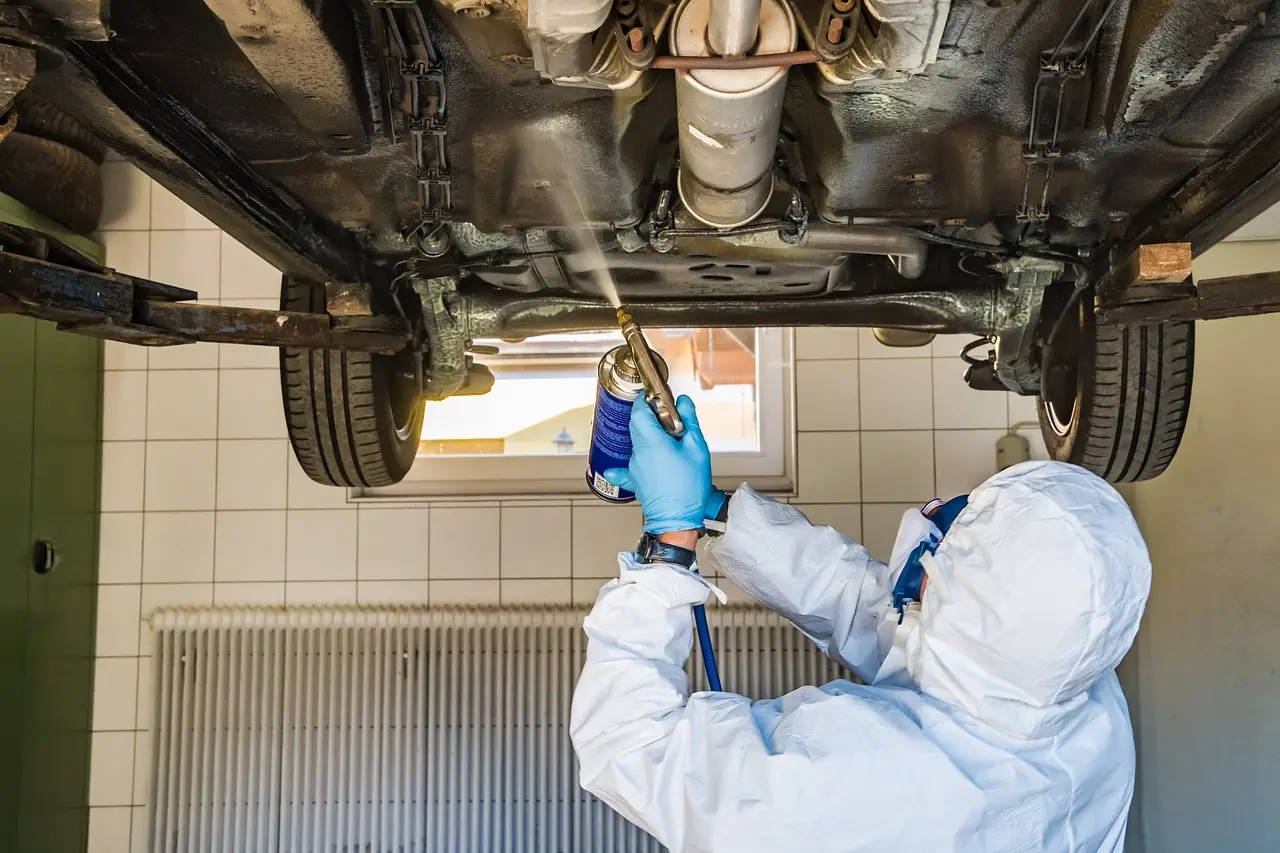
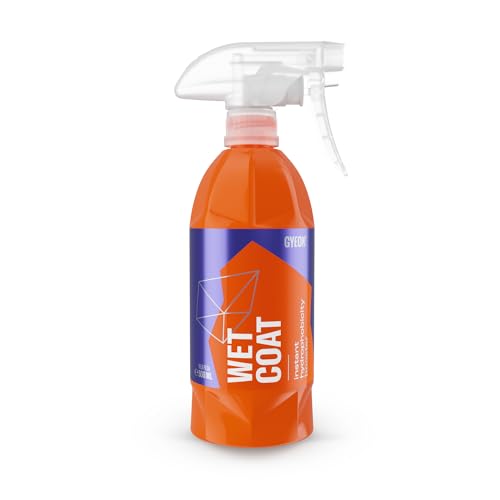

On a maintenance chart, ceramic spray wins when time matters and the paint is already clean enough to take it. Traditional wax wins when the owner wants low-risk application, simple removal, and a cheap reset after mistakes or after a wash cycle goes bad.
| Decision factor | Ceramic Coating Spray | Traditional Wax | Winner |
|---|---|---|---|
| Up-front cost | Higher per bottle or kit; Turtle Wax spray coating is listed at $15.00 for 16 fl oz | Usually lower per tin or bottle, especially carnauba wax | Traditional Wax |
| Durability | Usually measured in months, not weeks, when prep is done well | Often 4-6 weeks for carnauba wax; synthetic sealant wax may last 3-6 months | Ceramic Coating Spray |
| Ease of removal | Can streak or haze if applied thick, in sun, or on dirty paint | Easy to wipe off and reset | Traditional Wax |
| Water behavior | Strong hydrophobic behavior and fast sheeting / beading | Beading is common, but usually fades sooner | Ceramic Coating Spray |
| Prep sensitivity | Needs clean paint; clay bar and often paint correction matter | More forgiving on less-than-perfect paint | Traditional Wax |
Up-front cost
Wax is the cheaper starting point. Carnauba wax, the natural wax source used in many traditional products, is the budget route for quick hand application and easy reset work. Ceramic spray costs more per ounce of useful life because prep and repeat wash discipline matter more.
Durability
Ceramic spray lasts longer when the surface is clean and the coating is allowed to cure properly. Traditional wax is still a short-term sacrificial layer, which is why it stays popular for people who do not want a long commitment to one finish.
Failure tolerance
Wax is more forgiving if the paint is dusty, the panel is warm, or the owner is learning. Ceramic spray is less forgiving because once it bonds, it can lock in residue, soft clear-coat haze, and swirls that should have been polished out first.
According to turtlewax.com — Turtle Wax’s spray coating is sold as a 16 fl oz product.
What is traditional car wax, and when does it still make sense?
Traditional car wax is a temporary protective layer laid on top of paint. Carnauba wax gives a warm gloss and short lifespan, while synthetic waxes and paint sealants use polymer chemistry for longer life, often stretching into months instead of weeks.
Carnauba wax versus paint sealant
Carnauba wax comes from a natural wax source and is valued for a soft, warm look. Paint sealant is the synthetic variant; it usually lasts longer than carnauba, but it still does not behave like a ceramic spray in service life or wash resistance.
Why wax still has a place
Wax is cheap up front, easy to hand-apply, and simple to remove if the result disappoints. That makes it a practical choice for beginners, budget use, leased cars, and people who want a low-risk paint reset after a bad wash or a rough season.

What is ceramic spray coating, really?
Ceramic spray coating is a spray-on, wipe-off product built around SiO2 coating chemistry, meaning silicon dioxide-based liquids or ceramic-bonding polymers that aim to leave a harder, more water-repellent film than wax. It is not the same thing as a full professional ceramic coating, but it follows the same maintenance logic.
How it behaves on paint
The promise is a thin, glass-like hardened layer that bonds to the clear coat. In practice, that bond depends on clean paint, careful wipe-off, and enough cure time to keep the coating from smearing or leaving high spots.
Why prep matters
Turtle Wax recommends clay bar prep for best results, which lines up with the mechanics here. Clay bar work removes bonded grime such as tar, bug residue, and bird droppings that normal washing leaves behind, and paint correction matters because a coating can lock in swirls and scratches if they are already there.
How long does ceramic spray last compared with wax?
Ceramic spray usually outlasts traditional wax by a wide margin in real DIY use, but only if the paint was cleaned properly and the coating was allowed to cure. Carnauba wax often lasts 4-6 weeks, synthetic sealant wax may last 3-6 months, and consumer-grade ceramic coatings are commonly sold with 1-2 year claims, though spray products generally sit lower in real-world durability.
What shortens life
Harsh wash chemistry, poor prep, repeated touch washes, and skipping cure time all cut service life. Direct sun during application can also cause streaking, which turns a 20-minute job into a panel-by-panel cleanup.
When wax is easier to live with
If the owner is willing to wax more often, the maintenance burden can be simpler than trying to protect a ceramic spray from bad prep or bad wash habits. Wax fades sooner, but the cost of a redo is low and the cleanup is usually straightforward.
Can you apply ceramic spray coating without paint correction?
Yes, but it is a compromise. You can apply ceramic spray after a solid wash and decontamination, yet skipping paint correction means swirls, etched spots, and light scratches stay visible because the coating will preserve the surface below it rather than fix it.
When wash and clay are enough
For a daily beater, a lease return, or a car that already has cosmetic wear, a wash plus clay bar prep may be enough. That gets the paint clean, improves bonding, and avoids spending money polishing a finish that will not be kept long-term.
When correction is worth it
If the paint will be protected for months, or if the owner cares about appearance after protection, a light polish before coating pays off. Ceramic spray is best treated as a maintenance layer, not a repair step.
12-month and 24-month DIY ownership cost table
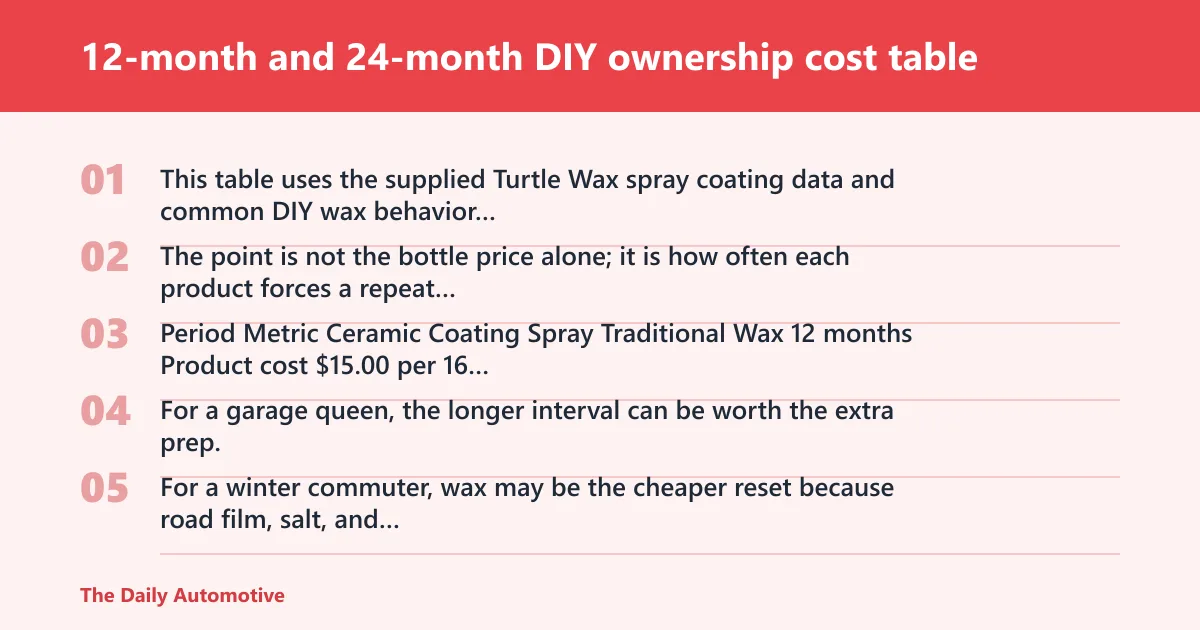
This table uses the supplied Turtle Wax spray coating data and common DIY wax behavior to compare ownership over time. The point is not the bottle price alone; it is how often each product forces a repeat job, how much prep it needs, and how much time the owner gives up across a year or two.
| Period | Metric | Ceramic Coating Spray | Traditional Wax |
|---|---|---|---|
| 12 months | Product cost | $15.00 per 16 fl oz product | Lower up front; varies by wax type |
| Number of applications | Usually 2 to 4 applications for a full year on a daily driver | About 3 to 8 applications, depending on whether it is carnauba wax or a sealant wax | |
| Prep time | Wash, dry, and often clay bar prep before first application; lighter prep on top-up applications | Wash and dry are often enough for routine use | |
| Cure or wait time | Turtle Wax says wait 24 hours before applying a second coating | Usually short, with buffing done soon after haze forms | |
| Reapplication cadence | Every few months, sooner if wash habits are rough | Every 4-6 weeks for carnauba wax, or every few months for sealant wax | |
| 24 months | Product cost | May still be one bottle for a single car, but time cost rises with prep discipline | Needs more repeat product purchases over time |
| Number of applications | Usually 4 to 8 applications over two years | About 6 to 16 applications, depending on product type and climate | |
| Prep time | Front-loaded prep remains the main cost | Light prep each time, but repeated more often | |
| Cure or wait time | Wait time matters less often, but every failure costs extra cleanup | Short wait, then easy buffing | |
| Reapplication cadence | Seasonal or semiannual for many DIY owners | Monthly to quarterly, depending on wax type |
For a daily driver, ceramic spray usually saves time only if the owner keeps the paint clean enough to let the product do its job. For a garage queen, the longer interval can be worth the extra prep. For a winter commuter, wax may be the cheaper reset because road film, salt, and frequent washes shorten any coating’s useful life.
Which is easier to apply by hand: wax or ceramic spray?
Wax is easier by hand because it is more forgiving and usually less picky about the panel state. Ceramic spray is still simple in format, but “spray-on, wipe-off” does not mean “no skill needed,” and a microfiber towel matters because one side handles spread while the dry side finishes the buff.
How the microfiber towel changes the result
A clean microfiber towel lets the user level the spray product before it sets. If the towel is dirty, damp, or over-saturated, the coating can streak instead of laying down evenly.
Common mistakes
Applying in direct sun, using too much product, or working a dirty panel are the usual failure points. Ceramic spray coating from Turtle Wax is described as a spray on/wipe off product, but that simplicity still assumes clean paint and careful section work.
What is the difference between carnauba wax and ceramic coating?
Carnauba wax is a natural, temporary sacrificial layer with a warm gloss and shorter lifespan. Ceramic coating chemistry uses SiO2-based material or ceramic-bonding polymers that aim to form a more durable, glass-like film on the clear coat, with stronger hydrophobic protection and longer service life.
Gloss and appearance
Wax usually gives a softer, warmer look. Ceramic spray tends to produce a higher-gloss appearance, which some owners prefer on metallic or dark paint, though gloss alone should not decide the purchase.
Protection differences
Both products help with UV protection and contamination resistance, but the coating claims are stronger. Ceramic spray is also built around water-beading and faster cleaning, while wax mainly gives short-term sacrificial coverage and easier rework.
How much does ceramic spray coating cost versus traditional wax?
Ceramic spray usually costs more at the shelf, but not always more over a year if the owner would otherwise buy wax repeatedly. Turtle Wax’s spray coating is listed at $15.00 for a 16 fl oz bottle, while a DIY ceramic kit can cost 50-150, which shows how wide the market is even before labor and prep are counted.
True cost over time
The cheap bottle is only half the story. If the wax route requires many more applications, the owner spends more weekends cleaning, drying, and buffing even if each bottle is inexpensive.
Where wax still wins on cost
If the vehicle is a low-value commuter or a lease that will be turned in soon, the lowest-cost reset still belongs to wax. The owner buys less product, spends less on prep, and accepts that the finish will be temporary.
Does ceramic coating spray replace wax completely?
No. Ceramic spray reduces how often wax is needed, but it does not make wax obsolete for every owner or every panel condition. Wax still wins when the goal is reversibility, simple touch-up work, or a cheap short-term shine after a basic wash.
Where ceramic spray takes over
If the paint is clean, corrected, and maintained with compatible wash chemistry, ceramic spray can take over the main protection job for a long stretch. That is especially useful for owners who hate monthly re-waxing.
Where wax stays useful
Wax remains handy as a quick reset, a beginner-friendly product, or a stopgap for vehicles that get ignored between washes. It also makes sense when a driver wants protection without committing to coating prep.
What protection does ceramic spray coating offer that wax does not?
Ceramic spray claims stronger hydrophobic protection, better chemical resistance, and longer-lasting UV protection than traditional wax. In daily use, that means dirt and water release more easily, which can shorten wash time and reduce how often the finish needs a full redo.
Hydrophobic behavior
The water-beading effect is the visible selling point. Turtle Wax calls its spray coating a “super hydrophobic formula,” and it also mentions “long-lasting protection” and a “high-gloss finish,” which line up with what owners expect from ceramic-style products.
What wax still does well
Wax still gives a sacrificial layer against light contamination and short-term weather exposure. It just does that for a shorter window, so the owner must accept more frequent maintenance.
How often do you need to reapply traditional wax?
Traditional wax often needs reapplication every 4-6 weeks for carnauba wax, and synthetic sealant wax can stretch to 3-6 months. The right interval depends on climate, wash method, and whether the car spends its time garaged, parked outside, or driven through winter grime.
What shortens the interval
Frequent washing, harsh detergents, and road contamination all strip wax faster. Bird droppings, tar, and bug residue can also eat into the finish if they sit too long, which is one reason owners who dislike frequent touch-ups move toward ceramic spray.
Choose Ceramic Coating Spray if… / Choose Traditional Wax if…
Choose ceramic coating spray if you want longer gaps between maintenance, are willing to wash and decontaminate the paint first, and can tolerate a more careful application process. Choose traditional wax if you want the lowest-risk hand application, the easiest removal, and the cheapest way to get a protective layer back on the car after each wash cycle.
Choose ceramic coating spray if…
- The car is a daily driver and you want fewer reapplications across 12 months.
- You can wash, clay, and, if needed, do paint correction before coating.
- You want strong hydrophobic behavior and less effort during routine washes.
- You are comfortable waiting for cure time and following section-by-section application.
Choose traditional wax if…
- You are new to paint protection and want a forgiving first product.
- You want a cheap reset that is easy to remove if the result is uneven.
- The car is a lease, budget commuter, or seasonal vehicle.
- You prefer quick application over longer service life.
Frequently asked questions
Is ceramic coating spray better than traditional wax?
Ceramic spray is better if the goal is longer service life, stronger water beading, and fewer reapplications. Traditional wax is better if the goal is low-risk application, lower initial cost, and easier removal when the finish is not perfect.
How long does ceramic spray coating last compared with wax?
Ceramic spray usually lasts longer than traditional wax by a clear margin, often measured in months rather than weeks. Carnauba wax may last 4-6 weeks, synthetic sealant wax may last 3-6 months, and ceramic spray can stretch farther when the paint is properly cleaned and maintained.
Can you apply ceramic spray coating without paint correction?
Yes, but any swirls, scratches, or haze already in the clear coat can remain visible. Paint correction is the better choice when the owner wants the coating to sit on top of a cleaner, flatter surface rather than locking in existing defects.
What is the difference between carnauba wax and ceramic coating?
Carnauba wax is a natural, temporary surface layer with a warm gloss and shorter lifespan. Ceramic coating uses SiO2-based chemistry or ceramic-bonding polymers to create a more durable film with stronger hydrophobic protection and longer maintenance intervals.
Which is easier to apply by hand: wax or ceramic spray?
Wax is easier by hand because it is more forgiving and simpler to remove. Ceramic spray is still straightforward, but it asks for cleaner paint, better towel control, and more careful section work to avoid streaks or high spots.
How much does ceramic spray coating cost versus traditional wax?
Ceramic spray usually costs more up front, though the gap can narrow over a year if wax needs repeated purchase and application. Turtle Wax’s spray coating is listed at $15.00 for 16 fl oz, while many traditional waxes start lower but must be reapplied more often.
Products related to this article
Sponsored / affiliate links. As an Amazon Associate I earn from qualifying purchases. I may earn additional commission from eligible campaigns.