Griot’s Garage Foaming Surface Wash Review: Worth It?
Griot’s Garage Foaming Surface Wash is a smart pick for coated cars and lightly dirty paint when you wash with a foam cannon. It makes less sense on heavily soiled panels, where a stronger prewash or a cheaper two-bucket shampoo does the real cleaning.
This guide is part of our Car wash supplies and equipment guide series.
Verdict


Its value rises when you want a pH-neutral maintenance wash that is kinder to wax, sealant, or ceramic coating during routine cleaning. Mixed at the right ratio, it can work as a foam-cannon prewash or a contact wash; mixed too weakly, it can leave you paying extra for foam without much cleaning gain.
Pros and cons
- Pros: pH-neutral wash for routine cleaning; compatible with foam cannon, foam gun, and bucket use; suitable for wax, sealant, and ceramic-coated finishes.
- Pros: Better fit for regular upkeep than for heavy grime; can reduce contact on delicate paint when used as a prewash.
- Cons: Not a substitute for fallout remover, bug remover, or a strong prewash on neglected vehicles.
- Cons: Foam output and cleaning feel depend heavily on water hardness, sprayer setup, and dilution, so results can vary.
Specs at a glance
| Spec | What to know |
|---|---|
| Product category | Foaming surface wash for exterior vehicle cleaning |
| Intended use | Routine washing of painted, coated, waxed, and sealed exterior surfaces |
| Application methods | Foam cannon, foam gun, and hand-bucket washing |
| Protection compatibility | Designed to be maintenance-friendly for wax, sealant, and ceramic coating |
| Cleaning strength | Gentler than strong degreasers or heavy-duty prewashes; aimed at routine dirt |
| Rinse behavior | Should rinse clean when mixed correctly; residue risk rises with hard water or overconcentration |
Who it is for
This wash is for owners who want a maintenance soap, not a fix-all cleaner. It fits daily drivers with regular road film, ceramic-coated cars that need a pH-neutral wash, and waxed or sealed vehicles that should not be stripped every time they are washed.
It is a weaker fit for muddy trucks, neglected paint, and cars with caked-on salt or traffic film. A common first-timer mistake is picking foam because it looks aggressive, then expecting it to replace a prewash step that should have used stronger chemistry.
Daily drivers that need routine care
If the car gets light dust, pollen, or road film each week, this is the type of soap that makes sense. It keeps protected paint clean without forcing a harsh reset after every wash.
Ceramic-coated or waxed vehicles
For coated or waxed finishes, the main value is compatibility. A pH-neutral maintenance wash is less likely to disturb protection than a stronger alkaline cleaner, though the coating still needs correct washing technique and enough dilution control.
Matte paint and sensitive finishes
Matte paint needs caution because glossing additives, heavy polishing habits, and aggressive contact washing can leave patchy appearance differences. The soap itself is not the main risk; residue, towel pressure, and the wrong add-ons are.
What works
Griot’s Garage Foaming Surface Wash works best as a maintenance wash where the goal is to lift light contamination and preserve existing protection. Product positioning and formula type both point to a pH-neutral cleaner that suits wax, sealant, and ceramic coating better than stronger cleaners do.
It also works as a foam-cannon prewash. The surfactants can sit on the surface long enough to loosen film before contact washing, which helps on cars that are dirty enough to need more than a quick rinse but not dirty enough to need a dedicated strip wash.
How it behaves as a maintenance wash
As a maintenance wash, it is meant to reduce friction and help the mitt glide across the panel. That matters more on protected paint than on bare, neglected clearcoat, because the point is preservation, not aggressive cleaning.
Rinse behavior and residue risk
With proper dilution, it should rinse without much film. Residue risk climbs when water is hard, the mix is too concentrated, or the sprayer output is weak enough that the soap never really sheets away. That is where foam can look good but clean poorly.
Hypothetical use cases
Suppose a sedan has a ceramic coating and only a week of highway dust. A foam-cannon prewash followed by a gentle contact wash is a sensible match. Picture a pickup with winter salt, tar spots, and muddy wheel arches: this soap alone is not enough, and a stronger first step is the better choice.
What does not
The biggest drawback is that this is still a maintenance soap, not a heavy-duty cleaner. If the vehicle has bonded grime, thick road film, or old residue from repeated washes, the soap can only do so much before the mitt starts dragging contamination around.
It is also easy to overspend on foam. A dedicated foaming wash can be unnecessary if you already use a good bucket shampoo and the car is only lightly dirty. In that case, the foam stage adds steps and cost without changing the result much.
Failure cases to watch
- Hard water: Can leave spotting or a dulling film if the rinse is slow or incomplete.
- Weak foam output: A poor foam cannon or low-pressure hose setup may produce thin coverage that drains quickly.
- Neglected paint: On heavy contamination, the wash can slide over grime instead of lifting it.
- Incorrect dilution: Too much product can leave residue; too little can reduce cleaning and dwell time.
How does it perform by wash method?
The wash method matters as much as the soap. Foam cannon use gives you the best chance at even coverage and controlled dilution. Foam gun use is gentler on hardware and easier to set up. Bucket washing works, but the soap’s main advantage becomes lubrication rather than visible foam.
Foam cannon
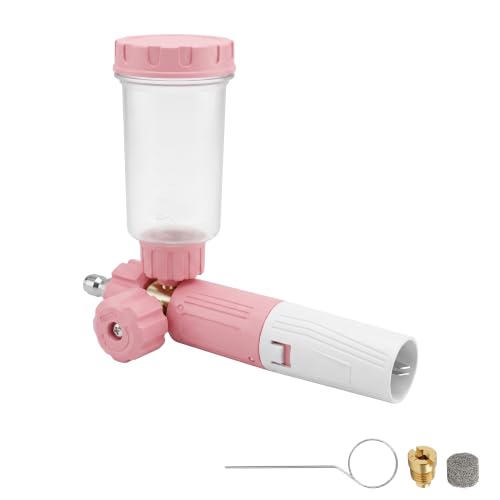
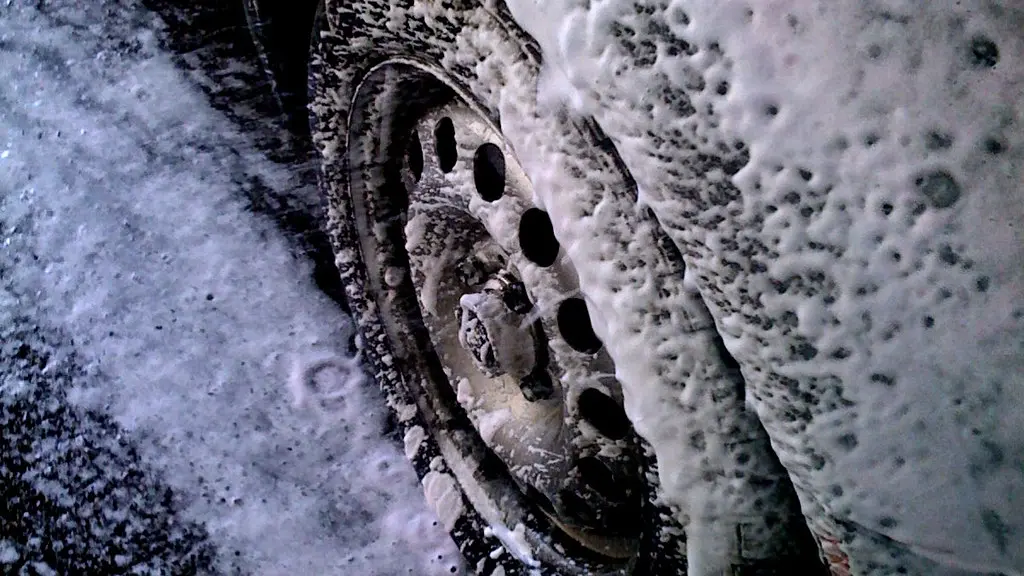
A foam cannon, attached to a pressure washer, is the best match if your goal is coverage. It lays soap across panels quickly and lets you tune dilution better than a hose attachment. Foam thickness depends on nozzle, pressure, water hardness, and how concentrated you load the bottle.
Foam gun
A foam gun on a garden hose usually makes wetter, thinner foam than a pressure washer cannon. That can still help with light maintenance, but the dwell time is shorter and the soap film tends to run off faster on vertical panels.
Bucket wash
In a bucket, the wash behaves more like a conventional shampoo. You get lubrication for the mitt and less visual drama. The key risk is overmixing in hard water or leaving too much residue in the rinse water, which can show up as streaks on dark paint.
How do you use Griot’s Garage Foaming Surface Wash in a foam cannon?
Use it as a prewash or a full maintenance wash by filling the cannon bottle with the product at the maker’s suggested dilution range, then topping up with water. Spray from the lower panels upward for better coverage, let it dwell briefly, and rinse before it dries.
For best results, start with a clean vehicle, a cool panel surface, and enough pressure to generate a stable foam layer. If the foam collapses almost immediately, the usual causes are too much water, a weak washer, or hard water that interferes with surfactant performance.
- Rinse loose dirt off first.
- Fill the foam cannon bottle with the wash and water at the chosen dilution.
- Spray panels evenly, working from lower to upper sections if you want full coverage.
- Let the foam dwell briefly, but do not let it dry.
- Rinse thoroughly, then contact wash only if needed.
What dilution ratio should I use with Griot’s Garage Foaming Surface Wash?
Use the strongest dilution that still gives stable foam and clean rinse behavior. In a foam cannon, that usually means a concentrated mix for maintenance washing; in a bucket, a smaller amount is enough because the goal is lubrication, not bottle-filling foam. Water hardness changes the result more than many buyers expect.
A practical rule is to start conservatively and adjust. If the foam is thin, add product before adding more wash time. If the rinse leaves film, back the concentration down and check water quality before blaming the soap.
Wash-method matrix
| Method | Suggested dilution | Expected foam level | Residue risk | Best-fit vehicle type |
|---|---|---|---|---|
| Foam cannon | About 1 to 2 oz in a typical 32 oz bottle, then fill with water | High on a strong pressure washer; medium if pressure or water quality is weak | Low to medium; rises with hard water or overconcentration | Ceramic-coated cars, weekly maintenance washes, lightly soiled daily drivers |
| Foam gun | About 1 to 2 oz in the reservoir, adjusted for hose output | Medium; wetter and less dense than a cannon | Low if rinsed promptly; medium if left to dry | Garages without pressure washers, quick maintenance on protected paint |
| Bucket wash | About 1 to 2 oz in a standard wash bucket, then agitate to build suds | Low visible foam, but adequate lubrication when mixed correctly | Medium on dark paint if the solution is too strong or the water is hard | Hand washers, waxed cars, owners who care more about glide than foam |
How much foam does Griot’s Garage Foaming Surface Wash make?
It makes enough foam for maintenance washing, but the visible output depends heavily on the tool. A foam cannon should produce the thickest coverage, a foam gun should produce wetter and thinner foam, and a bucket should produce the least visible foam while still giving lubrication.
The product is not a magic foam generator. Water hardness, machine pressure, nozzle design, and dilution can all change the result enough that two owners can report very different foam quality from the same bottle.
Does Griot’s Garage Foaming Surface Wash strip wax or sealant?
It is intended to be maintenance-friendly rather than stripping. That makes it a better fit for wax, sealant, and ceramic-coated vehicles than harsher soaps that are meant to remove oils or prep for correction. Still, repeated strong dilution, hot panels, or aggressive agitation can shorten protection life over time.
If the goal is to preserve a coating, this is the right category of wash. If the goal is to strip protection before polishing or reapplying sealant, a dedicated prep wash is the better tool.
Is Griot’s Garage Foaming Surface Wash safe for ceramic coatings?
Yes, it is the kind of wash generally aimed at ceramic-coated vehicles because it is pH-neutral and designed for maintenance cleaning. That said, coating safety depends on correct dilution, prompt rinsing, and avoiding harsh mitt pressure on embedded dirt.
Ceramic coating does not make washing optional. It makes the washing method more important, because the goal is to clean the top layer without loading the surface with residue or micro-marring it during contact washing.
Can you use Griot’s Garage Foaming Surface Wash on matte paint?
Yes, but matte paint deserves extra restraint. Use a clean mitt, avoid waxy dressings or gloss additives, and rinse thoroughly so no film dries unevenly on the finish. The wash itself is not the main problem; contamination and residue are.
Matte panels show streaking faster than glossy ones. If the vehicle has matte wrap or matte-finish paint, a simple, well-rinsed maintenance wash is safer than an overloaded foam step followed by heavy towel work.
Is Griot’s Garage Foaming Surface Wash better than a regular car shampoo?
Not always. A regular car shampoo makes more sense when you mainly hand wash, the car is only lightly dirty, and you do not want to pay for a foam-focused formula that will not change the outcome much. In that case, cost per wash is the deciding factor.
A foam-focused wash is worth it when you want better prewash coverage, controlled dilution in a cannon, and a formula meant to preserve existing protection. For coated or frequently maintained cars, that is a real use case. For a garaged weekend car that sees little grime, a cheaper shampoo may be enough.
Cost-per-wash context
Without quoting an exact retail spread, the logic is simple: concentrated products cost more per bottle, but the per-wash cost can still stay reasonable if you use only a small amount. Foam-cannon users usually get the most value because the wash is diluted into a larger working volume.
Bucket users often spend more per wash in practice because they need enough solution to flood the mitt and maintain lubrication. If the vehicle does not need foam or coating-friendly chemistry, a basic shampoo can be the smarter buy.
What works and what does not
The wash earns its keep when you need a maintenance soap that plays well with protection layers and gives you a real prewash step. It is also a good fit if you want one product that can move between foam cannon, foam gun, and bucket without changing categories.
It is weaker when the car is dirty enough to need stronger chemistry, or when your setup cannot produce stable foam. In those cases, the bottle is not the limitation; the wash method is.
Bottom line by vehicle type
- Ceramic-coated car: Good fit, especially for weekly maintenance.
- Waxed or sealed car: Good fit if you want to avoid stripping protection.
- Matte car: Usable, but rinse and dry carefully.
- Daily driver with heavy grime: Better as part of a stronger two-step wash, not the only cleaner.
Alternatives

Meguiar’s Gold Class Car Wash is the better pick if you want a straightforward bucket shampoo with less focus on foam-cannon theatrics. Based on its spec sheet and broad owner feedback, it is the more obvious value play for hand washing, but it does not answer the same prewash need as a dedicated foaming surface wash.

Chemical Guys Mr. Pink is the option to compare if you want one soap that works in both a foam cannon and a bucket without aiming as strongly at maintenance-only use. It is cheaper at the bottle level, but buyers should still watch dilution and expect more generic wash behavior rather than a coating-first formula.
Should you buy it
Buy Griot’s Garage Foaming Surface Wash if you maintain a coated, waxed, or sealed vehicle and want a pH-neutral soap that makes sense in a foam cannon. That is the cleanest fit, and it is where the product earns its price.
Skip it if you mostly hand wash a lightly dirty car, if your vehicle is often heavily soiled, or if your current shampoo already cleans well without leaving residue. For those cases, the dedicated foam step is optional, not essential.
Frequently asked questions
Is Griot’s Garage Foaming Surface Wash safe for ceramic coatings?
Yes, it is aimed at maintenance washing on coated paint and is positioned as pH-neutral. That matters because ceramic coatings should be cleaned with a formula that removes road film without attacking the coating layer. Correct dilution and a clean mitt still matter more than the label alone.
How do you use Griot’s Garage Foaming Surface Wash in a foam cannon?
Mix the product in the cannon bottle at a conservative maintenance-wash dilution, top with water, spray evenly over cool panels, and rinse before it dries. If the foam looks thin, check pressure, nozzle, and water hardness before dumping in more soap.
What dilution ratio should I use with Griot’s Garage Foaming Surface Wash?
Start with about 1 to 2 ounces in a 32-ounce foam cannon bottle, or a similar small amount in a bucket, then adjust for your water and sprayer. The right ratio is the one that gives stable coverage and a clean rinse, not the one that looks thickest on the panel.
Does Griot’s Garage Foaming Surface Wash strip wax or sealant?
No, it is intended as a maintenance wash, so it is a better match for preserving wax and sealant than a stripping cleaner would be. It can still shorten protection life over time if you wash too aggressively, use hot panels, or leave residue behind.
Is Griot’s Garage Foaming Surface Wash worth it for hand washing?
Sometimes, but not always. If you mainly use a bucket and want a simple shampoo, a cheaper car wash soap can be enough. The Griot’s formula makes more sense when you want the option to foam first, keep protection layers in place, and use the same wash across multiple methods.
How much foam does Griot’s Garage Foaming Surface Wash make?
It should make enough foam for maintenance use, but the amount depends on the tool and water. A pressure washer foam cannon will show the most coverage, a foam gun will make thinner foam, and a bucket will focus more on lubrication than visible suds.
Can you use Griot’s Garage Foaming Surface Wash on matte paint?
Yes, but rinse carefully and avoid heavy residue. Matte finishes are less forgiving of streaks, slick additives, and dirty wash media, so the real concern is technique. The soap itself is suitable as long as the wash stays gentle and complete.
Products related to this article
Sponsored / affiliate links. As an Amazon Associate I earn from qualifying purchases. I may earn additional commission from eligible campaigns.