Choosing the Best Dashboard Protector from Sun Damage
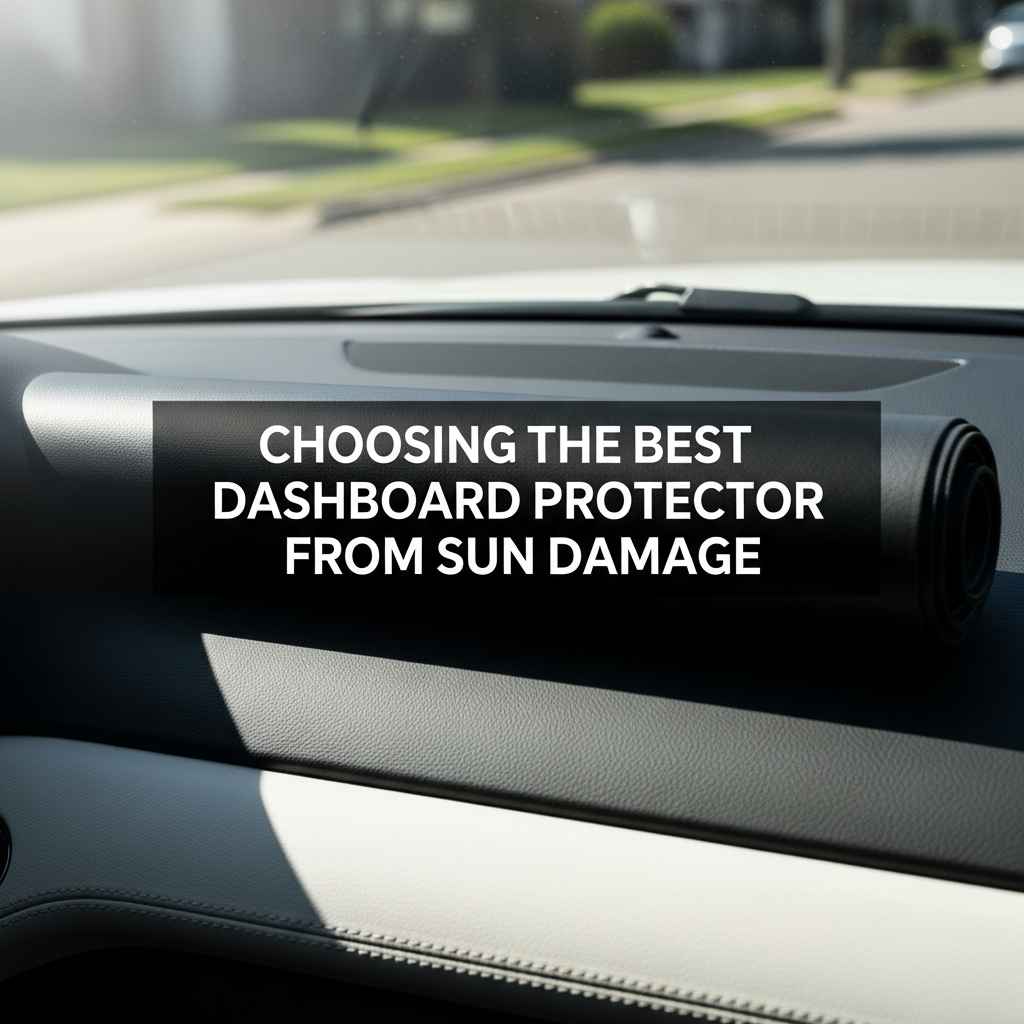
Finding the right Best Dashboard Protector from Sun Damage can feel a little tricky. You want to keep your car looking great, but the sun can be tough on your dashboard. Fading, cracking, and annoying glare are common problems. Lots of options exist, and it’s hard to know which one actually works well. Don’t worry, we’ll walk through it simply, step-by-step. Get ready to learn what to look for and how to protect your car’s interior.
Understanding Dashboard Sun Damage
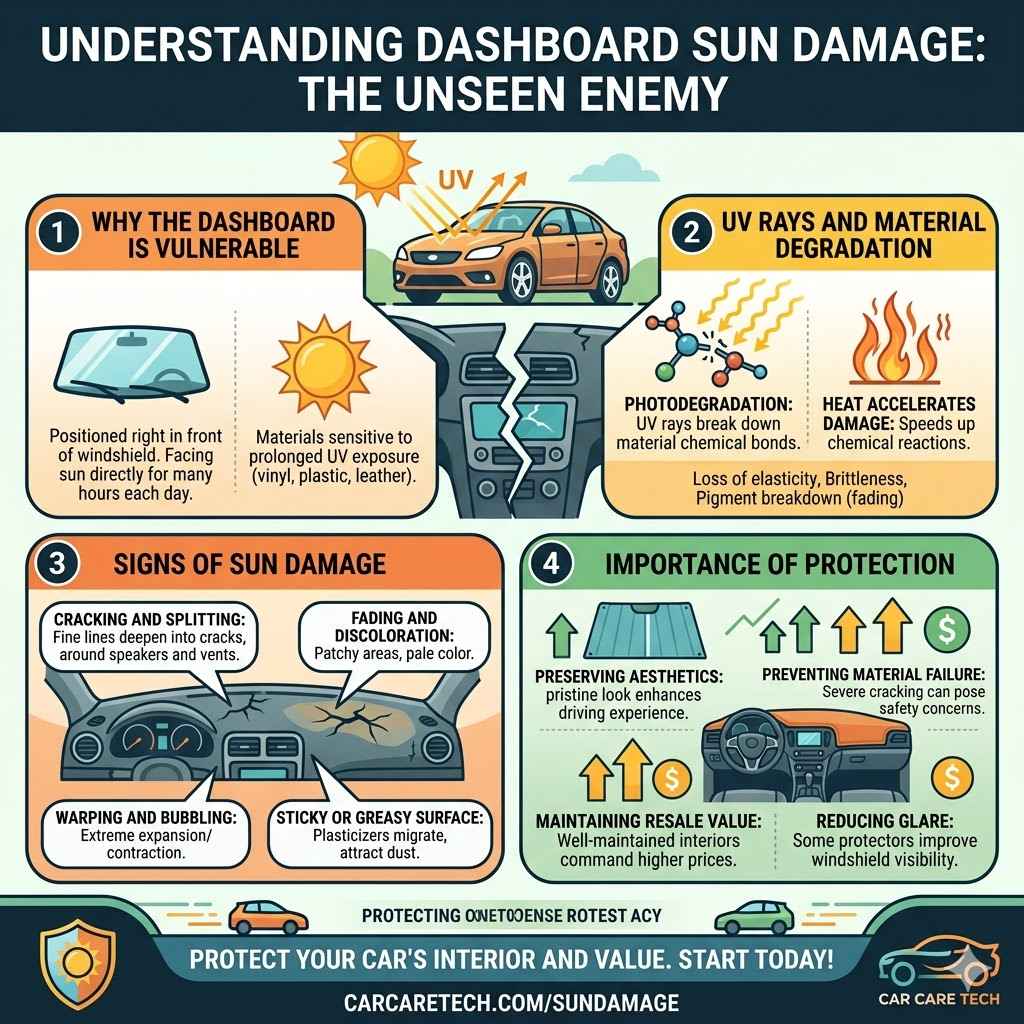
Sun damage is a major enemy of your car’s interior, especially the dashboard. The sun’s powerful ultraviolet (UV) rays can slowly break down the materials that make up your dashboard. This leads to visible signs of wear and tear that can make your car look older and less appealing. Protecting your dashboard is a key part of maintaining your car’s value and comfort.
Why the Dashboard is Vulnerable
The dashboard sits right in front of the windshield, directly facing the sun for many hours each day. Materials like vinyl, plastic, and even leather are sensitive to prolonged UV exposure. Over time, these materials can lose their flexibility and color. This makes them prone to cracking and fading.
UV Rays and Material Degradation
UV rays are a form of electromagnetic radiation emitted by the sun. When these rays hit your dashboard, they carry enough energy to break the chemical bonds within the polymers that make up the dashboard materials. This process is known as photodegradation. It weakens the material structure, leading to brittleness.
The heat generated by the sun also plays a role. Sunlight warms the dashboard’s surface, and this heat can accelerate the chemical reactions caused by UV rays. This double impact speeds up the damage.
This degradation can result in a loss of elasticity. Materials become stiff and dry, making them more likely to crack when the temperature changes or when you touch them.
Color fading is another common consequence. Pigments in the plastic or vinyl can break down under UV light, causing the dashboard to look lighter or unevenly discolored.
The glossy finish can also dull and become hazy. This affects the appearance and can sometimes make the surface feel rougher.
Signs of Sun Damage
Recognizing the signs of sun damage is the first step to preventing further harm. Early detection allows you to take action before the damage becomes severe and irreversible. The most obvious signs are visual, but sometimes tactile changes occur too.
Cracking and Splitting: This is one of the most serious signs. You might see fine lines that deepen into significant cracks, especially on areas with more stress, like around speakers or air vents.
Fading and Discoloration: The dashboard might look pale or have patches of lighter color. This is often more noticeable on darker dashboards.
Warping and Bubbling: In extreme cases, the dashboard material can warp or form bubbles as it tries to expand and contract with temperature changes, a process exacerbated by UV damage.
Sticky or Greasy Surface: Sometimes, the plasticizers in the dashboard materials can migrate to the surface, creating a sticky or greasy feel. This can attract dust and dirt, making the dashboard look dirty even after cleaning.
The Importance of Protection
Protecting your dashboard isn’t just about looks. It’s also about safety and preserving your car’s value. A damaged dashboard can lead to safety hazards, and a well-maintained interior makes your car more desirable if you decide to sell it.
Preserving Interior Aesthetics: A pristine dashboard makes the entire car interior look better and feel newer. This enhances your driving experience.
Preventing Material Failure: Over time, severe cracking can lead to parts of the dashboard becoming loose or even breaking off. This can be a safety concern.
Maintaining Resale Value: A car with an interior that looks like new will always fetch a higher price than one with a sun-damaged dashboard.
Reducing Glare: Some dashboard protectors can also help reduce annoying glare on your windshield, improving visibility while driving.
Types of Dashboard Protectors
There are several kinds of dashboard protectors available, each with its own way of shielding your car’s interior from the sun. Understanding these options helps you pick the best one for your needs and your car. Some are passive covers, while others actively reflect or block the sun’s rays.
Dashboard Covers (Mats)
These are the most common type of dashboard protector. They are essentially custom-fit or universal mats that lay on top of your dashboard. They are designed to absorb or reflect sunlight and protect the underlying material.
Material Options: Dashboard covers come in various materials like carpet, velour, molded rubber, or even leatherette. Carpet and velour offer a softer feel and can help reduce glare. Rubber or molded covers provide a more rigid protection.
Custom Fit vs. Universal: Custom-fit covers are made specifically for your car’s make and model, ensuring a perfect fit around vents, sensors, and curves. Universal covers are more affordable but may not fit as precisely.
Installation: Most covers attach using Velcro strips or adhesive backing. The installation is usually very simple and requires no special tools.
Glare Reduction: Many carpet or velour covers are excellent at reducing windshield glare, which is a significant safety benefit. They absorb light rather than reflecting it back.
Heat Absorption: Some materials can absorb heat, keeping the dashboard surface cooler to the touch. This also helps reduce the thermal stress on the dashboard materials.
Dash Covers for Specific Sections
Some protectors focus on smaller, more vulnerable areas of the dashboard. These might be useful if you’re only concerned about a particular spot or want to add extra protection to a specific zone.
Steering Wheel Covers: While not directly a dashboard protector, a steering wheel cover can prevent the steering wheel from becoming excessively hot and cracking from sun exposure.
Center Console Covers: Similar to dashboard covers, these protect the console lid and surrounding areas that often get direct sunlight.
Small Trim Protectors: For very specific areas, like around the instrument cluster or infotainment screen, you might find small protective films or covers.
UV-Blocking Sprays and Treatments
Instead of a physical barrier, some products offer chemical protection. These are typically sprays or liquid treatments that you apply to the dashboard surface. They contain UV inhibitors that absorb or reflect harmful rays.
Application Process: These products are usually sprayed on and then wiped down to create an even coat. Some require buffing to a shine, while others dry to a matte finish.
Durability: The effectiveness and longevity of these treatments can vary greatly. Some may last only a few weeks or months before needing reapplication, while others are designed for longer-term protection.
Finish and Feel: They can leave a matte, satin, or glossy finish, depending on the product. Some can make the dashboard feel slightly different, so it’s important to choose one that maintains the desired look and feel.
Comprehensive Protection: When applied correctly, these treatments can protect all surfaces, including nooks and crannies that a physical cover might miss.
Window Shades and Windshield Covers
While primarily for the windshield, these accessories indirectly protect the dashboard by blocking a significant amount of sunlight from entering the car.
Types of Shades: They range from simple foldable reflective shades to custom-molded ones that fit perfectly into the windshield.
Effectiveness: A good quality windshield shade can drastically reduce the amount of heat and UV light that reaches the dashboard, significantly slowing down the damage process.
Convenience: Foldable shades are easy to use and store, while custom-molded shades offer superior coverage and a more finished look.
Choosing the Best Dashboard Protector from Sun Damage
Selecting the Best Dashboard Protector from Sun Damage involves considering several factors specific to your car and your driving habits. It’s not just about picking the cheapest or most popular option; it’s about finding a solution that offers effective protection, fits well, and suits your preferences.
Material Quality and Durability
The material of the protector is crucial for its effectiveness and how long it will last. High-quality materials resist wear and tear better, providing consistent protection over time.
Carpet and Velour: These are popular for their ability to absorb light and reduce glare. They feel soft and can add a touch of luxury. However, they can trap dust and dirt, requiring regular cleaning. Look for tightly woven fibers for better durability.
Rubber and Vinyl: These are often more durable and easier to clean than fabric. They can provide a good barrier against UV rays and heat. Some might have a slightly more utilitarian look, but they are very practical.
Leatherette and Suede-like Finishes: These offer a premium look and feel. They can be effective at blocking sun but may require more delicate cleaning to maintain their appearance.
UV Resistance Testing: While not always advertised, look for products that mention UV resistance or stabilization. This indicates the material itself is designed to withstand sun exposure without breaking down quickly.
Fit and Coverage
A protector that fits well is more effective and looks better. A perfect fit ensures that all vulnerable areas of the dashboard are covered and that the protector doesn’t obstruct your view or interfere with car functions.
Custom-Fit vs. Universal: For the best fit, custom-fit covers are highly recommended. They are molded to the exact contours of your dashboard, including around sensors, speakers, and the instrument cluster. This means no gaps for the sun to penetrate.
Coverage Area: Ensure the protector covers the entire dashboard surface that receives direct sunlight. Some protectors might only cover the main dash pad, while others extend over the area behind the steering wheel.
Ease of Installation: Most protectors come with adhesive strips or Velcro for attachment. A good protector should be easy to install and remove if necessary, without damaging the original dashboard.
Accuracy of Design: Check reviews or product descriptions for comments on how accurately the covers match specific car models. Poorly fitting covers can be a source of frustration.
Glare Reduction and Heat Management
Beyond UV protection, a good dashboard protector can significantly improve your driving experience by reducing glare and keeping the dashboard cooler.
Glare Reduction Properties: Matte or fabric finishes are excellent for reducing windshield glare. Shiny surfaces can reflect sunlight directly into your eyes, which is dangerous.
Heat Absorption/Reflection: Some materials absorb heat, making the dashboard cooler to the touch. Others might reflect a significant portion of the heat away. Consider your climate; in very hot regions, reflecting heat might be preferable.
Ventilation: Ensure the protector doesn’t block air vents. Proper airflow is essential for your car’s climate control system and for preventing the dashboard from overheating.
Surface Feel: Some people prefer a softer feel under their hands if they rest them on the dash. Carpet or velour covers provide this.
Ease of Cleaning and Maintenance
Your dashboard protector will inevitably collect dust, dirt, and possibly spills. How easy it is to clean will affect your long-term satisfaction.
Wipeable Surfaces: Rubber, vinyl, or molded plastic covers are generally the easiest to clean. A simple wipe with a damp cloth or interior cleaner is usually sufficient.
Fabric Covers: Carpet and velour covers can be vacuumed regularly. For deeper cleaning, they might be removable and washable, but check the manufacturer’s instructions. Stubborn stains can be harder to remove from fabric.
Stain Resistance: Some materials are treated to be stain-resistant, making them a better choice if you have children or pets.
Longevity of Appearance: Consider how the material holds up to cleaning. Some fabrics can pill or wear thin over time with repeated washing or vigorous cleaning.
Real-Life Examples and Scenarios
Seeing how dashboard protectors perform in everyday situations can help you make a more informed choice. These examples illustrate the benefits and potential challenges of different types of protectors.
Case Study 1 A Commuter’s Experience
Sarah, a daily commuter in a sunny city, noticed her car’s dashboard starting to show signs of fading and a slight stickiness. She decided to try a custom-fit carpet dashboard cover.
She chose a dark gray cover that matched her interior. Installation was straightforward with the included Velcro strips.
Within weeks, she noticed a significant reduction in windshield glare, especially during her morning commute. The dashboard also felt cooler to the touch after the car had been parked in the sun.
After a year, the cover still looked great, showing minimal wear. She found it easy to vacuum, keeping it clean from road dust and occasional coffee spills. The original dashboard underneath remained in excellent condition, with no new cracks or fading.
Case Study 2 A Convertible Owner’s Dilemma
Mark owns a convertible and frequently parks it with the top down. He was concerned about extreme UV exposure to his dashboard. He opted for a UV-blocking spray treatment designed for automotive interiors.
He meticulously cleaned his dashboard and applied the spray according to the instructions. It left a matte finish that looked natural.
Over the summer, he observed that his dashboard did not get as hot as it used to, and the color remained vibrant. However, he had to reapply the treatment about every three months, especially after washing the car or if it rained heavily.
The spray protected the dashboard effectively from fading and cracking, but it required ongoing effort. For someone who wants a passive solution, this might not be ideal.
Scenario 1 The Busy Parent
A parent with young children needs a dashboard protector that is durable and easy to clean. Spills and sticky fingers are common.
A molded rubber or durable vinyl dashboard cover would be a practical choice. These can be wiped clean easily with interior cleaners.
The protector should also be resistant to fading itself, so it continues to look good even after exposure to harsh cleaning agents.
A custom fit would ensure that no food crumbs or small toys can get lodged in dashboard crevices, making cleanup simpler.
Scenario 2 The Car Enthusiast
Someone who wants to maintain the pristine look of a classic or sports car might prioritize aesthetics and material feel.
A high-quality velour or suede-like material cover could be preferred for its luxurious appearance and soft touch.
The focus would be on a perfect, custom fit that doesn’t detract from the car’s interior design.
While ease of cleaning might be secondary, the protector must offer superior UV protection to preserve the original dashboard materials for the long term.
Comparing Different Protector Types
Understanding the pros and cons of each type of dashboard protector helps you match the product to your specific needs. Here’s a comparison to highlight their differences.
| Feature | Basic Kit | Management System | Full Custom Build |
|---|---|---|---|
| Complexity | Low | Medium | High |
| Cost | Lowest | Mid-range | Highest |
| Control Precision | Basic | Good | Very High |
| Features | Ride height adjust | Presets, leveling, diagnostics | Highly specialized tuning |
| Installation Ease | Moderate | Moderate to Difficult | Difficult |
| Ideal For | Budget-conscious, basic needs | Enthusiasts, daily drivers | Show cars, racing, unique builds |
Factors to Consider for Your Choice
When deciding, think about your car, where you park it, and how you use it.
Climate: If you live in a very hot, sunny climate, robust UV protection and heat reflection are key.
Parking Habits: Do you park outside in direct sun often, or do you have a garage? Frequent outdoor parking means you need stronger protection.
Interior Preferences: Do you prefer a soft feel, a sleek look, or maximum practicality?
Budget: While cost is a factor, investing in a good quality protector can save you money on repairs or dashboard replacement later.
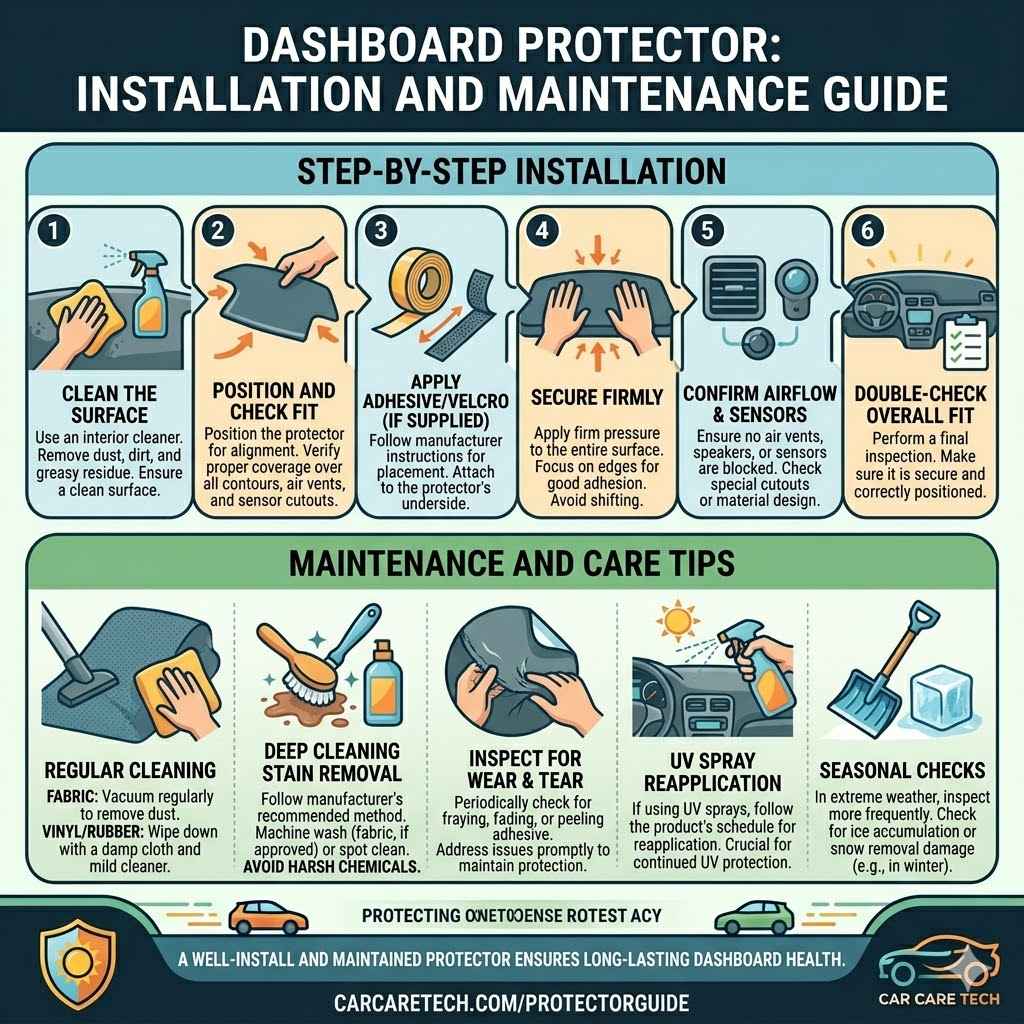
Installation and Maintenance Tips
Proper installation and regular maintenance are essential to get the most out of your dashboard protector. These simple steps can ensure your protector works effectively and lasts longer, keeping your dashboard in great shape.
Installation Steps
Most dashboard protectors are designed for easy DIY installation. Following these steps will help ensure a secure and effective fit.
Clean Your Dashboard First: Before applying any protector, thoroughly clean your dashboard. Use an interior cleaner to remove dust, dirt, and any greasy residue. A clean surface ensures better adhesion for covers with adhesive backing.
Position the Protector: Lay the protector on the dashboard to check its fit and alignment. For custom-fit covers, ensure it sits correctly over all contours, air vents, and sensor cutouts.
Apply Adhesive Strips/Velcro: If your protector comes with adhesive strips or Velcro, follow the manufacturer’s instructions for placement. Typically, these are attached to the underside of the protector and then pressed onto the dashboard. Ensure firm pressure is applied for good adhesion.
Secure Firmly: Once in place, press down firmly on the entire surface of the protector, especially around the edges, to ensure it is securely attached and won’t shift or lift.
Check for Obstructions: Make sure the protector does not block any air vents, speakers, or sensors. Some protectors have specific cutouts for these, while others are designed to allow air to pass through the material itself.
Maintenance and Care
Regular care will keep your dashboard protector looking good and functioning optimally. This also helps maintain the appearance of your car’s interior.
Regular Cleaning: For fabric covers, vacuum them regularly to remove dust and debris. For vinyl or rubber covers, wipe them down with a damp cloth and mild interior cleaner.
Deep Cleaning: If the protector gets stained, follow the manufacturer’s recommended cleaning method. Some fabric covers may be machine washable, while others require spot cleaning. Avoid harsh chemicals that could damage the material.
Inspect for Wear and Tear: Periodically check the protector for signs of wear, such as fraying edges, fading, or peeling adhesive. Address any issues promptly to ensure continued protection.
Reapplication of Sprays/Treatments: If you use a UV-blocking spray or treatment, follow the product’s schedule for reapplication. This is crucial for maintaining its protective qualities.
Seasonal Checks: In extreme weather conditions, it might be beneficial to inspect the protector more frequently. For example, in winter, check for ice accumulation or damage from snow removal.
Frequently Asked Questions
Question: How often do I need to replace a dashboard cover?
Answer: Dashboard covers are generally quite durable. With regular cleaning and care, a good quality cover can last many years, often outlasting the car itself. However, if you notice significant wear, fading, or it starts to peel, it might be time for a replacement.
Question: Can dashboard protectors help with extreme heat inside the car?
Answer: Yes, many dashboard protectors can help manage interior heat. By blocking direct sunlight and reflecting some of the sun’s energy, they can keep the dashboard surface cooler. This also helps reduce the ambient temperature inside the car, making it more comfortable when you first get in.
Question: Will a dashboard cover damage my original dashboard?
Answer: If installed correctly and made from quality materials, dashboard covers should not damage your original dashboard. Ensure the surface is clean before installation to avoid trapping dirt. Most come with non-damaging adhesive strips or Velcro.
Question: Are all dashboard protectors UV resistant?
Answer: Not all. While many are designed with UV resistance in mind, some cheaper options might not offer significant UV protection. Look for products that explicitly mention UV blocking or UV stabilization properties to ensure your dashboard is truly protected.
Question: Can I use a dashboard protector with a car that has a heads-up display (HUD)?
Answer: For cars with a HUD, it is essential to choose a protector that either has a specific cutout for the HUD projector or is made of a material that does not interfere with the display. Some HUDs project onto the windshield, in which case a dashboard cover would not be an issue. Always check product compatibility.
Summary
Protecting your car’s dashboard from sun damage is a smart way to keep it looking good and valuable. The Best Dashboard Protector from Sun Damage is one that offers quality materials, a perfect fit, and effective UV blockage. Whether you choose a custom-fit cover or a UV spray, consistent application and care are key to preventing fading, cracking, and heat damage. Invest in protection to keep your car’s interior looking new for years to come.