Cooling Seat for Car: Best Ventilated Seat Cushions to Beat the Heat
A cooling car seat cushion uses small built-in fans to push air through a breathable mesh cover, which helps evaporate sweat and reduce the “sticky vinyl” feeling on hot drives. It does not lower the seat’s temperature the way an air conditioner does – it works by increasing airflow, not by refrigeration. Below are three real, currently in-stock picks, an honest look at how these cushions actually work, and what to check before you buy one.
Our Top Pick
Fastest Cooldown
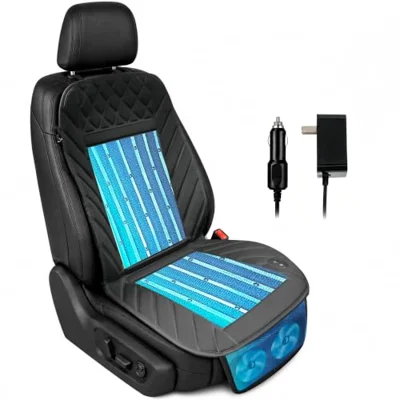 |
THMFHMW Ventilated Seat Cushion – $39.99 Plugs into a standard 12V outlet and pairs a 3-speed fan with a breathable mesh surface, so it starts moving air within seconds of being switched on.
|
Compare the Best Cooling Car Seat Cushions
All three of these are currently in stock. Prices and stock levels on Amazon change often, so use the link in each row to confirm current pricing before you buy.
| Product | Fan Speeds | Power | Price | Stock Status |
|---|---|---|---|---|
| THMFHMW Ventilated Seat Cushion | 3-speed | 12V–24V | $39.99 | In Stock |
| Paffenery Cooling Seat Cover | 3-level + massage | 12V–24V | $73.43 | Limited Stock |
| ZONETECH Cooling Seat Cushion | Adjustable | 12V | $46.98 | In Stock |
1. THMFHMW Ventilated Seat Cushion
This is a straightforward 3-speed ventilated cushion that straps over a standard front seat. It draws power from a 12V-24V outlet (cigarette lighter or a USB-style adapter, depending on which cable you connect), so there’s nothing to hardwire and no tools required.
What Stands Out
- Quick airflow: the fans start moving air within seconds of being plugged in, which noticeably reduces the “just sat on hot vinyl” feeling.
- Works beyond the car: the same strap system fits office chairs and other seats with a standard backrest, since it isn’t wired into the vehicle.
- Adjustable airflow: 3 fan speeds let you dial back the noise level once the initial heat has cleared.
- Cooling only: this is not a seat heater – there’s no warm setting, so it’s a summer-only accessory.
At $39.99, it’s the least expensive of the three and a reasonable starting point if you haven’t tried a ventilated cushion before.
2. Paffenery Cooling Seat Cover
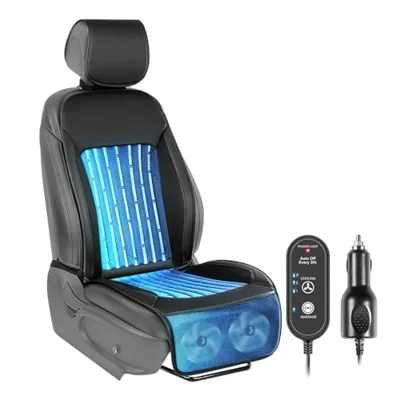
The Paffenery cover uses eight small fans instead of the more common two or three, spreading airflow more evenly across the back and seat rather than concentrating it in one or two spots. It’s the priciest of the three at $73.43, and it’s currently listed as limited stock – worth confirming availability before you count on it.
What Stands Out
- Eight-fan layout: more even coverage across the seat and back panel than a single-zone cushion.
- Massage function: a separate vibration mode with 5 patterns, aimed at lower-back fatigue on long drives – a genuine extra feature, not a marketing label for the fans.
- Non-slip backing: a top-middle-bottom strap system designed to keep the cover from sliding on leather or vinyl seats.
- Limited stock: check the listing before buying – availability has been inconsistent.
3. ZONETECH Cooling Seat Cushion
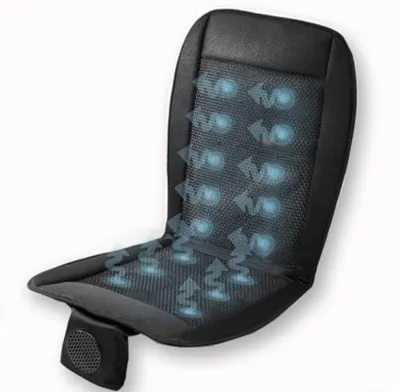
At $46.98, the ZONETECH cushion sits in the middle of the price range and uses a simpler full-seat mesh design (back and bottom in one piece) rather than a separate back panel and seat pad. It’s a 12V-only design, so it’s built for standard cars rather than 24V trucks or larger vehicles.
What Stands Out
- One-piece mesh design: back and seat cushion in a single cover, which is faster to install than a two-piece system.
- Adjustable temperature dial: a physical control on the cable, not just a fan speed toggle.
- Lightweight: about 1 pound, which makes it easy to move between vehicles.
- 12V only: won’t work on a 24V truck or commercial vehicle electrical system without a separate converter.
How Cooling Car Seat Cushions Actually Work
It’s worth being clear about what “cooling” means here, because the name oversells it a little. These cushions don’t refrigerate the seat or drop the air temperature the way a car’s AC compressor does. Instead, small fans built into the cushion draw air through a breathable mesh layer and push it against your back and thighs. That constant airflow speeds up sweat evaporation, which is what actually makes you feel cooler – the same principle as a desk fan on a hot day, not an air conditioner.
That distinction matters for expectations: on a mild day, a ventilated cushion can make a leather or vinyl seat feel noticeably more comfortable within a minute or two. On a genuinely hot day – especially if the car has been sitting in direct sun – a fan-based cushion takes the edge off but won’t make the seat cold. Pairing it with your car’s AC and, ideally, a windshield sunshade to cut down on cabin heat soak gets you closer to true cooling than the cushion can manage on its own.
Buying Guide: What to Check Before You Buy
Power Draw and Your Car’s Battery
Most of these cushions draw somewhere in the range of 1–4 amps at their higher fan settings. That’s not a concern while the engine is running, since the alternator easily covers it. It becomes a real consideration if you leave the cushion plugged in and running with the engine off – a cushion drawing around 4 amps for a couple of hours can use roughly 8 amp-hours, which is a meaningful bite out of a typical 50Ah car battery, especially in a vehicle that already struggles to hold a charge. If you’re going to sit in a parked car with the engine off, unplug the cushion or limit how long you run it.
12V vs. 12V–24V Compatibility
Standard passenger cars run a 12V electrical system, so any of these cushions will work through the cigarette lighter or a 12V accessory outlet. If you’re installing one in a commercial truck, RV, or another vehicle that uses a 24V system, confirm the cushion is rated for 12V–24V before buying – a 12V-only unit isn’t guaranteed to run safely or correctly on 24V power.
Fit and Seat Type
Most of these are marketed as “universal fit,” and for standard bucket front seats that’s usually accurate. Bucket seats with aggressive side bolsters, integrated seat airbags, or unusual headrest positions are worth double-checking against the product photos and Q&A section before ordering, since a cushion that doesn’t sit flush won’t cool as evenly and can shift around while driving.
Noise Level
More fans and higher speeds generally mean more noise. If you’re sensitive to background sound while driving, look for reviews that specifically mention noise at the highest fan setting rather than relying on the listing description alone, since “quiet operation” claims aren’t independently verified.
Material and Cleaning
Look for a wipeable synthetic leather or PU trim around the edges with a breathable mesh center – that combination holds up better to spills and daily use than an all-fabric cover, and it’s easier to clean.
Frequently Asked Questions
How Do Cooling Seats Work In A Car?
They use small electric fans built into the cushion to pull air through a breathable mesh cover and push it against your back and thighs. This speeds up sweat evaporation, which is what creates the cooling sensation – the cushion isn’t refrigerating the seat, it’s improving airflow.
Are Cooling Seats Worth It For Long Drives?
For most people, yes, especially on leather or vinyl seats that get hot and sticky. They won’t make a seat feel air-conditioned, but the constant airflow noticeably reduces sweating and discomfort on long summer drives.
Can You Add Cooling Seats To Any Car?
Most aftermarket cooling cushions are marketed as universal fit for standard front bucket seats and plug into a 12V outlet, so they work in the large majority of cars, SUVs, and trucks. Double-check compatibility if your seats have integrated side airbags or an unusual bolster shape.
Do Cooling Seats Affect Car Battery Life?
Not while the engine is running – the alternator easily supplies the 1–4 amps these cushions typically draw. If you run one for an extended period with the engine off, though, it can noticeably drain the battery; a cushion pulling around 4 amps for a couple of hours can use roughly 8 amp-hours, which adds up on a typical 50Ah battery. Unplug it if you’re sitting parked with the engine off for a while.
Do Cooling Car Seat Cushions Actually Make The Seat Cold?
No. They’re fan-based ventilation systems, not refrigeration. They move air to help sweat evaporate faster, which feels cooler, but they don’t lower the seat’s temperature below the surrounding air the way a true air-conditioned seat (built into some newer vehicles) can.
Is A 12V Cushion Safe To Use On A 24V Truck?
Not unless the product listing specifically states 12V–24V compatibility. Running a 12V-only cushion on a 24V system isn’t a safe assumption – check the listing or use a voltage converter rated for the cushion’s power draw.
Conclusion
A cooling car seat cushion is a low-cost, no-tools way to make hot-weather driving more comfortable, as long as you go in with the right expectations: it’s improving airflow, not air-conditioning the seat. Of the three picks here, the THMFHMW cushion is the simplest and least expensive way to try one, the Paffenery adds a genuine massage function and wider fan coverage if you’re willing to pay more and confirm stock, and the ZONETECH is a solid middle-ground pick with a one-piece design that’s quick to install.
Products related to this article
Sponsored / affiliate links. As an Amazon Associate I earn from qualifying purchases. I may earn additional commission from eligible campaigns.
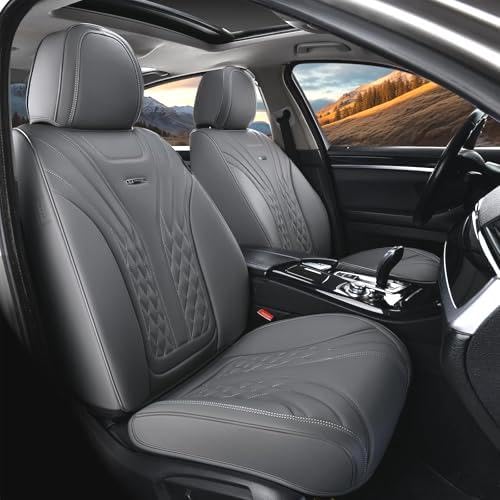 Coverado Car Seat Covers, Car Seat Covers Front Seats, 2-Pack Front Seat Cover, Nappa Leather Waterproof Seat Covers, Car Seat Protectors, Automotive Seat Covers Universal Fit for Most Vehicles
 FLORICH Leather Seat Cover, Car Seat Covers Front Set, Waterproof Car Seat Protectors, Front Seat Covers 2 Pack, Breathable Automotive Seat Covers Protector Fit for Most Cars Trucks SUV