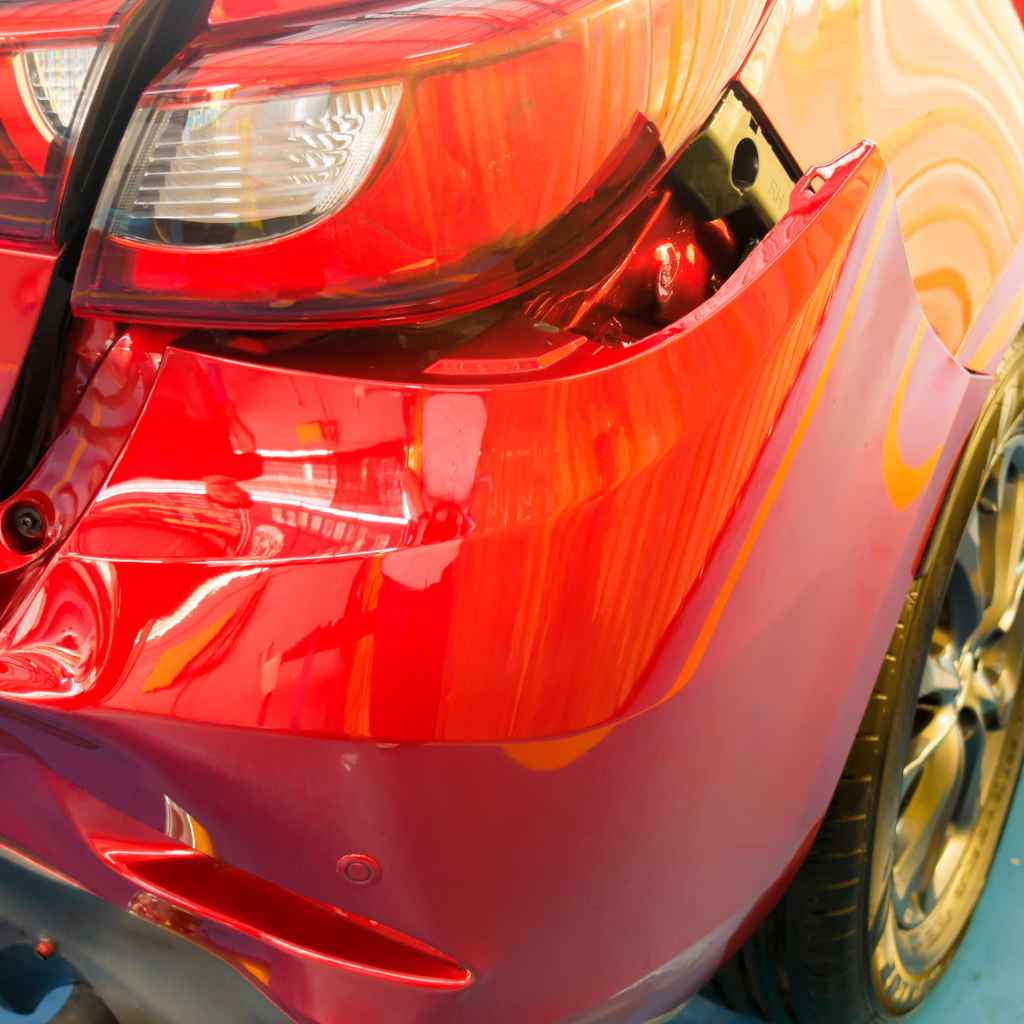
Cost to Fix Misaligned Car Bumper
Lots of car owners notice their bumper isn’t quite straight. It’s a common thing, and for many, it might seem like a big deal. You might wonder about the Cost to Repair a Slightly Misaligned Car Bumper.
Don’t worry, it’s usually not as hard or as expensive as you might think. We’ll walk you through it simply so you know what to expect and what you can do. Let’s get started and see how to sort this out.
What Causes a Bumper To Be Misaligned
Bumper misalignment can happen for several reasons, often due to everyday wear and tear or minor impacts. Understanding these causes helps in figuring out the best way to fix it and what the potential cost might be. A slightly crooked bumper doesn’t always mean major damage, but it’s good to know what led to it.
Minor Impacts and Collisions
Even a low-speed bump can knock a bumper out of place. This could be from parking in a tight spot, a gentle nudge in traffic, or bumping into a curb. The force might not be enough to crack or dent the bumper itself, but it can be sufficient to dislodge its mounting points or fasteners.
These mounting points are essentially clips, screws, or brackets that hold the bumper securely to the car’s frame. When these are stressed or broken, the bumper can sag, twist, or stick out at an angle. The severity of the impact directly relates to how badly the bumper is misaligned and what kind of repair will be needed.
Wear and Tear Over Time
Cars endure a lot of vibration and stress as they are driven. Over many years, the plastic or composite materials used in bumpers can become less flexible. The clips and fasteners that hold them in place can also weaken or break due to age and exposure to different weather conditions.
This gradual weakening can lead to a bumper that starts to sag or pull away from the body of the car, even without any specific incident. This type of misalignment is often more subtle at first but can become more noticeable as the car ages. It might look like a small gap appearing or a slight unevenness along the edges.
Faulty Installation or Manufacturing Defects
Sometimes, a bumper might not be perfectly aligned right from the factory, or it could be due to an improper installation after previous repair work. Manufacturing processes can have small variations. If a bumper was replaced after an accident, the mechanic might not have secured all the clips perfectly.
This can lead to a persistent misalignment that doesn’t seem to have a clear cause like an impact. It’s important to check if the bumper has ever been replaced or worked on. If the issue has been there since you bought the car, or shortly after a repair, this could be the reason.
How Misalignment Affects Your Car
While a slightly misaligned bumper might seem like just an appearance issue, it can sometimes have other effects. It could affect how other parts of the car align, like headlights or other body panels. In some cases, it might even impact aerodynamics slightly, though this is less common for minor misalignments.
More importantly, a misaligned bumper could be a sign of underlying issues with the mounting hardware. If the bumper is loose, it’s more likely to sustain further damage in another minor impact. It’s also worth checking if the misalignment is causing any obstructions, like preventing a headlight from shining straight or making it hard to open or close a trunk.
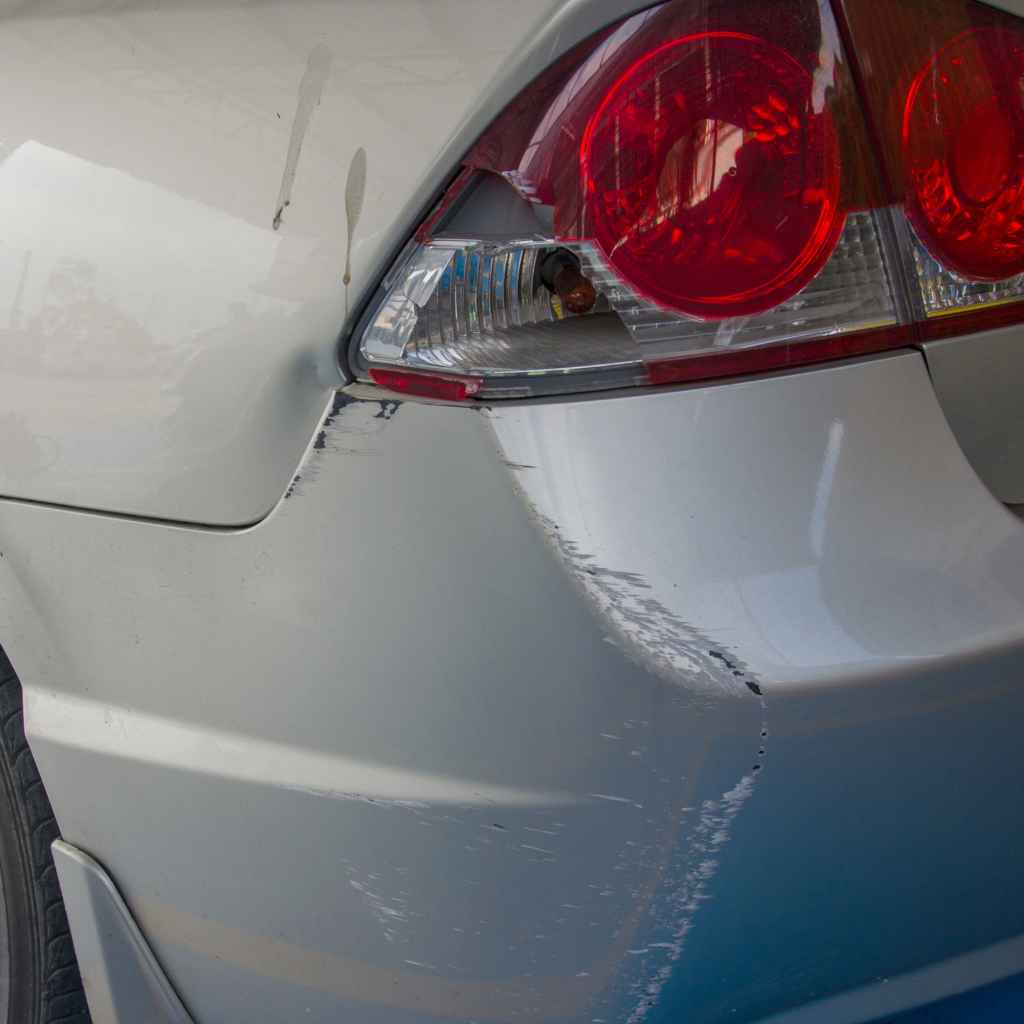
Assessing the Misalignment and Repair Options
Before you can know the cost to repair a slightly misaligned car bumper, you need to figure out exactly what’s wrong. Looking closely at the bumper will tell you a lot about what kind of fix is needed. Sometimes, it’s a quick fix, and other times, it needs a bit more work.
Visual Inspection of the Bumper
The first step is to stand back and look at your car from a few angles. See if the bumper is crooked, sagging, or sticking out more on one side than the other. Check the gaps between the bumper and the car’s body panels.
Are they even all around?
Pay close attention to the edges of the bumper, especially where it meets the fenders or the grille. Look for any signs of stress, like stretched plastic or small cracks near the mounting points. This visual check will give you a good idea of the problem’s severity.
Checking Mounting Points and Clips
Often, a misaligned bumper is caused by loose or broken mounting hardware. You’ll need to locate these. They are usually found along the top edge of the bumper where it meets the hood, on the sides where it meets the fenders, and underneath where it connects to the car’s frame or splash shields.
Gently push or pull on different parts of the bumper. If it moves easily or feels loose in certain spots, that’s where the problem likely lies. Sometimes, a clip might have popped out, or a screw might have come loose.
You might be able to see or feel these if you can safely access them, perhaps by carefully lifting the edge of the bumper.
Common Repair Methods for Slight Misalignment
For minor issues, like a popped-out clip or a loose screw, the fix can be quite simple. It might involve just re-securing the existing fasteners or replacing a broken clip. If the bumper itself is slightly bent but not cracked, sometimes gentle pressure can help it snap back into place, especially on warmer days when plastic is more flexible.
If a clip is broken, you can often buy replacement clips at an auto parts store. These are usually inexpensive and can be popped into place to resecure the bumper. For more noticeable misalignment that isn’t caused by a simple clip issue, a mechanic might need to adjust the bumper’s position or reinforce the mounting points.
This could involve some minor adjustments to the car’s frame or supports.
When Professional Help Is Needed
If you can’t easily identify the cause, or if the bumper seems significantly out of place, it’s best to get professional advice. A body shop technician can quickly diagnose the problem and explain the repair process. This is especially true if there are any signs of damage to the bumper cover itself, like cracks or deep scratches, or if you suspect damage to the underlying support structure.
A professional can also ensure that the bumper is reattached correctly and securely. This is important for both appearance and safety. They have the tools and expertise to handle more complex adjustments and can replace any damaged hardware or even the bumper cover if necessary, giving you a clear idea of the Cost to Repair a Slightly Misaligned Car Bumper.
Estimating the Cost to Repair a Slightly Misaligned Car Bumper
The actual Cost to Repair a Slightly Misaligned Car Bumper can vary quite a bit. It depends on what’s wrong, where you get it fixed, and what parts might need replacing. For simple fixes, you might pay very little, but more involved repairs will cost more.
DIY vs. Professional Repair Costs
If you’re comfortable working on your car, a DIY repair can be very affordable. The cost might just be for a replacement clip or a few screws, often less than $20. If you need a special tool, that might add a bit more, but it’s usually still quite cheap.
Professional repairs will naturally cost more because you’re paying for the mechanic’s time and expertise. However, for a minor bumper alignment issue that doesn’t involve paintwork or major part replacement, a professional might only charge an hour of labor. This could range from $100 to $300, depending on the shop’s rates and your location.
This is for the service of fixing the alignment itself.
Cost of Replacement Parts
Sometimes, the bumper is fine, but the clips holding it are broken. A single plastic clip might cost anywhere from $5 to $15. If several clips are broken, you might spend $30 to $60 on a set of replacement clips.
These are usually readily available at auto parts stores.
In rarer cases for slight misalignment, a small piece of the bumper’s mounting tab might be broken. Repairing this might involve plastic welding or using a strong adhesive. The cost for these materials would be relatively low, maybe $20 to $50.
If the bumper cover itself needs to be replaced due to damage that caused the misalignment, this is a much larger expense, potentially costing hundreds or even thousands of dollars for the part and paint.
Labor Costs and Shop Rates
Labor is a significant factor in the cost of any car repair. Body shops typically charge an hourly rate for their work. For simple bumper adjustments, it might take a mechanic less than an hour.
Some shops have a minimum labor charge, which might be for one hour even if the job takes less time.
Shop rates vary by region. In areas with a high cost of living, you can expect to pay more per hour for labor. Dealerships often have higher labor rates than independent body shops.
It’s a good idea to get quotes from a few different places if you’re looking for the most competitive price for your bumper repair.
Factors Influencing the Final Price
The make and model of your car can also affect the cost. Some car bumpers are more complex to remove or adjust than others. Parts for luxury vehicles or specialty cars might be more expensive than for common sedans.
The type of material the bumper is made from can also play a role; some composite materials require different repair techniques than standard plastics.
If the misalignment has caused paint damage, that will add to the cost. If only a small scuff needs touching up, it might be relatively inexpensive. However, if a larger section of the bumper needs repainting to match the rest of the car, this can add significant expense.
This is why it’s important to get a clear estimate that details all the work to be done.
DIY Solutions for Minor Bumper Adjustments
For those who like to get their hands dirty, there are several DIY fixes for minor bumper misalignments. These methods can save you money and give you a sense of accomplishment. They usually involve simple tools and a bit of patience.
Re-securing Loose Fasteners
This is the easiest fix. You’ll need to identify which screws, bolts, or clips are loose. Sometimes, you can simply tighten them up with a screwdriver or wrench.
Make sure not to overtighten, as this can strip the threads or crack the plastic.
If a clip has come out of its socket, you might be able to push it back in. If the clip itself is broken, you’ll need to replace it. Auto parts stores sell universal clip kits or specific clips for many car models.
The process typically involves prying out the old clip and snapping in the new one.
Replacing Broken Bumper Clips
Broken clips are a very common reason for a sagging or misaligned bumper. You can usually find replacement clips online or at auto parts stores. They often come in assorted packs or for specific vehicle makes.
To
Using Zip Ties for Temporary Fixes
In some situations, especially if a mounting tab is broken, heavy-duty zip ties can be used as a temporary fix. This involves carefully drilling small holes through the bumper and the corresponding car body panel or bracket and then using the zip ties to hold the bumper in place.
This is a budget-friendly solution and can be surprisingly effective for holding a bumper steady. However, it’s important to use strong, UV-resistant zip ties. While effective, it’s not the most aesthetically pleasing or permanent solution, so it’s usually best for a short-term fix until a proper repair can be done.
Gentle Heating and Reshaping
If the bumper plastic has slightly warped, you might be able to gently reshape it. On a warm day, or by using a hairdryer on a low setting, you can carefully warm the plastic. Be cautious not to overheat it, as this can cause damage.
Once the plastic is warm and flexible, you can try to gently push it back into its original position. You might need a helper to hold it in place while it cools and sets. This technique works best for minor warps and not for major dents or cracks.
Professional Repair and What to Expect
When you decide to have a professional fix your bumper, knowing what to expect can make the process smoother. Body shops have the tools and expertise to get the job done right, ensuring your car looks good and is safe.
Getting Quotes from Body Shops
The first step is to get a few quotes. Contact local auto body shops and explain that you have a slightly misaligned bumper. Ask them if they can take a look and give you an estimate.
Many shops will offer a free estimate.
When you get a quote, make sure it’s detailed. It should list the labor costs, the cost of any parts, and any painting if that’s required. This helps you compare offers and understand exactly what you’re paying for.
It also helps to check online reviews for the shops to gauge their reputation.
The Repair Process at a Shop
Once you choose a shop, they will typically inspect the bumper and the mounting hardware. They’ll determine if it’s just loose clips, damaged brackets, or if the bumper cover itself needs adjustment or repair.
The technician will then secure or replace any broken mounting points. They might adjust the bumper’s position on the car’s frame. If the bumper cover is damaged, they might repair minor cracks or dings, or if necessary, order a new bumper cover and paint it to match your car’s color.
The goal is to make it sit perfectly straight.
Paint Matching and Refinishing
If the misalignment caused scratches or scuffs, or if a new bumper cover is installed, paint matching is important. Reputable body shops use advanced color-matching technology to ensure the new paint blends seamlessly with your car’s existing finish. They will also apply protective clear coats to maintain the shine and durability.
The painting process involves preparing the surface, applying primer, base coat (the color), and then a clear coat. This is done in a controlled environment, like a paint booth, to prevent dust and ensure a smooth finish. Proper refinishing is key to making the repair invisible.
Insurance Claims for Bumper Damage
For minor bumper misalignments, it’s usually not worth filing an insurance claim, as the deductible might be higher than the repair cost. However, if the misalignment is due to a more significant accident and the repair cost is substantial, you might consider using your insurance.
If you do file a claim, your insurance company will likely send an adjuster to assess the damage and authorize repairs. Make sure to discuss the claim process with your insurance agent and the body shop to understand how it will work and what your out-of-pocket expense will be.
Factors Affecting the Lifespan of a Bumper Repair
After you’ve fixed your misaligned bumper, you’ll want that repair to last. Several things can influence how long your bumper stays in good shape and aligned correctly.
Quality of Parts and Materials Used
Using high-quality replacement parts makes a big difference. If a shop uses cheap, aftermarket clips or a low-grade bumper cover, it might not hold up as well over time. Genuine parts or reputable aftermarket options are usually more durable.
The type of adhesive or welding used for repairs also matters. Professional-grade materials are designed to withstand temperature changes, vibrations, and impact, ensuring a more permanent bond and a longer-lasting repair.
Skilled Workmanship
The skill of the technician performing the repair is crucial. An experienced body shop technician will know how to properly align the bumper, secure all fasteners, and ensure the integrity of the repair. A poorly done repair, even with good parts, might not last.
Proper installation ensures that the bumper is not only straight but also securely attached. This prevents it from vibrating loose or detaching under stress, which could lead to further damage or safety issues down the road.
Environmental Conditions and Usage
How you use your car and the environment it’s exposed to can affect the repair’s longevity. Cars parked outdoors in extreme heat or cold might experience more stress on plastic parts. Frequent exposure to harsh weather like heavy rain, snow, or intense sun can degrade materials over time.
Driving habits also play a role. Frequent backing into tight spots, hitting curbs, or driving on rough terrain can put extra strain on the bumper and its mounting system. Regular, gentle maintenance can help prolong the life of the repair.
Regular Vehicle Maintenance
Keeping up with your car’s general maintenance can also indirectly help your bumper repair last. Regularly checking tire pressure, suspension components, and ensuring all body panels are properly seated can prevent minor issues from becoming larger ones.
A quick visual inspection of your bumper and its attachment points every few months can catch small problems before they become big ones. If you notice any new looseness or unusual noises from the bumper area, it’s best to have them checked out promptly.
Frequently Asked Questions
Question: How long does it usually take to fix a slightly misaligned bumper?
Answer: For simple misalignments due to loose clips or minor adjustments, a professional can often fix it in under an hour. If paintwork or replacement parts are involved, it might take a few hours to a full day.
Question: Can I fix a misaligned bumper myself?
Answer: Yes, for minor issues like loose clips or screws, you can often fix it yourself with basic tools. However, if you’re unsure, it’s safer to consult a professional to avoid causing further damage.
Question: Will a misaligned bumper affect my car’s performance?
Answer: A slightly misaligned bumper typically does not significantly affect performance. However, a severely misaligned or loose bumper could potentially affect aerodynamics or increase road noise.
Question: What is the average cost to repair a bumper?
Answer: The Cost to Repair a Slightly Misaligned Car Bumper can range from under $50 for DIY fixes with clips to $100-$300 for professional alignment. More significant damage, like cracks or paintwork, can cost much more.
Question: Should I use my insurance for a slightly misaligned bumper?
Answer: For a minor misalignment, it’s usually not worth filing an insurance claim as the deductible often exceeds the repair cost. Claims are typically more beneficial for accident-related damage.
Summary
Fixing a slightly misaligned car bumper is often a straightforward process. You can often identify the cause by looking for loose clips or fasteners. Simple repairs might be a DIY job costing very little.
For more complex issues or if you prefer professional help, expect a reasonable cost for labor and any necessary parts.