How to Refill Coolant Tank Cold vs Hot
Sometimes topping up your car’s coolant can feel tricky, especially when you’re not sure if the engine should be hot or cold. This common car care task, How to Refill Coolant Tank: Cold vs Hot Engine Local Tips, often confuses new drivers. But don’t worry, it’s simpler than you might think!
We’ll walk you through each step clearly so you can do it safely and correctly. Get ready to learn the best way to keep your car running cool.
Understanding Your Car’s Cooling System
Your car’s cooling system is like its personal air conditioner, working hard to keep the engine from getting too hot. When an engine runs, it creates a lot of heat. The cooling system uses a special liquid, called coolant or antifreeze, to soak up this heat and carry it away.
This process stops your engine from overheating, which can cause serious and expensive damage. The main parts are the radiator, where the coolant cools down, and the coolant reservoir, which is like a holding tank for extra coolant. Keeping the coolant level just right is super important for your car’s health and performance.
Without enough coolant, the system can’t do its job, and your engine will get too hot very fast.
The Role of Coolant
Coolant, often called antifreeze, is a vital fluid that circulates through your engine. It’s not just water; it’s a mix of water and chemicals. This mixture does more than just cool.
It raises the boiling point of the liquid, meaning it can handle higher temperatures without turning into steam. It also lowers the freezing point, which is crucial in colder weather to prevent the coolant from freezing and cracking engine parts. Plus, it contains additives that prevent rust and corrosion within the cooling system, protecting metal components over time.
The color of coolant can vary (often green, orange, or pink), but its job remains the same: to manage engine temperature effectively and protect the system.
Different types of coolant exist, and using the wrong one can cause problems. For instance, older cars might use a type called inorganic additive technology (IAT) coolant, while newer cars often use organic acid technology (OAT) or hybrid organic acid technology (HOAT) coolants. These newer types have longer service lives and offer better protection.
Always check your car’s manual to see which specific type of coolant is recommended for your vehicle. Mixing incompatible coolants can lead to clumping, reduced effectiveness, and damage to your cooling system components.
How the Cooling System Works
The engine generates heat as it burns fuel. This heat is absorbed by the coolant circulating through channels within the engine block. A water pump then pushes the hot coolant through hoses to the radiator.
The radiator is a network of thin tubes and fins, located at the front of the car, where air flows through and cools the coolant. As the coolant flows through these tubes, heat is transferred to the air. A fan might help pull air through the radiator, especially when the car is moving slowly or stopped.
Once cooled, the coolant flows back to the engine to repeat the cycle. The coolant reservoir provides a reserve of coolant and allows for expansion and contraction of the fluid as it heats and cools.
This continuous circulation maintains a stable engine temperature, typically between 195 and 220 degrees Fahrenheit (90 to 104 degrees Celsius). If the coolant level drops too low, or if there’s a leak, the system can’t dissipate heat effectively. This leads to the engine overheating.
Overheating can cause the engine to warp, the head gasket to blow, or even seize up completely. Regular checks and refills of the coolant are therefore essential maintenance tasks.
When to Check and Refill Your Coolant Tank
Knowing when to check your coolant is key to preventing problems. The most common indicator is a warning light on your dashboard that looks like a thermometer or says “check coolant.” You might also notice your car’s temperature gauge climbing higher than usual. Another sign is seeing a puddle of colored liquid (usually green, pink, or orange) under your car, especially after it’s been parked.
If you notice any of these, it’s time to look at your coolant level. It’s also a good idea to check your coolant level periodically, perhaps once a month, as part of your regular car maintenance routine. This proactive approach can catch small issues before they become big ones.
Regular Coolant Level Checks
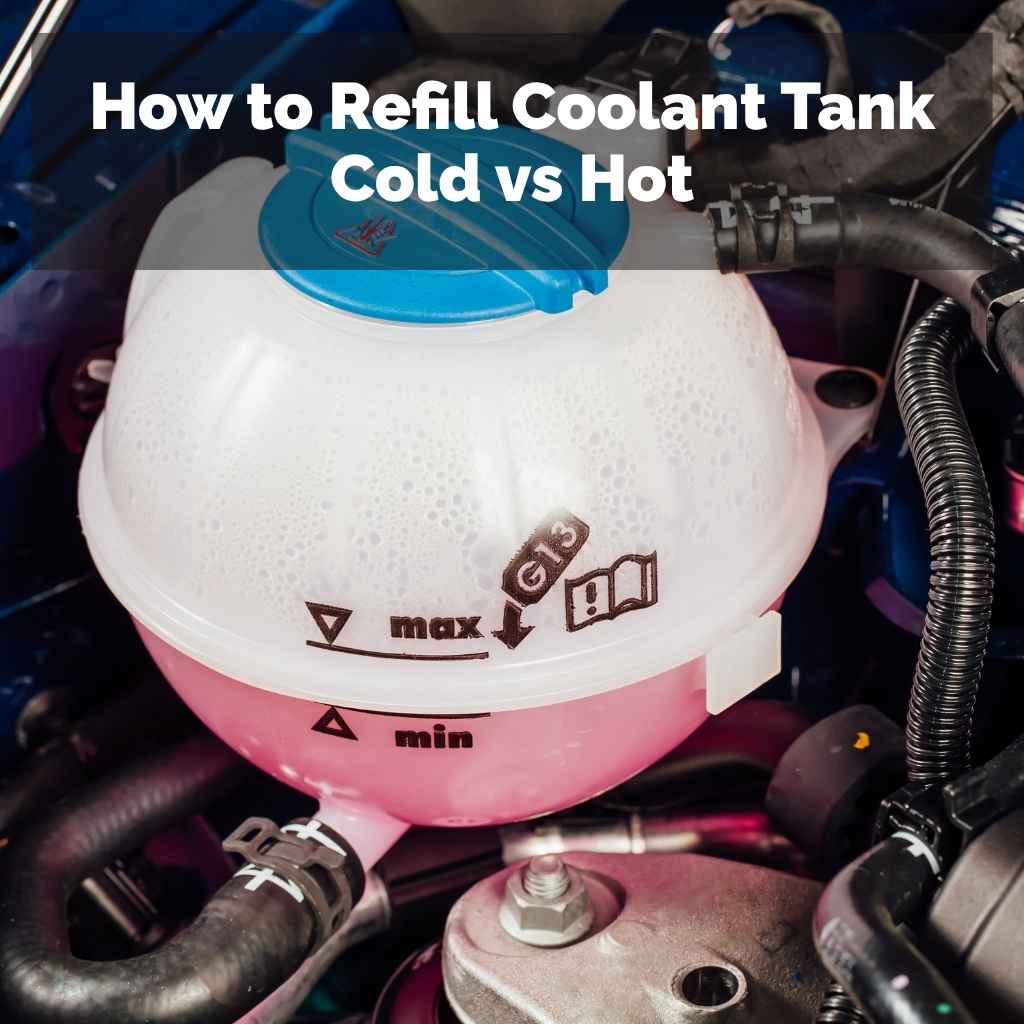
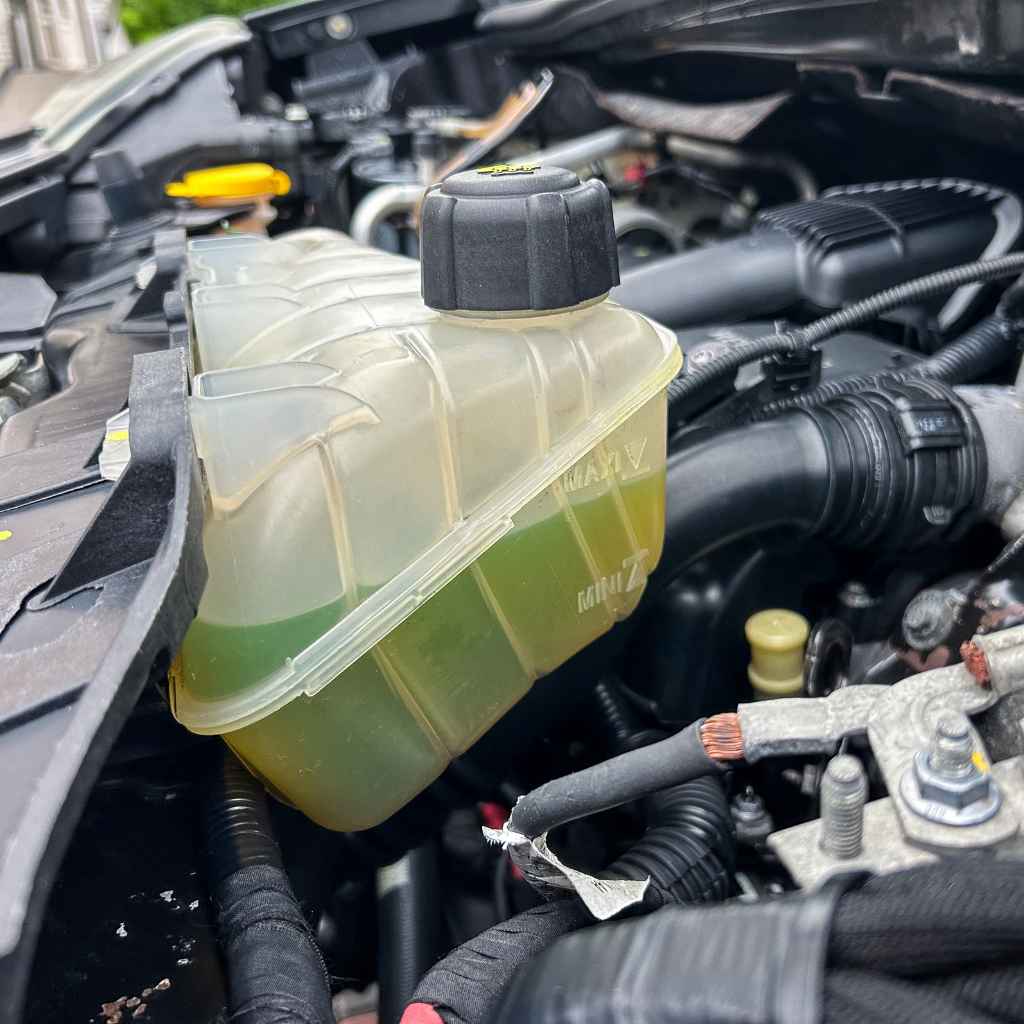
Checking your coolant level is a simple task that can save you a lot of trouble. You’ll typically find the coolant reservoir, a translucent plastic tank, under the hood. It usually has “min” and “max” lines marked on it.
To check, simply look at the level of the coolant inside the tank. It should be between these two lines. If it’s below the “min” line, you need to add more coolant.
It’s important to do this check when the engine is cool. When the engine is hot, the coolant expands, and you might get a falsely high reading. Also, opening a hot system can be dangerous due to pressure and hot liquid.
Many car owners forget to check their coolant until there’s a problem. However, a quick check once a month can make a big difference. You can find the coolant reservoir usually on the passenger side of the engine bay.
It’s a plastic tank with a cap. When the engine is cold, the coolant level should be between the MIN and MAX marks on the tank. If it’s low, it means either you have a slow leak or the system has used up some coolant over time.
Low coolant can lead to overheating, which is bad for your engine.
Signs of Low Coolant
Several signs indicate your car might be low on coolant. The most obvious is the temperature gauge on your dashboard rising into the red zone, signaling that the engine is overheating. You might also see a warning light appear on the dashboard, often shaped like a thermometer, accompanied by a message like “low coolant.” Another clear sign is the presence of a puddle of colored liquid beneath your car.
This liquid is usually green, orange, pink, or yellow, depending on the type of coolant used, and it typically smells sweet. If you notice any steam coming from under the hood, especially after driving, it could also be a sign of overheating due to low coolant levels.
Sometimes, you might hear strange noises coming from the engine bay, like a hissing or gurgling sound, which can be caused by air trapped in the cooling system due to low coolant. You might also notice a decrease in your car’s heating performance. The heater core draws heat from the engine coolant to warm the cabin.
If there isn’t enough coolant, the heater won’t work as effectively. Finally, a persistent sweet smell can be a sign of a coolant leak, indicating that the level is dropping and needs attention.
How to Refill Coolant Tank Cold vs Hot Engine Local Tips
The most critical rule for adding coolant is to do it when the engine is cool. This is because the coolant system is pressurized when the engine is hot, and opening the cap could cause very hot liquid to spray out, leading to severe burns. When the engine is cold, the pressure is gone, and the coolant is safer to handle.
Therefore, the best time to add coolant is when your car has been sitting for a few hours, ideally overnight. This ensures the system has cooled down completely, making the process safe and effective. Always refer to your car’s owner’s manual for specific instructions.
Refilling When the Engine is Cold
When your engine is cold, the cooling system is at its lowest pressure. This is the safest time to check and refill your coolant. Locate the coolant reservoir, usually a translucent plastic tank with marked lines for minimum and maximum levels.
If the coolant is below the minimum line, you need to add more. Open the cap of the reservoir carefully. You will need a 50/50 mix of antifreeze and distilled water, or a pre-mixed coolant solution.
Slowly pour the coolant into the reservoir until it reaches the maximum line. Do not overfill it. Once done, securely
Using a 50/50 mix is generally recommended for most climates. Distilled water is preferred over tap water because it doesn’t contain minerals that can build up and clog the cooling system over time. If you buy a pre-mixed coolant, it’s already balanced and ready to use.
Make sure to choose the correct type of coolant specified for your vehicle, as different types can be incompatible and cause damage. After refilling, keep an eye on the coolant level for a few days to ensure it remains stable and that there are no signs of leaks.
Why Refilling a Hot Engine is Dangerous
Refilling a hot engine’s coolant is extremely dangerous. When an engine runs, the coolant heats up and expands, and the entire cooling system becomes pressurized. This pressure prevents the coolant from boiling and keeps it circulating effectively.
If you attempt to open the radiator cap or the coolant reservoir cap while the engine is hot, this built-up pressure can cause the hot coolant and steam to erupt violently from the opening. This can cause severe burns to your skin, face, and eyes. The scalding liquid can cause serious injury and requires immediate medical attention.
The temperature of coolant in a hot engine can easily exceed 200 degrees Fahrenheit (93 degrees Celsius). Even after the engine is turned off, the system remains hot and pressurized for some time. It is crucial to wait until the engine has cooled down completely, which can take several hours, before attempting to check or add coolant.
Always refer to your vehicle’s owner’s manual for the recommended procedure and safety precautions regarding coolant maintenance. Safety should always be your top priority when working on any part of your car.
Choosing the Right Coolant and Mix
Selecting the correct coolant is paramount for your vehicle’s cooling system health. There are several types of coolant, commonly categorized by their additive technology: Inorganic Additive Technology (IAT), Organic Acid Technology (OAT), and Hybrid Organic Acid Technology (HOAT). IAT coolants are older and typically have a shorter lifespan.
OAT coolants offer longer protection and are often found in newer vehicles. HOAT coolants combine elements of both. Your car’s owner’s manual will specify which type is recommended for your make and model.
Using the wrong type can lead to corrosion, deposits, and reduced cooling efficiency, potentially damaging your engine.
The mixture ratio of coolant to water is also important. Most coolants are sold in concentrated form, requiring dilution with distilled water. A 50/50 mixture is standard for most climates, providing a balance of freeze protection and boil-over protection.
In extremely cold climates, a higher concentration of antifreeze might be needed, while in very hot climates, a slightly higher water content might be acceptable, but always follow the manufacturer’s guidelines. Pre-mixed coolant solutions are also available, offering convenience as they are already at the correct dilution. Never use plain tap water, as its mineral content can cause scale buildup and corrosion within the cooling system.
The Refill Process Explained Step-by-Step
The process of refilling your coolant is straightforward, but it requires attention to safety. First, ensure your engine is completely cold. Locate the coolant reservoir.
If the level is low, you’ll need to add the correct type of coolant. It’s best to use a 50/50 mix of antifreeze and distilled water, or a pre-mixed solution. Carefully open the reservoir cap.
Slowly pour the coolant into the reservoir until it reaches the “max” or “full” line. Do not fill it past this line. Securely close the reservoir cap.
Start the engine and let it run for a few minutes, allowing the coolant to circulate. After a few minutes, turn off the engine and let it cool down slightly. Recheck the coolant level in the reservoir and top up if needed.
Remember to always consult your car’s owner’s manual for specific instructions.
Locating the Coolant Reservoir
The coolant reservoir, sometimes called an expansion tank, is a vital part of your car’s cooling system. You can usually find it under the hood of your vehicle, typically made of translucent plastic so you can see the coolant level inside. Its location can vary by car model, but it’s often situated near the radiator or the firewall, which is the panel separating the engine bay from the passenger cabin.
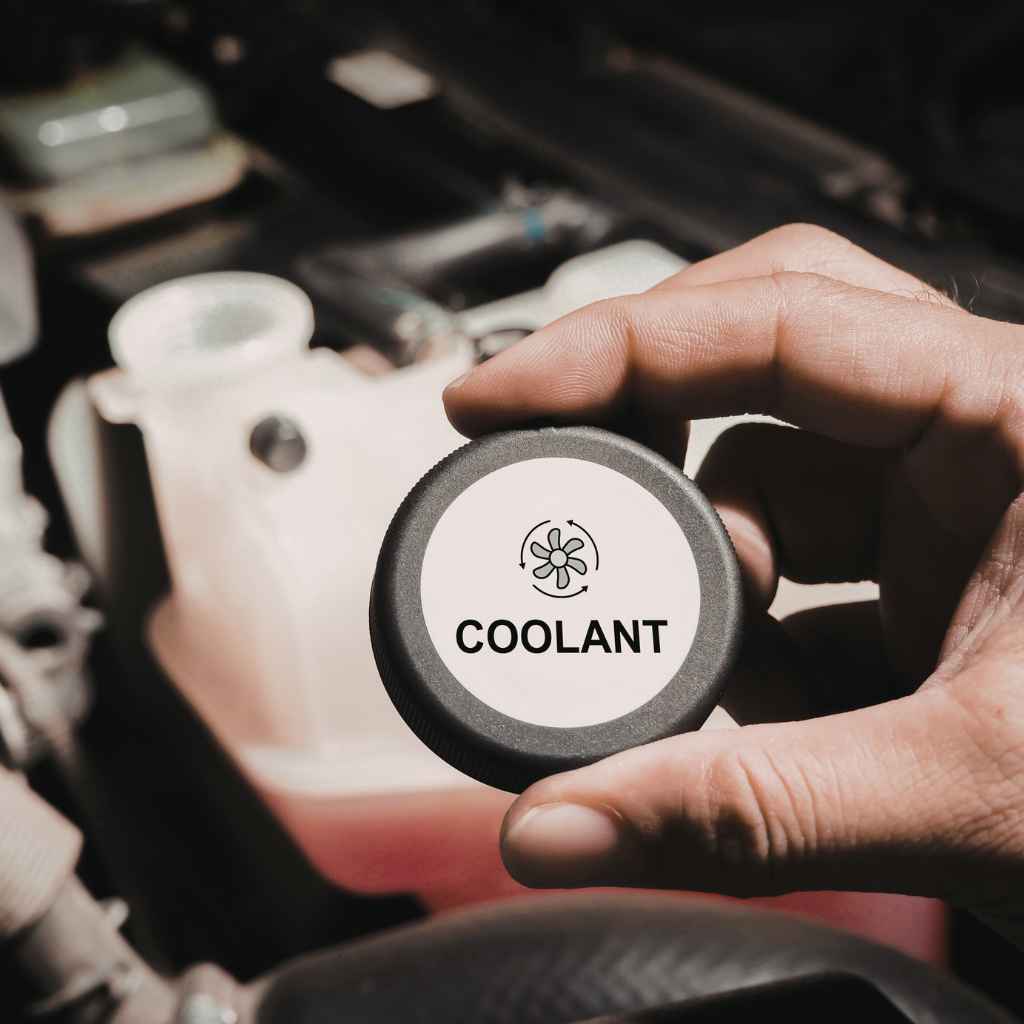
Look for a tank with a cap that often has a symbol of a thermometer or a radiator on it. Some vehicles might also have a small bleeder valve on the radiator itself, but for basic refilling, the reservoir is your primary focus. Always consult your car’s owner’s manual if you’re having trouble locating it.
The reservoir is connected to the radiator by a hose, allowing coolant to flow back and forth. This tank serves as a storage area for excess coolant that expands when the engine is hot. When the engine cools down, the coolant contracts, and fluid from the reservoir is drawn back into the system.
This continuous exchange helps maintain the optimal coolant level and pressure within the system. The “min” and “max” lines marked on the side of the reservoir are your visual guides for ensuring the coolant is at the correct level.
Adding Coolant Safely
Adding coolant requires caution, even when the engine is cold. Wear gloves and eye protection to shield yourself from any splashes. Locate the coolant reservoir and gently remove the cap, turning it counter-clockwise.
If the coolant level is below the minimum mark, it’s time to add coolant. Use a funnel to pour the correct type of coolant (or the 50/50 mix of antifreeze and distilled water) into the reservoir. Fill it up to the “max” or “full” line.
Avoid overfilling, as this can also cause issues. Once filled, replace the cap firmly. Start the engine and let it run for about 5-10 minutes.
This allows the thermostat to open and the coolant to circulate throughout the system. After it has run, turn off the engine, wait a few minutes for it to cool slightly, and then check the coolant level in the reservoir one last time. Top up if necessary.
Remember that some vehicles have air bleeding procedures after refilling; consult your manual.
It is important to dispose of any leftover coolant properly, as it is toxic. Never pour it down the drain or onto the ground. Many auto parts stores and repair shops accept used coolant for recycling.
Always check your car’s owner’s manual for any specific instructions or warnings related to refilling the coolant, as procedures can differ slightly between vehicle models. Safety first is the golden rule when dealing with automotive fluids.
Checking for Leaks After Refilling
After you’ve refilled your coolant, it’s crucial to monitor for leaks. A leak is the most common reason for low coolant levels in the first place. After adding coolant and running the engine, park the car and check the ground underneath for any puddles or drips.
Pay close attention to areas around the coolant reservoir, hoses, radiator, and water pump. If you notice any colored liquid, it’s a sign of a leak. Another way to check is by visually inspecting the components of the cooling system.
Look for wet spots, residue, or corrosion on hoses, clamps, the radiator, or the water pump housing. If you suspect a leak, it’s best to have it diagnosed and repaired by a qualified mechanic as soon as possible to prevent further damage or overheating.
You might also notice a sweet smell, which is characteristic of coolant, especially if there’s a small leak that evaporates before forming a visible puddle. If the coolant level drops again significantly within a few days or weeks after refilling, it strongly indicates a leak that needs attention. Don’t ignore these signs, as a persistent leak can lead to serious engine problems.
A mechanic can perform a pressure test on the cooling system to pinpoint the exact location of a leak, even if it’s very small.
Common Pitfalls and Solutions
When refilling your coolant, a few common mistakes can happen. One of the biggest is using the wrong type of coolant. This can cause serious damage to your cooling system.
Always double-check your car’s manual for the exact type of coolant recommended. Another mistake is overfilling the reservoir. Too much coolant can lead to pressure issues and leaks.
Stick to the marked lines. Also, not bleeding the air out of the system after refilling can cause hot spots and inefficient cooling. Some cars require a specific air bleeding procedure; your manual will guide you on this.
If you’re unsure, it’s always best to consult a professional mechanic.
Using the Wrong Type of Coolant
Using the wrong type of coolant is a frequent mistake that can lead to significant problems. Coolants are formulated with specific additives designed to protect different materials within the cooling system and to have varying lifespans. For instance, an older inorganic additive technology (IAT) coolant might contain silicates that can be abrasive to seals in newer systems designed for organic acid technology (OAT) coolants.
Conversely, OAT coolants might lack the necessary protection for older metal components. Mixing incompatible coolants can cause them to gel, form sludge, and clog passages within the radiator, water pump, and heater core. This can severely impair the cooling system’s ability to function, leading to overheating and costly repairs.
The consequence of using the wrong coolant can range from reduced cooling efficiency to serious corrosion and damage to engine components. For example, a coolant not designed for aluminum parts might cause them to corrode over time. Always refer to your vehicle’s owner’s manual for the manufacturer’s recommended coolant type and color.
If you are unsure, take your manual or a sample of the old coolant to an auto parts store and ask for assistance. It is far cheaper and easier to buy the correct coolant than to repair damage caused by the wrong one.
Overfilling the Coolant Reservoir
Overfilling the coolant reservoir is another common error that can lead to complications. The coolant reservoir is designed to accommodate the expansion of coolant as it heats up. When the engine is running and the coolant heats, it expands.
The reservoir has specific “min” and “max” lines to indicate the correct fill level when the engine is cold. If you fill the reservoir beyond the “max” line, there isn’t enough room for the expanding coolant. This excess pressure can force coolant out of the system, often through the reservoir cap or radiator cap, creating a mess and leading to a loss of coolant.
This expelled coolant can also damage other components or create a slippery hazard. Furthermore, consistently overfilling can indicate an underlying issue with the cooling system, such as a faulty radiator cap or a problem with the thermostat. It’s always better to fill the coolant to the recommended level and monitor it.
If the level consistently drops below the “min” mark even after refilling to the “max” when cold, it’s a strong indicator of a leak or another issue that needs to be addressed by a mechanic. A stable coolant level within the marked range is what you should aim for.
Air in the Cooling System
Air trapped in the cooling system, often referred to as an airlock, can significantly reduce its efficiency. When you refill coolant, especially if the system has been drained, air can get trapped in various passages. This trapped air prevents the coolant from circulating properly, creating hot spots in the engine and potentially leading to overheating.
The temperature gauge might fluctuate erratically, or you might hear gurgling noises from the dashboard. The heater may also blow cold air. Removing this trapped air is called bleeding the cooling system.
The process for bleeding varies by vehicle. Some systems have specific bleeder screws on the radiator or thermostat housing that need to be opened until coolant flows out without air bubbles. For other vehicles, you might need to run the engine with the reservoir cap off (while ensuring it’s safe to do so, not hot and pressurized) and let the system self-bleed as the thermostat opens and closes.
Always consult your car’s owner’s manual for the precise bleeding procedure for your specific model. Failing to bleed the system properly after refilling can negate the benefits of adding coolant and lead to the same overheating issues you were trying to fix.
Benefits of Proper Coolant Maintenance
Keeping your car’s coolant at the right level and using the correct type offers numerous advantages. First and foremost, it prevents your engine from overheating, which is the most critical function. An overheated engine can suffer severe damage, including warped cylinder heads, blown head gaskets, and seized pistons, leading to extremely expensive repairs.
Proper coolant maintenance also prevents your engine from freezing in cold weather, protecting it from cracks and damage to engine blocks. Furthermore, the corrosion inhibitors in coolant protect vital engine components like the radiator, water pump, and hoses from rust and decay, extending their lifespan. A well-maintained cooling system ensures your car runs smoothly, efficiently, and reliably in all weather conditions.
Preventing Engine Overheating and Damage
The primary benefit of maintaining the correct coolant level is preventing engine overheating. When the engine runs, it generates a significant amount of heat. The cooling system’s job is to dissipate this heat.
If the coolant level is too low, the system cannot absorb and transfer heat effectively. This leads to a rapid rise in engine temperature. Overheating can cause catastrophic damage.
Metal components like the cylinder head can warp, leading to a blown head gasket. In severe cases, the engine can seize, meaning its moving parts are permanently locked, rendering the car inoperable. Regular checks and refills, especially when the engine is cold, are your first line of defense against these costly issues.
Statistics highlight the importance of this. According to some automotive surveys, engine cooling system failures are among the most common reasons for roadside breakdowns. Around 20% of these failures are attributed to coolant-related issues, including leaks and low levels.
Addressing these small problems proactively can save owners hundreds or even thousands of dollars in repair costs and prevent the inconvenience of unexpected breakdowns.
Ensuring Optimal Engine Performance
An engine operating at its ideal temperature performs best. When an engine is too hot, its efficiency drops. The fuel might not combust properly, leading to reduced power and increased fuel consumption.
Conversely, in very cold conditions, the engine also takes longer to reach its optimal operating temperature, which can lead to increased wear and emissions. Coolant plays a vital role in maintaining this stable operating temperature, allowing the engine to run smoothly and efficiently. This translates to better acceleration, consistent power delivery, and improved fuel economy, making your driving experience more enjoyable and economical.
Think of it like a runner. If they are too hot, they slow down to avoid overheating. If they are too cold, they can’t perform at their peak.
An engine needs to be “just right.” The cooling system, with adequate coolant, ensures this optimal temperature range is maintained. This leads to a more responsive engine, less strain on internal components, and overall better performance during daily driving or demanding tasks like towing or climbing hills.
Extending Component Lifespan
The chemicals in coolant do more than just manage temperature. They also contain anti-corrosive and anti-rust additives. These additives create a protective barrier on the metal surfaces within the cooling system, preventing rust and corrosion from forming.
Over time, rust and corrosion can degrade components like the radiator, water pump, thermostat housing, and engine block itself. This degradation can lead to leaks, blockages, and ultimately, component failure. By regularly topping up with the correct coolant and ensuring the system is free of contaminants, you significantly extend the life of these expensive parts, saving on future replacement costs.
For example, a radiator that is well-protected by the right coolant can last for many years. However, if it corrodes from the inside due to old or incorrect coolant, it can develop small leaks or become blocked, requiring replacement. The same applies to the water pump, which has delicate seals and impellers susceptible to corrosion.
Proactive coolant maintenance is an investment in the longevity of your entire vehicle’s cooling infrastructure.
Frequently Asked Questions
Question: Is it okay to add plain water to my coolant if it’s low
Answer: While adding plain water in a pinch can be a temporary solution if your coolant is very low and you can’t get the right mix immediately, it’s not recommended for long-term use. Tap water contains minerals that can cause scale buildup and corrosion in your cooling system. For best results, always use distilled water mixed 50/50 with the correct type of antifreeze, or use a pre-mixed coolant solution.
Question: How often should I check my coolant level
Answer: It’s a good practice to check your coolant level at least once a month, and also before any long trips. You should also check it any time you notice your car’s temperature gauge rising or see a coolant warning light on your dashboard.
Question: What does the color of the coolant mean
Answer: The color of the coolant typically indicates its type and the additives it contains. Common colors include green, orange, pink, red, and yellow. However, color alone is not a definitive way to identify the coolant type; always refer to your car’s owner’s manual for the specific recommended type and color.
Question: Can I mix different colors of coolant
Answer: No, it is generally not recommended to mix different colors or types of coolant. Mixing incompatible coolants can cause them to break down, form sludge, and clog your cooling system, leading to potential damage. Always use the type of coolant specified by your car’s manufacturer.
Question: How do I know if my car needs a coolant flush
Answer: A coolant flush involves draining the old coolant and refilling the system with fresh coolant. This is typically recommended every few years or a certain number of miles, as specified in your owner’s manual. Signs that you might need a flush include dirty or murky coolant, rust particles in the coolant, or if your coolant has been in the system for longer than recommended.
Conclusion
Knowing how to refill your coolant tank safely, especially understanding the difference between cold and hot engine procedures, is a vital car maintenance skill. Always prioritize safety by checking and refilling when the engine is cold. Use the correct coolant type and the recommended 50/50 mix with distilled water.
Properly maintained coolant levels prevent costly engine damage and ensure your car runs efficiently. Follow these simple steps for peace of mind on the road.
Products related to this article
Sponsored / affiliate links. As an Amazon Associate I earn from qualifying purchases. I may earn additional commission from eligible campaigns.