Do Cars Have Reserve Gas? Essential Facts
Yes, almost all modern cars have an unannounced, small “reserve” capacity within the fuel tank, typically allowing you to drive an extra 30 to 50 miles after the low fuel light comes on. While official manuals rarely list this reserve amount, understanding this buffer helps drivers manage range anxiety safely.
Have you ever seen that dreaded glowing fuel light blink on, sending a jolt of panic through you? We’ve all been there. That moment makes you wonder, “How much gas is actually left in the tank?” Many drivers believe that once the “Low Fuel” light switches on, they need to find a gas station immediately. It sounds like a simple question: Do cars have reserve gas? The answer might surprise you, but knowing the safe distance you can travel is key to avoiding a roadside emergency. Don’t worry; we are going to break down exactly how your fuel gauge works and what that little light really means, keeping you informed and confident behind the wheel.
The Truth About Your Car’s Fuel “Reserve”
When we talk about a “reserve” in a car’s fuel tank, we aren’t usually talking about a separate, protected bucket of gas like old military vehicles used to have. Instead, the reserve is simply the last usable portion of the main fuel tank that the fuel pump sensor can effectively draw from.
Why Manufacturers Don’t Advertise a Reserve Gallon Amount
If an automaker stated, “You have 1.5 gallons left,” drivers would likely push that limit every single time, leading to unnecessary strain on the vehicle’s fuel system. Because of the variability in driving conditions, fuel economy isn’t guaranteed—a fast highway cruise uses gas differently than city stop-and-go traffic. To keep things simple and safe, manufacturers usually just tell you when the level gets low, letting the car’s computer do the complicated guessing for you.
The Role of the Low Fuel Warning Light
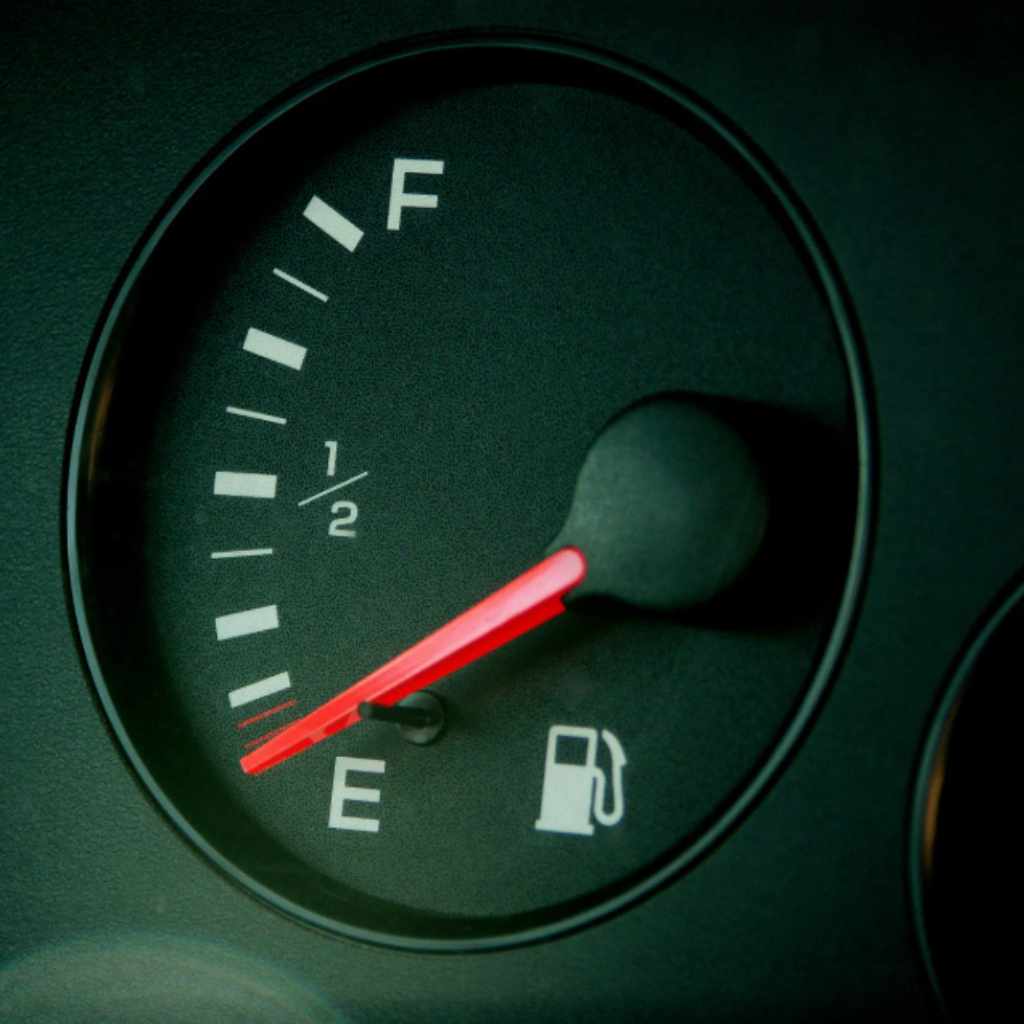
The low fuel warning light is designed to be a safety net, not a countdown timer. It usually triggers when the fuel level drops to about 10% to 15% of the tank’s total capacity, or when the onboard computer estimates you have enough fuel for 30 to 50 miles, whichever comes first.
Think of it this way:
- It’s an Estimate: The remaining distance shown on the digital range estimator is based on your recent driving habits. If you were driving efficiently, the estimate might be higher.
- It’s Variable: Hills, heavy use of the air conditioner, carrying heavy cargo, or speeding all drastically change how far you can go once the light turns on.
Understanding Fuel Tank Anatomy and Design
To really understand the reserve, you need a basic idea of how fuel gets from the tank to the engine. The fuel pump assembly sits inside the tank itself. This pump needs to stay submerged in gasoline to run correctly and cool down. If you run the tank completely dry, two major problems can happen very quickly.
1. Fuel Pump Strain and Overheating
Your fuel pump is an electrical device that cycles fuel constantly. Gasoline acts as a coolant for the pump motor. When the gas level gets too low, the pump starts sucking air mixed with the last bits of fuel. This lack of liquid cooling can cause the pump to overheat and fail prematurely. Replacing a fuel pump can be costly, often costing hundreds of dollars, so respecting the low fuel warning saves you money in the long run.
2. Sediment Stirring
Over time, tiny particles, dirt, and water vapor can settle at the very bottom of your gas tank—this is normal and unavoidable. When you rely on that absolute last drop of fuel, your fuel pump starts pulling up this sediment. This crud can clog your fuel filter or even damage the sensitive fuel injectors. Fuel filters are replaceable, but dirty injectors require professional cleaning or pricey replacement.
For reliable vehicle operation, most experts, including those who focus on vehicle longevity, suggest refueling when you hit the ¼ tank mark. This gives you a healthy buffer against the issues mentioned above.
How to Find Out Your Car’s Real Range Buffer
Since manufacturers don’t publish this “reserve capacity” number, you have to do a little detective work. This requires a careful, planned experiment—never try this on a long trip or in an unknown area!
Step-by-Step Guide to Testing Your Reserve Range
This process should only be done when you are near home or a known gas station and traffic is light. Safety first is always the rule, Md Meraj says!
- Fill Up Completely: Fill your tank until the pump clicks off automatically. Reset your trip odometer to zero.
- Drive Normally: Drive your car under normal conditions until the low fuel warning light illuminates. Note the mileage on your trip odometer when the light comes on. This is your initial usage benchmark.
- Note the Estimated Range: Observe what the car’s digital range estimator says immediately when the light activates (e.g., 40 miles remaining).
- Carefully Proceed: Continue driving cautiously, avoiding hard acceleration or high speeds. Keep track of driving conditions (city vs. highway).
- Refuel Immediately: As soon as your car starts sputtering, hesitating, or you genuinely feel unsafe continuing, pull over safely and fill the tank completely.
- Calculate the True Reserve: Look at the trip odometer. Subtract the mileage you drove before the light came on from the total mileage you drove until you stopped. The remaining distance is your tested reserve distance.
Example Calculation:
If your odometer reads 350 miles when you stop, and the light came on at 300 miles, your safe, actual reserve range was about 50 miles for that specific test.
Factors That Dramatically Affect Reserve Range
The distance you can travel on reserve gas is not fixed. Here are the main enemies of your reserve fuel:
- Speed: Driving 75 mph uses significantly more fuel per mile than driving 55 mph.
- Terrain: Climbing hills burns reserve fuel much faster than cruising on flat land.
- Vehicle Load: Extra weight (passengers or cargo) forces the engine to work harder.
- Weather: Using the heater or A/C places an electrical load on the engine, which slightly reduces overall fuel efficiency.
Comparing Reserve Fuel Across Different Vehicle Types
The size of the reserve—relative to the whole tank—is often similar across vehicle types, but the total miles you get change drastically depending on the size of the fuel tank and the engine’s efficiency.
Below is a general comparison. Remember, these are estimates based on the tank size and standard low-fuel light activation points.
| Vehicle Type | Typical Tank Size (Gallons) | Estimated Reserve Capacity (Gallons) | Estimated Reserve Miles (Mixed Driving) |
|---|---|---|---|
| Compact Sedan (e.g., Honda Civic) | 12 – 15 Gallons | 1.5 – 2.0 Gallons | 35 – 55 Miles |
| Mid-Size SUV (e.g., Toyota RAV4) | 15 – 18 Gallons | 2.0 – 2.5 Gallons | 40 – 60 Miles |
| Full-Size Truck (e.g., Ford F-150) | 23 – 36 Gallons | 3.0 – 4.5 Gallons | 45 – 75 Miles |
As you can see from the table, a truck might have more actual gallons in reserve due to its larger overall tank, but a smaller, more efficient sedan might achieve similar mileage based on the efficiency of its engine (miles per gallon, or MPG).
Why You Should Never Routinely Run on Reserve Gas
While knowing you have a buffer is helpful for emergencies, making a habit of using the reserve is poor practice for your car’s health. It’s like exercising only on the bare minimum of sleep—you might survive, but you won’t thrive.
Potential Issues of Running Near Empty Constantly
Here are the key drawbacks to operating on fumes:
- Fuel Pump Damage: As mentioned, overheating is the number one concern. This is often the most expensive repair related to habitually running low.
- Clogged Filters: Sediment and contaminants at the bottom of the tank get pulled into the system.
- Fuel Vapor Lock (Rarely, but Possible): In extremely hot weather, if there isn’t enough liquid fuel to cool the system surrounding the fuel lines, vapor bubbles can form, temporarily stopping fuel flow.
- Stress and Anxiety: For the driver, constantly watching that gauge causes stress, which can lead to distracted driving.
The Importance of Fuel Quality
Good fuel quality helps all the components last longer. You can check resources like the AAA guide on gasoline and maintenance to learn more about maintaining fuel system integrity.
What to Do When You See the Light: A Safety Plan
The moment that light comes on, panic is not productive. Take a deep breath. You have a small window of safety before you need to find fuel.
Your “Low Fuel” Action Plan
- Stay Calm and Confirm: Ensure the light you see is the fuel light (it usually looks like a small gas pump icon) and not an engine warning light.
- Check Your Range: Look at your digital remaining mileage display. If it says “Low Fuel,” rely on the estimate, but treat it as the absolute maximum.
- Reduce Energy Drain: Turn off non-essential electronics. This means turning off the air conditioning or heater, radio, and heated seats. This allows the engine to focus all power on propulsion.
- Drive Smarter: Maintain a steady speed, preferably at or slightly below the speed limit, and avoid sudden braking or accelerating. Coasting when safe also helps.
- Locate the Nearest Station: Use a navigation app (like Google Maps or Waze) on your phone to search for the nearest “gas station” immediately.
When to Pull Over Immediately
There is a major difference between the low fuel warning and the absolute empty mark. If you experience any of the following, you must pull over to a safe location immediately and call for assistance (like roadside help or a friend with a gas can):
- The engine stumbles or sputters during acceleration.
- The engine RPMs drop unexpectedly while cruising.
- Your range estimator hits “—” or “0 miles.”
Remember, being stranded is not just inconvenient; it can be dangerous, especially at night or on busy roads. When in doubt, always err on the side of caution.
Fuel Gauge Accuracy: Why They Can Be Misleading
Even if you understand the reserve concept, your fuel gauge itself isn’t perfectly accurate. Most modern gauges use a float mechanism connected to a variable resistor (a sender unit) that tells the dashboard how much gas is in the tank. These mechanical components can wear out or stick.
Common Fuel Gauge Problems
| Symptom | Likely Cause | Action Needed |
|---|---|---|
| Gauge drops quickly, then jumps back up. | Sticking float arm or faulty sender unit. | Requires inspection by a mechanic. |
| Gauge reads empty even after filling up. | Electrical connection issue or completely failed sender. | Needs repair before reliable fuel planning is possible. |
| Gauge sticks at the halfway mark. | Sediment buildup on the float mechanism. | Gentle servicing might fix it, but often needs replacement. |
If you suspect your gauge is unreliable, it is much safer to start tracking your mileage based on full tanks, especially before taking long trips. Trusting your odometer over a faulty gauge is always the smarter choice when you are trying to manage your fuel supply.
The Environmental Angle: Why Clean Fuel Matters
Running the tank too low isn’t just bad for your wallet due to potential repairs; it also impacts the environment slightly. When the fuel pump stirs up sediment, the engine might run less efficiently for the next few miles, leading to higher pollution as the catalytic converter works harder to clean up the exhaust.
Modern vehicles are designed to be very efficient, which is great for the environment and your budget. However, this efficiency also means the margin for error when running on fumes is smaller than it was in older cars. Keeping the fuel system clean ensures the emissions controls work as designed by the engineers at facilities like those audited by the U.S. Environmental Protection Agency (EPA).
FAQ: Beginner Questions About Reserve Gas
Q1: If my car says “empty,” can I still drive 50 miles?
A: Possibly, but it’s risky. “Empty” usually means you have entered the reserve zone, which might be 30 to 50 miles worth of fuel, but this is highly dependent on your speed and driving conditions. It is best to interpret “empty” as time to find the nearest station immediately.
Q2: Does the reserve capacity change if I use premium gas versus regular gas?
A: No. The physical volume of the reserve space in your tank does not change based on the octane rating of the fuel you put in. However, if your car requires premium and you use regular, the engine might adjust timing to prevent knocking, which could slightly affect overall fuel economy, but not the physical reserve volume.
Q3: Is it okay for my fuel tank to be full all the time?
A: Generally, yes. Keeping your tank full is better for preventing condensation (water buildup) inside the tank, especially in humid climates, and it keeps the fuel pump cooler. The only minor downside is slightly increased weight when driving on very short trips.
Q4: Do electric cars (EVs) have a reserve equivalent?
A: Electric vehicles do not use gasoline, so they don’t have gas reserves. They have a battery reserve range. Like gas cars, EVs will show a low battery warning, usually when you reach 10% charge, giving you a buffer to reach the next charging station.
Q5: What should I do if my car runs completely out of gas?
A: First, pull over safely to the shoulder or parking lot. Turn on your hazard lights. You will need 1-2 gallons of fresh gas brought to you, or you will need to call a tow service to take you to the nearest station. After refueling old cars, you might need to cycle the key a few times to repressurize the system before starting. Newer cars often cycle the pump automatically.
Q6: Does my driving style affect the low fuel light trigger point?
A: Yes! Your car’s computer uses historical driving data to estimate your range when the light comes on. If you’ve been driving fast and aggressively, the computer recognizes you are burning fuel quickly and might trigger the light slightly sooner, or estimate a shorter remaining range compared to gentle driving.
Conclusion: Driving with Fuel Confidence
So, to bring it all home: Yes, your car has a functional “reserve” space in the bottom of the tank—enough for a short, low-speed drive to safety. However, treating this reserve as standard operating procedure is a gamble that can cost you an expensive fuel pump replacement down the road. For the health of your vehicle and your peace of mind, adopt the ¼ tank rule. This simple habit ensures your fuel pump stays submerged, your system stays clean, and you never have to stress about that blinking orange light interrupting your drive.
By understanding the mechanics behind your fuel gauge and taking a few simple, proactive steps, you move from being a nervous driver to a confident caretaker of your vehicle. Keep your tank properly filled, monitor your gauges, and enjoy smoother, worry-free driving knowing you are always in control of your fuel supply.