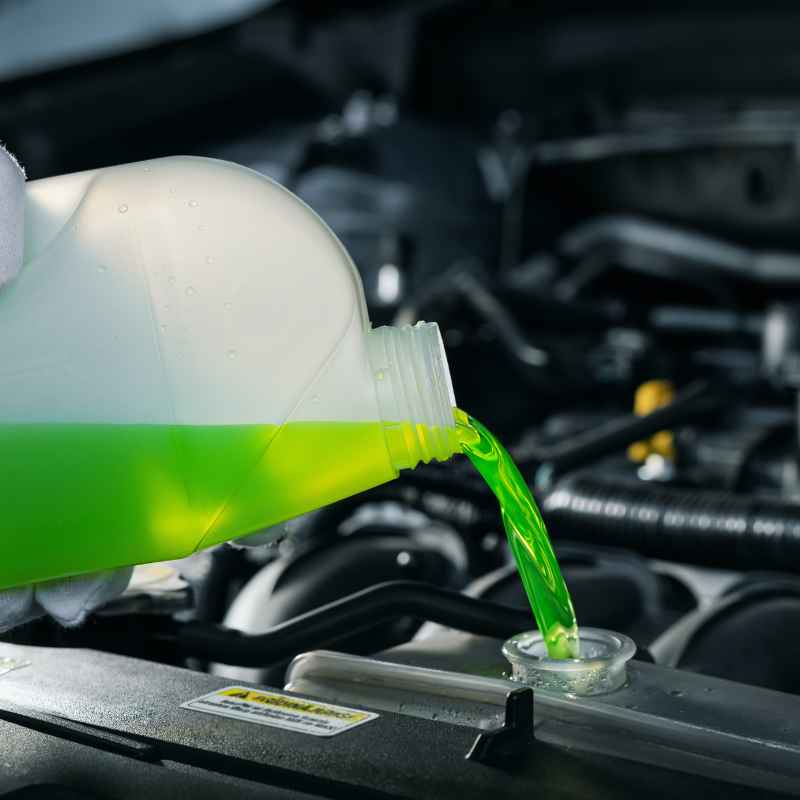
Do Cars Need Antifreeze Year-Round? Here’s the Truth
Yes, cars need antifreeze year-round, usually in a 50/50 coolant-water mix unless your owner’s manual calls for another ratio. Skip it or use the wrong blend, and you risk overheating, freezing, corrosion, and a repair bill far larger than a simple top-up. This guide explains how to check coolant safely, when a top-up is enough, and when you need a full coolant change.
Why antifreeze matters more than just winter
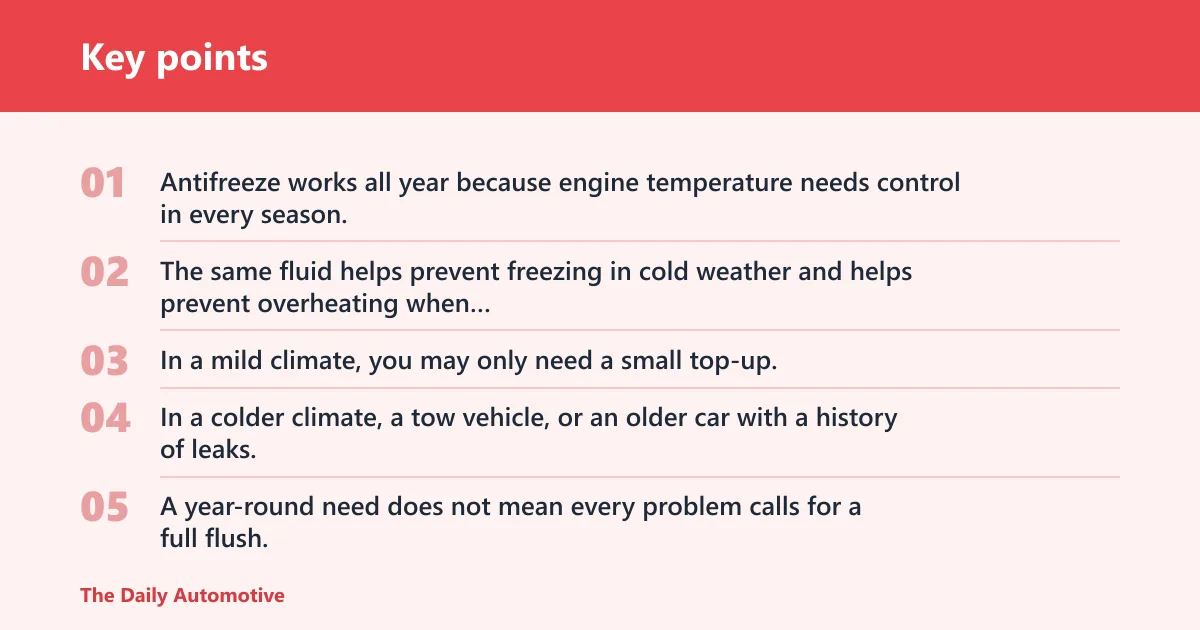


Yes. Antifreeze works all year because engine temperature needs control in every season. The same fluid helps prevent freezing in cold weather and helps prevent overheating when the engine is under load, idling in traffic, or working hard in hot weather.
What changes is the decision you make. In a mild climate, you may only need a small top-up. In a colder climate, a tow vehicle, or an older car with a history of leaks, the same low level can point to a more serious problem. Year-round protection matters either way.
When “year-round” means top-up versus service
A year-round need does not mean every problem calls for a full flush. If the reservoir is only a little low and the fluid looks clean, a correct top-up may be enough. If the coolant is rusty, cloudy, sludgy, or mixed with the wrong type, that points to service rather than a top-up.
Suppose a sedan in a hot climate needs a small top-off after a slow seep at a hose clamp. That is a level issue. Suppose the same car has brown fluid and deposits floating in the tank. That is a coolant condition issue, and the system needs inspection before more fluid goes in.
What is the difference between antifreeze and coolant?
Antifreeze is the concentrate, usually based on ethylene glycol or propylene glycol with corrosion inhibitors. Coolant is antifreeze mixed with water, and it circulates through the engine and radiator to carry heat away. People often use the words interchangeably, but the service decision depends on which form you have. (Wikipedia)
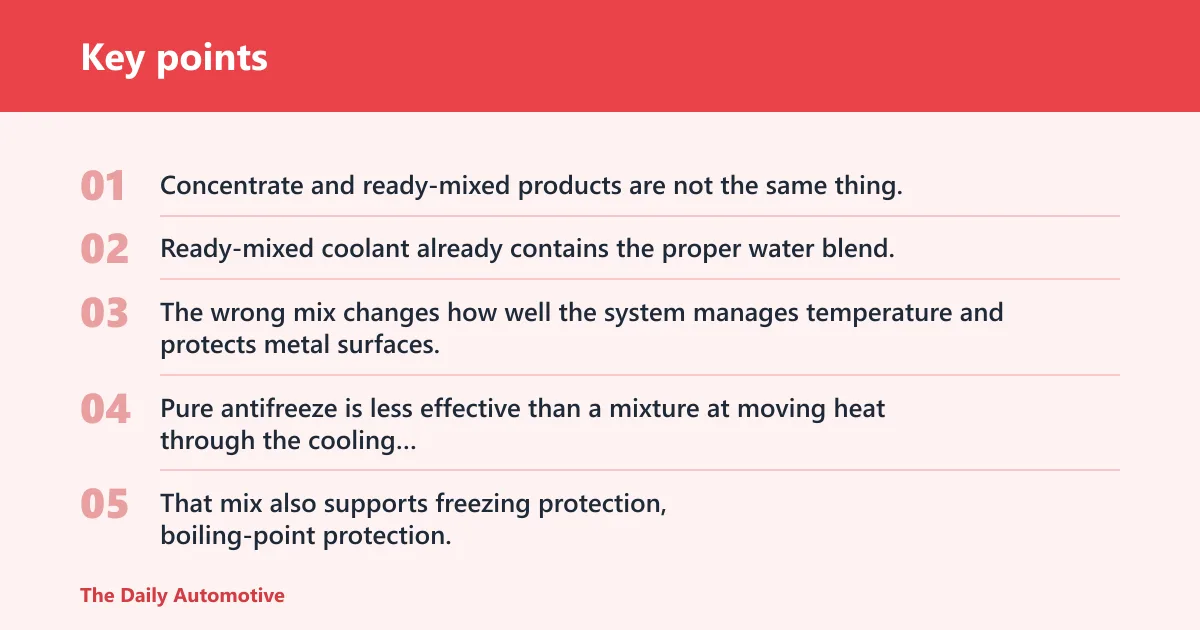
Concentrate and ready-mixed products are not the same thing. Ready-mixed coolant already contains the proper water blend, while concentrate must be mixed before use. The wrong mix changes how well the system manages temperature and protects metal surfaces.
Why water is part of the mix
Water helps coolant move heat. Pure antifreeze is less effective than a mixture at moving heat through the cooling system, so the common 50:50 ratio is used for everyday driving. That mix also supports freezing protection, boiling-point protection, and corrosion control.
The cooling system relies on more than the fluid itself. The radiator, expansion tank or reservoir, hoses, and water pump all work together to keep engine temperature under control.
Why coolant matters in hot weather
Coolant matters in summer because it raises boiling-point protection and helps the radiator carry heat away from the engine. A proper coolant mix helps prevent overheating in summer, especially when the car is idling in traffic, climbing hills, towing, or carrying a heavy load.
When the mix is too weak, the system loses margin. That can mean a lower boiling point, more pressure on the cooling system, and a greater chance of temperature spikes. Heat stress does not wait for winter.
Load and towing change the risk
A small hatchback in city traffic may need less thermal headroom than a pickup towing a trailer on a long grade. Both still need antifreeze year-round, but the vehicle under heavier load is more likely to expose a weak mix or a low reservoir before the light weather does.
Can I use water instead of antifreeze in summer?
Only as a short emergency measure, and only long enough to get the car to a safe place or a repair shop. Water alone does not provide the same corrosion protection, and it does nothing for freezing protection. For regular use, the system needs the correct coolant blend.
If you have to add water in a pinch, distilled water is the better choice when you are mixing coolant. Tap water can leave minerals behind, and those deposits can contribute to scale or contamination over time. A proper coolant mix is still the goal.
Why distilled water is preferred
Distilled water has had minerals removed, so it is less likely to add scale to the cooling system. That matters because the passages in the radiator and engine are narrow, and mineral buildup can reduce flow and heat transfer. Tap water is a poor long-term substitute.
Coolant types and mix ratios
Coolant is commonly mixed with water in a 50:50 ratio, and Garage List says antifreeze and water usually mix about 50:50. That is the common starting point, but the owner’s manual can specify a different ratio or a premixed product. Do not assume one blend fits every vehicle.
Coolant types are commonly identified by colors like green, blue, orange, pink, and yellow. Those colors can sometimes correspond to OAT, HOAT, or silicate-free formulations, and color alone is generally not a reliable way to match coolant. The specification matters more than the shade.
Concentrate versus ready-mixed
Concentrate is the stronger base product and must be diluted before use. Ready-mixed coolant is already blended with water. If you buy concentrate and add it straight, the mixture can end up too strong; if the mix is too strong, it can reduce heat transfer and upset the balance the system needs.
What OAT, HOAT, and silicate-free mean
These labels describe additive chemistry, which affects compatibility and service life. OAT and HOAT formulations are not interchangeable with every older formula, and silicate-free blends may be required by some vehicles. The owner’s manual or service schedule should guide the choice.
Coolant decision checklist
Use this checklist when you need to decide whether to top up, inspect further, or schedule service. It is meant for the fluid in the reservoir, not as a substitute for a full diagnosis when the engine is running hot or the warning light is on.
| Scenario | What to inspect | Acceptable coolant condition | Next action |
|---|---|---|---|
| Hot climate | Reservoir level, hose condition, recent load or idling | Clean, correct level between MIN and MAX | Top up with the correct mix if low; inspect for leaks if level keeps dropping |
| Cold climate | Reservoir level, service spec, freeze protection requirement | Clean fluid with the correct vehicle-approved mix | Use the manufacturer-specified coolant and ratio; do not assume water is enough |
| Frequent top-offs | Leak points, hose joints, radiator, reservoir cap, water pump area | Fluid should stay stable between services | Inspect for a leak; repeated top-offs usually need diagnosis |
| Rusty fluid | Color, smell, deposits, system age | Fluid should not look brown or rusty | Plan a coolant change and system inspection |
| Sludgy fluid | Thickness, cloudiness, gel-like texture, debris | Clear or evenly colored fluid without sludge | Change the coolant immediately and check for contamination |
| Mixed coolant types | Label, specification, previous service records | Only compatible formulas should be combined | If you cannot confirm compatibility, drain and refill with the correct type |
| Temperature-warning-light case | Gauge, warning lamp, reservoir level, obvious leaks | Light off, level stable, no contamination | Pull over safely, let the engine cool, then inspect before driving again |
What bad coolant looks like
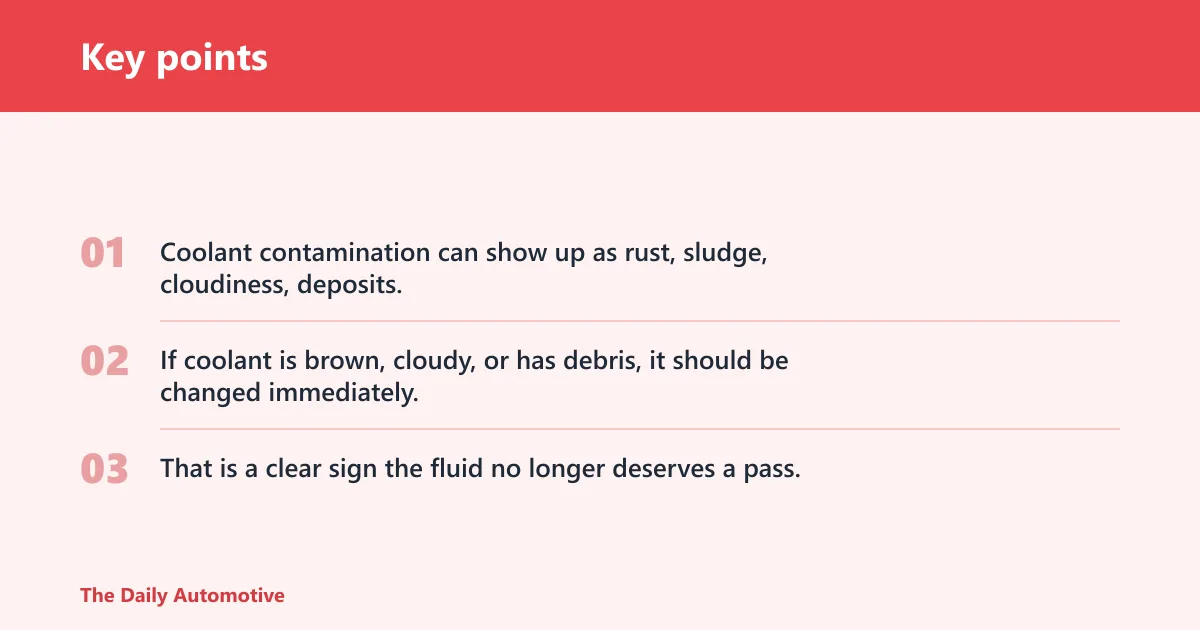
Coolant contamination can show up as rust, sludge, cloudiness, deposits, or bits floating in the fluid. If coolant is brown, cloudy, or has debris, it should be changed immediately. That is a clear sign the fluid no longer deserves a pass.
How do you check coolant safely?
Check coolant only when the engine is completely cool. Open no hot radiator cap. Start at the translucent reservoir and look at the MIN and MAX marks, because that is the normal top-up point on many vehicles. The level should sit between those marks when cold.
A reservoir that sits slightly below MAX when cold can still be normal. A level at or below MIN needs attention, especially if it keeps dropping. Low coolant can point to a leak that needs inspection.
- Park on level ground and let the engine cool fully.
- Find the translucent expansion tank or reservoir.
- Read the fluid level against the MIN and MAX marks.
- Check the fluid color and clarity through the tank.
- Top up only with the correct coolant type and mix.
- Inspect for leaks if the level is low again soon.
How often should coolant be changed?
The owner’s manual comes first. Manufacturer service schedule guidance matters because change intervals vary by vehicle, coolant chemistry, and system design. Some modern long-life coolants stay in service much longer than older formulas, while some vehicles specify shorter intervals.
Leaks, contamination, and the wrong coolant type can shorten that interval. If the fluid is dirty, sludgy, rusty, or mixed with something incompatible, waiting for the next scheduled date is the wrong move. The fluid needs attention now.
What the service schedule is really telling you
It is not just a mileage number. It also tells you what type to use, whether the system needs a specific additive package, and whether the car requires concentrate, ready-mixed fluid, or a particular ratio. That guidance matters more than guessing from color alone.
Frequently asked questions
Do cars need antifreeze year-round?
Yes. Cars need antifreeze year-round because the cooling system has to manage freezing risk in cold weather and overheating risk in hot weather. The right mix also protects metal surfaces from corrosion and helps the water pump seal. The exact ratio and coolant type should follow the owner’s manual.
How do I know if my coolant is bad?
Look for brown color, cloudiness, sludge, deposits, or bits floating in the fluid. Those signs mean the coolant should be changed immediately. A bad-smelling or repeatedly low reservoir can also point to trouble, but contamination alone is enough reason to stop treating the fluid as normal.
Can I mix different colors of antifreeze?
Not unless the manufacturer says the formulas are compatible. Color alone is not a reliable guide, because green, blue, orange, pink, and yellow coolants can use different additive packages. If you cannot confirm compatibility, do not guess; drain and refill with the correct specified coolant.
How do I check coolant level safely?
Wait until the engine is completely cool, then inspect the translucent reservoir against the MIN and MAX marks. That is the safest place to check and top up on many vehicles. Do not open a hot radiator cap. If the level is low again after topping off, inspect for a leak.
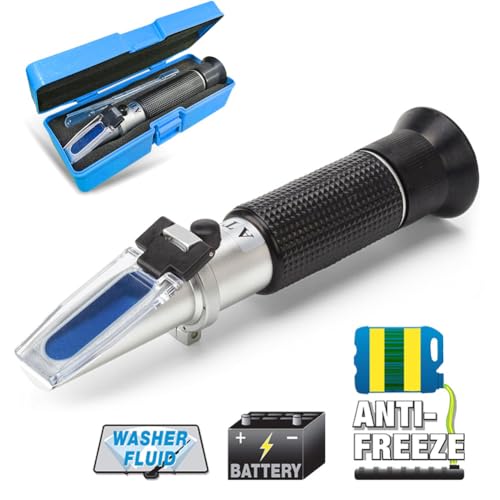
Products related to this article
Sponsored / affiliate links. As an Amazon Associate I earn from qualifying purchases. I may earn additional commission from eligible campaigns.