How Often Do I Need Antifreeze Local Expert Advice
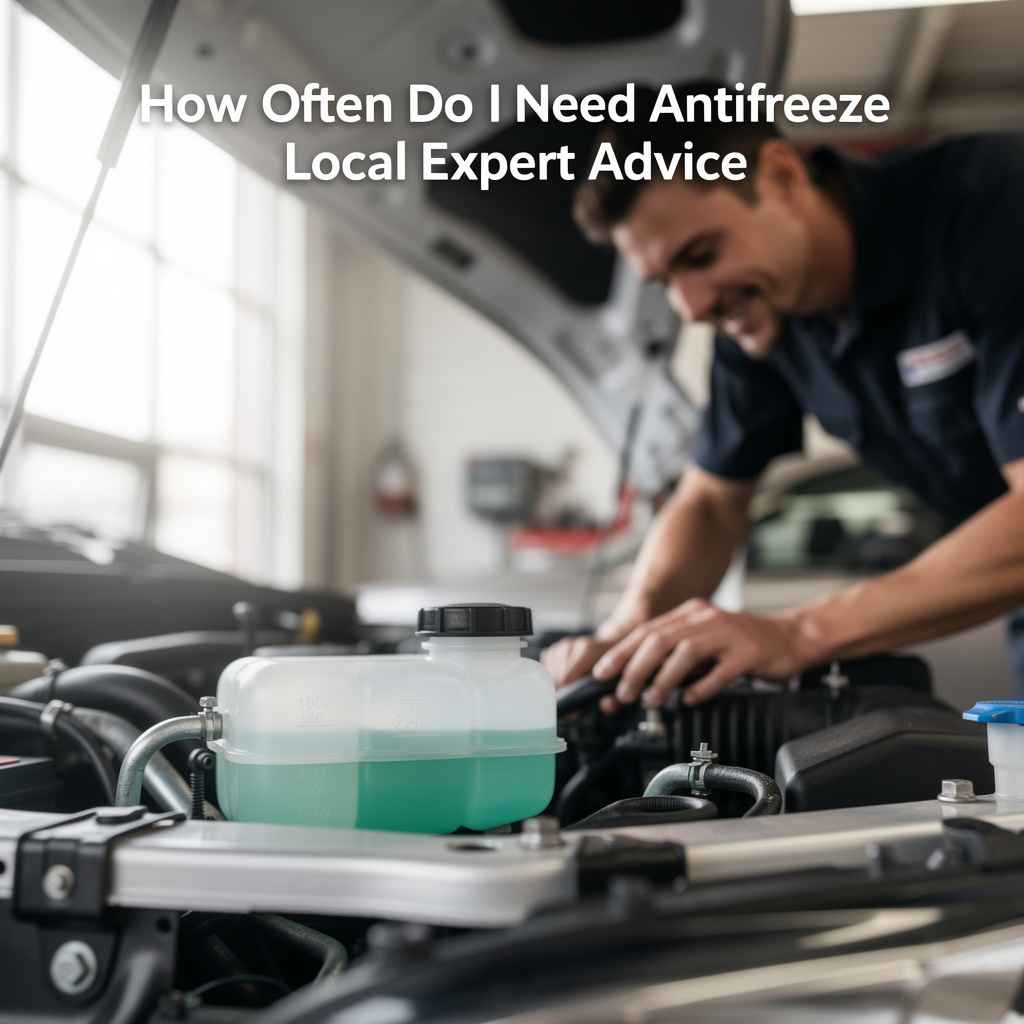
Figuring out when to use antifreeze in your car can feel a bit confusing, especially if you’re new to car care. Many drivers wonder, “How Often Do I Need to Use Antifreeze? Local Expert Advice” is a common question because it’s super important for keeping your engine happy.
Don’t worry, though! We’ll break it all down super simply, step by step, so you know exactly what to do. Get ready to learn all about keeping your car cool and protected.
Understanding Your Car’s Cooling System and Antifreeze
Your car’s engine creates a lot of heat when it runs. This heat needs to go somewhere, or your engine could get damaged. That’s where the cooling system comes in!
It uses a special liquid, called coolant or antifreeze, to absorb the heat from the engine and then release it into the air. Antifreeze is also important in cold weather because it stops the coolant from freezing, which could also cause big problems.
Many people ask, “How Often Do I Need to Use Antifreeze? Local Expert Advice” because the exact timing can seem tricky. It’s not just about how often you drive, but also about the type of antifreeze you use and the conditions your car faces.
This section will explain how the cooling system works and what antifreeze actually does.
The Role of Antifreeze in Engine Health
Antifreeze, also known as engine coolant, is a vital fluid for your vehicle’s performance and longevity. Its primary function is to regulate the engine’s temperature. During the summer months, it absorbs excess heat generated by combustion, preventing the engine from overheating.
In colder climates, it prevents the coolant from freezing, which could lead to cracks in the engine block or radiator.
Antifreeze contains chemicals that raise the boiling point and lower the freezing point of water. This dual action ensures your engine operates within its optimal temperature range, regardless of the weather outside. Without proper coolant levels and condition, your engine faces significant risks of damage.
Heat Absorption: The engine generates thousands of degrees of heat during normal operation. The coolant circulates through passages in the engine block, absorbing this heat.
This heat absorption is critical. If the heat isn’t removed efficiently, engine components can warp, seals can fail, and internal damage can occur, leading to costly repairs. The coolant acts as a heat transfer medium, moving the thermal energy away from the engine’s core.
Corrosion Prevention: Modern antifreeze contains additives that protect the metal components within the cooling system from rust and corrosion.
These additives form a protective layer on metal surfaces, preventing electrochemical reactions that lead to degradation. Over time, these protective additives can deplete, making the coolant less effective and potentially exposing your cooling system to damage. This is why flushing and replacing coolant is so important.
Lubrication: The coolant also lubricates the water pump, which is responsible for circulating the coolant throughout the system. This lubrication helps the water pump run smoothly and extend its lifespan.
The water pump seals and bearings rely on the coolant for consistent lubrication. Without adequate lubrication, these parts can wear out prematurely, leading to leaks or complete pump failure. A failing water pump can quickly cause the engine to overheat.
How Your Car’s Cooling System Works
Your car’s cooling system is a closed loop designed to maintain a stable engine temperature. It consists of several key components that work together seamlessly.
The process begins with the engine generating heat. This heat is absorbed by the coolant flowing through channels in the engine block and cylinder head. The heated coolant then travels to the radiator, typically located at the front of the car.
Air flows through the radiator’s fins as the car moves, or a fan kicks in when the car is stationary, dissipating the heat from the coolant into the atmosphere.
Once cooled, the fluid returns to the engine to repeat the cycle. A thermostat controls the flow of coolant, opening when the engine reaches its optimal operating temperature and closing when it’s cooler, allowing the engine to warm up faster. The water pump is the heart of the system, constantly circulating the coolant.
Engine Block and Cylinder Head Passages: These are tiny channels within the metal of your engine where the coolant flows. They are designed to maximize the surface area for heat transfer.
Imagine tiny veins running through your engine. The coolant travels through these veins, picking up heat directly from the parts that get the hottest. This efficient heat exchange is the first step in keeping your engine from melting down.
Water Pump: This is a mechanical pump, usually driven by the engine’s belt system, that forces the coolant through the entire system.
Think of it as the heart of your car’s cooling system. It ensures that hot coolant is constantly being moved away from the engine and that cooler coolant is brought in to continue the cooling process. Without a working water pump, the coolant would just sit there, and the engine would quickly overheat.
Radiator: This is a heat exchanger, usually made of metal fins and tubes, where the hot coolant is cooled by air passing through it.
The radiator acts like a giant fan for your coolant. As your car moves, or when the radiator fan turns on, air blows across the radiator’s many small tubes. This air carries away the heat from the coolant flowing inside, making it cooler before it goes back to the engine.
Thermostat: This is a temperature-sensitive valve that regulates the flow of coolant. It stays closed when the engine is cold to help it warm up faster.
The thermostat is like a gatekeeper for the coolant. When your engine is cold, it keeps the coolant circulating only within the engine itself. Once the engine reaches its ideal operating temperature, the thermostat opens, allowing coolant to flow to the radiator for cooling.
Factors Determining How Often To Change Antifreeze
The question “How Often Do I Need to Use Antifreeze? Local Expert Advice” often comes up because there isn’t one single answer that fits every car or driver. Several factors influence how frequently you should inspect and replace your antifreeze.
These include the age and type of your vehicle, the specific type of antifreeze used, your driving habits, and the climate you live in.
Ignoring these factors can lead to reduced cooling efficiency and potential damage to your engine. Understanding these influences will help you create a maintenance schedule that keeps your car running smoothly and prevents unexpected issues. We’ll break down each of these elements so you can make informed decisions.
Vehicle Age and Type
Older vehicles might have different cooling system designs and materials compared to newer ones. This can affect the type of antifreeze recommended and its lifespan. For instance, some older cars may require conventional green antifreeze, while modern cars often use long-life or extended-life coolants in different colors like orange, pink, or blue.
The materials used in your cooling system are also important. Some antifreeze types are designed to be compatible with specific metals like aluminum, which is common in modern engines. Using the wrong type could lead to corrosion or other damage.
Always consult your owner’s manual for the specific antifreeze recommended for your vehicle’s make, model, and year.
Older Cars (Pre-1990s): Often used conventional inorganic additive technology (IAT) coolants, typically green in color. These had shorter service intervals.
These older formulations were effective but broke down faster. They contained silicates and phosphates that protected the metal but could also form deposits over time. They generally needed to be changed every 30,000 miles or two years, whichever came first.
Mid-Range Cars (1990s-Early 2000s): Saw the introduction of hybrid organic acid technology (HOAT) coolants. These combined the benefits of IAT and OAT.
HOAT coolants offered improved protection and longer service intervals compared to traditional IAT. They were often found in different colors but were designed for a balance of protection and duration, typically lasting up to 50,000 miles or five years.
Modern Cars (Mid-2000s Onward): Predominantly use fully organic acid technology (OAT) or specialized long-life coolants. These can last much longer.
OAT coolants, often in colors like orange or red, use organic acids to provide protection. They are designed to last for many years and miles, sometimes up to 100,000 miles or five to ten years. They form a protective film that is less prone to depletion.
Type of Antifreeze Used
There are several types of antifreeze, and each has a different recommended service life. Using the correct type is crucial, not only for performance but also for compatibility with your vehicle’s cooling system components.
The main categories are Inorganic Additive Technology (IAT), Organic Acid Technology (OAT), and Hybrid Organic Acid Technology (HOAT). Each formulation uses different chemical additives to provide protection against corrosion, freezing, and boiling. Mixing different types of antifreeze can sometimes cause chemical reactions that reduce their effectiveness or even damage your cooling system.
Inorganic Additive Technology (IAT)
IAT coolants are the traditional type, often recognizable by their green color. They contain inorganic inhibitors like silicates and phosphates. These work by forming a protective layer on metal surfaces, preventing corrosion.
However, these inhibitors can deplete over time, and they may not offer the same level of long-term protection or heat transfer efficiency as newer technologies.
IAT coolants generally require more frequent changes, typically every 30,000 miles or two years. They are often found in older vehicles but can also be used in some newer models if specified by the manufacturer. It’s important to note that mixing IAT with other types of antifreeze can be problematic and reduce overall effectiveness.
Inhibitors Depletion: The inorganic additives in IAT coolants wear out over time and mileage.
These additives are consumed as they fight corrosion. Once they are used up, the coolant loses its protective properties, leaving the engine’s metal components vulnerable to rust and damage. This is why older coolants need more frequent replacement.
Compatibility Issues: IAT coolants are not always compatible with the materials found in newer cooling systems, such as aluminum components.
While effective for older cast iron and steel parts, the silicates in IAT can be abrasive to aluminum. Modern engines often use lightweight aluminum alloys, and these require different types of corrosion inhibitors to prevent pitting and degradation.
Shorter Service Life: Generally recommended for replacement every 30,000 miles or 2 years.
This shorter interval is a direct result of the faster depletion of its protective additives compared to modern formulations. It’s a reliable option for older cars but requires more regular attention for optimal performance.
Organic Acid Technology (OAT)
OAT coolants, often colored orange, red, or yellow, use organic acids like sebacates and 2-ethylhexanoic acid. These additives form a protective film on metal surfaces that is more durable and lasts much longer than IAT inhibitors. OAT coolants are designed for extended service intervals, typically lasting 100,000 miles or five years, and sometimes even longer.
They are common in many modern vehicles, particularly those from European and American manufacturers. OAT coolants are known for their excellent corrosion protection and heat transfer capabilities. It’s crucial to use the specific OAT coolant recommended by your vehicle manufacturer, as there can be subtle differences in formulations.
Longer-Lasting Protection: Organic acids create a protective film that doesn’t deplete as quickly as inorganic inhibitors.
This film adheres to metal surfaces and continuously protects against corrosion. This is the primary reason why OAT coolants can last for such extended periods, offering peace of mind for drivers.
Excellent for Modern Engines: Specifically formulated to be compatible with aluminum and other lightweight materials.
Modern engine designs often rely on aluminum for its strength and weight-saving properties. OAT coolants are engineered to protect these sensitive materials effectively, preventing corrosion and maintaining the integrity of the cooling system.
Extended Service Intervals: Typically rated for 100,000 miles or 5 years.
This significantly reduces the frequency of coolant flushes and replacements, making them a convenient and cost-effective choice for many vehicle owners. Always check your owner’s manual for the precise recommendation.
Hybrid Organic Acid Technology (HOAT)
HOAT coolants combine the benefits of both IAT and OAT. They contain a blend of inorganic inhibitors to provide immediate protection and organic acids for long-term protection. This hybrid approach offers enhanced corrosion resistance and extended service life compared to traditional IAT coolants, often providing protection for around 50,000 to 100,000 miles or five years.
HOAT coolants are common in many import vehicles and some domestic models. Their colors can vary, including green, yellow, blue, or orange, so it’s essential to verify the type recommended for your car. They offer a good balance of performance and longevity for a wide range of vehicles.
Combines IAT and OAT Benefits: Offers both immediate and long-term corrosion protection.
This blend ensures that your cooling system is protected from the moment the coolant is added, while also providing robust defense against wear and tear over many years. It’s a well-rounded formulation designed for broad effectiveness.
Broad Vehicle Compatibility: Suitable for a wide array of vehicles, including many with aluminum components.
The inclusion of organic acids makes HOAT coolants safer for modern engine materials, while the inorganic inhibitors offer a traditional layer of defense. This makes them a versatile choice for many car makes and models.
Moderate Service Intervals: Often recommended for replacement every 50,000 to 100,000 miles or 5 years.
This falls between traditional IAT coolants and some of the longest-life OAT formulations. It provides a good balance for drivers who want better protection than older coolants but don’t necessarily need the extreme longevity of some specialized types.
Driving Habits and Conditions
Your driving habits and the conditions your car is exposed to significantly impact the lifespan of your antifreeze. Frequent short trips, heavy towing, stop-and-go traffic, and extreme temperatures all put more stress on the cooling system.
For example, if you live in a region with very hot summers or extremely cold winters, your engine is working harder to maintain its optimal temperature. Similarly, if you frequently drive in dusty or harsh environments, your cooling system might need more attention. These conditions can accelerate the breakdown of antifreeze additives and reduce its effectiveness.
Short Trips and Frequent Idling: These conditions can lead to less efficient heat dissipation and increased stress on the cooling system.
When you make short trips, the engine doesn’t always reach its optimal operating temperature, leading to condensation buildup that can dilute coolant and promote corrosion. Frequent idling, especially in hot weather, means the radiator fan works harder and longer, increasing wear on the cooling system components.
Heavy Towing or Hauling: Places a significant load on the engine, generating more heat than normal driving.
When you tow a trailer or carry heavy loads, your engine has to work much harder. This increased workload means more heat is produced, and the cooling system must work overtime to manage it. This extra strain can degrade antifreeze more quickly.
Extreme Climates (Very Hot or Very Cold): Extreme temperatures force the cooling system to work harder to maintain a stable engine temperature.
In hot weather, the coolant is constantly fighting against overheating. In cold weather, it’s preventing freezing and ensuring the engine warms up efficiently. Both extremes put added pressure on the antifreeze’s ability to perform its job.
Climate Considerations
The climate you live in plays a major role in how often you need to service your antifreeze. In very cold regions, the freezing point protection of antifreeze is paramount. In very hot regions, the boiling point elevation and heat transfer capabilities are more critical.
If your climate experiences significant temperature swings, your antifreeze is constantly being challenged. It’s important that your antifreeze is always ready to handle both extreme heat and extreme cold. Regularly checking the antifreeze concentration and condition is a good practice, especially if you live in a climate with harsh winters or scorching summers.
Cold Climates: Antifreeze prevents the coolant from freezing and expanding, which could crack the engine block or radiator.
In freezing temperatures, water expands. If your cooling system is filled with plain water, it would freeze and the expanding ice could cause catastrophic damage to engine parts. Antifreeze lowers the freezing point significantly, keeping the coolant liquid and your engine protected.
Hot Climates: Antifreeze raises the boiling point of water, preventing the coolant from boiling over and causing the engine to overheat.
Even in cool weather, engines get very hot. In high ambient temperatures, the coolant is under immense pressure to keep the engine from overheating. Antifreeze helps keep the coolant from boiling off, maintaining its cooling effectiveness.
Mixed Climates: Regions with distinct hot summers and cold winters require robust antifreeze protection year-round.
If you experience both heat waves and deep freezes, your antifreeze needs to perform well in all conditions. This means ensuring the correct concentration for both freezing and boiling protection is maintained throughout the year.
When to Inspect and Replace Your Antifreeze
Knowing when to check and replace your antifreeze is key to preventing costly engine damage. While manufacturer recommendations are a good starting point, it’s also important to be aware of the signs that your antifreeze might be nearing the end of its life or has become contaminated. Regular visual checks and professional inspections can save you from future headaches.
Paying attention to your car’s cooling system and its fluid can alert you to potential problems before they become major issues. This section will guide you through the typical intervals for antifreeze replacement and what signs to look out for.
Manufacturer Recommendations and Service Intervals
Most vehicle manufacturers provide specific guidelines in your owner’s manual for when to service your cooling system and replace the antifreeze. These recommendations are based on extensive testing and are designed to ensure optimal performance and longevity for your specific vehicle.
These intervals are typically given in mileage or time, whichever comes first. For example, a car might recommend an antifreeze change every 60,000 miles or every 5 years. It’s crucial to follow these recommendations, as using the wrong type of antifreeze or extending its life beyond its recommended service interval can lead to corrosion and reduced cooling efficiency.
It’s important to remember that these are general guidelines. Your specific driving conditions might necessitate more frequent changes. If you regularly drive in severe conditions, like those mentioned earlier, you may need to service your cooling system more often than the manufacturer suggests.
Consult Your Owner’s Manual: Always refer to your vehicle’s owner’s manual for the exact type of antifreeze and recommended service intervals.
This is the most reliable source of information for your specific car. Manufacturers design their cooling systems and fluid requirements precisely for their vehicles, so their guidance is paramount.
Follow Mileage or Time Intervals: Whichever comes first, adhere to the recommended mileage or time-based schedule for coolant changes.
If your manual says every 60,000 miles or 5 years, and you reach 5 years before hitting 60,000 miles, it’s time for a change. Likewise, if you hit 60,000 miles first, do it then, even if it hasn’t been 5 years.
Note Different Coolant Types: Different antifreeze formulations have vastly different service lives.
A conventional green coolant might need changing every 30,000 miles, while a long-life orange coolant might last 100,000 miles. Using the correct type is essential for achieving these longer intervals.
Visual Inspection Signs
Regularly looking at your antifreeze can tell you a lot about its condition. The color and clarity of the coolant are important indicators. If you notice changes in its appearance, it might be time for a replacement.
Some common visual cues that your antifreeze needs attention include rust-colored fluid, cloudy or murky appearance, floating debris or sediment, or oil or grease in the coolant. These signs indicate that the protective additives may have depleted or that there might be an issue within your cooling system, such as internal corrosion or a head gasket leak.
Color Changes: Antifreeze typically has a vibrant color (green, orange, pink, etc.). If it becomes dull, brown, or rusty, it’s a sign of degradation and corrosion.
The vibrant color helps you easily spot leaks. However, when that color fades or turns into a rusty hue, it means the corrosion inhibitors have failed, and the coolant is no longer effectively protecting your engine’s metal parts.
Cloudiness or Sediment: If the antifreeze looks cloudy, has particles floating in it, or shows sludge at the bottom of the reservoir, it indicates contamination or breakdown.
This cloudiness or sediment can clog narrow passages in the radiator and heater core, reducing cooling efficiency. It suggests that rust or other debris is forming or circulating within the system.
Floating Debris: Small bits of rust, scale, or other particles in the coolant can indicate internal corrosion or a failing component.
Seeing these particles means something is breaking down inside your cooling system. This debris can impede coolant flow and cause hot spots within the engine.
Oil or Grease Contamination: If you see an oily film or sludge mixed with the coolant, it could signal a serious problem like a blown head gasket.
This is a critical sign. Engine oil entering the cooling system can emulsify with the coolant, creating a thick, sludgy mess that severely compromises cooling and can lead to rapid engine damage.
Professional Inspection and Testing
While visual checks are helpful, a professional mechanic can provide a more thorough assessment of your antifreeze’s condition. They have specialized tools to test the concentration, pH level, and freezing/boiling points of the coolant.
A mechanic can also check for any leaks in the cooling system, examine the water pump and thermostat, and ensure that all components are functioning correctly. This comprehensive inspection is recommended as part of your vehicle’s regular maintenance schedule, especially if you’re unsure about the antifreeze’s condition or when it was last changed.
Testing the concentration ensures the correct mix of antifreeze and water for optimal freeze and boil-over protection. The pH level indicates the effectiveness of the corrosion inhibitors. A mechanic can identify potential issues that might not be apparent during a DIY inspection, offering peace of mind.
Specific Gravity Testing: A hydrometer or refractometer measures the concentration of antifreeze to water.
This test ensures that the coolant has the correct ratio for your climate. For example, a 50/50 mix is common and provides freeze protection down to about -34 degrees Fahrenheit (-37 degrees Celsius) and boil-over protection to about 265 degrees Fahrenheit (129 degrees Celsius) under pressure.
pH Level Testing: This checks the acidity or alkalinity of the coolant, indicating the health of the corrosion inhibitors.
A properly balanced pH level is crucial for preventing corrosion. If the pH is too low (acidic) or too high (alkaline), it means the inhibitors are not working effectively, and the coolant needs replacement.
Freeze and Boil Point Testing: This confirms the coolant’s ability to protect your engine in extreme temperatures.
The refractometer is particularly useful here, as it can accurately determine both the freezing and boiling points of the coolant mixture. This is essential for ensuring your engine is protected in both scorching heat and freezing cold.
Step-by-Step Guide to Changing Antifreeze
Changing your car’s antifreeze might seem daunting, but it’s a manageable DIY task if you follow the steps carefully. It’s a critical maintenance item that helps keep your engine running smoothly. Always prioritize safety and proper disposal of old coolant.
This guide will walk you through the process, from preparing your workspace to safely disposing of the old fluid. Remember to wear appropriate safety gear and consult your vehicle’s manual for specific instructions.
Safety Precautions
Working with antifreeze requires caution. Antifreeze is toxic if ingested and can irritate skin and eyes. Always wear protective gear and ensure your workspace is well-ventilated.
Never work on a hot engine. The cooling system is under pressure when hot, and opening it can cause severe burns from escaping steam and hot coolant. Allow the engine to cool down completely, which can take several hours.
- Wear Protective Gear: Always use safety glasses or goggles and chemical-resistant gloves.
- These protect your eyes from splashes and your skin from contact with the toxic fluid. Antifreeze can cause skin irritation and is very dangerous if it gets into your eyes.
- Work on a Cool Engine: Never open the radiator cap or drain plug when the engine is hot.
- The cooling system operates under pressure when hot. Opening it can cause a sudden release of hot coolant and steam, leading to severe burns. Wait until the engine is completely cool.
- Ensure Ventilation: Work in a well-ventilated area, such as outdoors or in an open garage.
- Antifreeze fumes can be harmful. Good ventilation helps to disperse these fumes, making the working environment safer.
Draining the Old Antifreeze
Locate the radiator drain plug, usually at the bottom of the radiator, or disconnect the lower radiator hose. Place a large drain pan underneath to catch the old fluid. Open the drain plug or loosen the hose clamp and remove the hose.
Be prepared for a rapid flow of fluid.
Once the radiator is drained, you may also need to drain the engine block. Many engines have a block drain plug that can be accessed from underneath the vehicle. Opening the radiator cap and the reservoir cap can help speed up the draining process by allowing air to enter the system.
After draining, it’s often a good idea to flush the system with distilled water to remove any remaining old coolant and contaminants before refilling.
Locate the Radiator Drain Plug: Find the petcock or drain plug at the bottom of the radiator.
This is usually a small plastic or metal valve. If your radiator doesn’t have one, you’ll need to disconnect the lower radiator hose.
Position Drain Pan: Place a large drain pan directly under the drain plug or hose.
Make sure the pan is large enough to hold all the old coolant, typically 1-2 gallons or more depending on your vehicle.
Open Drain Plug/Disconnect Hose: Carefully open the drain plug or loosen the clamp on the lower radiator hose and pull the hose off.
Be ready for the fluid to start flowing immediately. If you’re removing a hose, you might need pliers to loosen the clamp.
Drain Engine Block (Optional but Recommended): Locate and open the engine block drain plug if present.
This plug is usually on the side of the engine block. It allows you to drain coolant trapped within the engine itself, ensuring a more complete flush.
Flushing the System
After draining, a flush is recommended to remove residual old coolant and any rust or sediment. Many auto parts stores sell radiator flush products. Follow the product instructions, which typically involve filling the system with the flush solution and distilled water, running the engine for a specified time, and then draining again.
Alternatively, you can flush the system multiple times with just distilled water. After the final flush, ensure all drain plugs are reinstalled and the lower radiator hose is reconnected securely.
Fill with Distilled Water or Flush Solution: Pour distilled water or a commercial radiator flush product into the radiator or reservoir.
Distilled water is preferred because it doesn’t contain minerals that can build up in the cooling system. Flush solutions contain chemicals to break down rust and scale.
Run Engine and Heater: Start the engine and let it run until it reaches operating temperature. Turn the heater on high.
This circulates the flush solution or water throughout the entire cooling system, including the heater core. The heater needs to be on to ensure the flush solution reaches that part of the system.
Drain Again: Once the engine has run for the recommended time, turn it off and let it cool. Then, drain the system completely.
This step removes the loosened contaminants along with the flush liquid. You might need to repeat this process several times with plain distilled water until the drained fluid runs clear.
Reconnect Hoses and Install Plugs: Ensure all drain plugs are securely tightened and the lower radiator hose is reconnected and clamped.
Double-check all connections to prevent any leaks once you start filling with new coolant.
Refilling with New Antifreeze
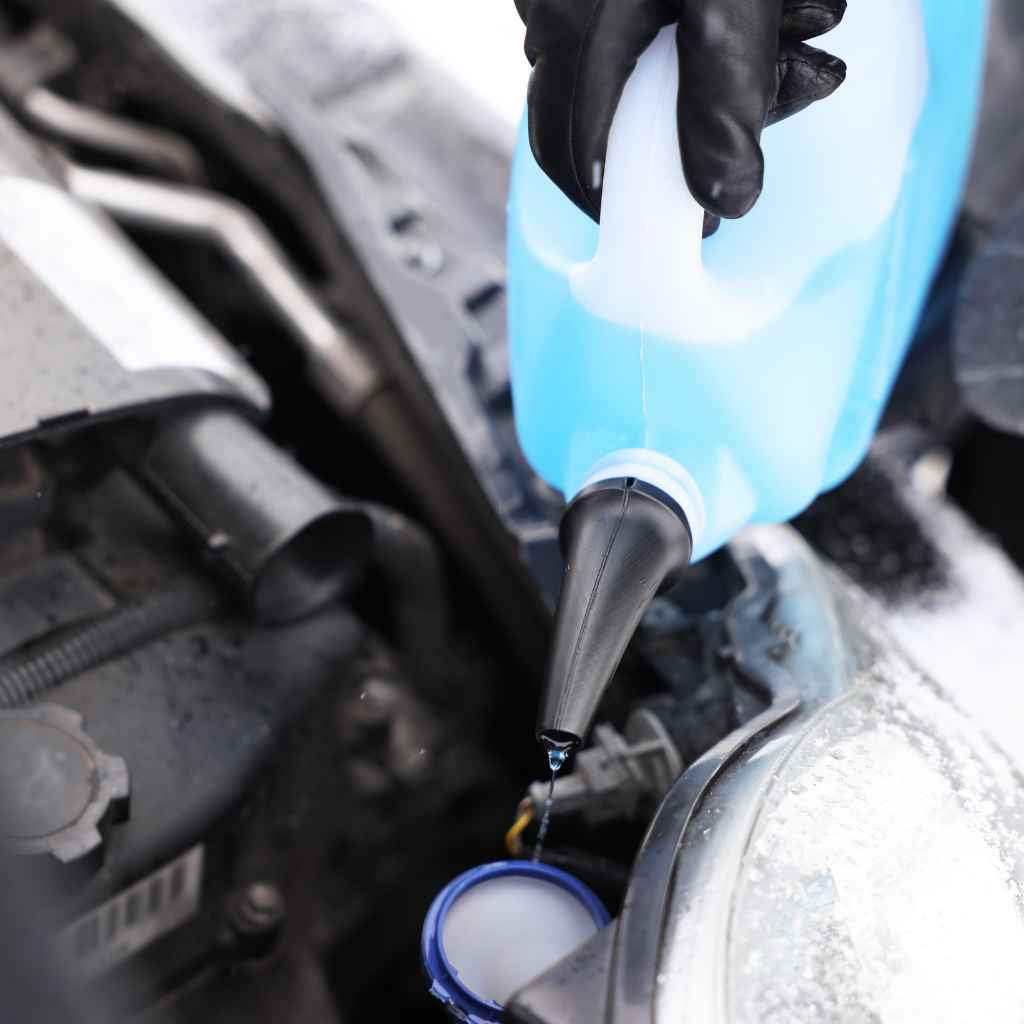
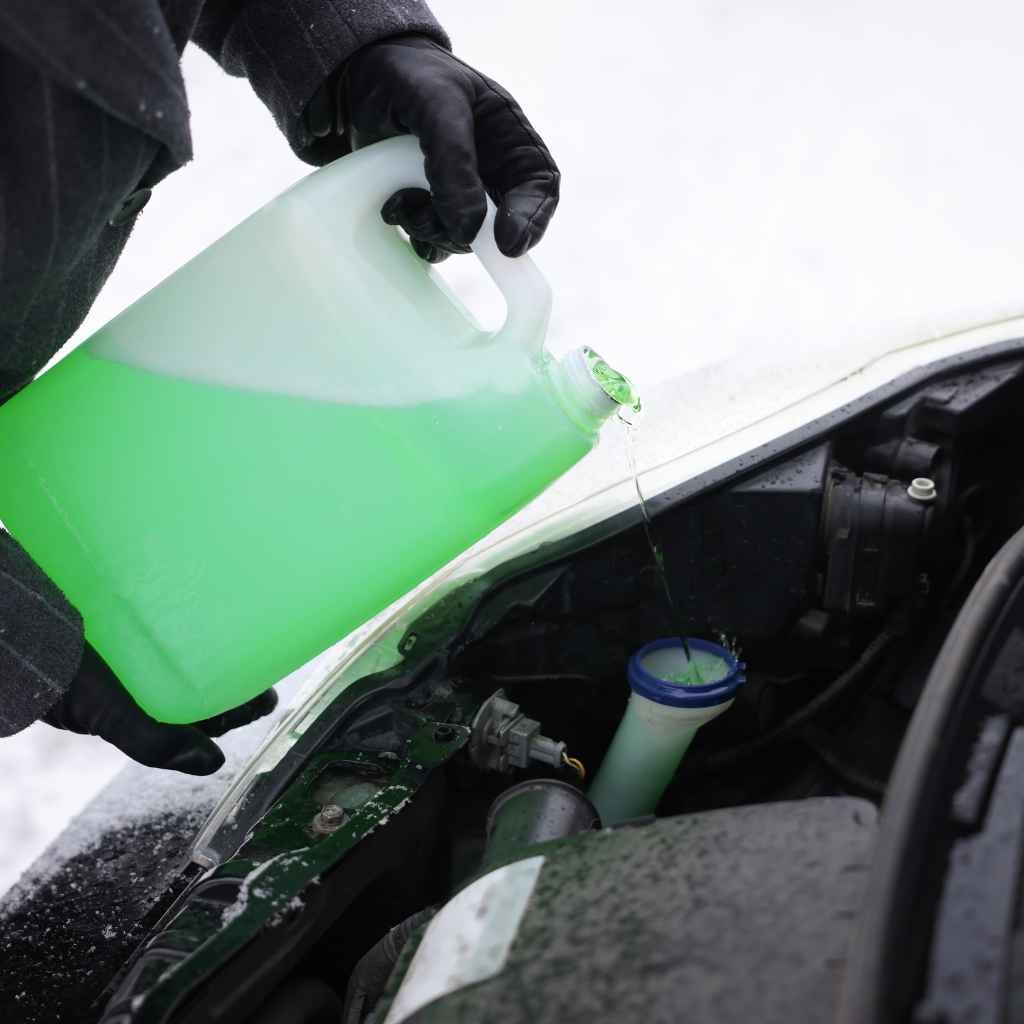
When refilling, use the type and mixture of antifreeze recommended in your owner’s manual. Typically, a 50/50 mixture of antifreeze and distilled water is recommended for optimal performance in most climates. You can buy pre-mixed coolant or mix it yourself using concentrate and distilled water.
Slowly pour the new coolant into the radiator or reservoir until it reaches the appropriate level. After filling, start the engine and let it run with the heater on high. This helps to circulate the new coolant and bleed any air pockets from the system.
As the engine runs, monitor the coolant level in the reservoir and add more coolant if necessary. Air pockets can cause overheating, so bleeding the system is crucial.
Mix Antifreeze and Distilled Water: If using concentrate, mix it with distilled water according to the manufacturer’s ratio (usually 50/50).
This ensures the correct freeze and boil protection. Using tap water can introduce minerals that are harmful to the cooling system.
Slowly Fill the System: Pour the new coolant into the radiator or the coolant reservoir until it reaches the “cold fill” line.
Filling slowly helps to prevent air bubbles from being trapped. You may need to pour some into the radiator itself if it has a cap, not just the overflow reservoir.
Start Engine and Bleed Air: Start the engine and let it run with the heater set to high. Observe the coolant level and top off as needed.
This process removes air pockets that can cause the engine to overheat. As the system heats up, the thermostat will open, allowing coolant to circulate throughout.
Check for Leaks: Once the engine is warm and the heater is blowing hot air, shut off the engine and check all connections for leaks.
It’s also a good idea to check again after the engine has cooled down completely. Any dripping coolant indicates a problem that needs immediate attention.
Proper Disposal of Old Antifreeze
Never pour old antifreeze down the drain or into the environment. It is toxic and can contaminate groundwater and harm wildlife. Most auto parts stores, service centers, and local recycling facilities accept used antifreeze for proper disposal.
Store the old coolant in a sealed container until you can take it to a designated collection site. This is a crucial step for environmental responsibility and legal compliance.
Collect in a Sealed Container: Pour the old antifreeze into a clean, leak-proof container with a tight-fitting lid.
Plastic milk jugs or dedicated antifreeze containers work well. Make sure the container is clearly labeled as “Used Antifreeze.”
Find a Local Collection Site: Contact your local auto parts store, mechanic shop, or municipal recycling center to find out where to drop off used antifreeze.
Many places offer this service for free to ensure responsible disposal.
Transport Safely: Keep the container upright during transport to prevent spills.
Secure it in your vehicle so it doesn’t tip over.
Troubleshooting Common Antifreeze Issues
Even with regular maintenance, you might encounter some common problems with your car’s antifreeze and cooling system. Knowing how to identify and address these issues can save you time and money.
From leaks to overheating, several symptoms can indicate an antifreeze-related problem. This section provides insights into these common issues and how to approach them.
Overheating
Overheating is one of the most serious symptoms of a cooling system problem. It can be caused by low coolant levels, a faulty thermostat, a clogged radiator, a failing water pump, or a coolant leak. If your temperature gauge starts climbing into the red zone, pull over safely and turn off the engine.
Do not open the radiator cap while the engine is hot. Once it cools, check the coolant level. If it’s low, add the correct type of antifreeze and distilled water mixture.
If the problem persists, it’s time to consult a mechanic.
Low Coolant Level: The most common cause of overheating. Check the reservoir and radiator (when cool).
If the level is low, it means coolant has escaped somewhere. You need to find and fix the leak before refilling.
Faulty Thermostat: If the thermostat gets stuck closed, it prevents coolant from flowing to the radiator.
The engine will quickly overheat because the hot coolant can’t be cooled down. Replacing the thermostat is usually a straightforward repair.
Clogged Radiator: Debris or sediment can block the radiator’s internal passages, hindering heat transfer.
This reduces the radiator’s ability to cool the circulating coolant, leading to overheating. A flush might help, but sometimes the radiator needs to be replaced.
Water Pump Failure: If the water pump isn’t circulating the coolant, the engine will overheat rapidly.
Symptoms can include a whining noise from the front of the engine or coolant leaks from the pump area.
Coolant Leaks
Coolant leaks are a common issue and can stem from various sources. The most frequent culprits are cracked hoses, leaky radiator caps, damaged radiators, or worn water pump seals.
If you notice puddles of coolant under your car, or if your coolant level consistently drops, you have a leak. The color of the puddle will usually match your antifreeze color, making it easier to identify. It’s important to address leaks promptly, as even a small leak can lead to significant coolant loss and engine damage.
Sometimes, leaks are minor and can be temporarily fixed with sealant, but often, the faulty part needs replacement. A mechanic can pinpoint the exact location of the leak and recommend the best course of action.
Damaged Hoses: Cracks or tears in radiator hoses are common sources of leaks.
Rubber hoses can degrade over time due to heat and age, leading to leaks. Inspect them for softness, cracks, or bulges.
Leaky Radiator Cap: A worn-out radiator cap won’t hold pressure, leading to coolant loss.
The cap is designed to maintain a specific pressure in the system, raising the boiling point. If it fails, coolant can boil off and escape.
Water Pump Seals: The seal around the water pump shaft can fail, causing coolant to leak from the pump’s weep hole.
This weep hole is designed to let out small amounts of coolant when the seal starts to go, giving you a warning before a major failure.
Radiator Damage: Corrosion or physical impact can cause the radiator to leak.
External damage might be visible, while internal corrosion can lead to leaks that are harder to spot.
Corrosion in the System
Corrosion occurs when the protective additives in the antifreeze break down, leaving metal components exposed to rust and degradation. This can lead to leaks, reduced cooling efficiency, and damage to critical parts like the water pump, radiator, and engine block.
Using the correct type of antifreeze and replacing it at the recommended intervals is the best defense against corrosion. Regular testing of the coolant’s pH level by a mechanic can also help detect the onset of corrosion before it becomes a major problem. If you suspect corrosion, a professional flush and refill with a quality coolant might be necessary.
Depleted Additives: Over time, the corrosion inhibitors in antifreeze wear out.
Once these protective layers are gone, the metal surfaces are exposed to the elements within the cooling system, and corrosion begins.
Incorrect Coolant Type: Using the wrong type of antifreeze can cause corrosion on specific metal parts.
For example, some older coolants are not ideal for aluminum components found in many modern engines.
Contaminated Coolant: If foreign substances get into the coolant, they can accelerate corrosion.
This could include minerals from tap water or debris from a failing component.
Slow Leaks Leading to Air Intrusion: Small leaks can allow air to enter the system when it cools down, and oxygen in the air accelerates rust.
Even minor air intrusion can contribute to a corrosive environment within the cooling system.
Real-World Example: Sarah’s Car Overheating
Sarah noticed her car’s temperature gauge creeping higher than usual during her commute. She initially ignored it, thinking it was just a hot day. After a few days, the car started making a strange hissing sound, and she saw steam coming from under the hood.
She pulled over immediately and waited for the engine to cool. Upon inspection, she found the coolant reservoir was almost empty. A local mechanic diagnosed a leaky radiator hose that had developed a crack due to age.
The hose was
Frequently Asked Questions
Question: How long does antifreeze typically last in a car
Answer: The lifespan of antifreeze varies by type, but many modern long-life coolants can last for 5 years or up to 100,000 miles. Older conventional coolants usually need changing every 2-3 years or 30,000 miles. Always check your owner’s manual for the specific recommendation for your vehicle.
Question: Can I mix different colors of antifreeze
Answer: It is generally not recommended to mix different colors or types of antifreeze, as they may contain different additive packages that can react negatively. This can reduce their effectiveness and potentially damage your cooling system. It’s best to stick with the type recommended by your vehicle manufacturer.
Question: What happens if I don’t change my antifreeze
Answer: If you don’t change your antifreeze, its protective additives will deplete over time. This can lead to corrosion, rust, and scale buildup in your cooling system. It can also compromise the coolant’s ability to prevent freezing and boiling, potentially causing engine damage and overheating.
Question: Is it okay to use water instead of antifreeze in the summer
Answer: While water alone can cool an engine, it lacks the boiling point elevation and corrosion protection that antifreeze provides. In hot weather, water can boil easily, leading to overheating and potential engine damage. Antifreeze is essential year-round for proper cooling and protection.
Question: How often should I check my antifreeze level
Answer: You should check your antifreeze level at least once a month, and before long trips. Inspect the coolant reservoir when the engine is cool. If the level is consistently low, it may indicate a leak that needs to be addressed.
Conclusion
Understanding How Often Do I Need to Use Antifreeze? Local Expert Advice is all about knowing your car and its needs. Following your owner’s manual, performing regular checks, and knowing the signs of wear will keep your cooling system in top shape.
Protect your engine by staying on top of your antifreeze maintenance.
Products related to this article
Sponsored / affiliate links. As an Amazon Associate I earn from qualifying purchases. I may earn additional commission from eligible campaigns.