Do They Put Antifreeze In Cars In Southern States? Answered
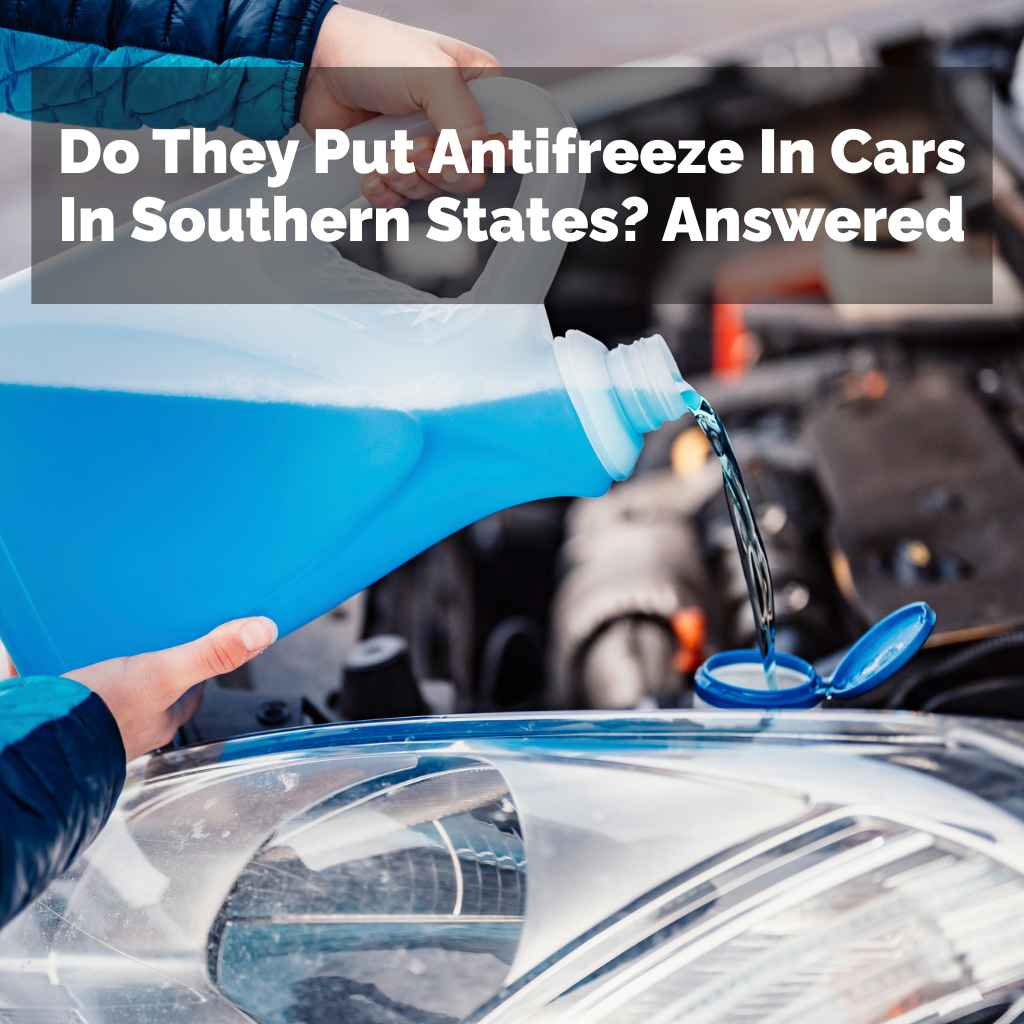
Many people wonder if antifreeze is needed for cars in Southern states, believing it’s only for cold weather. However, antifreeze serves crucial roles beyond just preventing freezing, including protecting against overheating and corrosion, making it essential year-round for engine health.
What is Antifreeze and Why Do Cars Need It?
Antifreeze, also known as engine coolant, is a vital fluid for your car’s engine. Its main job is to manage engine temperature. Cars get very hot when they run.
The engine creates a lot of friction and heat. Coolant absorbs this heat.
It then moves that heat away from the engine. It goes to the radiator. The radiator releases the heat into the air.
This keeps your engine from getting too hot. Too much heat can damage your engine. It can cause parts to warp or melt.
But antifreeze does more than just cool. It also stops the coolant from freezing. This is where the “anti-freeze” name comes from.
In colder places, the water in the cooling system could freeze. Frozen water expands. This can crack engine blocks or radiators.
Antifreeze lowers the freezing point of the liquid.
It also helps prevent corrosion. Engines have many metal parts. These parts can rust or corrode over time.
Antifreeze contains additives. These additives protect the metal. They stop rust and other damage.
This helps your engine last longer.
So, even though the name suggests it’s only for cold, antifreeze is really an all-season helper for your car. It’s about keeping your engine at the right temperature, no matter the weather outside.
My Own “Close Call” with Coolant
I remember a few years back, I lived in Florida. It was always warm, and winter meant maybe wearing a light jacket for a week. I had an older car I rarely drove much.
I figured since it never got truly cold, I didn’t need to worry about the antifreeze much.
One sweltering August day, I decided to drive across town. It was easily over 100 degrees Fahrenheit outside. As I was sitting in traffic, the temperature gauge on my dashboard started creeping up.
Then it shot past “H.” A little red light blinked on.
My heart sank. I knew exactly what was happening. My coolant was low, and the engine was overheating.
I managed to pull over safely. I let the car cool down. I ended up having to get it towed.
The mechanic told me the coolant had likely evaporated or leaked over time. He explained that even in hot weather, the coolant system is under stress. It needs the right mix to work.
That day taught me a big lesson. It doesn’t matter if you live in the sunny South. Your car’s cooling system needs attention.
Antifreeze isn’t just for snow. It’s for hot traffic jams and demanding engine work, too.
Coolant’s Dual Role: Heat Management
Key Point: Your engine creates extreme heat, even in mild weather.
How it Works: The coolant absorbs this heat. It then carries it to the radiator. The radiator releases the heat into the outside air.
Why it Matters: Without this system, your engine would overheat quickly. This can cause serious and expensive damage.
Understanding Different Types of Coolant
It’s not just one kind of antifreeze out there. Car makers use different types. These are often called OAT (Organic Acid Technology) or HOAT (Hybrid Organic Acid Technology) coolants.
They have different colors. Common colors are green, orange, pink, and blue.
Using the wrong type can cause problems. Some types don’t mix well. Mixing them can create a sludge.
This sludge can clog up your cooling system. It can also make the coolant less effective. It might not protect your engine as well.
Always check your car’s owner’s manual. It will tell you exactly what kind of coolant your car needs. You can also look at the color of the coolant currently in your car.
But the manual is the best guide.
There are also different concentrations. You’ll see 50/50 mixes. This means 50% antifreeze and 50% water.
You can also buy concentrated antifreeze. You then mix that with distilled water yourself. Using tap water is not a good idea.
Tap water has minerals. These minerals can cause buildup in your cooling system.
Distilled water is pure. It won’t add impurities. For most Southern states, a 50/50 mix is common.
It offers good protection against both heat and freezing. Even a light freeze can happen. And it gives the best protection against overheating.
Antifreeze in Southern States: Why It’s Still Essential
So, the big question is: do cars in Southern states need antifreeze? The short answer is a resounding YES. Here’s why it’s crucial, even when it feels like summer all year long.
1. Overheating Protection: This is the most important reason for Southern drivers. Engines get hot.
Really hot. Especially in the summer. Traffic jams, long drives, stop-and-go traffic, and climbing hills all add stress.
The coolant’s job is to absorb and dissipate this heat. A proper coolant mix is designed to handle high temperatures much better than plain water.
Water boils at 212 degrees Fahrenheit at sea level. Engine temperatures can easily exceed this. Antifreeze raises the boiling point of the coolant mixture.
This prevents the coolant from boiling over. Boiling coolant can lead to steam pockets. These pockets don’t transfer heat well.
This can cause rapid engine overheating.
2. Freezing Protection (Yes, Even South): While you might not get deep freezes often, occasional dips below freezing can happen in many parts of the South. These temperature drops might be brief.
But they can be enough to cause damage if your cooling system is just water.
Even a few hours below 32 degrees Fahrenheit can be risky. A small amount of freezing can expand. This expansion can crack hoses or even the engine block.
A 50/50 mix of antifreeze and distilled water typically protects down to -34 degrees Fahrenheit. That’s more than enough for most Southern winters.
3. Corrosion and Rust Prevention: This is a huge benefit that many people overlook. The metal components in your engine are constantly exposed to the coolant.
Without protective additives, this can lead to corrosion and rust. These issues can form over time.
Rust particles can clog small passages in the radiator or heater core. This reduces cooling efficiency. It can also lead to leaks.
Antifreeze contains special chemicals. These chemicals coat the metal parts. They prevent rust and other forms of corrosion.
4. Lubrication: The coolant also lubricates the water pump. The water pump is essential for circulating the coolant.
It has seals that need to stay moist. The antifreeze solution provides this lubrication. This helps the water pump last longer.
So, while the “anti-freeze” part might seem less relevant, the “coolant” part is absolutely vital year-round. It’s a multi-tasking fluid that keeps your engine healthy.
Coolant Checklist for Southern Drivers
Check Coolant Level: Regularly check the reservoir. Do this when the engine is cool.
Inspect Hoses and Radiator: Look for leaks or signs of wear on hoses and the radiator.
Use the Right Type: Always use the coolant recommended in your owner’s manual.
Flush and Replace: Follow your car’s maintenance schedule for coolant flushes.
Real-World Scenarios in the South
Let’s think about some common driving situations in the Southern United States. These are times when your coolant is working hard, even if you don’t realize it.
Scenario 1: The Summer Commute
Imagine driving to work at 8 AM in Atlanta. It’s already 85 degrees. Traffic is backed up on I-75.
Your engine is idling. The outside air temperature is high. Your car’s cooling system is working overtime to pull heat away.
Plain water would likely start to boil. The antifreeze raises the boiling point. This keeps the engine from overheating.
Scenario 2: The Road Trip to the Beach
You’re packed and heading to the Gulf Coast in July. The drive is long. You’re cruising at highway speeds.
Your engine is running consistently. But the constant work generates a lot of heat. The cooling system needs to be efficient.
The coolant’s ability to transfer heat is key. It prevents the engine from building up too much heat over hours of driving.
Scenario 3: The Unexpected Cold Snap
It’s a rare January morning in Dallas. The temperature drops to 25 degrees Fahrenheit. You start your car to head out.
If you only had water in your system, that water could freeze. The expansion could cause serious damage. A 50/50 antifreeze mix would still be liquid.
It protects your engine block and radiator from cracking.
Scenario 4: The Old Truck Hauling a Load
You’re using an older pickup truck to haul a trailer. This puts a lot of strain on the engine. More strain means more heat.
The engine works harder. This generates more friction. The cooling system must be in top shape.
Antifreeze ensures it can handle the extra load without failing.
These situations highlight that the engine is always working. It’s always generating heat. And sometimes, temperatures do dip lower than you might expect.
That’s why a properly maintained cooling system with the right coolant is essential for Southern drivers too.
Coolant Breakdown: What’s Inside?
Base Fluid: Typically Ethylene Glycol or Propylene Glycol. This is the main ingredient that lowers the freezing point and raises the boiling point.
Water: Usually distilled water. It helps transfer heat and makes the glycol effective. A 50/50 mix is common.
Additives: These are critical! They include:
- Corrosion inhibitors
- Rust preventatives
- Lubricants for the water pump
- Anti-foam agents
Color: The dye is for identification, not performance. Never rely on color alone.
What Does This Mean for Your Car?
Knowing that antifreeze is essential in the South means you need to pay attention to your car’s cooling system. It’s not something to forget about just because it’s sunny outside.
When it’s Normal: It’s normal for your car to run hot in the summer. It’s normal for the temperature gauge to sit around the halfway mark. It’s also normal for the cooling fan to kick on when you’re stopped.
This is the system doing its job.
When to Worry: You should worry if your temperature gauge goes into the red zone. That means your engine is overheating. You might also see steam coming from under the hood.
If you notice puddles of colored liquid under your car, that’s a leak.
A coolant leak is serious. It means you’re losing protection. You need to get it checked immediately.
Another sign is a sweet smell. This often means coolant is leaking and burning off.
Simple Checks You Can Do:
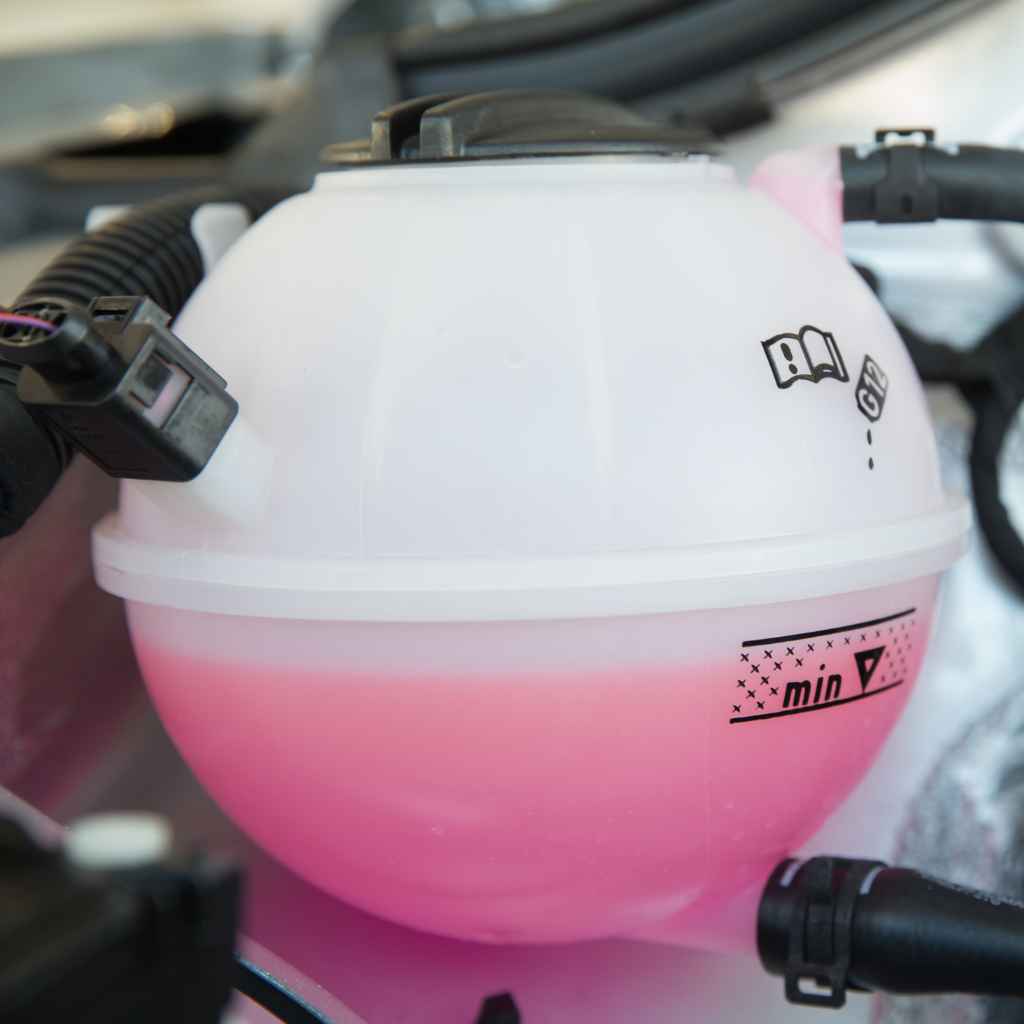
- Check the Coolant Level: When the engine is COLD, open the hood. Find the translucent coolant reservoir. It usually has “MIN” and “MAX” lines. The level should be between these lines.
- Look for Leaks: Check under your car for any colorful puddles. Also, inspect hoses and the radiator for wet spots or dried residue.
- Note the Temperature Gauge: Pay attention to your car’s temperature gauge while driving. If it’s consistently higher than usual, it’s worth investigating.
These simple checks can help you catch a problem early. Early detection can save you from costly repairs. It ensures your car stays reliable, even in the Southern heat.
Quick Tips for Coolant Care
Taking care of your car’s coolant doesn’t have to be complicated. Here are a few straightforward tips:
- Use the Correct Coolant: Always follow your car’s manual. Using the wrong type can cause damage.
- Use Distilled Water: If you need to top off your coolant and don’t have a pre-mixed solution, always use distilled water. This prevents mineral buildup.
- Check Your Owner’s Manual for Intervals: Your car’s manual will tell you when the coolant should be flushed and replaced. Don’t skip these service intervals.
- Inspect Hoses Regularly: Squeeze the radiator hoses when the engine is cool. If they feel brittle, mushy, or cracked, they need to be replaced.
- Address Leaks Immediately: Never ignore a coolant leak. Small leaks can become big problems quickly.
- Consider a 50/50 Mix: For most Southern climates, a 50/50 mix of antifreeze and distilled water provides excellent year-round protection.
Coolant vs. Water: The Southern Difference
Water Alone:
- Pros: Cheap.
- Cons: Boils easily in summer heat. Freezes in winter. Offers no corrosion protection.
50/50 Coolant Mix:
- Pros: High boiling point (protects against overheating). Low freezing point (protects against freeze damage). Contains corrosion and rust inhibitors. Lubricates water pump.
- Cons: Costs money. Needs periodic replacement.
Verdict: For engine health and longevity, a proper coolant mix is far superior to water alone.
Frequently Asked Questions About Antifreeze
Do I need to flush my coolant if I live in a warm climate?
Yes, you do. Coolant degrades over time. The additives that prevent corrosion and rust wear out.
This happens regardless of the outside temperature. Flushing and replacing the coolant at the recommended intervals keeps your system protected.
Can I just use water in my radiator in Florida?
No, it’s not recommended. While Florida rarely freezes hard, temperatures can dip. More importantly, water boils at a lower temperature than coolant.
This makes your engine much more prone to overheating, especially in the intense summer heat.
What happens if I mix different colors of antifreeze?
Mixing different types of antifreeze, even if they are different colors, can be problematic. They might not be compatible. This can cause a chemical reaction.
It can lead to sludge formation. This sludge can clog your cooling system. It’s best to stick to the type recommended for your car.
How often should I check my coolant level?
You should check your coolant level at least once a month. It’s also a good idea to check it before a long trip. Always check it when the engine is cold.
This ensures you get an accurate reading and don’t risk burns.
Is it okay to add coolant if my engine is hot?
No, it is not okay. The cooling system is under pressure when the engine is hot. Opening the radiator cap or coolant reservoir can cause hot coolant to spray out.
This can cause severe burns. Always wait for the engine to cool down completely before checking or adding coolant.
My car is older, does it still need the same coolant?
Older cars might have different coolant requirements. Some older vehicles used traditional green coolant. Newer cars often use longer-lasting orange or pink coolants.
Always check your owner’s manual. Using the correct type is vital for both old and new vehicles to prevent damage.
The Bottom Line on Coolant in Warm Climates
So, to wrap it all up, yes, your car absolutely needs antifreeze, or engine coolant, no matter where you live. The name might be a bit misleading for folks in warmer parts of the country. But its primary job of managing engine temperature is critical year-round.
Keeping your coolant system properly filled and maintained is a key part of owning a car.
Products related to this article
Sponsored / affiliate links. As an Amazon Associate I earn from qualifying purchases. I may earn additional commission from eligible campaigns.