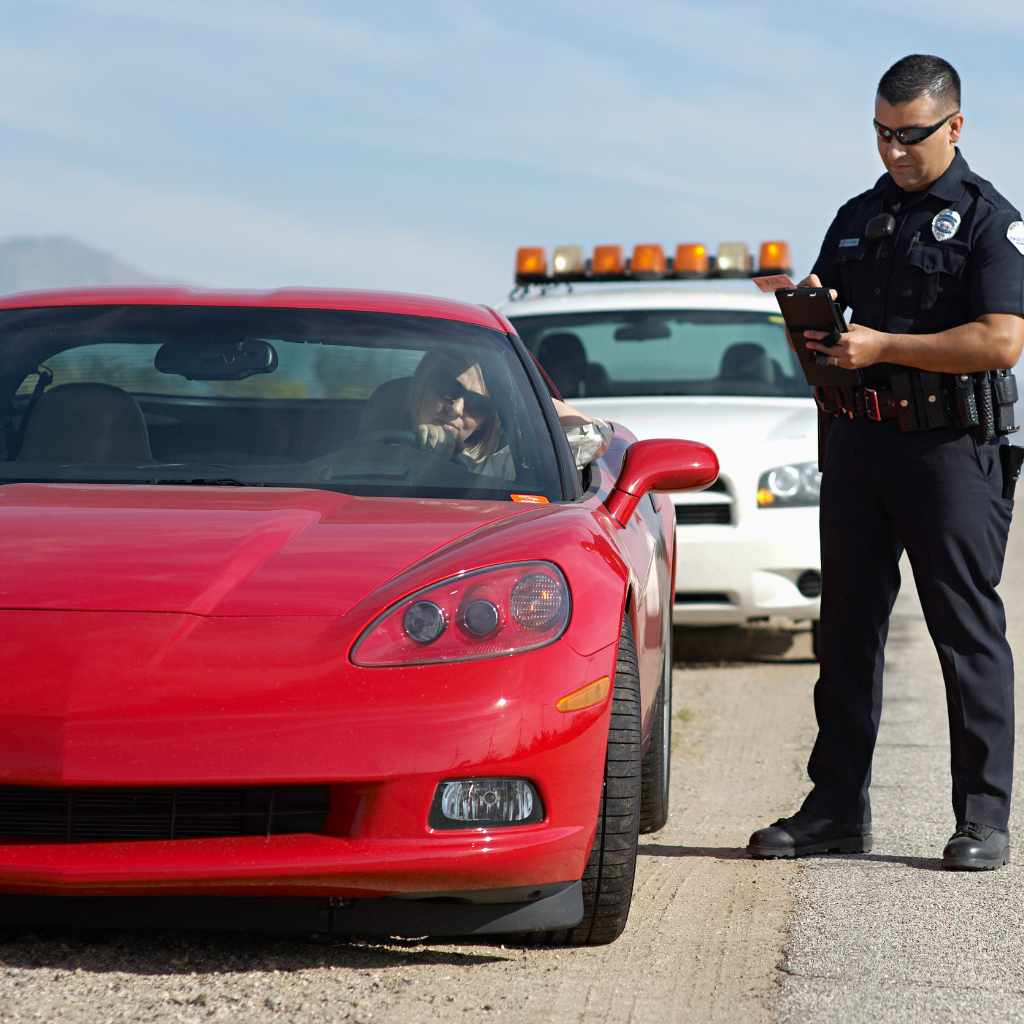
Do Cops Pull Over Red Cars More Often?
Ever wondered if your bright red car attracts more attention from the police? It’s a question many drivers ask, and it can be tricky to find a clear answer. You might think there’s a secret rule, but really, it’s about understanding what the police look for.
Don’t worry, we’ll break down the facts about Do Cops Pull Over Red Cars More Often? and make it super simple. Get ready for some straightforward information that will clear things up!
The Color Myth
The idea that police officers specifically target red cars is a persistent one. It’s a common belief, often fueled by anecdotal evidence or a feeling of being singled out. Many drivers with red vehicles have shared stories of frequent stops, leading to the assumption that the color itself is the reason.
However, when you look at the actual data and policing practices, this “red car” theory doesn’t hold much weight. Police officers are trained to look for specific indicators of potential violations, not the paint job on a vehicle.
What Really Causes Traffic Stops
Traffic stops are initiated based on observable actions and vehicle conditions that suggest a violation of traffic laws. Officers are looking for things like speeding, erratic driving, broken taillights, expired registration, or equipment violations such as tinted windows that are too dark. These are concrete reasons for an officer to pull someone over.
The color of the car is not on this list of indicators. Think about it like this: if a car is driving perfectly, no matter what color it is, an officer has no probable cause to stop it.
Visibility and Perception
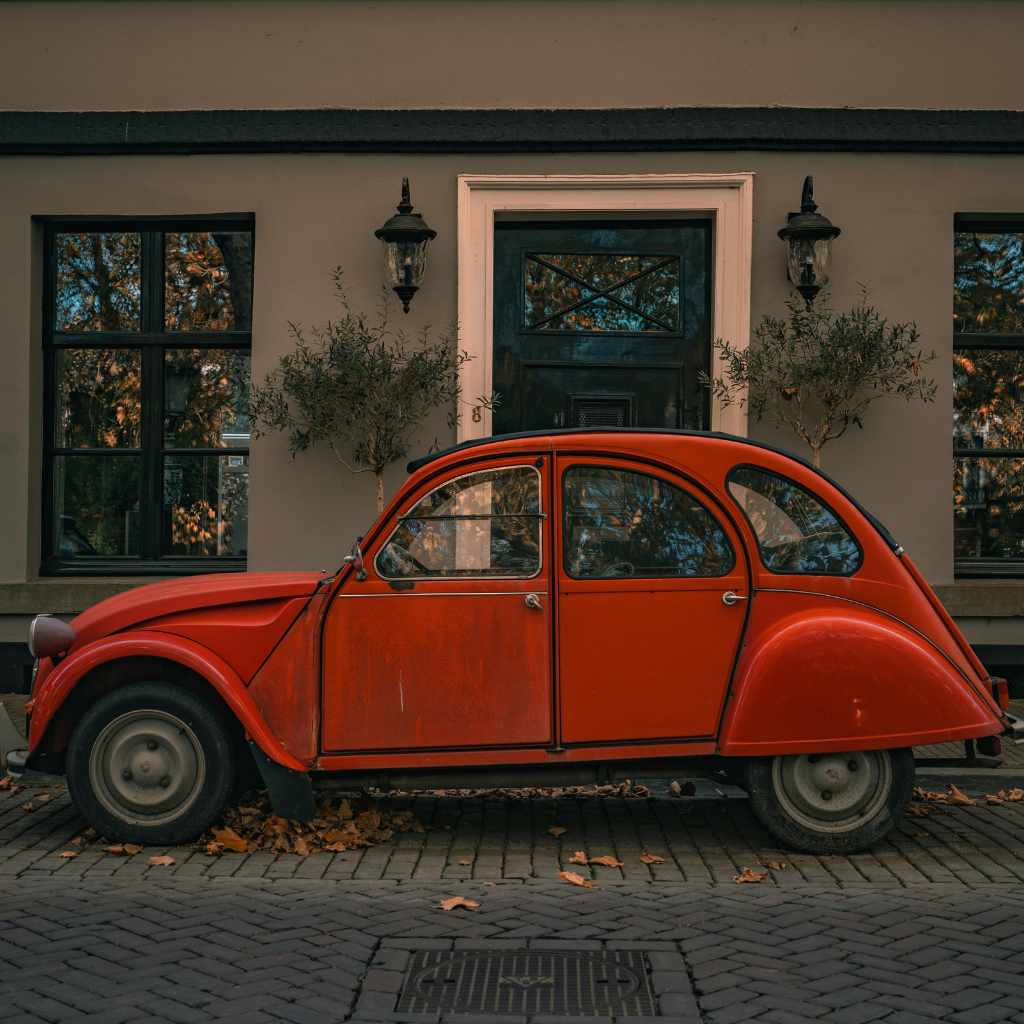
Some argue that red cars are simply more visible. This is true; red is a bright color that stands out. However, this increased visibility doesn’t automatically translate to increased scrutiny.
While a red car might be easier to spot in a parking lot or from a distance, this doesn’t mean it’s more likely to be pulled over. Officers rely on many factors when deciding to initiate a stop. If an officer sees a speeding vehicle, it doesn’t matter if it’s red, blue, or white; the speed is the issue.
Statistical Evidence
Studies and reports on traffic stops generally do not support the idea that red cars are targeted more often. For instance, research conducted by organizations looking into racial profiling in traffic stops has not identified car color as a significant factor. Instead, these studies often focus on driver demographics, the type of infraction observed, and the location of the stop.
If there were a widespread bias against red cars, we would expect to see this reflected in broader statistical analyses, but we don’t.
The Role of Technology
Modern policing often involves technology like radar guns and license plate readers. These tools are designed to detect speed or verify registration and insurance, regardless of a car’s color. An officer using a radar gun is measuring speed, not the shade of the vehicle.
Similarly, automatic systems that flag expired tags or stolen vehicles are color-blind. The focus is on the data associated with the vehicle, not its appearance.
Psychological Factors
The perception that red cars are pulled over more often can also be influenced by psychological factors. Confirmation bias plays a role; if you believe red cars are targeted, you’re more likely to notice and remember when a red car is pulled over, while perhaps overlooking stops involving other colored vehicles. Also, if you own a red car, you might be more attuned to traffic stops involving vehicles similar to yours.
Examples of Other Colors and Stereotypes
It’s not just red cars that have attracted stereotypes. Black cars have sometimes been perceived as being associated with certain types of drivers or activities, leading to assumptions. Similarly, white vans have occasionally been stereotyped.
These associations are rarely based on factual evidence of police bias but rather on societal perceptions or isolated incidents that gain traction.
What to Do If You Feel Targeted
If you genuinely believe you are being unfairly targeted by law enforcement, regardless of your car’s color, there are steps you can take. Keep records of your interactions, including dates, times, and officer details if possible. Understand your rights during a traffic stop.
If you feel your rights have been violated, you can consult with an attorney or contact an organization that deals with civil liberties.
Practical Advice for All Drivers
The best way to avoid unnecessary traffic stops is to drive safely and follow all traffic laws. Ensure your vehicle is well-maintained, with all lights functioning and your registration and insurance up to date. Obey speed limits, use your turn signals, and avoid distractions like using your phone while driving.
These practices apply to everyone, regardless of their car’s color.
Why This Question Matters
This question, “Do Cops Pull Over Red Cars More Often?,” is popular because it touches on a common curiosity about fairness and perceived bias in everyday life. For new drivers, it’s one of those everyday mysteries that seem simple but have layers to them. It’s easy to get caught up in the myth.
We want to give you the real story, free from confusion, so you can drive with peace of mind.
The Science Behind Car Color and Visibility
Car color psychology is a fascinating field. Colors can evoke different feelings and perceptions. Red is often associated with energy, passion, and even danger.
In a visual sense, red is one of the most visible colors to the human eye. This is why many emergency vehicles, like fire trucks and some ambulances, use red or bright colors. However, this doesn’t mean police departments have a policy to target cars based on their visibility.
The physics of light and color explain why red stands out. It has a longer wavelength compared to colors like blue or violet, making it more noticeable. This heightened visibility is a general property of the color itself, not an indication of illegal activity.
An officer seeing a red car from a distance might notice it more readily than a silver or gray car blending into the traffic flow. But this initial observation is just the first step. The officer still needs a reason to pull the car over.
Equipment Violations and How They Trigger Stops
One of the most common reasons for traffic stops is equipment violations. These are issues with your vehicle that don’t comply with safety standards. Examples include:
- Broken taillights or headlights
- Cracked windshields that obstruct vision
- Mufflers that are excessively loud
- License plates that are not properly illuminated
- Illegal window tinting
- Expired registration stickers
Officers are trained to spot these issues. A car with a broken taillight is a safety hazard because other drivers might not see it braking. Likewise, a dark tint on windows can make it difficult for officers to see inside the vehicle, raising safety concerns.
The color of the car has absolutely no bearing on whether a taillight is functioning or if the registration is current.
Speeding and Reckless Driving Behaviors
Speeding is, by far, the most frequent cause for traffic stops. When an officer observes a vehicle exceeding the posted speed limit, they have legal grounds to initiate a stop. Similarly, erratic driving behaviors such as weaving between lanes, sudden braking, or driving too slowly can also trigger a stop.
These actions are about the driver’s conduct and the vehicle’s movement, not its color.
Imagine a police officer monitoring traffic. They see a car traveling significantly faster than the rest of the vehicles. The officer will target that speeding car.
The color of the vehicle is incidental to the offense. If the same speeding car were blue or green, it would still be pulled over. The speed is the primary factor.
This applies to reckless driving as well; an officer will intervene to prevent potential accidents, regardless of the car’s paint.
Profiling and Bias in Law Enforcement
Traffic stop data is often analyzed for patterns of bias, such as racial profiling. While such biases can exist in law enforcement, they typically manifest along demographic lines rather than vehicle colors. Studies that examine traffic stops tend to focus on the race or ethnicity of the driver, the location of the stop, and the type of violation.
These analyses have not identified car color as a significant or consistent factor in profiling practices.
Law enforcement agencies are increasingly aware of the importance of fair and unbiased policing. Many departments implement training programs and data collection methods to identify and address any potential biases. The goal is to ensure that stops are based solely on observed violations of the law.
If a police officer were to stop someone simply because their car was red, that action would likely be considered a violation of policy and potentially unlawful.
Vehicle Modifications and Their Impact
Certain vehicle modifications can attract police attention. These can include excessively loud exhaust systems, aftermarket spoilers or body kits that alter the vehicle’s appearance significantly, or lowered suspensions that might impact road handling. Some modifications, while perhaps intended to enhance performance or aesthetics, can also lead to violations if they exceed legal limits for noise, height, or protrusion.
For example, a car with a muffler that is illegally modified to be extremely loud can be a nuisance and may violate noise ordinances. An officer might pull over such a vehicle to investigate. Again, the color of the car is irrelevant.
The issue is the noise produced by the vehicle. Similarly, if a modification causes a vehicle to be unsafe or to not meet basic operational standards, it can lead to a stop.
The Role of Driver Behavior
Ultimately, the driver’s behavior behind the wheel is the most significant factor in determining whether a traffic stop occurs. Safe driving practices, adherence to traffic laws, and responsible vehicle operation are the best ways to avoid unwanted attention from law enforcement. This includes everything from signaling lane changes to maintaining a safe following distance.
Consider the cumulative effect of driver actions. A driver who consistently breaks traffic laws, whether by speeding, running red lights, or driving carelessly, is far more likely to be pulled over than a driver who is law-abiding, irrespective of their car’s color. The focus remains on observable violations and behaviors that compromise public safety.
Frequently Asked Questions
Question: Is there any official law about red cars being pulled over more often
Answer: No, there is no official law or policy that dictates police officers should pull over red cars more often. Traffic stops are based on observed violations of traffic laws.
Question: What are the most common reasons police pull people over
Answer: The most common reasons include speeding, reckless driving, equipment violations (like broken lights), expired registration, and driving under the influence.
Question: If a police officer pulls me over, can I ask why
Answer: Yes, you have the right to ask the officer the reason for the stop. They are required to provide you with the alleged violation.
Question: Does the color of my car affect my insurance rates
Answer: While some insurers might consider car color when setting rates due to perceived risk or theft rates, it is not a primary factor and does not directly relate to why police initiate stops.
Question: What should I do if I think I’m being unfairly targeted
Answer: Keep calm, be polite, and follow the officer’s instructions. If you believe your rights were violated, you can document the incident and consult with an attorney or a civil liberties organization.
Final Thoughts
The persistent belief that red cars attract more police attention is largely a myth. While red is a highly visible color, this characteristic doesn’t translate into a policy of increased stops. Law enforcement officers are trained to identify and respond to specific violations of traffic laws and unsafe driving behaviors.
Factors like speeding, equipment malfunctions, and erratic driving are the real drivers behind traffic stops, not the paint on a vehicle. Focusing on safe driving practices, ensuring your vehicle is in good working order, and obeying all traffic regulations are the most effective ways to avoid unwanted interactions with the police, no matter what color your car might be. If you ever feel you’ve been treated unfairly, remember your rights and how to document the situation.
Drive safely and mindfully, and you’ll be much less likely to encounter trouble on the road.