Do Dogs Jump Out Of Car Windows? Essential Answer
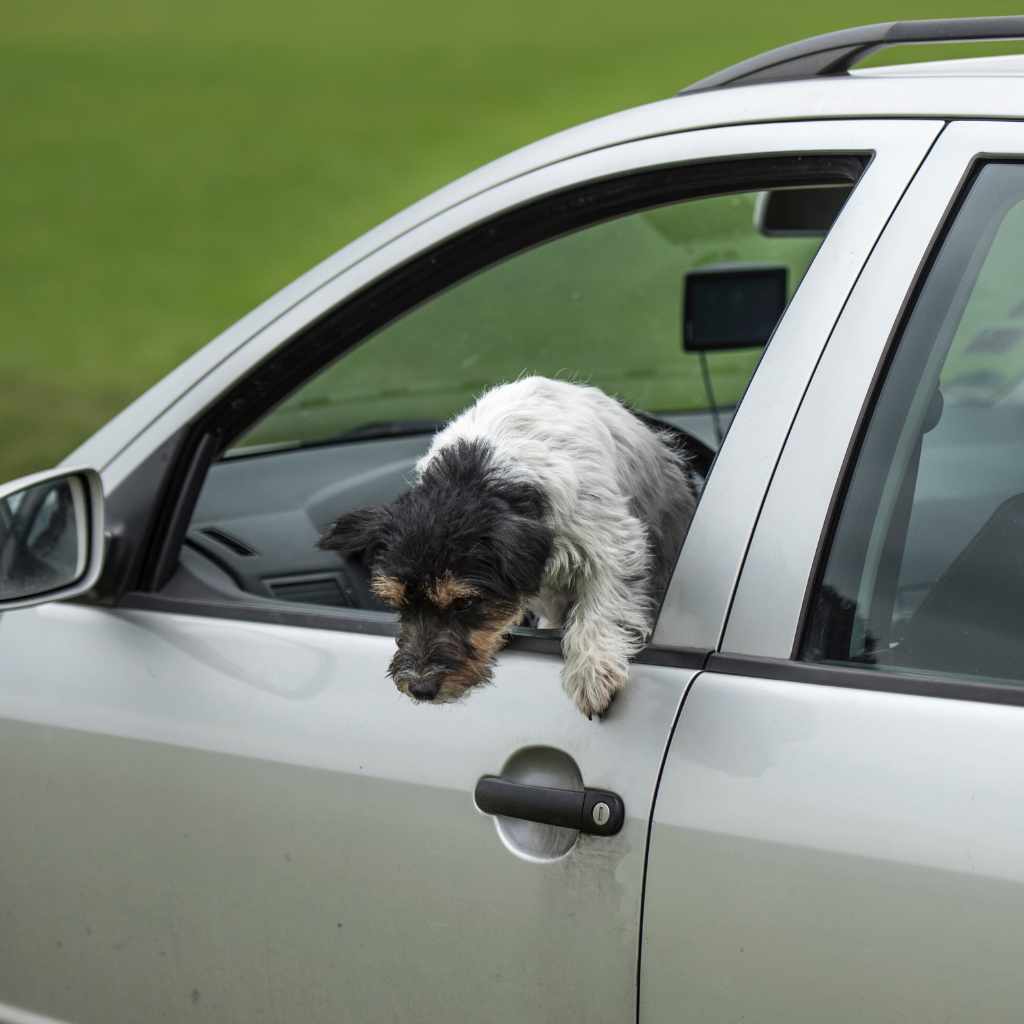
Yes, dogs absolutely can and do jump out of car windows, especially when the window is fully lowered. This is an extremely dangerous behavior that puts your pet at high risk of severe injury or worse due to traffic, impact, or simply being left behind.
Seeing your beloved dog leaning halfway out the car window is a classic image of canine road trip joy. But have you ever stopped to think: Could my dog actually jump out? As your trusted automotive guide, I understand that safety comes first—for you and your furry co-pilot. The short, honest answer is yes; dogs can and do leap from moving or stationary vehicles.
This isn’t about scaring you, but empowering you with knowledge. Understanding the risks involved in letting your dog hang their head out or have easy access to an open window prevents roadside emergencies. We are going to break down exactly why this happens, what risks are involved, and simple, foolproof steps you can take today to keep your dog safe on every ride, turning potentially risky situations into calm, secure journeys.
Why Do Dogs Want To Hang Out car Windows? Understanding the Impulse
It might seem like your dog is just enjoying the breeze, but there are powerful sensory reasons why they gravitate toward an open window. Understanding these instincts helps us manage the behavior safely.
The Sensory Overload: Smells, Sights, and Sounds
For dogs, riding with the window down is like bathing in the world’s most intense perfume counter, music festival, and nature documentary rolled into one. Their sense of smell is thousands of times more powerful than ours. When a window is open, they are processing an overwhelming amount of information.
- Scent Mapping: They are trying to decipher every scent stream—the squirrel they think they smelled three blocks back, the barbecue down the street, or another dog’s territory marker.
- Visual Stimulation: Fast-moving objects are incredibly engaging. Their brains are trying to track everything passing by, which can trigger prey drive or overexcitement.
- Wind Dynamics: The rush of air feels exciting on their face and coats, much like a child sticking their hand out of a car window to feel the air pressure.
The Allure of the Leap: Instincts and Opportunities
A dog jumping out isn’t usually a malicious act; it’s often an instinctual reaction coupled with opportunity. A dog might jump if:
- They See Something Highly Desirable: A squirrel runs across the road, a neighbor they love walks by, or they spot an off-leash dog, triggering a chase response.
- They Get Startled: A sudden, loud noise (like an air brake or an emergency siren) can cause a panicked reaction where the dog tries to flee the perceived threat by leaping out.
- Unsecured Doors or Windows: If they learn that pushing their head/paws against a partially open window might widen it, they look for ways to create more space to investigate.
The Dangerous Reality: Risks of Open Car Windows
The biggest mistake drivers make is assuming their dog will stay put while the window is down. Even at low speeds, an open window presents critical dangers.
The Risk vs. Reward Reality Check
When traveling at highway speeds, the wind pressure can seriously injure your dog, even if they don’t jump. However, the risk of them exiting the vehicle is far greater.
| Speed (MPH) | Potential Danger Area |
|---|---|
| 5–10 MPH (City Driving) | Risk of leaning too far, falling out on a turn, or getting hit by passing objects. |
| 25–35 MPH (Main Roads) | Significant risk of severe impact injuries if the dog leaps or is pulled out by the wind. Head and ear damage likely. |
| 55+ MPH (Highway) | Catastrophic risk. If a dog leaps, they face immediate life-threatening trauma from impact with the road or vehicles. |
Serious Injuries from Car Windows
Veterinarians and safety organizations consistently warn about specific injuries associated with open windows:
- “Air Head” Injuries: The force of the wind can cause severe trauma to the dog’s inner and middle ear structures, leading to long-term balance issues or deafness.
- Eye Damage: Debris, dust, insects, or even large drops of rain hitting the eye at high speed can cause corneal abrasions or embed foreign objects.
- Broken Teeth and Jaw: Dogs leaning out often strike debris, guardrails, or passing signs with their mouths/jaws.
- Traumatic Ejection: This is the most severe risk. If the dog jumps, misjudges distance, or is jostled by traffic, they can be ejected directly onto the pavement. According to data analyzed by programs like those supported by the American Veterinary Medical Association (AVMA), unrestrained pets pose higher risks to themselves and drivers during accidents or sudden stops.
Smart Solutions: How to Safely Transport Your Dog in the Car
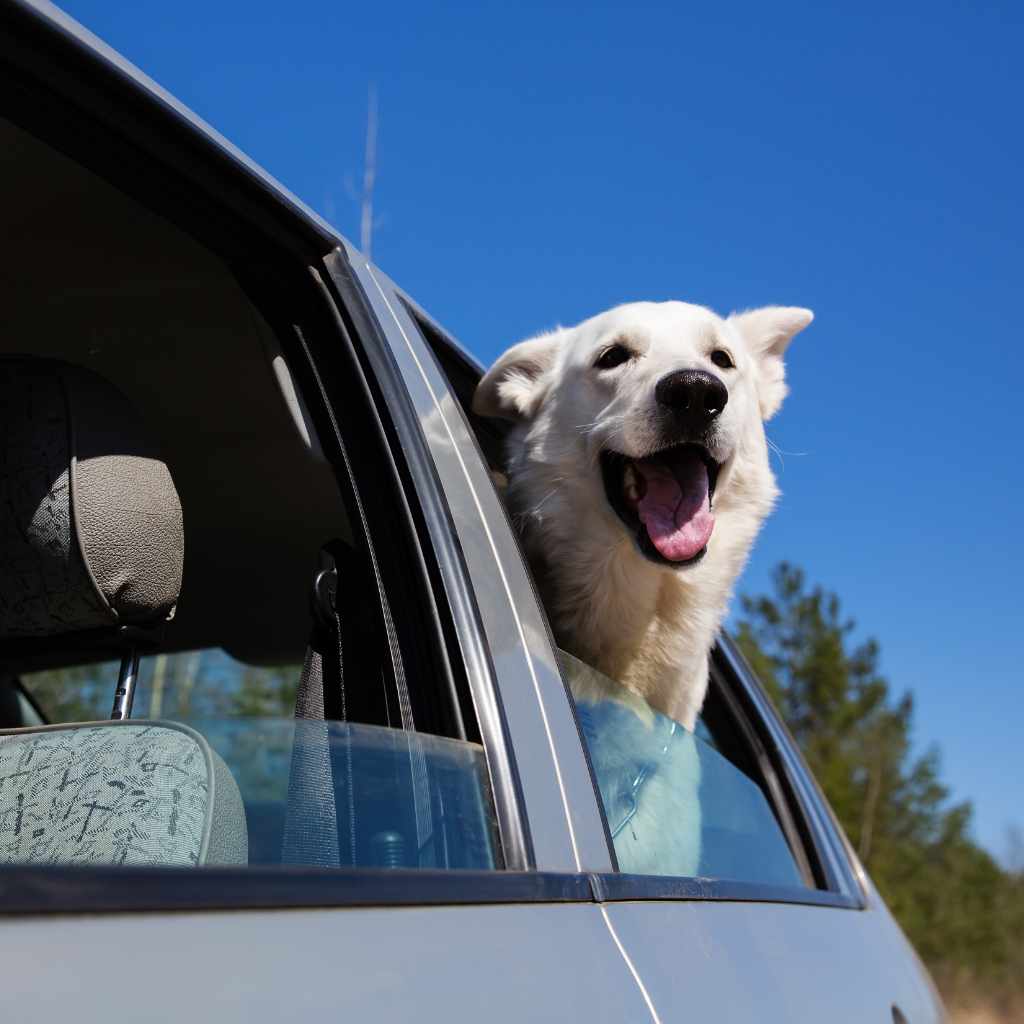
As your automotive guide, my goal isn’t just pointing out problems; it’s offering sturdy, reliable solutions. You can enjoy the ride with your dog without worrying about them attempting an escape. Safe travel means using restraint systems designed for vehicles.
The Three Golden Rules of Safe Dog Transit
For true safety, only one rule applies: your dog must be restrained, regardless of their temperament. Here are the best methods, ranging from basic to advanced.
1. Use a Crash-Tested Travel Crate or Carrier
This is often considered the gold standard for safety. A hard-sided crate, properly secured with tie-downs or seatbelt anchors, prevents your dog from accessing windows or doors.
- Placement: Place the crate on the back seat or secured deeply in the cargo area of an SUV/wagon.
- Security: Ensure it cannot slide or tip over during sudden braking. Look for crates certified by organizations focusing on pet safety standards.
2. Invest in a Safety Harness and Seatbelt Tether
This system attaches to your dog’s harness (not their collar!) and clips directly into the vehicle’s seatbelt receiver or an LATCH anchor point.
- Harness is Key: Never attach the tether to a neck collar. In a sudden stop, this concentrates force directly onto the dog’s neck, leading to severe spinal cord or tracheal damage. A proper crash-tested harness distributes the force across the chest.
- Tether Length: The tether should be short enough to prevent your dog from reaching the front seats or windows, but long enough to allow them to sit or lie down comfortably.
3. Window Guards and Mesh Barriers (For Partial Openings Only)
If you absolutely must have the window partially open for airflow, you need a physical barrier. These are not suitable restraints if the dog panics or tries to exit forcefully, but they prevent casual leaning or jumping.
- Window Guards: These are rigid metal or durable plastic bars that screw or clamp onto the door frame, preventing the window from rolling down more than a few inches—just enough for minimal air, but not enough space for a head or full body to pass through.
- Cargo Barrier: In an SUV or crossover, a full mesh barrier separating the cargo area from the passenger cabin is crucial to keep dogs from climbing into the front seat area where they can interfere with controls or access front windows.
Step-by-Step: Securing Your Dog Before You Start the Engine
Treat securing your dog like putting on your own seatbelt—it’s the very first thing you do. Follow these practical steps every single time you load up.
Preparation Checklist (Before Leaving the Driveway)
- Identify Destination: Is the dog riding in the back seat or cargo area? This dictates your safety setup.
- Inspect Equipment: Check the harness for fraying, the crate latches for secure closure, and the seatbelt tether for any twisting or damage.
- Fit Check: If using a harness, ensure it fits snugly high on the dog’s chest. You should be able to fit only two fingers between the straps and your dog’s body.
- Anchor the Device: If using a crate, feed the vehicle’s seatbelt through the designated guides and lock it, or use the dedicated LATCH/ISOFIX anchors. If using a tether, attach it securely to the anchor point first.
- Attach the Dog: Clip the tether to the harness D-ring. Gently lift or guide your dog into the crate or seat area.
- Test Restraint: Once clipped in, gently pull on your dog to ensure they are secure and cannot reach the window controls or fully extend their head outside the vehicle perimeter.
- Window Management: If needed, only roll windows down to a level where the dog cannot possibly stick their entire head out. For highway travel, keep windows fully closed and rely on A/C or ventilation.
Handling the “Window Leaner” Personality
If you have a dog that is determined to crane their neck out, you need to be extra diligent.
For these sensitive travelers, a short tether or a barrier that blocks access to the window controls is necessary. If your dog learns to nudge the power window switch up or down, they have full control over their potential escape route. Consider temporarily covering the window switches with a child safety lock cover or simply disabling them if your vehicle allows (check your owner’s manual for how to lock the rear window switches).
Traveling in the Back Seat vs. Cargo Area
Many assume the back seat is safest, but safety depends entirely on restraint. A loose dog in the back seat is often far less secure than a properly tethered dog in a secured crate in the cargo area.
Back Seat Safety Considerations
If your dog rides in the back, they must be tethered to a harness. An unleashed dog in the back seat can become a projectile in a crash, potentially becoming jammed between the front and back seats, or causing driver distraction leading to an accident. The Center for Pet Safety, a non-profit organization that heavily researches automotive restraint systems, consistently emphasizes crash-testing harnesses to ensure they perform under impact forces equivalent to a car crash.
Cargo Area Safety (SUVs and Hatchbacks)
For larger dogs, the cargo area is ideal, provided it is equipped with a proper barrier or kennel.
Pros of Cargo Area Travel with Restraint:
- Gives the dog more space to stand, turn around, and lie down.
- Keeps the dog completely separated from the driver and passengers, minimizing distraction.
- Allows for secure, large crates that offer excellent impact protection.
The Myth of “Trained Dogs” and Window Safety
It’s a common reassurance: “My dog has ridden like this a hundred times, and he never jumps.” While trust is important, canine behavior is fluid, especially when exciting stimuli are involved.
A dog that has never jumped before might jump the very next time because they saw an unusual bird, smelled a rare food item, or simply had a behavioral spike due to vehicle vibrations or excitement.
Think of it like driving—you’ve driven perfectly fine a thousand times, but you still wear your seatbelt because of the one unpredictable accident you can’t control. Your dog doesn’t have impulse control when faced with an exciting trigger and an open escape route. Always use physical barriers and restraints.
Essential Gear Comparison for Safe Highway Travel
Choosing the right equipment makes the difference between a safe trip and a scary scenario. Here is a quick comparison of the restraint types we have discussed.
| Restraint Type | Best For | Primary Safety Feature | Window Access (If Applicable) |
|---|---|---|---|
| Crash-Tested Crate/Kennel | All sizes, nervous travelers, long trips | Containment and impact absorption | None |
| Harness & Tether System | Dogs who prefer freedom of movement in the back seat | Prevents ejection and front seat distraction | Restricts movement away from the seat area |
| Window Guards (with harness) | Short trips, airflow needs, very calm dogs | Prevents accidental falling or leaning too far | Minimal (only a few inches gap) |
Remember, when buying safety gear, never rely on cheap, unbranded harnesses or tethers. Spend the extra money on reputable brands that actively crash-test their products. You can find independent reviews and testing results from automotive safety advocates online to help guide your purchase, ensuring your investment truly protects your pet.
Frequently Asked Questions (FAQ) About Dogs in Cars
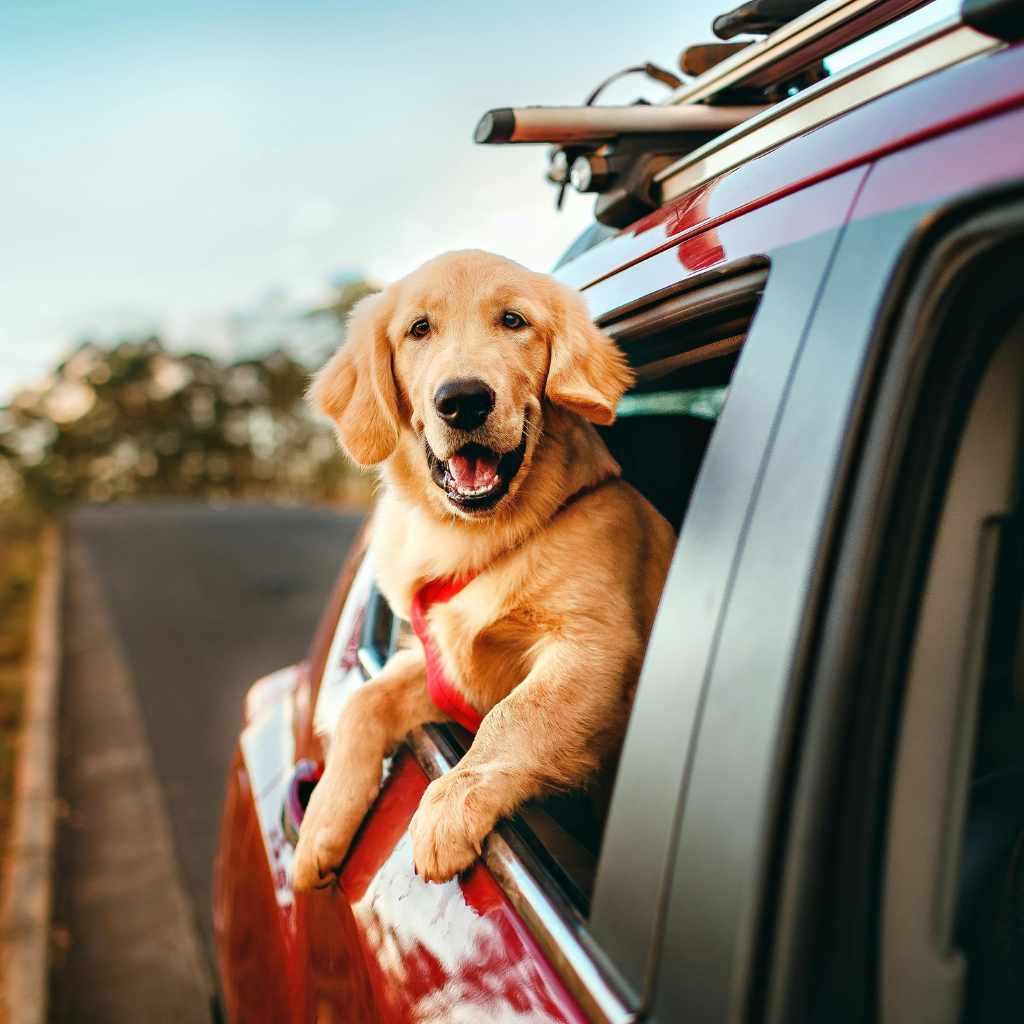
Q1: Can a dog realistically jump out of a car moving at 30 MPH?
A: Yes. If the window is down, the dog can jump or be pulled out by the wind force. Even at low speeds, the sudden jarring effect of hitting the road after leaving the vehicle can be fatal or cause serious broken bones.
Q2: Is it safer for my dog to ride in the front seat?
A: No, the back seat is significantly safer. In the event of a frontal collision, the airbag deployment in the front seat can cause fatal crush injuries to a dog, even if they are correctly restrained. Always utilize the back seat.
Q3: What should I do if my dog seems stressed by the restraint?
A: Start small. Begin by putting the harness on inside the house for short periods, offering high-value treats. Next, put the harness and tether on while the car is turned off in the driveway. Slowly increase the time, then introduce very short, slow drives (like around the block). Positive association is key to overcoming travel anxiety.
Q4: Are those hammock-style covers safe for my dog?
A: Hammocks are designed mainly to keep your dog from falling into the footwell or to protect your upholstery from dirt. They are not crash safety devices. If you brake hard, a dog in a hammock can still be thrown forward or sideways unless they are also tethered to a seatbelt anchor.
Q5: What is the safest way to crack the window for air on a long drive?
A: If you must have air flow on a long drive, the safest method is to use rigid window guards that only allow a one-inch opening, or to rely entirely on the vehicle’s air conditioning/ventilation system with all windows fully closed.
Q6: Can dogs fall asleep and roll out of a partially open window?
A: Absolutely. A dog can quickly slide out if they shift position or fall into a deep sleep while leaning against the frame of a partially open window, especially during turns or sudden swerves.
Conclusion: Prioritizing Pet Security Over Fresh Air
We’ve covered the hard truth: the romantic idea of a dog happily hanging out the window comes with severe, measurable risks. As responsible drivers and pet owners, it is our job to eliminate those risks entirely. You cannot rely on your dog’s good behavior or willpower when a squirrel darts across the street or a loud truck passes by.
For every trip you take, make it a habit: Secure the harness, clip the tether, or latch the crate before you turn the ignition. By implementing proven, practical restraint methods—using crash-tested equipment and keeping those windows managed—you ensure that every mile you travel together is a safe one. Peace of mind on the road is achievable, and it starts with proper canine containment. Keep your best friend secure, and you can both enjoy the ride!