Do Hybrid Cars Have Regular Batteries?
Lots of people wonder, It might sound a bit tricky because hybrids have two ways of powering themselves. This can make it confusing to know what kind of battery is inside. But don’t worry!
We’re going to break it down super simply, step by step, so you’ll know all about hybrid car batteries. Get ready to learn what makes them tick.
Understanding Hybrid Car Batteries
What Makes a Hybrid Car Different?
A hybrid car is special because it combines a gasoline engine with an electric motor. This combination lets it switch between using gas and electricity, or sometimes use both at the same time. This is how hybrids get better gas mileage and produce fewer emissions than traditional cars.
The Two Battery Types in Hybrids
When you ask, “Do Hybrid Cars Have Regular Batteries?“, the answer isn’t a simple yes or no. This is because hybrids actually have two main battery systems working together. One is a small, regular 12-volt battery, and the other is a larger, high-voltage battery pack.
The 12-Volt Battery
Every car, whether it’s a gas-powered car, a hybrid, or even a fully electric car, has a standard 12-volt battery. You’re probably familiar with this one. This is the battery that powers all the usual car things when the engine isn’t running.
Think about things like your headlights, the radio, the dashboard lights, the power windows, and starting the car’s engine. In a hybrid, this 12-volt battery does all of these jobs, just like in a regular car.
This 12-volt battery is much like the one you’d find in any gasoline-powered vehicle. It’s usually located under the hood and is charged by the car’s alternator (which is driven by the gasoline engine) and also by the hybrid system’s larger battery when the car is running. So, in a way, yes, hybrid cars do have a “regular” battery for these essential functions.
The High-Voltage Battery Pack
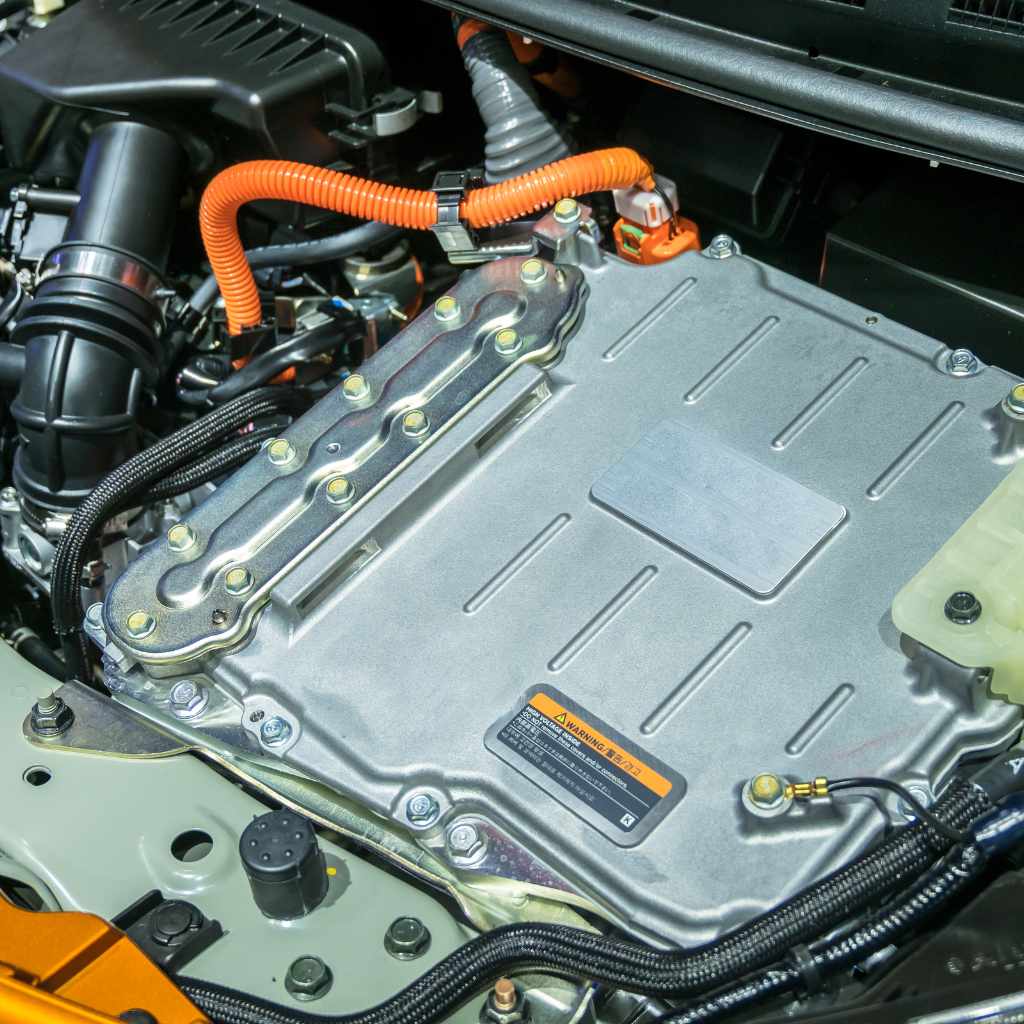
This is the battery that people often think of when asking about hybrid car batteries. This is the big battery that powers the electric motor. It’s much larger and more powerful than the 12-volt battery.
This high-voltage battery is what allows the hybrid to drive on electric power alone, especially at lower speeds, and it also helps the gasoline engine work more efficiently. When the car is braking, this battery can also capture energy that would normally be lost and store it, a process called regenerative braking.
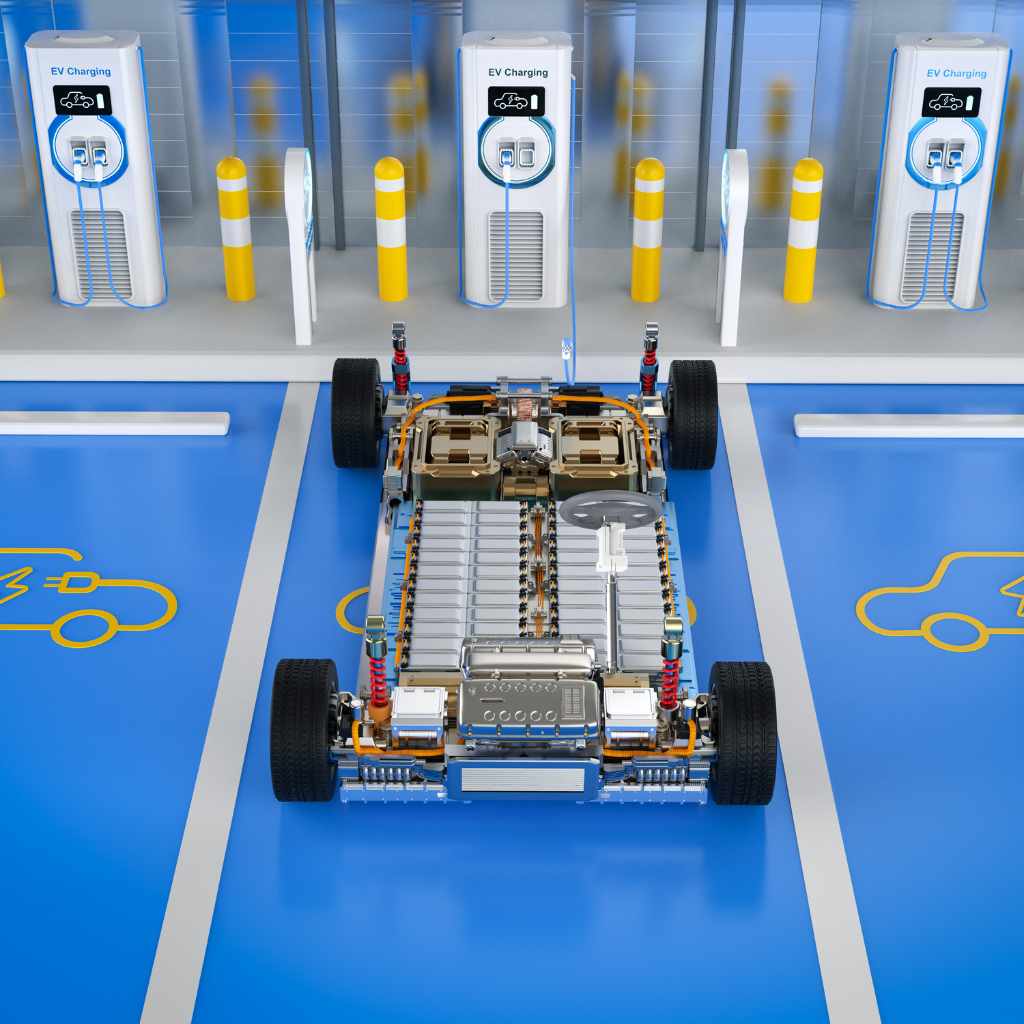
These high-voltage batteries are typically made of nickel-metal hydride (NiMH) or lithium-ion (Li-ion) cells. They are usually located under the floor of the car or in the trunk to help with weight distribution and keep them protected. Because they store a lot of energy and operate at high voltages, they are not the same as the small 12-volt battery you’d find in a standard car.
How They Work Together
The magic of a hybrid car is how these two battery systems and the gasoline engine work in harmony. The car’s computer decides which power source to use based on driving conditions, speed, and how much power you need.
- When you start the car or are driving at low speeds, the electric motor powered by the high-voltage battery might be used.
- As you speed up or need more power, the gasoline engine kicks in, sometimes working with the electric motor.
- When you’re cruising on the highway, the gasoline engine might be the primary power source, and it can also charge the high-voltage battery.
- When you brake or slow down, the electric motor can act as a generator, using the car’s momentum to charge the high-voltage battery.
The 12-volt battery is always there to start the whole system, power accessories, and keep the car’s electronics running smoothly. The high-voltage battery is the heavy lifter for the electric propulsion, making the hybrid more efficient.
Common Misconceptions Addressed
Are Hybrid Batteries the Same as Electric Car Batteries?
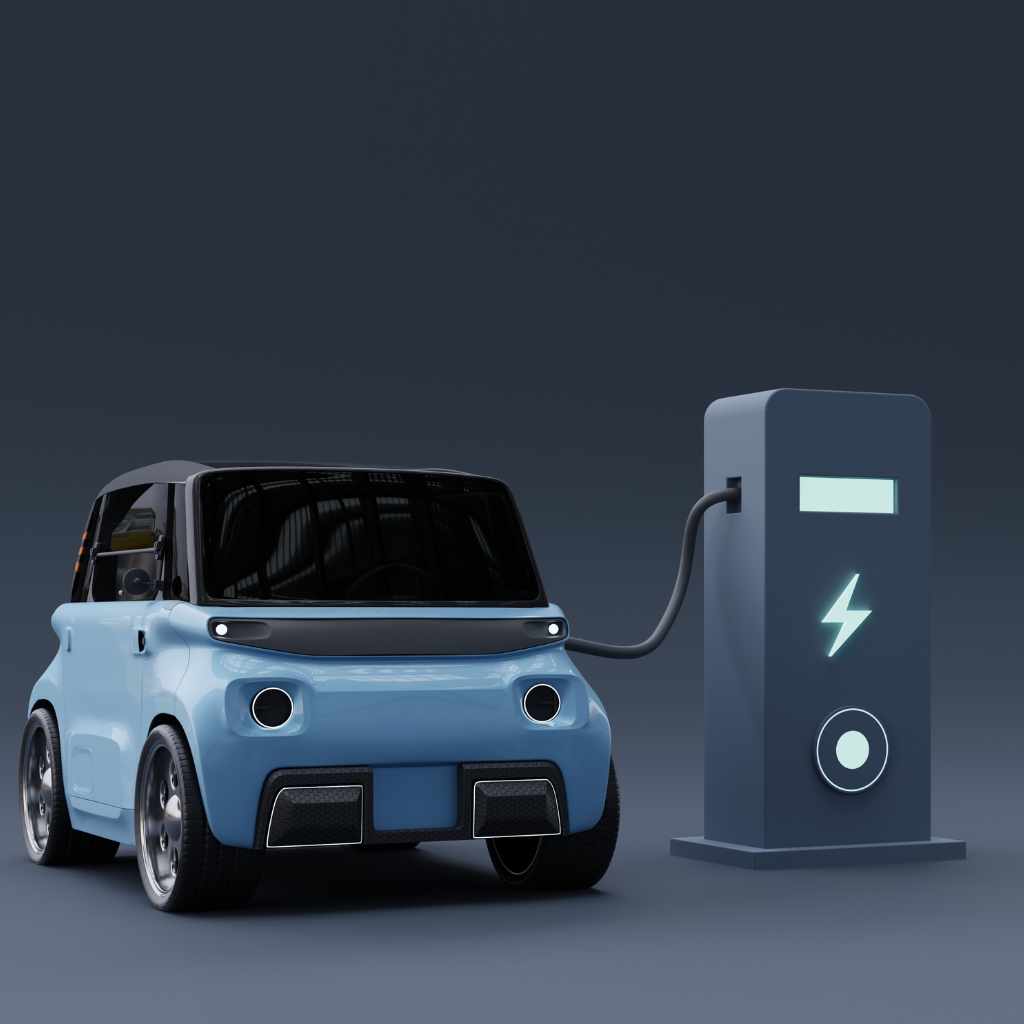
While both hybrid cars and fully electric cars (EVs) use high-voltage battery packs to power electric motors, there are differences in their size and role. EVs rely solely on their battery for all propulsion, so their battery packs are generally much larger and have a greater range than those in hybrid cars. Hybrids use their high-voltage battery to supplement the gasoline engine, improving fuel economy rather than replacing the engine entirely.
Do Hybrid Batteries Need Frequent Replacement?
Hybrid batteries are designed to last a long time, often for the life of the car. Manufacturers usually back these batteries with long warranties, typically 8 to 10 years or 100,000 to 150,000 miles. While they can eventually degrade over time, like any battery, they are built to be very durable.
The advanced management systems in hybrid cars help to optimize their performance and longevity.
Are Hybrid Batteries Expensive to Replace?
Yes, the high-voltage battery pack in a hybrid can be an expensive component to replace if it fails outside of its warranty period. However, this is not a common occurrence, and the cost has been coming down as the technology matures and more aftermarket options become available. Plus, the fuel savings over the life of the car can often offset potential future battery replacement costs.
Can I Jump-Start a Hybrid Car?
Yes, you can jump-start a hybrid car, but you need to be careful. You will jump-start the 12-volt battery, just like you would any other car. You should never attempt to jump-start the high-voltage battery system, as this is extremely dangerous.
Always refer to your car’s owner’s manual for specific jump-starting instructions for your hybrid model.
What Happens When a Hybrid Battery Dies?
If the 12-volt battery in a hybrid dies, the car won’t start or run its electrical systems, similar to a regular car. If the high-voltage battery pack has a significant issue or fails, the car will typically switch to a “limp home” mode, relying solely on the gasoline engine. Some hybrids may even stop running if the main battery failure is severe enough to prevent any operation.
In most cases, a warning light will illuminate on the dashboard to indicate a problem with the hybrid system.
The Technology Behind Hybrid Batteries
Nickel-Metal Hydride (NiMH) Batteries
Many older and some current hybrid models use Nickel-Metal Hydride (NiMH) batteries. These batteries have been around for a while and are known for their reliability and robustness. They are generally less expensive to produce than lithium-ion batteries and are quite stable.
Key characteristics of NiMH batteries in hybrids:
- Good energy density for their time.
- Can handle fluctuating charge and discharge rates well, which is common in hybrid driving.
- Less sensitive to extreme temperatures than some lithium-ion chemistries.
- They have a longer lifespan and are less prone to “thermal runaway” (overheating) compared to early lithium-ion types.
Lithium-Ion (Li-ion) Batteries
More modern hybrid vehicles, especially those with plug-in hybrid capabilities (PHEVs), are increasingly using Lithium-ion (Li-ion) batteries. Li-ion batteries offer several advantages, including higher energy density, meaning they can store more energy in a smaller and lighter package. This allows for longer electric-only driving ranges for PHEVs.
Benefits of Li-ion batteries:
- Higher energy density means lighter weight and more power for their size.
- Can be recharged more quickly than NiMH batteries.
- More efficient at storing and releasing energy.
- Commonly found in plug-in hybrids where a larger battery is needed for substantial electric driving.
Manufacturers choose specific battery chemistries based on factors like cost, performance targets, vehicle size, and intended use. For example, a city-focused hybrid might use a different type of battery than a performance-oriented hybrid.
Hybrid Battery Maintenance and Lifespan
Generally, hybrid car batteries require very little direct maintenance from the owner. The car’s internal computer system manages the charging and discharging of the high-voltage battery automatically. This system ensures the battery operates within safe parameters, which helps to maximize its lifespan.
Factors that can influence hybrid battery lifespan include:
- Driving Habits: Frequent aggressive acceleration and hard braking can put more stress on the battery. Smoother driving generally leads to a longer battery life.
- Climate: Extreme hot or cold temperatures can affect battery performance and longevity. Hybrid systems have cooling and heating mechanisms to mitigate these effects, but very harsh climates can still play a role.
- Vehicle Maintenance: Regularly servicing your hybrid according to the manufacturer’s recommendations ensures that all systems, including those that support the battery, are functioning correctly.
When it comes time to replace a hybrid battery, it’s important to use reputable services. Some manufacturers offer remanufactured or refurbished battery packs, which can be a more cost-effective option than a brand-new one.
Comparing Hybrid Battery Systems
To make it clearer, let’s look at how the batteries in different types of vehicles compare. This table shows the general differences:
| Vehicle Type | Primary Battery Type(s) | Role of Battery | Typical Lifespan |
|---|---|---|---|
| Standard Gasoline Car | 12-Volt Lead-Acid | Starts engine, powers electronics | 3-5 years |
| Hybrid Car | 12-Volt Lead-Acid + High-Voltage (NiMH or Li-ion) | 12V: Starts engine, powers electronics. High-Volt: Electric motor assist, regenerative braking, low-speed electric driving. | 100,000-150,000 miles (High-Volt) |
| Plug-in Hybrid Electric Vehicle (PHEV) | 12-Volt Lead-Acid + Larger High-Voltage Li-ion | 12V: Starts engine, powers electronics. High-Volt: Significant electric-only driving range, electric motor assist. | 100,000-150,000 miles (High-Volt) |
| Battery Electric Vehicle (BEV) | Very Large High-Voltage Li-ion | Powers the vehicle exclusively for all driving. | 100,000-200,000 miles (or more) |
As you can see from the table, the high-voltage battery in a hybrid is a significant component designed for longevity and performance. The 12-volt battery is indeed a “regular” battery, serving a similar purpose to those in conventional cars.
Frequently Asked Questions
Question: Do hybrid cars need special charging cables?
Answer: No, standard hybrid cars (not plug-in hybrids) do not need to be plugged in to charge their high-voltage batteries. The battery is charged through regenerative braking and by the gasoline engine. Plug-in hybrids (PHEVs) do require charging cables and can be plugged into an electrical outlet or charging station.
Question: Is it safe to work on a hybrid car?
Answer: Working on a hybrid car’s high-voltage system requires specialized training and safety precautions due to the risk of electric shock. It’s best to leave repairs on the high-voltage system to certified hybrid technicians. However, the 12-volt battery and many other routine maintenance tasks are similar to those on a conventional car.
Question: Can you drive a hybrid car with a bad 12-volt battery?
Answer: Generally, no. The 12-volt battery is essential for starting the car and powering its critical electronics. If the 12-volt battery is dead, the hybrid car won’t be able to start its hybrid system, and therefore, you won’t be able to drive it.
Question: What is regenerative braking in a hybrid?
Answer: Regenerative braking is a system where the electric motor acts as a generator when you slow down or brake. It captures some of the kinetic energy (the energy of motion) that would normally be lost as heat and converts it into electrical energy to recharge the high-voltage battery.
Question: How do I know if my hybrid battery needs replacing?
Answer: Signs that your hybrid battery might be failing include reduced fuel economy, a loss of electric-only driving ability, decreased acceleration performance, and warning lights on the dashboard indicating a hybrid system fault. Your car’s diagnostic system will usually detect and alert you to significant battery issues.
Final Thoughts
So, to circle back to the main point, Do Hybrid Cars Have Regular Batteries? Yes, they have a standard 12-volt battery for all the usual car functions, much like any other vehicle. But they also have a much larger, more powerful high-voltage battery. This second battery is the key to their hybrid capabilities, allowing for electric driving and improved fuel efficiency.
These high-voltage batteries are built to last and are managed by sophisticated onboard computer systems. Understanding these two distinct battery systems helps demystify how hybrids work and shows they are a smart choice for many drivers looking for better gas mileage. If you’re considering a hybrid, knowing this difference is a great first step in appreciating their engineering.