Are Drive-Through Car Washes Bad for Your Car? (Risks)
Drive-through car washes are safe for most cars — modern touchless and soft-cloth systems avoid the mechanical friction that causes scratches, but older bristle-brush tunnels and unprotected ADAS sensors are where real damage happens. A bad wash can strip your wax, swirl the clear coat, or knock a camera out of alignment. This guide covers which wash types actually risk your paint, how they compare to hand washing, and how to protect sensors, mirrors, and antennas every time.
Quick Answer
Drive-through car washes are generally safe if you choose touchless or soft-cloth facilities with clean, well-maintained equipment. The real risks come from old bristle-brush tunnels (paint swirls), harsh chemicals (stripped wax), and unprotected ADAS sensors. Hand washing is the gentlest option, but a good automated wash used correctly won’t hurt your car.
What Happens Inside a Drive-Through Car Wash
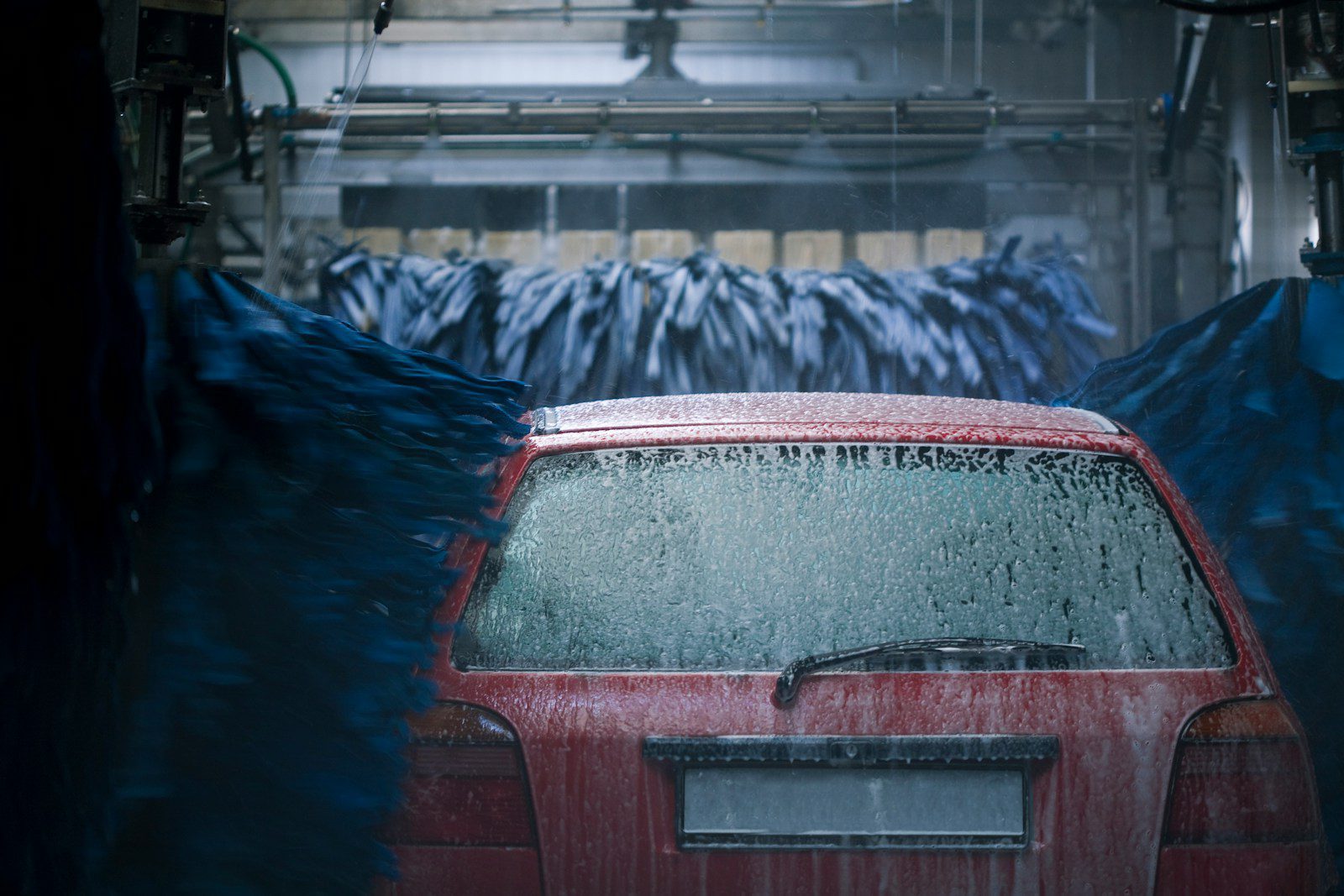
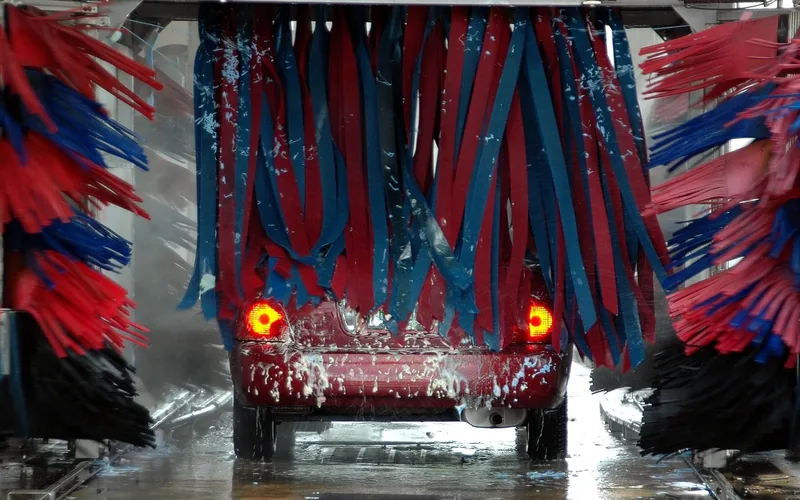
Your car moves through a tunnel on a conveyor track while machines handle the cleaning. First, jets pre-soak the body with water and a cleaning agent to loosen dirt. Then, depending on the facility, either soft foam brushes and cloth strips physically wipe the surface, or high-pressure water and detergent do the work with zero physical contact — a touchless car wash. Rinse arches remove the soap, and forced-air dryers finish the job before you drive out.
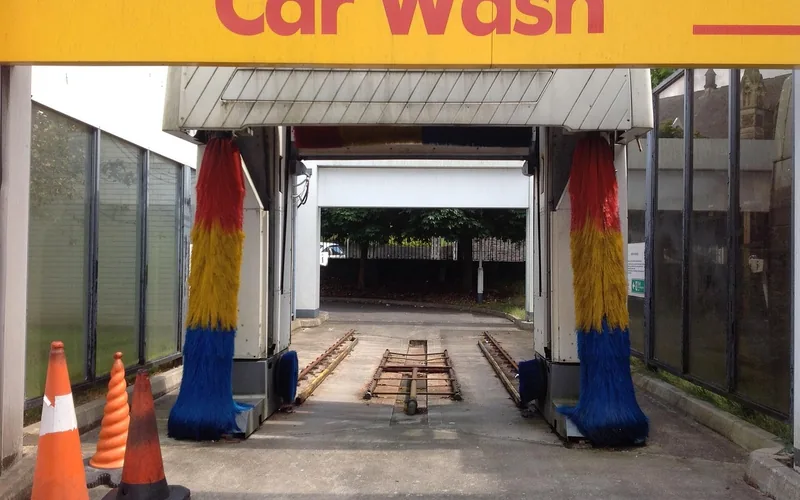
A single automated wash typically runs $10 to $25, and a well-run facility with clean, frequently-replaced brushes will not hurt a normal daily driver. The problems start when the equipment is old, poorly maintained, or shared by hundreds of dirty cars a day without proper cleaning cycles.
📊 A single automated car wash in the U.S. typically costs $10–$25, with basic exterior-only packages at the low end and full-service washes with hand-dry at the high end. — Source: Caliber Car Wash, 2026
Does a Drive-Through Car Wash Damage Your Car? (The Real Risks)
Yes, some drive-through washes can damage your car — but the risk depends almost entirely on the type of wash and how clean the equipment is, not on “drive-through” washes as a category. Here’s where actual damage tends to come from.
Paint Swirls and Scratches
Stiff nylon-bristle brushes are the main culprit. If a brush isn’t rinsed and replaced often, it accumulates grit from the dozens of dirty cars ahead of you, then drags that grit across your clear coat — creating fine swirl marks or, in bad cases, real scratches. For a full breakdown of which wash methods cause this and how to fix existing swirls, see our guides on whether car washes scratch paint and do car washes scratch cars.
“Professional detailers have long nicknamed older bristle-tunnel washes ‘scratch-o-matics’ — a nod to how easily stiff, dirty brushes drag grit across paint. Modern soft-cloth and touchless bays don’t carry the same reputation.”
Stripped Wax and Harsh Chemicals
Touchless washes rely on stronger alkaline or acidic detergents to clean without physical scrubbing. Those chemicals cut through grime effectively, but they also strip away wax, sealant, or ceramic topcoat faster than a gentler soft-cloth wash. Left unprotected, bare clear coat is more exposed to UV fading and water spotting. Reapplying a wax or sealant every several washes keeps that protection in place — see the product picks below.
Mirrors, Antennas, and Loose Trim
Brushes and high-pressure jets can snap a whip antenna, fold or crack a side mirror that wasn’t tucked in, or peel up loose trim and badges. Roof racks, bike mounts, and aftermarket accessories are the most common casualties because the tunnel’s guide rails and brush arms aren’t built to route around them. If a facility damages your car through equipment failure or negligence, you may have a claim — our guide on automatic car wash liability covers how that process works.
Underneath the Car: Salt, Grime, and Rust
Most drive-through washes rinse the undercarriage as a standard part of the cycle, which is actually a benefit — road salt and grime trapped under the car are a major cause of rust and corrosion over time. Skip it too often, especially after winter driving, and that buildup does more long-term damage than any brush ever could.
Best Post-Wash Protection Pick
Meguiar’s Hybrid Ceramic Wax
A spray-on ceramic wax that replaces the protection stripped off by drive-through detergents in minutes, no buffing required.
- Best for: Reapplying protection after every 2-3 automated washes
- Why we picked it: Fast spray-and-wipe application fits the low-effort reason people choose drive-through washes in the first place
- Main drawback: Lasts weeks, not months — needs more frequent reapplication than a paste wax
Compare more post-wash protection options
 Option 1 Chemical Guys HydroSpeed Ceramic Quick Detailer
|
 Option 2 Turtle Wax Hybrid Solutions Ceramic 3-in-1
|
 Option 3 SHINE ARMOR Fortify Quick Coat
|
As an Amazon Associate we earn from qualifying purchases.
Can a Drive-Through Car Wash Damage ADAS Sensors or Cameras?
Yes — this is the risk most older articles on this topic miss entirely. Newer vehicles pack forward-facing cameras, radar units, and parking sensors into the grille, bumper, mirrors, and windshield. High-pressure jets and brush arms can knock one of these out of alignment or trigger a false fault code, even without visible damage. If a warning light for lane-keep assist, adaptive cruise, or the backup camera comes on after a wash, the sensor likely needs recalibration.
Check your owner’s manual before your first automated wash on a newer car — many manufacturers recommend touchless washes only, or hand-cleaning the sensor housings with a soft cloth instead of running them through brushes. Some vehicles even have a dedicated “car wash mode” that temporarily disables the sensors so they don’t fault out mid-wash.
📊 Recalibrating a misaligned ADAS sensor — the same service used after a windshield replacement — typically costs $250 to $600, depending on whether static, dynamic, or dual calibration is required. — Source: Glass & Auto ADAS Calibration Cost Guide, 2026
Benefits of Drive-Through Car Washes
The convenience is real, and it’s not a bad trade-off for most people. You stay in the car the whole time, the cycle takes just a few minutes instead of the 30-60 minutes a proper hand wash takes, and a single wash costs less than the soap, buckets, mitts, and water a DIY wash requires over time. Automated washes also recycle a large share of their water, which uses less overall than a garden hose running for half an hour.
Drive-Through vs. Hand Wash vs. Touchless: Cost and Risk Comparison
No single wash type is universally “best.” Each one trades speed, cost, and paint risk differently — the table below breaks down where each option actually stands.
| Wash Type | Paint Risk | Typical Cost | Best For |
|---|---|---|---|
| Touchless (no-contact) | Lowest — nothing physically touches the car | $10-$20 per wash | Newer cars, ceramic coatings, ADAS-equipped vehicles |
| Soft-cloth / foam brush | Low, if brushes are clean and well-maintained | $10-$25 per wash | Routine washes on most daily drivers |
| Older stiff-bristle tunnel | Highest — nylon bristles trap and drag grit | $8-$15 per wash | Avoid where a newer alternative exists |
| Hand wash (two-bucket method) | Lowest overall, if done correctly | $20-$40 in supplies (reusable) | Fresh paint, wraps, PPF, show-quality finishes |
Hand washing gives you full control — you can pay extra attention to wheel wells, badges, and door jambs that a tunnel wash rushes past. It also uses more water per wash unless you’re careful, since automated facilities recycle water and use less soap overall. If your car has fresh paint, a wrap, or paint protection film, hand washing (or a strictly touchless wash) remains the safer choice while it cures.
Tips for a Safe Drive-Through Car Wash
Follow these five steps every time to get a clean car without the damage:
- Choose the right wash type: Pick a touchless or soft-cloth facility with clean, recently-changed brushes and good online reviews — quality wash materials matter as much as the wash type.
- Prep the car before entering: Fold in side mirrors, roll up windows, close the sunroof, and remove roof racks, antennas, or bike mounts.
- Check for ADAS precautions: If your car has sensors or cameras, check the owner’s manual — some manufacturers recommend a manual pre-wipe of the sensor housings instead of running them through brushes.
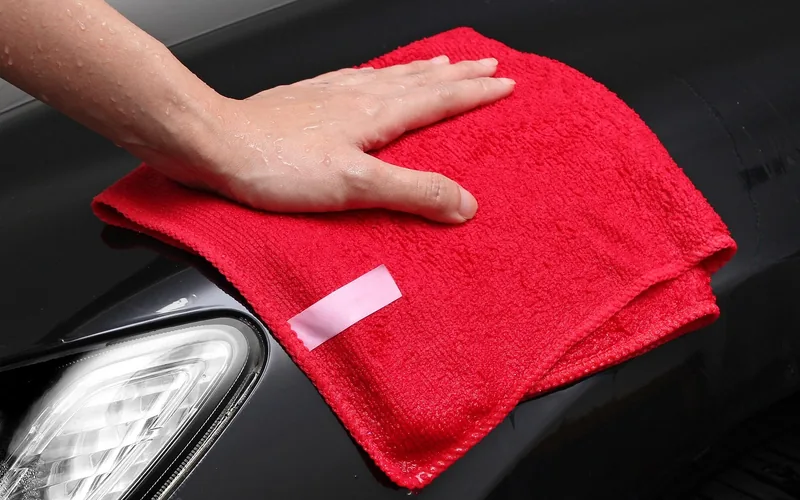
- Dry and inspect immediately after: Wipe down with a clean microfiber towel to prevent water spots, then check mirrors, trim, and windows for any missed dirt or leftover soap film.
- Reapply wax or sealant regularly: Automated washes strip protective coatings faster than hand washing — a quick spray wax every 2-3 washes keeps the clear coat protected.
Common Myths and Facts About Drive-Through Washes
Myth: All automated car washes scratch paint. Reality: this belief is largely a leftover from decades-old stiff-bristle tunnels. Modern soft-cloth and touchless facilities use materials specifically designed not to scratch, and keeping your car’s finish protected with regular waxing reduces the risk further regardless of wash type.
Myth: Washing your car often damages it. Reality: the opposite is usually true. Dirt, bird droppings, tree sap, and road salt left sitting on paint for weeks cause more permanent damage — etching and staining — than a gentle wash every week or two. The wash isn’t the problem; leaving contaminants on the paint is.
Myth: Drive-through washes never clean where it matters. Reality: most facilities include an undercarriage rinse as a standard step, which removes the road salt and grime that cause rust — a spot hand washing at home often skips entirely.
Frequently Asked Questions
Does a Drive-Through Car Wash Damage Your Car?
Most modern drive-through washes are safe when they use soft-cloth or touchless systems and clean equipment. Damage — swirl marks, stripped wax, or bent mirrors — usually comes from stiff, poorly maintained bristle tunnels or leftover grit trapped in the brushes. Choosing a well-reviewed, recently-cleaned facility and folding in your mirrors first largely eliminates the risk.
Do Drive-Through Car Washes Scratch Your Car’s Paint?
They can, but usually only from dirty or stiff brushes that drag trapped grit across the clear coat. Touchless washes remove the risk almost entirely since nothing physically contacts the paint. We cover exactly what causes swirl marks and how to fix them in the scratches section above.
Can a Car Wash Damage ADAS Sensors or Cameras?
Yes, in some cases. High-pressure jets and brush arms can knock a forward-facing camera or radar sensor out of alignment, which can trigger a warning light. Recalibrating a sensor afterward typically costs $250 to $600. Check your owner’s manual — many automakers recommend touchless washes or manual cleaning of sensor housings on newer, ADAS-equipped models.
What Is the Least Damaging Car Wash?
Hand washing with two buckets, a clean microfiber mitt, and pH-neutral soap is the least damaging method available. When that isn’t practical, a touchless (no-contact) drive-through wash is the safest automated option, since nothing physically touches the paint during the cycle.
Is It Bad to Take Your Car Through the Car Wash a Lot?
No, as long as you use a gentle wash type and reapply wax or sealant periodically. Frequent washing actually helps by removing salt, bird droppings, and grime before they etch the clear coat — leaving a car dirty for too long causes more damage than washing it often does.
Should I Go Through a Drive-Through Car Wash?
Yes, for routine cleaning it’s a reasonable choice. Pick a touchless or soft-cloth facility with good reviews, remove loose accessories first, and reapply protection afterward. If your car has a fresh wrap, paint protection film, or you’re chasing a show-quality finish, hand washing gives you more control.
Conclusion
Drive-through car washes aren’t inherently bad for your car — the real variable is which type you choose. Touchless and soft-cloth facilities with clean equipment are safe for regular use; aging stiff-bristle tunnels are the ones worth avoiding. Prep your car before entering, watch for ADAS warnings on newer vehicles, and reapply wax every few washes to keep the clear coat protected. For a closer look at paint-specific risks, see our guide on whether car washes are bad for your paint, or browse our full car detailing guide for longer-term protection.
Products related to this article
Sponsored / affiliate links. As an Amazon Associate I earn from qualifying purchases. I may earn additional commission from eligible campaigns.