Does My Car Have A Gps Tracker? Here’S How To Check
Your car might have a GPS tracker if it’s used for fleet management, loan tracking, or by a concerned party. Checking involves a thorough physical inspection of the vehicle’s exterior and interior, looking for unusual devices, and understanding common tracker hiding spots.
Understanding Car GPS Trackers
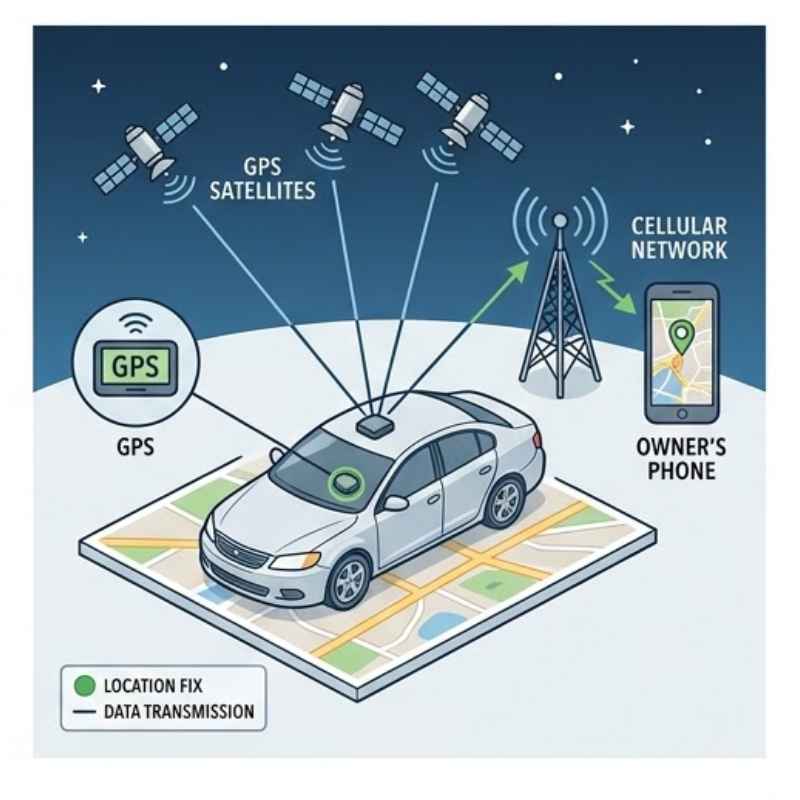
A GPS tracker is a small device. It uses the Global Positioning System (GPS) satellite network. This network helps find its exact location.
The device then sends this location data somewhere else. This can be to a website or an app. People use them for many reasons.
Businesses use them for their car fleets. This helps them manage drivers and vehicles. Sometimes, a car loan company might put one on a car.
This is to make sure the loan payments are made. If the car is repossessed, they can find it. Sadly, some people use them for other reasons too.
They might use them to keep tabs on someone. This can be a partner or a family member. It’s important to know what these trackers look like and where they might be hidden.
These devices are often small. They can be as tiny as a matchbox or a bit bigger. They need a power source.
Some have their own batteries. These batteries last for a while. Others plug into the car’s power system.
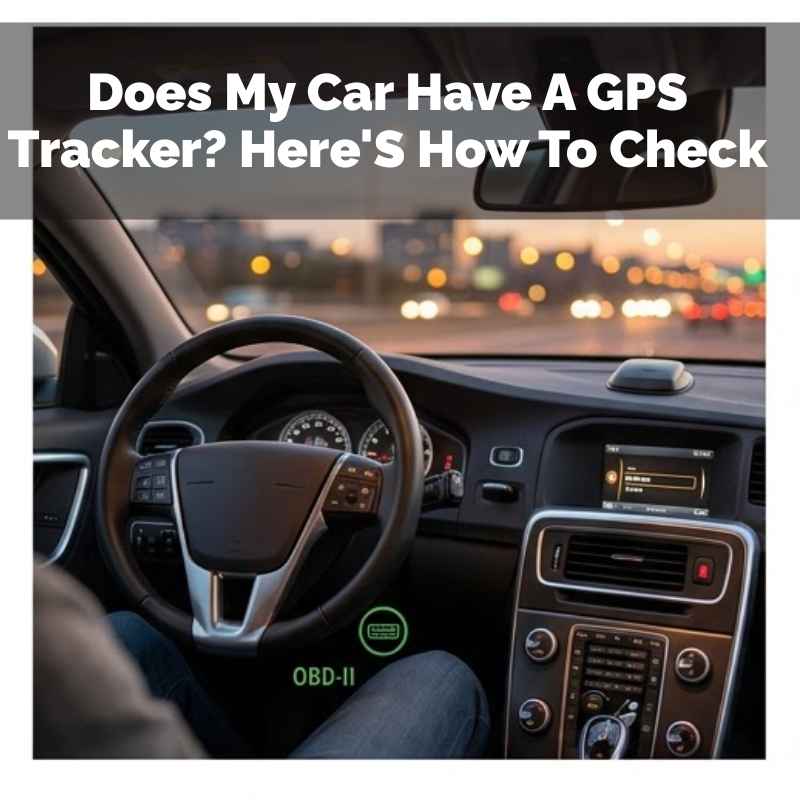
They might be wired into the car’s battery or the On-Board Diagnostics (OBD-II) port. The OBD-II port is usually under the dashboard. Trackers are often put in places that are hard to see.
They are also put where they won’t fall off. Understanding this helps you know where to look.
Many trackers are magnetic. This helps them stick to metal surfaces. This makes hiding them on the car’s frame easy.
They are built to be tough. They can handle weather. They can also handle vibrations from the car.
This means they can be outside the car. They can also be inside. The goal is always to hide them well.
This is so the person looking won’t find them easily. This is why a careful search is very important. You need to be thorough.
You can’t just glance around.
The type of tracker matters. Some are active trackers. These send data in real-time.
You can watch the car move on a map. Others are passive trackers. These record data.
You have to take the device to a computer later to get the info. Most people worry about active trackers. They are the ones that give constant updates.
These are more likely to be used for spying.
Learning about these devices is the first step. Knowing their size and how they work helps a lot. It makes your search much more effective.
You’ll know what you’re looking for. You’ll also know where to start looking. This knowledge is power when it comes to your car’s privacy.
My Own Search for a Hidden Tracker
I remember a time when I felt that same uneasy feeling. A friend had gone through a tough breakup. She was convinced her ex might try to track her.
She asked me to help her check her car. We spent a whole afternoon on it. It was a warm Saturday.
The sun was bright. We started with the outside of her little sedan. We looked under the bumpers.
We checked the wheel wells. We felt along the frame of the car. Nothing obvious.
Then we moved inside. We looked under the seats. We checked the glove box.
We even took apart some of the plastic panels near the dashboard. It was tedious work. My fingers got dirty.
I started to feel a bit frustrated. Was this even real? Was she just being paranoid?
Then, we were looking under the hood. It was a bit greasy up there. We were tapping around the engine.
I ran my hand along a metal frame piece. I felt something small and hard. It was stuck there with strong tape.
It was a small black box. It had a tiny antenna. My heart sank a little.
We had found something. It was a real GPS tracker. We carefully removed it.
It felt like a huge relief. But also, a bit scary. It showed her ex really did it.
It made the whole situation feel more real and serious. That day taught me how important it is to just look. You have to be patient.
You have to be detailed.
Quick Vehicle Inspection Checklist
Exterior:
- Under bumpers (front and rear)
- Wheel wells and mudguards
- Along the car’s frame rails
- Inside the gas cap area
Interior:
- Under the dashboard (driver and passenger sides)
- Inside the glove compartment
- Under the seats (front and rear)
- The trunk area
- Inside the center console
How to Physically Search Your Car
The best way to know if your car has a GPS tracker is to look for it yourself. You need to be very thorough. Start with the outside of your car.
Most trackers are hidden here first. They are often attached to metal parts. They use magnets to stick.
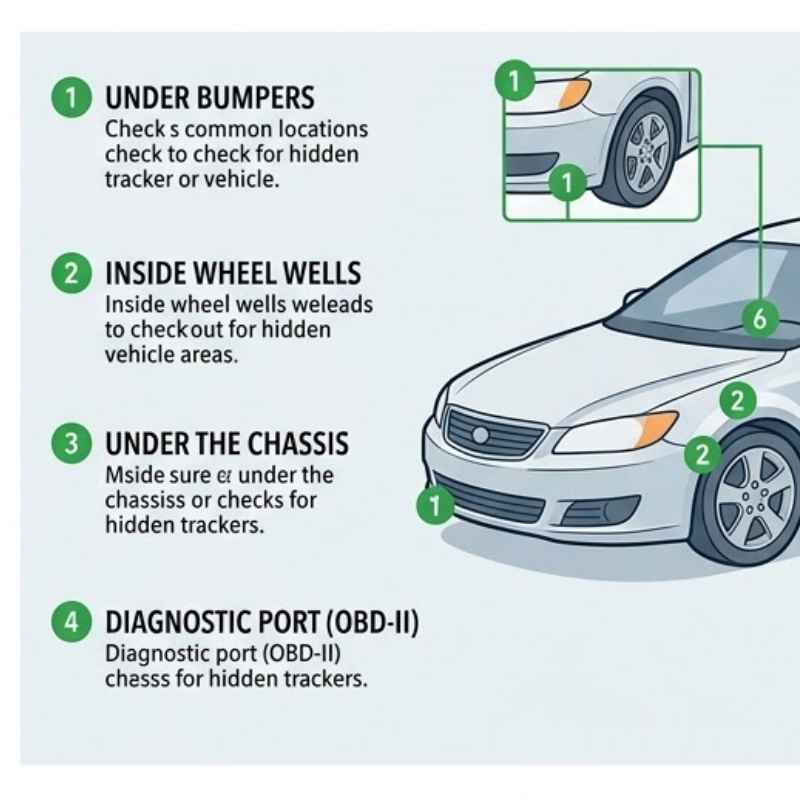
Look under the front and rear bumpers. These are common spots. They are out of sight.
They are also easy to reach. Get down low. Use a flashlight.
Feel around the edges. Look for anything that doesn’t look like part of the car. It might be a small black or grey box.
It could have an antenna. Check the wheel wells. This is where the tires are.
The plastic liners can hide things. Feel behind them. Also, check the frame rails.
These run along the sides of the car. They are long metal beams. They are under the doors.
Sometimes, trackers are stuck here. Even the area around the gas cap can be a spot. You might need to open it and look inside the housing.
Anything stuck on with tape or a strong magnet could be a tracker.
Now, move to the inside of your car. This is where some trackers are also hidden. Start with the dashboard area.
Look under the driver’s side. Your car has many wires and parts here. A tracker can blend in.
Use your flashlight. Feel around. Be careful not to touch anything important.
Next, check the passenger side dashboard. Look in the glove compartment. Empty it out.
Look at the back and sides. The center console is another spot. This is the storage area between the front seats.
Open it up. Look inside. Check under the seats.
Both front and back seats. You might need to get down on your hands and knees. Feel all over the underside.
Some trackers might be wired into the car’s electronics. One common connection is the OBD-II port. This is usually found under the dashboard.
It’s a small connector with pins. A tracker might plug directly into this. If you see something plugged into it that shouldn’t be, that’s a red flag.
The trunk is the last main area. Look in the spare tire well. Check the sides.
Look for any loose panels or things taped up.
When you search, be patient. It takes time. You can’t rush this.
Take photos of anything that looks odd. This can help you remember. It can also help if you need to ask someone else.
Wear gloves if you want. This keeps your hands clean. It also helps if you find something you don’t want to touch directly.
The goal is to find anything that is not factory installed. Anything that looks like a device. Especially if it has wires or an antenna.
Or if it’s stuck on with a strong magnet or tape.
Remember that some trackers are very well hidden. They might be professionals. So, you might not find them on the first try.
If you are still worried, you might need help. A mechanic could help. Or a security expert.
They have tools to find hidden devices. But for most people, a careful manual search is a good start.
What to Look For: Signs of a Tracker
- Unusual Boxes: Small, often black or grey boxes.
- Antennas: Tiny wires sticking out.
- Magnets: Strong magnets attached to the device.
- Tape or Zip Ties: Used to secure the device.
- Extra Wires: Wires not connected to the car’s normal systems.
- Unfamiliar Devices: Anything that doesn’t look like a factory part.
Checking Your Car’s Electronics
Beyond a physical search, you can also check your car’s electronics. Many modern cars have complex computer systems. These systems manage everything from the engine to the entertainment.
Sometimes, a GPS tracker can interfere with these systems. Or, it might be connected to them. One place to check is the OBD-II port.
This is a standard port in cars made since 1996. It’s used for diagnostics. Mechanics plug their tools into it.
Some GPS trackers plug into this port. They get power and data from it. If you find a device plugged into your OBD-II port that you didn’t put there, investigate it.
It might be a tracker.
You can also check your car’s dashboard. Some warning lights might come on if there’s an issue. A foreign device could cause a check engine light.
Or other system warnings. This isn’t a direct sign of a tracker. But it’s something to note.
If you see new warning lights, it’s worth checking out. You can get a diagnostic scan at an auto parts store. They can tell you if there are any error codes.
This might point to an unusual connection.
Some advanced trackers might try to tap into your car’s power. This is less common for simple trackers. But it’s possible.
If you notice your car battery draining faster than usual. And you can’t find another reason for it. This could be a sign.
Especially if you don’t drive the car much. A tracker needs power. If it’s wired into the battery.
It will slowly drain it. This is a harder thing to diagnose. You might need a mechanic for this.
They can check your car’s electrical system. They can see if there are any unexpected power draws.
Also, consider your car’s own features. Does your car have a built-in navigation system? Some of these systems can track your location.
This is usually for navigation purposes. It’s not a hidden tracker. But it’s good to know your car’s capabilities.
If you use a connected car app. This app might also track your car’s location. This is normal.
It’s part of the service. You agreed to this when you signed up. Check your car’s manual.
See what features are built-in. Understand how they work. This helps you tell what’s normal.
And what might be out of place.
If you are truly concerned. And you can’t find anything. But you still have a gut feeling.
Consider professional help. There are TSCM (Technical Surveillance Counter-Measures) specialists. They have tools to detect electronic devices.
They can scan your car for hidden bugs. This is often expensive. But it’s the most thorough option.
Common Tracker Hiding Spots
Under the bumpers: Easy access, magnetic attachment.
Along the frame: Hidden from view, durable.
Inside the wheel wells: Out of sight, protected by liners.
OBD-II Port: Direct power and data connection.
Behind panels: In dashboards, door panels, or trunk liners.
Inside the engine bay: Less common, but possible near less visible parts.
Why Might Your Car Have a GPS Tracker?
The reasons someone might put a GPS tracker on your car vary a lot. Understanding these reasons can help you figure out if it’s even possible for you. One common reason is for car loans.
If you financed your car through a company. Especially if you have a history of late payments. The lender might put a tracker on the car.
This is to help them recover the vehicle if you default. These trackers are usually installed by the dealership or a third party. They are often powered by the car’s battery.
They might be visible in the OBD-II port. Or hidden somewhere accessible for maintenance.
Businesses often use GPS trackers on their vehicles. This is for fleet management. They want to know where their drivers are.
They want to monitor their routes. They want to check if drivers are staying on schedule. They also use it to ensure vehicles are being used for business.
Not for personal errands. If your car is a company car. Or if you use your personal car for work.
And your employer provides tracking. This would be a legitimate use. You would likely be informed about this.
It’s usually part of your employment contract.
Then there’s the more concerning reason: personal tracking. This happens in situations of domestic disputes or stalking. A jealous ex-partner might place a tracker on your car.
To know your movements. To see where you go. To try to catch you doing something.
This is illegal in many places. It’s a serious invasion of privacy. If you suspect this is happening.
You should contact law enforcement. And consider getting legal advice. This is a situation where your safety is the priority.
Another possibility, though less common for personal cars, is theft deterrence or recovery. Some car owners install trackers on their vehicles themselves. They do this to help find the car if it’s stolen.
These are usually purchased by the owner. They are not hidden by someone else. You would know if you installed one.
Think about if you have done this. Or if a previous owner might have. It’s worth checking the car’s history if you bought it used.
It’s also important to consider your own use of the car. Are you lending it to anyone? Could they have put a tracker on it?
Do you have teenagers driving? Some parents put trackers on their kids’ cars. To ensure their safety.
And to know where they are. This is usually done with the child’s knowledge. But it’s something to consider.
Think about who has had access to your car. Who might have had a reason to place a tracker. And what kind of tracker it might be.
This context can help you narrow down your search. And understand the potential implications.
Tracker Scenarios: Normal vs. Concerning
Normal:
- Company car tracking for fleet management.
- Lender tracker for financed vehicles (often disclosed).
- Owner-installed tracker for theft recovery.
- Parental tracking for teenage drivers (usually with consent).
Concerning:
- Suspicion of stalking or harassment by an ex-partner.
- Unknown device found with no logical explanation.
- Feeling like you are being watched or followed.
What to Do If You Find a Tracker
If you find a GPS tracker on your car, don’t panic. Take a deep breath. The first thing you should do is document it.
Take clear photos and videos of the device. And where it was located on your car. This evidence is important.
Especially if you plan to take further action. Do not try to remove it immediately if you suspect foul play. If you believe you are being stalked or harassed.
Removing the device could alert the person who put it there. It might also destroy evidence.
If you suspect illegal surveillance or stalking. Your next step should be to contact law enforcement. Go to your local police station.
Explain what you found. Show them the photos and videos. They can advise you on the next steps.
They might want to collect the device as evidence. They can also help ensure your safety. They can provide guidance on legal protection.
This is especially important if you feel threatened.
If the tracker was placed there by a lender for a financed car. You will need to contact the lender. Explain that you found the device.
They will likely have a procedure for this. They might ask you to return the vehicle. Or they might arrange to have it removed.
Be prepared to discuss your loan agreement. It might state that they have the right to install trackers.
If it’s a company car. And you found a tracker that you weren’t aware of. You should report it to your HR department or your manager.
It’s possible there was a misunderstanding. Or a policy change you missed. They can help you understand why it’s there.
And how it’s being used.
If you just found an old tracker. Perhaps from a previous owner. And you have no reason to believe you are being watched.
You can remove it yourself. Use caution. Take it off carefully.
Dispose of it properly. You can then try to find out what it was. Sometimes, there’s a model number on the device.
You can search for that online. This might give you clues about its origin.
If you are unsure about the legality. Or the implications of the tracker. It’s wise to speak with a lawyer.
Especially if you are in a difficult personal situation. A lawyer can explain your rights. They can advise you on the best course of action.
They can also help if legal proceedings are necessary. Your privacy and safety are the most important things. Take these steps seriously.
Action Steps If You Find a Tracker
1. Document: Take photos/videos of the device and its location.
2. Assess Threat: Is there a safety concern? If yes, proceed with caution.
3. Contact Law Enforcement: If illegal surveillance or stalking is suspected.
4. Contact Lender: If the car is financed and you suspect a lender tracker.
5. Inform Employer: If it’s a company car and the tracker is unknown.
6. Remove (Carefully): If you are certain it’s not a threat and was from a previous owner.
7. Seek Legal Advice: If unsure of rights or facing a complex situation.
When Is It Normal to Have a GPS Tracker?
There are situations where a car having a GPS tracker is perfectly normal. And even expected. One of the most common is when you finance a vehicle.
Lenders often install GPS trackers. This is especially true if you have a subprime loan or a history of missed payments. These trackers help the lender recover the car if you stop paying.
They are usually installed by the dealership or a third-party service. The terms of this are usually in your loan contract. You might have even signed a consent form.
These trackers are typically legal and disclosed.
Many businesses use GPS tracking for their vehicle fleets. If you drive a company car. Or if your job requires you to use your car for business.
Your employer might install trackers. This is to monitor driver behavior. To optimize routes.
To ensure efficiency. And to prevent misuse of company assets. These policies are usually clearly stated in employee handbooks or contracts.
You would likely know if your company car was tracked.
Some people choose to install GPS trackers on their own cars. They do this for personal reasons. Such as monitoring teenage drivers.
Parents want to know their kids are safe. They want to ensure they aren’t going to dangerous places. Or driving recklessly.
This is usually done with the teenager’s knowledge. Though sometimes parents try to hide it. Another personal reason is for theft prevention.
You can buy GPS trackers to help you locate your car if it’s stolen. These are usually installed by the owner. Or a trusted mechanic.
Rental car companies sometimes use GPS trackers. This is to ensure the car is returned on time. And to monitor mileage.
Or to prevent the car from being taken out of the country. This is part of the rental agreement. You are aware of this when you rent the car.
In summary, if the tracker is disclosed, legal, and for a legitimate business or safety purpose. It’s considered normal. The key is transparency and consent.
If you found a tracker and you’re not sure why it’s there. That’s when it becomes a concern.
When Should You Worry About a Tracker?
You should start to worry about a GPS tracker when its presence is a mystery to you. Or when you have a reason to believe it’s being used for malicious purposes. If you bought a used car.
And you found a tracker. And the seller didn’t mention it. That’s cause for concern.
Especially if it seems like it was hidden with care. It suggests a previous owner might have been monitoring the car. Or perhaps someone else.
The biggest red flag is if you suspect stalking or harassment. If you are in a relationship that has ended badly. Or if you have had conflicts with someone.
And you start noticing things. Like someone knowing where you were when you didn’t tell them. Or feeling like you are being watched.
And then you find a tracker. This is a serious situation. It means someone is actively trying to track your movements without your knowledge.
This is a violation of your privacy and potentially your safety. In these cases, you should worry a lot. Your personal safety becomes the top priority.
You need to act fast. And get help.
Another reason to worry is if the tracker seems professionally installed. Not just taped on. If it’s wired into the car’s complex systems.
Or if it looks like it belongs there, but you know it doesn’t. This might indicate a more sophisticated operation. Trying to gather information.
If you notice your car’s performance changing. Or strange electrical issues. And you can’t find another explanation.
It’s worth considering if a hidden device could be the cause. Though this is less common for simple GPS trackers.
If you find a tracker and you are not the one who put it there. And you were not informed about it. It is a cause for concern.
Unless it falls into the “normal” categories we discussed. Such as a lender or employer. The lack of transparency is what makes it worrying.
It suggests an attempt to hide its presence. And therefore, potentially hide its purpose.
Trust your gut feeling. If something feels off. If you have a persistent sense of unease about your car.
Or your privacy. It’s better to investigate. Even if it turns out to be nothing.
The peace of mind is worth the effort. Worry is a signal. It’s your mind telling you something might be wrong.
Pay attention to that signal.
Frequently Asked Questions About Car GPS Trackers
How can I tell if a device is a GPS tracker?
Look for small electronic devices, often black or grey, with antennas. They might be attached with magnets or tape. They can also be plugged into the OBD-II port.
If you see anything unusual on the exterior or interior of your car that doesn’t seem like a factory part, it might be a tracker.
Are GPS trackers expensive?
The cost varies. Basic, battery-powered trackers can be bought online for under $100. More advanced trackers with longer battery life or real-time reporting can cost several hundred dollars.
Professional installation or fleet management systems can add to the cost.
Can a mechanic find a GPS tracker?
Yes, a good mechanic can help. They are familiar with car parts and wiring. They can often spot unusual devices.
Especially if they are wired into the car’s system. If you suspect a tracker, mention it to your mechanic during your next service.
How long do GPS tracker batteries last?
Battery life depends on the model and how often it transmits data. Some small, battery-powered trackers can last from a few days to a few weeks. Others can last for months.
Trackers plugged into the car’s battery will last as long as the car’s power source. They don’t have a limited battery life.
Is it illegal to put a GPS tracker on someone’s car?
In most parts of the U.S., it is illegal to place a GPS tracker on a vehicle without the owner’s consent. This is considered a violation of privacy. Laws vary by state, but generally, it is only legal for the owner of the vehicle or for law enforcement with a warrant.
What if my car loan company put a tracker on my car?
If your car loan company installed a tracker, it is likely disclosed in your loan agreement. You should review your contract. If you have questions or concerns, contact the lender directly.
They can explain why it was installed and how it works. In most cases, this is a legal practice for lenders.
Final Thoughts on Your Car’s Privacy
Figuring out if your car has a GPS tracker can be a stressful process. But knowing how and where to look can make a big difference. Remember to be patient and thorough in your search.
Understand why a tracker might be there. And know what steps to take if you find one. Your car’s privacy is important.
Taking the time to check can give you peace of mind.
Products related to this article
Sponsored / affiliate links. As an Amazon Associate I earn from qualifying purchases. I may earn additional commission from eligible campaigns.
 4G GPS Tracker Car Anti-Theft Long Battery Life 20000mAh Real Time GPS Tracking Device Magnet No Geographic Restriction Car Tracker with Alerts, Geo Fence, History Playback TK905C
 OBD II GPS Tracker for Vehicles | Real Time Car GPS Tracker Device | Hidden Car Tracking Device | Fleet OBD2 Tracker | Monthly Fee and Activation Fee Not Included